REVIEW · MEXICO CITY
Multi-Variety Mole Class in a Condesa home or art gallery rooftop
Book on Viator →Operated by Martaja - Market tours and cooking classes in Mexico City · Bookable on Viator
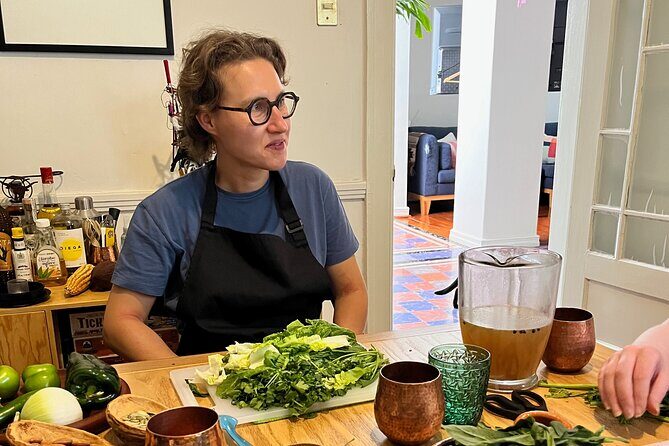
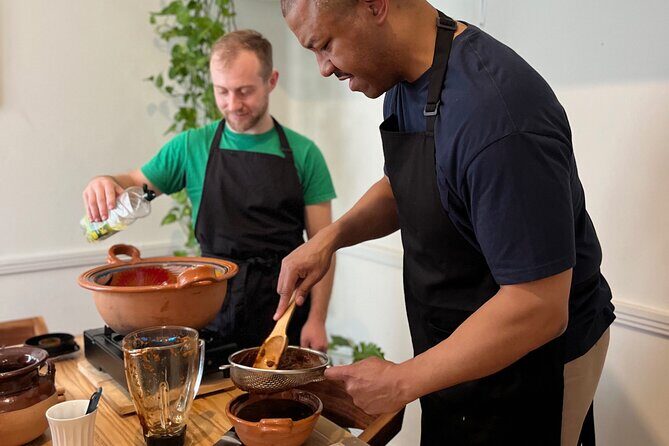
Mole is more than one sauce. This hands-on class takes you into Mexico City’s mole variety culture by cooking two very different moles from scratch in a Condesa home (or art gallery rooftop, depending on your session). I love that you don’t just eat mole—you learn the logic behind it, ingredient by ingredient, so you can recreate it later.
I also like the food flow: you cook, then you sit down for dinner with locally made plates and you get to taste the contrast between a fruit-sweet red mole and a bright green herb-based one. One thing to consider: there are two cats in the house, so plan accordingly if allergies are a concern.
In This Review
- Key things I think you’ll care about
- Why Mole in Condesa Works So Well
- Meeting in Condesa: Av Nuevo León and a Realistic Timeline
- The Lesson Plan Behind the Apron
- Manchamanteles: Red Mole with Pineapple, Plantain, and Apple
- Mole Verde: Crisp Greens, Herbs, and Epazote
- Dinner on Locally Made Plates: What You Actually Eat
- Drinks, Age Rules, and the Class Mood
- Price and Value: Is $107.60 Worth It?
- Home vs Rooftop Art Gallery: Where You’ll Cook
- Dietary Needs, Cats, and Other Small Real-Life Notes
- Who This Mole Class Suits Best
- Practical Tips So You Get the Most from 4 Hours
- Should You Book This Mole Class?
- FAQ
- What is the duration of the mole class?
- How much does it cost?
- How many people are in the class?
- What moles will I cook?
- What is mole manchamanteles like?
- What is mole verde like?
- Is dessert included?
- Are drinks included?
- Are dietary restrictions accommodated?
- Is the location wheelchair accessible?
Key things I think you’ll care about
- Two moles, not one: manchamanteles and mole verde, each built on a different flavor strategy.
- Hands-on cooking with guidance so complex sauces feel doable, not intimidating.
- Fresh vs sweet-savory contrast: tropical fruit sweetness in the red mole, and leafy herbs in the green.
- Small group (max 8) which makes questions and teamwork easier.
- Beer or mezcal for adults and soft drinks for everyone else.
- Recipes by email after class so you can repeat your wins at home.
Why Mole in Condesa Works So Well
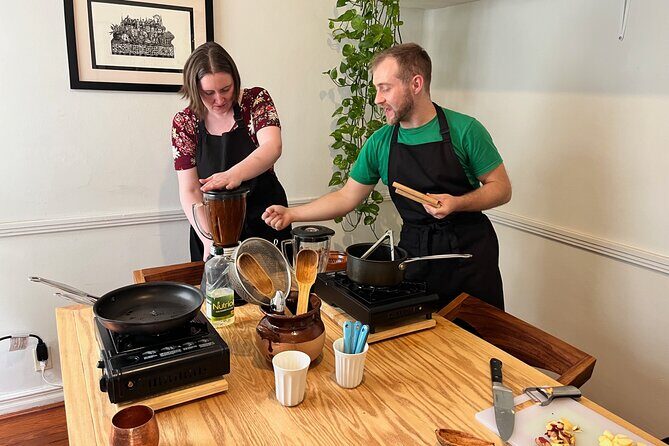
A mole class can go two ways. It’s either all theory and you leave hungry, or it’s just tasting and you don’t learn how the sauce actually gets made. This one does the useful middle ground: you cook the moles with direction, then you eat what you made.
Condesa also matters. The neighborhood vibe is relaxed and local, and the setting is intimate—more like getting invited into someone’s kitchen than being processed through a “tour factory.” With a small max group size of 8, you’re not shouting across a room, and you can actually pay attention to textures and cooking stages.
You can also read our reviews of more museum experiences in Mexico City

Meeting in Condesa: Av Nuevo León and a Realistic Timeline
You’ll meet at Av Nuevo León 4 in Colonia Condesa. The class runs about 4 hours, and it’s set up like a full meal day, not a quick snack demo.
A good clue for your expectations: the hands-on cooking happens first, then about two hours in you set the table and enjoy dinner. That timing keeps it from feeling rushed, and it gives the sauces time to come together without the class turning into a stopwatch contest.
English is offered, and confirmation arrives at booking, so you can show up ready to cook. Since the average booking lead time is around 25 days, plan early if your dates are fixed.
The Lesson Plan Behind the Apron
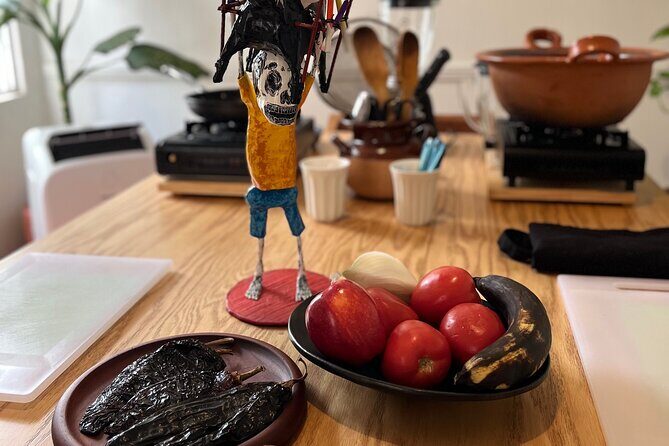
You’ll start by exploring Mexico’s mole diversity. The big idea is simple: mole isn’t one recipe you can lock in forever. It’s a family of sauces shaped by ingredients, technique, and regional preferences.
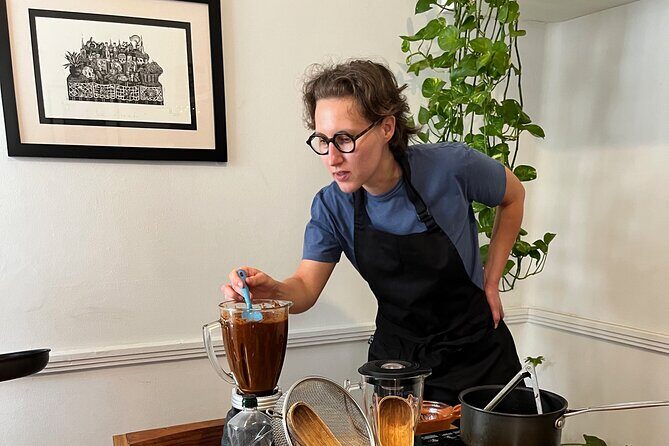
Then comes the practical part. You’ll get the ingredients and equipment, and a guide walks you through how to pick, combine, and prepare what goes into each sauce. Based on how guests describe the class, the teaching style focuses on making a long list of ingredients feel manageable—because it is, once you work through it step by step.
If you’re the type who loves cooking but hates guesswork, this format helps you build a mental map. Instead of memorizing a recipe, you learn what each stage is trying to do: deepen flavor, balance sweetness, and build body.
Manchamanteles: Red Mole with Pineapple, Plantain, and Apple
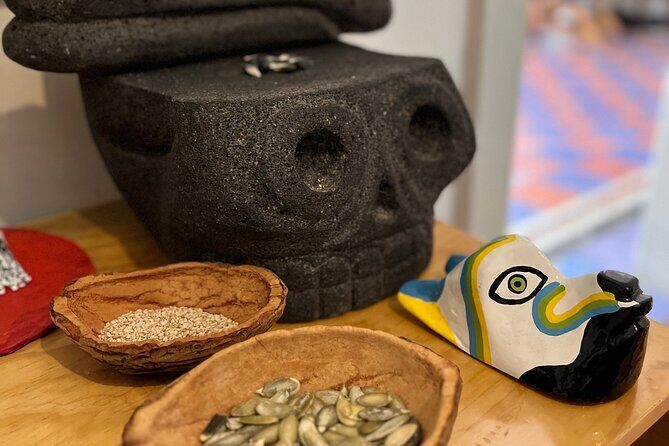
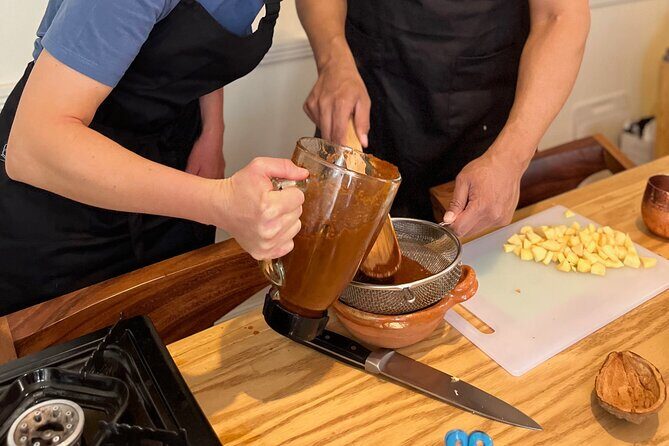
The red mole you’ll make is mole manchamanteles, described as decadent and spiced, with tropical fruit sweetness from pineapple and plantain plus apple. This is the kind of mole that helps you understand why people say mole tastes like work—because it layers flavors, not because it’s hard in a technical way.
You’ll also get why it gets compared to mole poblano. Manchamanteles shares similar ingredients and processes to that famous benchmark, but it goes a different direction. Instead of chocolate adding a dark, bitter note, the sweetness comes from fruit chunks and their flavor carried into the sauce.
Here’s what you should pay attention to while you cook: sweetness here isn’t dessert-sweet. It’s background sweetness that softens spices and rounds out the sauce. If you’ve only had heavier, darker moles before, this one can feel like a “same family, different personality.”
Mole Verde: Crisp Greens, Herbs, and Epazote
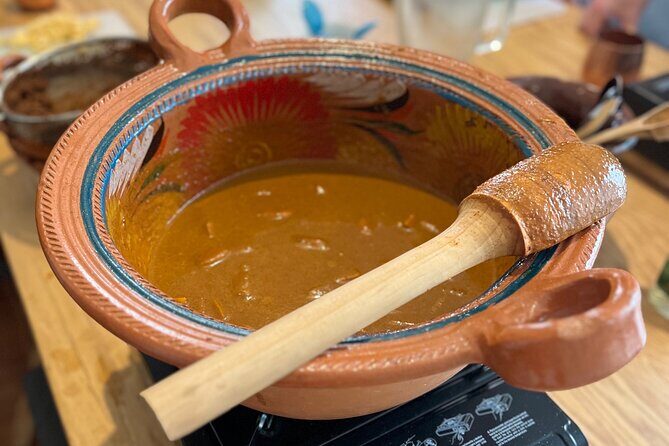
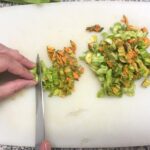
Your second main is mole verde, built on a base of crisp green leaves and a mix of herbs. The core ingredients listed for this class are spinach, cilantro, parsley, and epazote.
Green mole is the antidote to mole burnout. If red mole ever tastes too intense to you, mole verde makes sense fast: it’s lighter, fresher, and more herb-forward. And since epazote is part of the blend here, you’ll get a distinctly Mexican herb flavor that you might not encounter often outside the country.
Watch for the sauce’s “green” character as it comes together. You’re aiming for balance—herby without being sharp, and smooth without tasting like straight pesto. This class gives you the structure to get there, not just the final result.
You can also read our reviews of more tours and experiences in Mexico City


Dinner on Locally Made Plates: What You Actually Eat
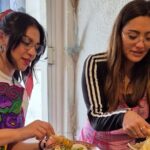
After cooking, you’ll set the table and enjoy dinner with locally made dinnerware. That sounds small, but it changes the whole experience. You’re not rushing to snap photos of a pot—you’re eating in a proper sit-down way, with the food you helped create.
You’ll have the two mole mains you cooked:
- Mole manchamanteles
- Mole verde
Dessert is included too. One practical note: the dessert is prepared before you arrive, so you’re not doing extra kitchen labor at the end. That’s a relief in a way that’s hard to describe until you’ve been in a cooking class that tries to turn you into staff for the full duration.
Drinks, Age Rules, and the Class Mood
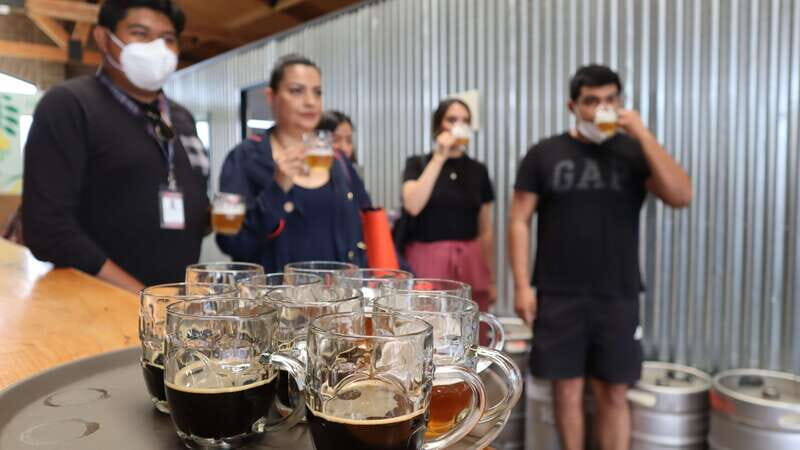
Those over 18 get Mexican beer and mezcal, while under-18 guests enjoy traditional local soft drinks. That’s a nice touch because mole often pairs well with something with a little bite—either carbonation or smoky spirits—so the meal stays lively.
The class still works without alcohol. You’ll be busy with chopping, mixing, stirring, and tasting, so the focus stays on the food, not the party atmosphere. Also, the group size max of 8 helps the vibe stay calm and conversational.
Price and Value: Is $107.60 Worth It?
At $107.60 per person for about 4 hours, this isn’t the cheapest thing on the Mexico City cooking scene. But value isn’t just cost per hour—it’s what you take home.
You’re paying for:
- Ingredients and equipment
- Guidance through cooking two moles from scratch
- Alcoholic beverages for adults (with soft drinks for others)
- A full dinner experience
- Dessert included
- Recipes emailed after the class
When you total that up, the price makes more sense. A mole kit you buy at home won’t teach you technique. A restaurant tasting won’t teach you why fruit sweetness changes the feel of spice and body. Here, you leave with a repeatable skill and a clear flavor comparison between two moles that you can actually cook again.
One extra money tip: you may see other pricing through the Martaja platform. If you’re watching your budget, compare prices before you lock everything in.
Home vs Rooftop Art Gallery: Where You’ll Cook
Your session may happen at a Condesa home, or on the rooftop of an art gallery. If your class is on the rooftop, check your inbox after booking for location details.
Why that matters: rooftop cooking can feel cooler and more open, but it also means weather plays a role and you should plan to dress for the conditions. If you hate carrying things around Mexico City, keep your bag simple, because you’ll want to move comfortably.
Either way, the experience keeps the focus on the food. The setting just changes the backdrop.
Dietary Needs, Cats, and Other Small Real-Life Notes
The class can accommodate most dietary requirements. That’s a big plus if you avoid certain ingredients or need swaps. For anything serious—like allergies that go beyond typical adjustments—ask questions early and be clear about your needs.
Remember the cat situation: two cats live in the house. If you’re sensitive, you’ll want to plan around it.
Accessibility is partial. Wheelchair users have attended before, but the building doesn’t have an elevator. If stairs or tight movement are a concern for you, contact the operator ahead of time so you can feel confident about the exact setup for your session.
Service animals are allowed, and the meeting point is near public transportation, which makes this easier than it sounds when you’re juggling a busy day in Mexico City.
Who This Mole Class Suits Best
This is ideal if you love cooking and want to understand Mexican flavors beyond the usual default. If you’ve tasted mole poblano and wonder what else “counts” as mole, this class gives you a strong answer fast.
It also works for couples and friends because the group size is small and the menu is built around two memorable sauces. If you’re traveling solo, you’ll still get plenty of attention, since the class isn’t trying to manage a crowd.
Skip it if you mainly want a quick, hands-off food experience. This is active. You’ll be involved with making and building the sauces, and you’ll learn because you’re doing.
Practical Tips So You Get the Most from 4 Hours
Here’s how to set yourself up for a smooth class day.
- Arrive a few minutes early and be ready to put your phone away for a bit. You’ll want full attention during tasting and technique.
- Wear comfortable shoes. You’ll likely move around as you cook and set the table.
- If you’re booking a rooftop session, dress for possible wind or shifting temperatures.
- If you’re an allergy sufferer, don’t just assume accommodations will cover it. Ask what’s possible for your specific triggers, especially given the cats.
- If you love cacao and chocolate-related flavors, don’t worry—you’ll still understand mole structure. This class just shows you how sweetness can come from fruit instead.
The overall goal is simple: treat it like learning to cook, not like watching a show. That mindset makes the recipes by email actually useful later.
Should You Book This Mole Class?
Yes, if you want a hands-on experience that teaches you how two different moles work at a flavor level. The combination of mole manchamanteles and mole verde is a smart way to understand the range—sweet fruit depth in one, bright herb freshness in the other.
You should think twice if cats are a problem for you or if stairs and no elevator would be difficult. Also, compare pricing with Martaja in case you spot a better rate.
If your goal is to leave Mexico City with a skill you can repeat at home, this class is one of the best ways to do it—because you’re not just eating mole. You’re learning why it tastes the way it does.
FAQ
What is the duration of the mole class?
The class lasts about 4 hours.
How much does it cost?
It costs $107.60 per person.
How many people are in the class?
The class has a maximum of 8 travelers.
What moles will I cook?
You’ll prepare two moles: mole manchamanteles and mole verde.
What is mole manchamanteles like?
It’s a red mole flavored with spices and tropical fruit such as pineapple and plantain, plus apple. It has a similar approach to mole poblano, but the sweetness comes from fruit rather than chocolate.
What is mole verde like?
It’s a green mole with a base made from crisp leaves and herbs, including spinach, cilantro, parsley, and epazote.
Is dessert included?
Yes. Dessert is included, and it is prepared before you arrive.
Are drinks included?
Yes. Adults over 18 are offered Mexican beer and mezcal, while others enjoy traditional local soft drinks.
Are dietary restrictions accommodated?
Most dietary requirements can be accommodated.
Is the location wheelchair accessible?
Wheelchair users have attended before, but the building does not have an elevator.