REVIEW · MEXICO CITY
Private Mexican Cooking Class with Gastronomic Historian, Lucia
Book on Viator →Operated by Traveling Spoon · Bookable on Viator
A home kitchen beats a studio every time.
This private Mexico City cooking class with Lucía is part cooking lesson, part food-history talk, and part long lunch with local drinks.
I love that you get a true private experience with an expert who can tailor what you cook, including vegetarian options. I also love that you’re not just copying recipes, you’re learning why ingredients and techniques became Mexican the way they are.
One consideration: at $145 per person, it’s best when you’re booking for a small group that will actually enjoy the hands-on pace and stay for the full meal.
In This Review
- Quick Highlights You Can Plan Around
- A Private Mexico City Kitchen: Why This Feels Different
- Lucía’s Food History Is Part of the Recipe
- Hands-On Cooking or Watch Closely: How the 3 Hours Work
- The Menu You’ll Cook: Seasonal Mexican Dishes With Real Depth
- What You Learn While You Cook (and What You Can Recreate)
- Lunch, Drinks, and Garden-Patio Time
- Getting There: Santo Desierto Meets Real Mexico City Neighborhood Life
- Price and Value: Is $145 Worth It?
- Who This Class Is Best For (and Who Should Skip It)
- Should You Book Lucía’s Private Cooking Class?
- FAQ
- How long is the private Mexican cooking class with Lucía?
- Is this experience private or shared with other groups?
- Do I have to cook, or can I watch?
- Is the class offered in English?
- What’s included with the class?
- Can Lucía accommodate vegetarian diets or allergies?
- Does the menu stay the same every time?
- Is there free cancellation?
Quick Highlights You Can Plan Around
- Gastronomic historian host: Lucía explains food as culture, not just directions.
- Hands-on or watch option: choose participation level for your group.
- Seasonal, local menu choices: dishes can shift, but the style stays authentic.
- Included meal plus local alcohol: you eat what you cook, paired with drinks like tequila or Mexican beer.
- A home setting (not a commercial studio): cooking happens in a real Mexico City residence with garden/patio time.
- Dietary accommodations: share allergies and preferences ahead of time, including vegetarian needs.
A Private Mexico City Kitchen: Why This Feels Different
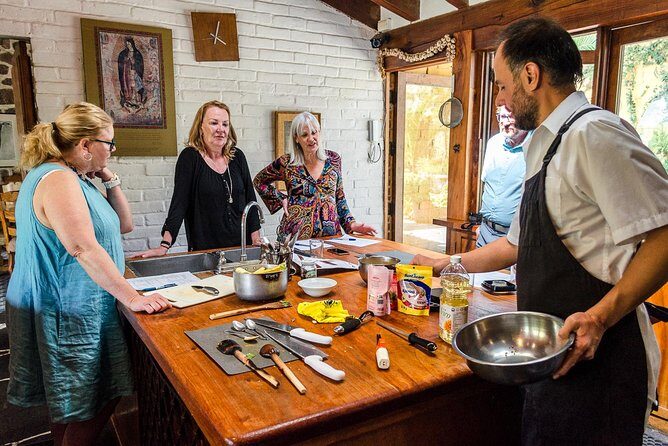
If you’ve done group classes in big studios, you already know the problem: too many people, too little attention, and everyone ends up cooking the same small corner of the meal. This class flips that. You’re invited into Lucía’s welcoming home environment, and the focus stays on your group.
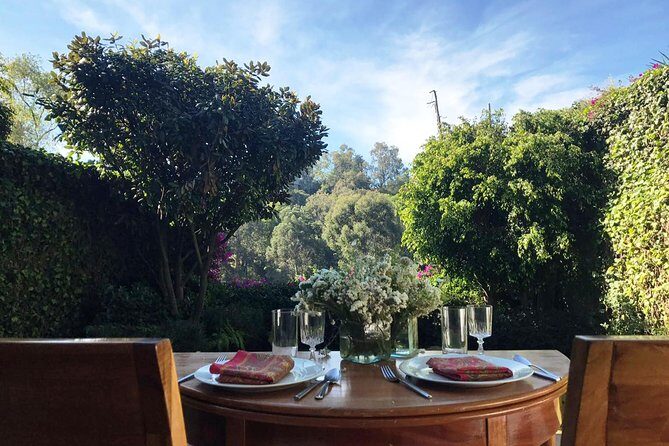
The home setting matters. You get a calmer rhythm, and it’s easier to ask questions without feeling rushed. Multiple reviews describe Lucía’s garden and patio as a lovely place to sit and eat, so the experience isn’t only about standing at a counter. It’s also about slowing down with what you made, with real conversation and not just a quick bite between stations.
You can also feel the difference in teaching style. Lucía isn’t presenting a performance. She’s teaching ingredients, technique, and context, so you leave knowing what to buy and how to adapt at home.
You can also read our reviews of more private tours in Mexico City



Lucía’s Food History Is Part of the Recipe
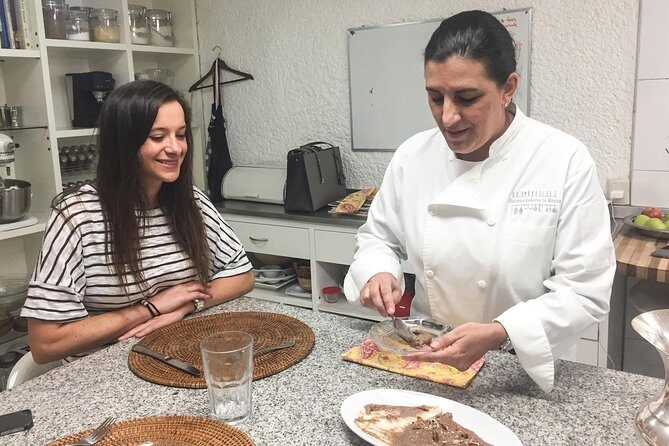
This isn’t only a cooking class. Lucía is a gastronomic historian, which changes how the lesson lands. Instead of treating Mexican food like a list of dishes, she connects each item to the cultures and influences that shaped it over time.
That shows up in the way she explains ingredients and why they belong together. It also comes through in the way groups describe her as both sophisticated and warm, with helpful guidance while you cook. In several accounts, she’s patient with kids and still keeps the adult cooking flowing, which is exactly what you want if you’re traveling as a family.
I like classes where the host teaches you a framework. Here, that framework is history plus hands-on method. You’re not memorizing steps. You’re learning how to think like a Mexican cook: taste, adjust, and understand what each element is doing.
Hands-On Cooking or Watch Closely: How the 3 Hours Work
You get a clear choice up front: you can cook with Lucía in a hands-on format, or you can watch a live cooking demonstration where her techniques are the main event. That choice is useful because different groups travel differently. Some people want to actively chop and stir. Others want to focus on learning, then take notes and recreate later.
Either way, plan for a full session that ends with a shared meal. The structure is built around actually making multiple dishes, not just one centerpiece. Your time is typically spent preparing several components across starter, main courses, and dessert, then sitting down to eat.
One practical bonus: this kind of pacing works well for groups who don’t want a chaotic “tourist cooking” vibe. You’re guided through what’s happening in the kitchen, then you get to enjoy the results in a patio setting rather than eating standing up in a hurry.
The Menu You’ll Cook: Seasonal Mexican Dishes With Real Depth
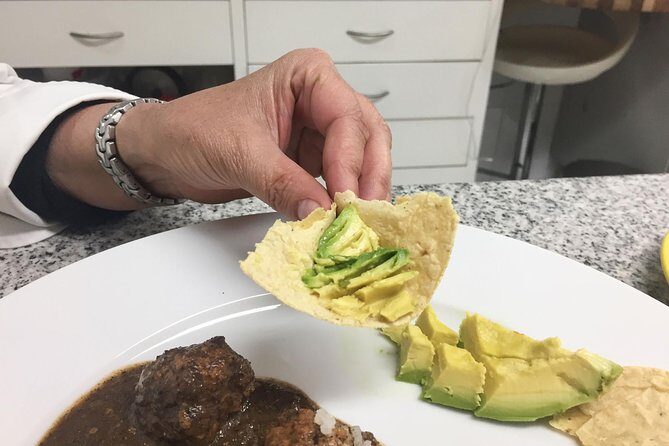
The menu can vary by season, but the style stays classic Mexican with some regional and specialty ingredients. Here’s a sample of the kinds of dishes that can appear.
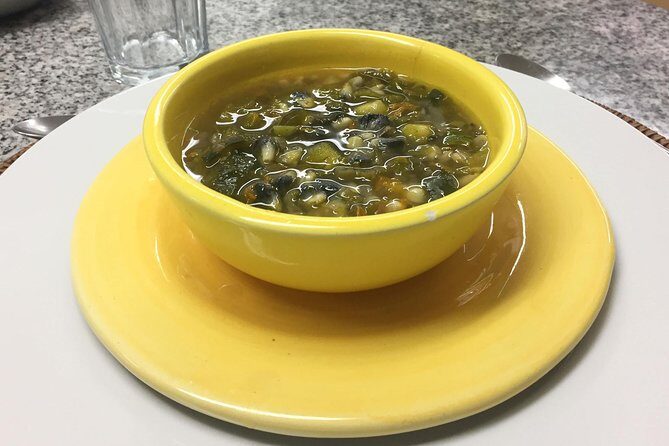
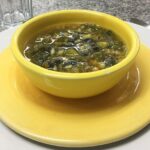
Starters (examples): nopalitos soup in bean broth, tortilla soup, and variations listed as lima soup, aztec soup, and aztec-style soup. Nopales are a strong Mexico City staple, and soups like this teach you how to build flavor with broth, beans, and the right balance of herbs and chilies.
Mains (examples): albóndigas en salsa de chile chipotle meco, chiles en nogada, and encacahuatado with chicken. You may also see pork in verdolagas (pork with purslane). These are not the typical “tour-only” picks, and that’s part of why people rate the class so highly. You learn dishes where the sauce is doing most of the work, and where you can taste how chili, nuts, and seeds behave once cooked down.
Rice and sides (examples): Mexican white rice, red rice, or black rice with platano macho (cooking bananas). Rice might sound simple, but it’s a great way to learn how color and flavor come from ingredients beyond just salt.
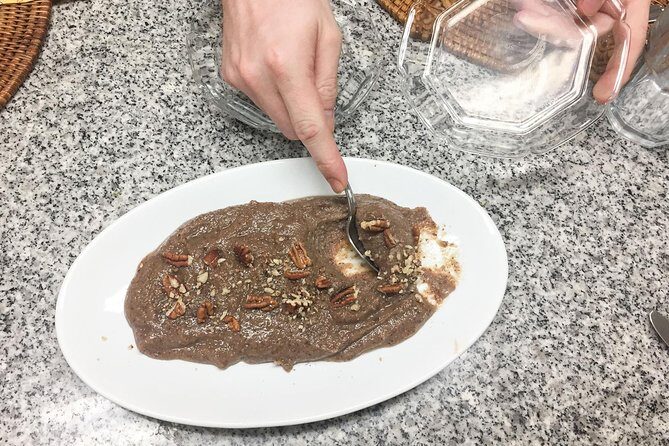
Desserts (examples): dulce de guayaba, dulce de mamey, flan de cajeta, or gollorias, plus coffee or tea.
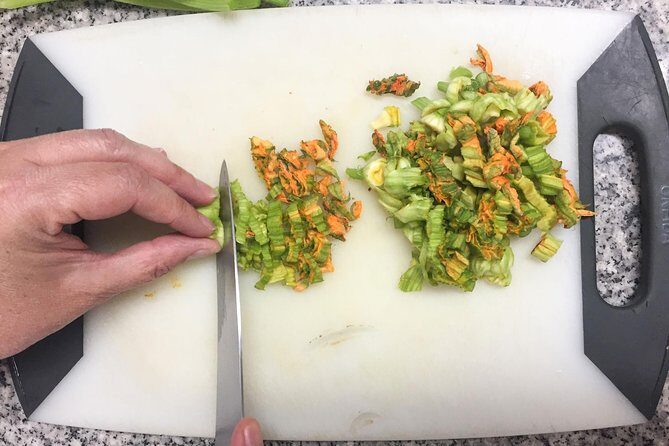
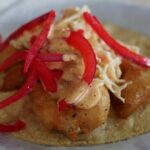
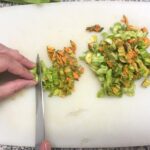
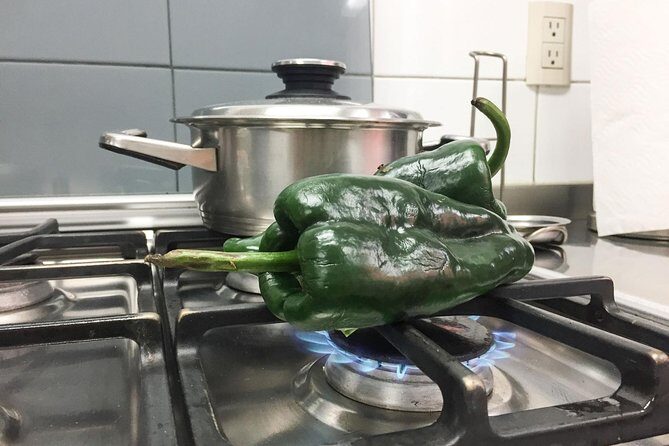
Now for the part that you’ll actually care about: the class often includes multiple options so your group can pick what fits best. Some experiences described choosing among different main dishes, like stuffed poblano, and learning salsas and quesadilla styles along the way. You may also cook ingredients that many people have never tasted, like huitlacoche or squash blossoms, depending on what’s in season.
That’s the value. You’re not only learning “how.” You’re expanding your ingredient comfort zone. And once you’ve tasted roasted squash blossoms or earthy huitlacoche in a real cooking context, you stop treating them like curiosities and start treating them like real food you can cook again.
What You Learn While You Cook (and What You Can Recreate)
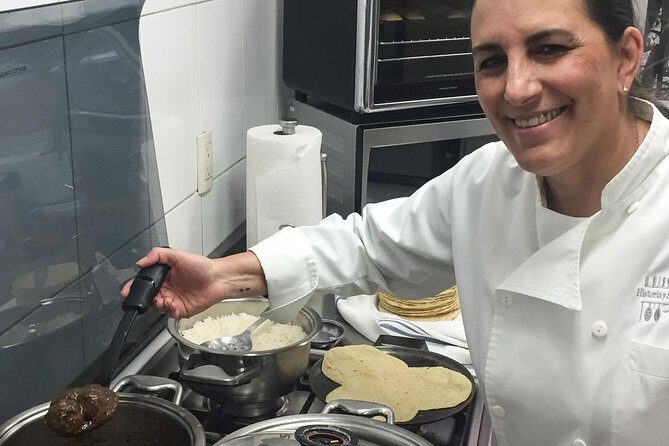
A lot of cooking classes stop after instructions. This one tends to go further, because Lucía doesn’t just move you from step to step. She shares small tips that make recipes easier at home.
From the teaching style described in multiple accounts, expect guidance that’s practical and transferable: how to work salsas, how to balance sauces so they taste layered, and how to handle traditional ingredients without being intimidated by names you don’t see at home.
You can also ask questions as you go. Groups mention that Lucía offers helpful planning advice beyond the meal, and that she can tailor the class and menu to what matters to your group. If your family wants a vegetarian menu, or if you need adjustments for allergies, she’ll work with you as long as you share the details at booking.
This is also why the class is such a good “vacation to home” bridge. You leave with stories and technique cues, and you get recipes delivered afterward in at least some cases. That makes it easier to reproduce your favorites, like salsa verde, guava dessert, or the specific sauce you loved most.
You can also read our reviews of more cooking classes in Mexico City
Lunch, Drinks, and Garden-Patio Time
After cooking comes the part most people actually remember: eating where you cooked. Several descriptions mention sitting outside on a patio with garden views and a relaxed atmosphere.
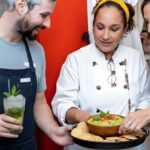
You’ll get your meal, and alcoholic beverages are included. The drinks can include local options like Mexican beer or tequila, paired alongside the food. This doesn’t turn the class into a party, though. The pacing stays about food and learning, and the drinks feel like a normal Mexico City dinner pairing rather than something tacked on.
If you like meals that feel like a shared event instead of a transaction, you’ll probably enjoy this format. It’s not just lunch. It’s lunch with context—what you made, why it tastes the way it does, and how it fits into Mexico City food life.
Getting There: Santo Desierto Meets Real Mexico City Neighborhood Life
The experience starts back at the meeting point, beginning near Santo Desierto, Tizampampano, Ciudad de México, CDMX, Mexico. You end the activity back at the same meeting spot.
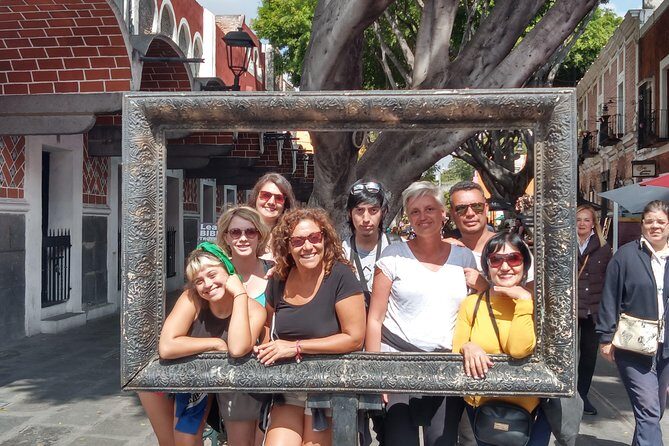
Several accounts highlight that the home and garden setting is in the San Ángel area, which is a handy plus for you. If you’re staying somewhere central, you can often add a neighborhood stroll before or after. People mention cobblestone streets and colonial-style architecture, which makes the time around the class feel more like a day out than just a booked activity.
It’s also noted as near public transportation. So if you don’t want to rely entirely on ride-hailing, plan for a short walk from a nearby transit point.
A quick practical note: in at least one account, Google maps brought someone to the wrong place, so it’s smart to use the address details you receive for the actual meeting location.
Price and Value: Is $145 Worth It?
At $145 per person for about 3 hours, this is not a budget activity. But value here is about what you’re buying.
You’re paying for:
- A private class rather than a shared studio session
- An expert host who teaches food history and technique, not just recipes
- Multiple dishes cooked as a group
- Your lunch included, plus alcoholic beverages
The price starts making more sense when you compare it to high-end dinners. Reviews call out that some families felt it rivaled or beat meals they’d had at top restaurants. Even if you don’t use that comparison, the logic holds: the ingredient quality, the guided teaching, and the meal you eat are all part of the package.
One thing to consider: it may be best suited for smaller groups. One review specifically said it’s best for about 3 to 4 max for a hands-on class. If you’re traveling with a larger group, you’ll still likely have a great time, but you may want to confirm how participation is handled so everyone gets time in the cooking flow.
Who This Class Is Best For (and Who Should Skip It)
Book this if you want:
- A small, private experience that feels personal
- A host who teaches the why behind Mexican food
- A menu that goes beyond the usual tourist trio of tacos, guac, and chips
- A mix of cooking and sitting down to eat somewhere beautiful
It may be less ideal if:
- You only want a quick, beginner-friendly demo with zero history or discussion
- You’re trying to keep the trip extremely cheap (this is a premium, included-meal experience)
It also fits families well. Several groups described Lucía as kind and patient with kids, and one account mentioned toys provided so younger guests could enjoy the garden while adults cooked.
Should You Book Lucía’s Private Cooking Class?
My take: yes, if you want a class that feels like a real evening in Mexico City, not a checklist activity. The biggest selling points are the historian framing, the private home setting, and the fact that you cook and then eat a full menu with drinks included.
Before you book, do two things:
- Share allergies and dietary restrictions early so Lucía can design the menu safely.
- Decide whether your group wants hands-on participation or a more watch-and-learn pace.
If that sounds like your kind of travel day, this is an excellent way to connect with Mexican cooking at a level that actually sticks.
FAQ
How long is the private Mexican cooking class with Lucía?
The class lasts about 3 hours.
Is this experience private or shared with other groups?
It’s private. Only your group participates.
Do I have to cook, or can I watch?
You can choose. The experience offers either a hands-on cooking format or a live cooking demonstration where you watch Lucía’s techniques.
Is the class offered in English?
Yes, the experience is offered in English.
What’s included with the class?
You’ll prepare and enjoy a meal, and alcoholic beverages are included. Options mentioned include Mexican beer or tequila.
Can Lucía accommodate vegetarian diets or allergies?
Yes. Vegetarian options are available, and you can advise her of allergies, dietary restrictions, or cooking preferences at booking.
Does the menu stay the same every time?
The menu may vary depending on the season.
Is there free cancellation?
Yes. You can cancel for a full refund up to 24 hours before the experience starts.
If you want, tell me your group size and any dietary needs, and I’ll help you decide whether the hands-on or watch format fits best.