REVIEW · MEXICO CITY
3h Cooking Class in Mexico City: 8 Recipes & Bottomless Drinks
Book on Viator →Operated by Cook in Fiesta · Bookable on Viator
A real Mexico City kitchen beats any screen. I love how hands-on this class feels, with small-group, personalized coaching from Chef Aremi and a true meal you build yourself. I also like that you tackle eight different recipes—not just one or two “Instagram dishes.” One thing to keep in mind: at $110, it’s a splurge, so it’s best if you genuinely want a cooking-focused evening, not just a casual tasting.
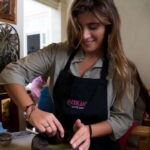
You start inside a local home kitchen in Roma Sur and meet your host and fellow travelers right there. Aremi’s vibe is described as welcoming and laid back, the kind of atmosphere where you can ask questions while you chop, stir, and taste. No prior cooking experience is required, but you will still leave with real take-home methods (even if a perfect mole sauce takes practice).
In This Review
- Key things that make this Mexico City class worth your time
- Inside a Roma Sur home kitchen, with Chef Aremi leading
- The big deal: eight recipes, not a sampler plate
- Starters: guacamole, mini sopes, and street corn (esquites)
- More starters: Jamaica water and the mezcal moment
- Mains: tostadas, fried corn quesadillas, and salsa verde
- A sweet finish: camote en tacha and arroz con leche
- What you sip: margaritas, mezcal, and bottomless drinks (plus options)
- The Mexico City skills you’ll actually use at home
- How the class runs: hands-on, then sit down and eat together
- Price and value: is $110 fair for a Mexico City cooking class?
- Timing, getting there, and what to plan for
- Who should book this class (and who might not love it)
- Should you book this Mexico City home-kitchen cooking class?
- FAQ
- What is the duration of the cooking class in Mexico City?
- How many dishes will I cook?
- Is prior cooking experience required?
- Are drinks included?
- Can you accommodate food allergies or intolerances?
- Is the class conducted in English?
- Is transportation or a transfer included?
Key things that make this Mexico City class worth your time
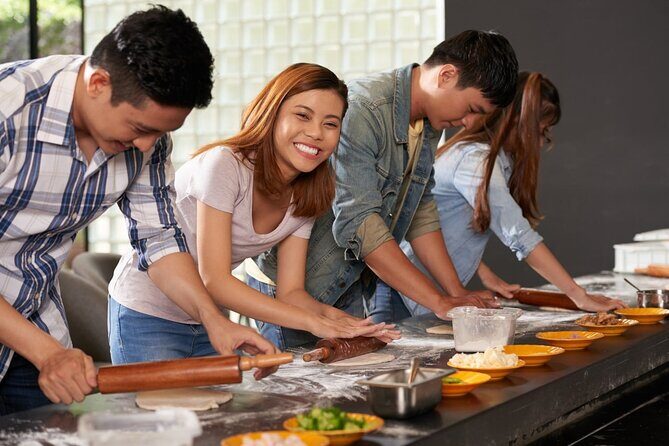
- A max group size of 6 means you get actual attention, not stand-in-the-background energy
- Eight recipes in one session covers starters, mains, and dessert so you leave with a full picture
- Bottomless drinks while you cook turn the class into a social meal, not just a lesson
- Chef-led, step-by-step guidance helps you learn methods you can repeat at home
- Digital recipes plus a Mexico City Food Guide give you a plan beyond this night
- Food allergy/intolerance support is built in if you tell them in advance
Inside a Roma Sur home kitchen, with Chef Aremi leading
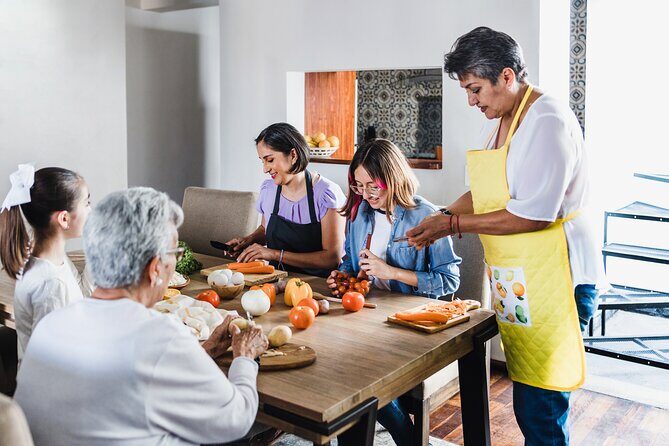
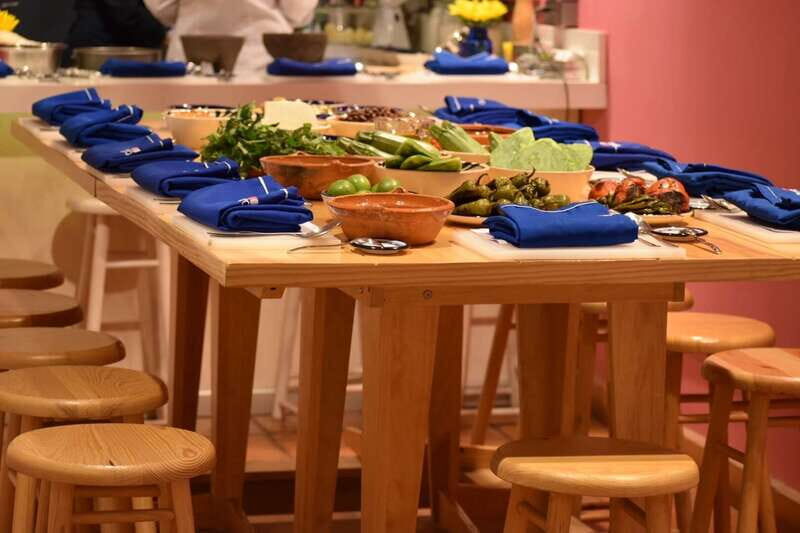
This is the kind of cooking class you’ll remember because it doesn’t feel staged. You meet at C. Bajío 263 in Roma Sur (Cuauhtémoc), then you move straight into a home kitchen where local ingredients and everyday habits guide the cooking. The experience is run in English, and confirmation is sent at booking so you know what you’re walking into.
What makes the host part matter is the way it changes the pace. With Chef Aremi (mentioned by name), the class feels friendly and practical. People describe her as welcoming and casual, and that matters when you’re learning knife skills, seasoning, and timing. Even if you’re not a “cook at home” person, you’ll still feel like you can do this.
The group stays small—up to 6 travelers—so you’re not stuck waiting your turn for every step. That’s a real value point here. Cooking classes with bigger groups often turn into “watch and snack.” This one keeps you engaged.
You can also read our reviews of more city tours in Mexico City


The big deal: eight recipes, not a sampler plate
The session is about 4 hours total (listed as approx.), and the flow is built around cooking, eating, and drinking together. You’re not just tasting; you’re assembling dishes that represent different corners of Mexico City eating—street-style, home-style, and classic desserts.
Here’s the lineup you can expect, with what each part teaches you and why it’s fun.
Starters: guacamole, mini sopes, and street corn (esquites)
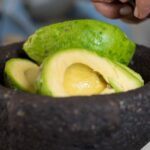
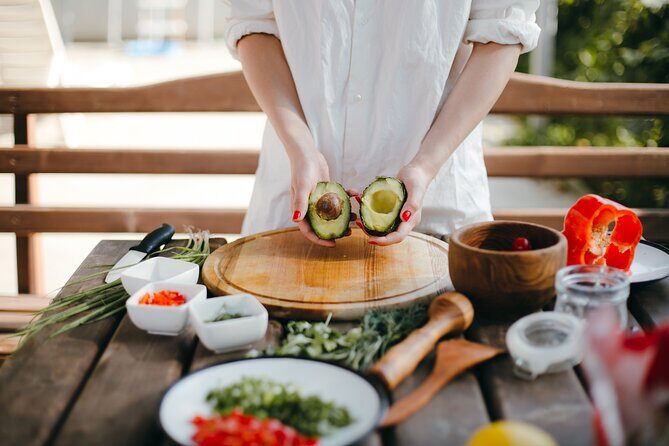
You begin with Guacamole with Pico de Gallo. You’ll mash and season avocado with tomato, onion, cilantro, and serrano chili, plus the all-important balance of salt and bite. Guacamole sounds simple until someone shows you how to get it creamy without making it taste flat.
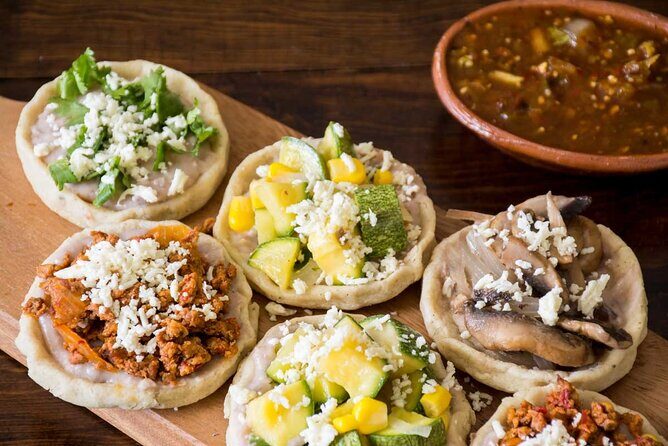
Then come Mini sopes with refried beans and fresh cheese. Sopes are thicker corn masa bases with toppings, and that structure teaches you something useful: masa isn’t just a wrapper. It has texture and “bite,” and the toppings matter more than they look.
Next is Mexican street corn (esquites). This is corn dressed with mayo, cheese, lime, and chili powder—classic, tangy, and addictive. It’s also a great lesson in layering flavors: cool richness, bright acid, and a heat that shows up afterward.
More starters: Jamaica water and the mezcal moment
You’ll also make Jamaica water, a hibiscus drink made from dried local flowers. It’s not just a palate cleanser. It shows you how Mexican drinks can be floral, tart, and lightly sweet without needing fancy equipment.
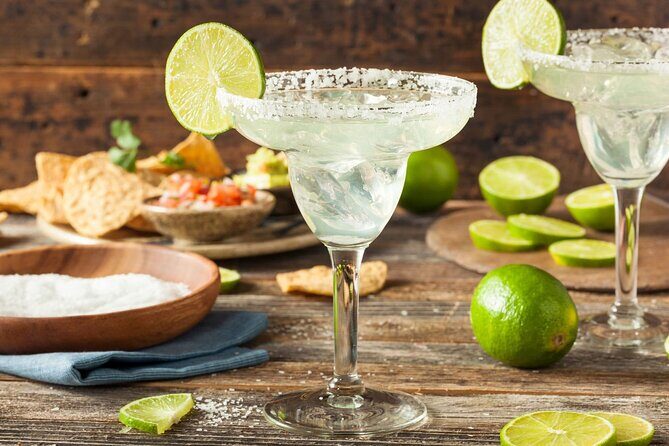
Later in the meal, you’ll do Mezcal-margarita with gusano salt. The mezcal adds smokiness, and the worm salt is a traditional twist (the kind of detail you won’t get from a guidebook). If you’d rather go non-alcohol, you can ask for virgin versions of the drinks.
Mains: tostadas, fried corn quesadillas, and salsa verde
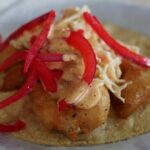
You move into the “make it crispy, then load it” phase with Tostadas with Chicken tinga or mushrooms. Tostadas depend on crunchy corn tortillas and a topping with enough sauce to be flavorful without turning soggy. Chicken tinga brings a tomato-and-chile depth; mushroom versions add an earthy, savory angle. Either way, you’re learning how Mexican stews function as topping systems.
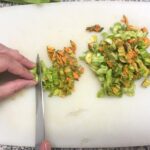
Then you cook Fried corn quesadillas. The optional cheese is Oaxaca cheese, and the filling choice can include chicken tinga, mushrooms, or huitlacoche (seasonal). Huitlacoche is corn fungus—strange to some people at first glance, unforgettable once you try it. It’s one of those foods that makes the class feel like more than a generic cooking demo.
You’ll also cover Classic green salsa made with tomatillos and dried chiles. Tomatillo-based salsa has a bright, slightly citrus edge, and dried chiles bring deeper heat. This is one of the sauces you can actually replicate at home, and it gives you a “base” you’ll reuse.
You can also read our reviews of more cooking classes in Mexico City
A sweet finish: camote en tacha and arroz con leche
For dessert, you’ll cook Camote en tacha—sweet potatoes cooked in piloncillo syrup with cinnamon and clove. Piloncillo is one of those ingredients that changes everything: it brings caramel-like sweetness and a warm spice aroma.
Then comes Arroz con leche, a traditional rice pudding flavored with cinnamon and Mexican vanilla. It’s comforting and spiced, and it lands well after all the savory dishes and drinks.
What you sip: margaritas, mezcal, and bottomless drinks (plus options)
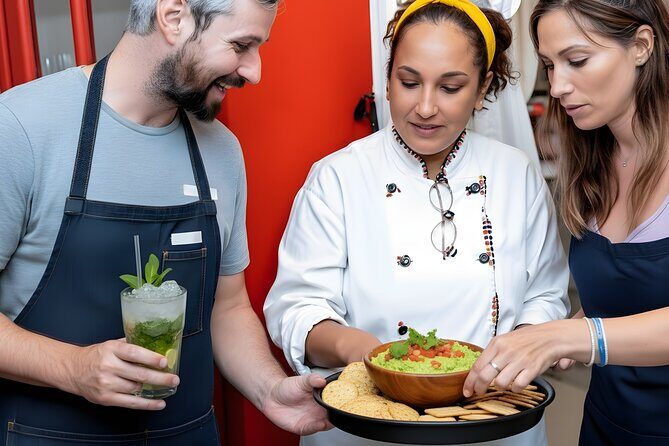
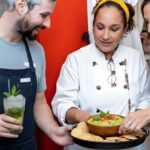
Food classes are only as fun as the pacing, and the drinks here are part of that rhythm. You’ll have unlimited drinks during the meal time, and there’s a homemade margarita as well as a complimentary glass of wine when you sit down to eat.
One practical note: the exact drink mix can vary by the session. In one host explanation, a participant chose bottomless punch instead of margaritas. Translation for you: don’t assume it’s always the same cocktail. The common thread is lots of drink options, plus the chance to pick what you prefer.
If you don’t drink alcohol, the host can make virgin versions of the drinks. That’s a nice detail because it lets you enjoy the flavor experience without turning the night into an abstinence exercise.
And the drinks aren’t just “extra.” Hibiscus water, mezcal-based drinks, and salsa paired with food all reinforce flavor balance. You learn what bright acidity tastes like next to rich corn, and what smoke tastes like next to creamy avocado.
The Mexico City skills you’ll actually use at home
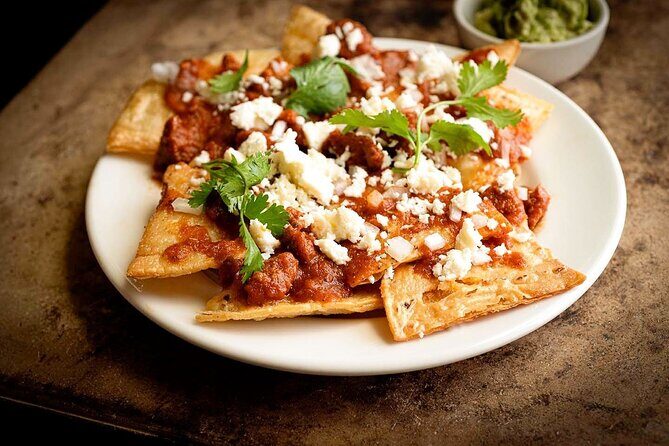
The best part of a cooking class isn’t memorizing recipes. It’s learning the small decisions that make food taste right—things you can’t fully capture from a cookbook.
This one is built around step-by-step guidance that focuses on practical methods. You’ll learn how to season and balance: how guacamole needs sharpness (serrano and lime-adjacent brightness from pico de gallo), how green salsa depends on both tomatillo tang and dried chile depth, and how tostada toppings need the right thickness and texture to stay crunchy.
Even the structure of the meal teaches technique. Sopes show you how to build with masa. Quesadillas show you heat control and folding. Street corn shows you how mayo, lime, and cheese should taste together before you even think about the chili powder.
There’s also a “real-life” takeaway: you get a digital recipe book to recreate everything, plus a curated Mexico City Food Guide to keep exploring local flavors after the class. That matters if you want more than one good meal.
And yes, one person singled out the difficulty of copying a specific sauce (mole was mentioned), which is fair. Some sauces depend on timing and touch. You’ll still leave with the process so your next attempt gets closer.
How the class runs: hands-on, then sit down and eat together
You don’t need to bring anything. All ingredients, utensils, and an apron are provided, and the experience starts inside that home kitchen. A “hands-on” class can still vary in how much you do, but the overall structure is clear: cooking happens step-by-step while the host guides you, then you gather to eat what you made.
Candid photos are taken by the host so you have memories without juggling a phone the whole time. (If you love taking selfies while cooking, you may find yourself doing that anyway—one participant mentioned it.)
When the meal is ready, you toast with the homemade margarita and also enjoy the dishes you created. The combination of bottomless drinks and a shared table is what makes the class feel like a night out with a food-obsessed friend rather than a stiff lesson.
Price and value: is $110 fair for a Mexico City cooking class?
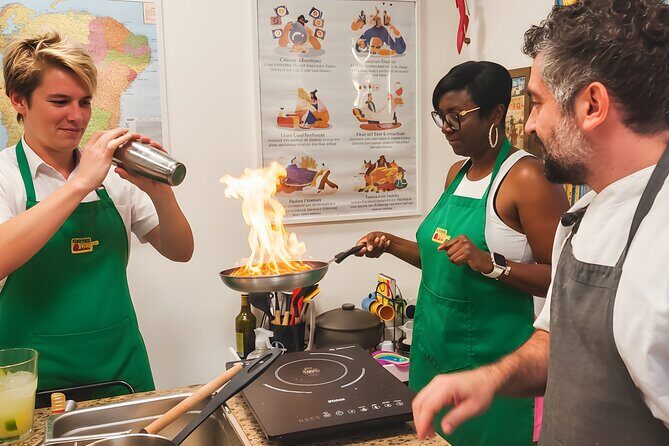
At $110 per person, this isn’t a bargain. But pricing in Mexico City for small-group, chef-led home-kitchen classes often reflects three costs: time, hands-on instruction, and ingredients that support a full meal.
Here’s the value math in plain terms:
- You’re getting eight recipes plus drinks, which means more than a “two-item tasting.”
- You’ll get a digital recipe book and a Mexico City Food Guide, extending the value beyond the evening.
- The group cap at 6 travelers helps ensure your money buys attention, not just participation.
If your goal is a quick bite of Mexican food, this may feel pricey. If your goal is learning technique and tasting a full range of Mexico City favorites you can recreate, it starts to feel like a solid splurge.
Also, the class is listed with a 5-star experience guarantee and money-back safety. That doesn’t mean you should gamble—but it does reduce risk when you’re booking an activity that’s so dependent on the host’s style.
Timing, getting there, and what to plan for
This experience ends back at the meeting point, and transfer isn’t included. The good news is that it’s near public transportation, so you can likely reach it without hiring a car. Still, you should plan how you’ll get back after the drinks.
The class is offered with a mobile ticket, so keep an eye on your phone for the ticket and any confirmation details. Confirmation is received at booking.
Because drinks are part of the experience, consider eating lightly beforehand or bringing water habits into the evening. You’ll likely leave full—and one of the benefits of bottomless drinks is you don’t have to ration your enjoyment. Just plan your return transportation accordingly.
Who should book this class (and who might not love it)
I think this fits best if you want a cooking class that stays practical and social.
You’ll probably love it if:
- You like hands-on lessons and want to build real confidence cooking Mexican food at home
- You want a menu spread across starters, mains, and dessert, not just one highlight dish
- You enjoy meeting a local and learning stories while you cook (Aremi’s hosting style is repeatedly described as welcoming and friendly)
You might want to consider something else if:
- You’re shopping only for the cheapest way to eat Mexican food
- You don’t want alcohol included in the experience
- You prefer cooking classes that feel more formal and less casual
One more practical tip: menus can include variations depending on what’s seasonal (huitlacoche is noted as seasonal). If you have strict likes or dislikes, reach out in advance and ask how substitutions work.
Should you book this Mexico City home-kitchen cooking class?
If you’re the type of traveler who remembers meals because you learned something—seasoning, texture, timing—this is a strong yes. The biggest selling point is the combo of small-group attention and eight dishes you actually cook, not just sample.
Booking makes less sense if you’re price-sensitive or you only want a brief taste. In that case, look for a lighter tasting tour rather than a hands-on meal class.
My best advice: book it if you want an evening where you leave with recipes, flavor knowledge, and the confidence to cook Mexican food again. Then show up hungry, wear something comfortable for standing and chopping, and be ready to enjoy the ride with Chef Aremi in her home kitchen.
FAQ
What is the duration of the cooking class in Mexico City?
It’s listed at about 4 hours (approx.), with the cooking and meal experience included.
How many dishes will I cook?
You’ll prepare eight recipes during the class, ranging from starters to mains and dessert.
Is prior cooking experience required?
No prior cooking experience is necessary.
Are drinks included?
Yes. The experience includes unlimited drinks, and you’ll also have a homemade margarita and a complimentary glass of wine as part of the meal.
Can you accommodate food allergies or intolerances?
Yes. You can let them know in advance, and the host can accommodate allergies or intolerances.
Is the class conducted in English?
Yes, it’s offered in English.
Is transportation or a transfer included?
No. Transfer is not included, and the experience is near public transportation. You meet at C. Bajío 263, Roma Sur, Cuauhtémoc, 06760 Ciudad de México, CDMX, Mexico.