REVIEW · MEXICO CITY
Mexico City: Authentic Mexican Cooking Class & Market Tour
Book on GetYourGuide →Operated by Aura Cocina Mexicana · Bookable on GetYourGuide
Market-to-stove learning beats another museum day. You start at Mercado de Medellín in Roma Norte, then cook a hands-on 4-course Mexican meal in an intimate studio. I love how the class teaches you technique (not just recipes), and I love the fact that the lunch comes with tastings and real drink pairings. One drawback: the tasting list can include spicy chile and insect snacks, and the menu can include nuts—so if you have nut allergies or you hate surprises, think twice.
You’ll likely work with friendly chef-guides who bring energy and clear instruction—names like Mariana, Pamela (often called Pame), Lorena, and Kristel have shown up in past groups. With a small group capped at 7 people, you get enough attention to actually build confidence before you leave with printed recipes in hand.
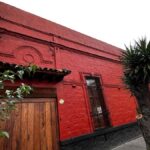
Plan on finding the meeting point yourself. There’s no hotel pickup, and Medellín street numbers aren’t in sequence, with the easiest landmark being between Chiapas and Tapachula.
In This Review
- Key Things I’d Prioritize in This Tour
- Roma Norte Studio Start: Fresh Drinks, Coffee, and a Cooking Mindset
- The Mercado de Medellín Market Tour: Learning the Grocery That Feels Like a Neighborhood
- Native Corn and Quesadillas: Why Nixtamalization Changes Everything
- Chiles, Raw Cacao, and the Insect Snack Moment
- Back to the Studio: Antojitos, Sopes, and Salsa Control
- Mextlapiques and White Mole: Prehispanic Roots Meets Central Mexico Celebrations
- Pastel de Elote and the Lunch Pairings That Make It a Meal
- Price and Value: What $204 Really Buys You in Mexico City
- Who Should Book This Cooking Class in Roma Norte
- Should You Book? My Honest Take
- FAQ
- How long is the Mexico City cooking class and market tour?
- Where does the tour meet?
- What’s included in the price?
- Are drinks included?
- What dishes will you cook during the class?
- Is this a small group experience?
- What language is instruction offered in?
- Do you provide an apron?
Key Things I’d Prioritize in This Tour
- Mercado de Medellín, Roma Norte: See where ingredients actually come from before you cook.
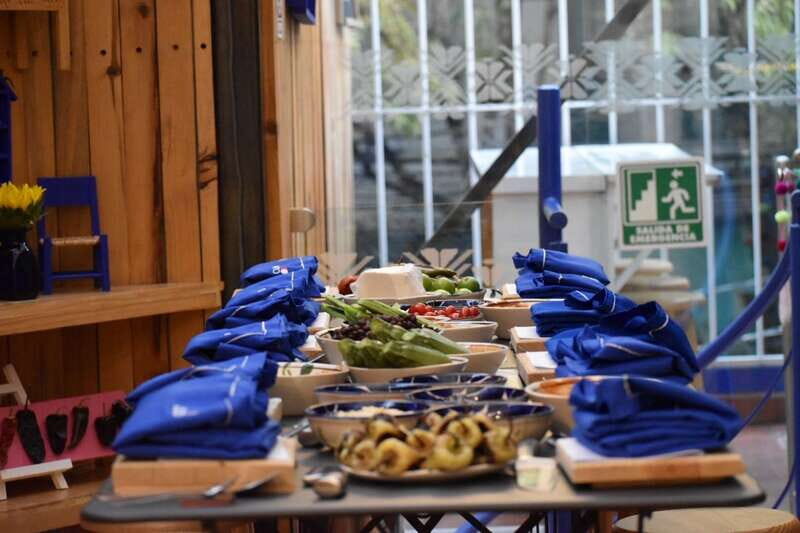
- Intimate cooking studio: A designed, calm space to learn without feeling like you’re in a cafeteria line.
- Nixtamalization in action: Native corn + the traditional process for true corn flavor.
- Salsas and chili education: You taste and learn how chile changes the whole dish.
- Hands-on 4-course menu: Antojitos, mextlapiques, white mole, and pastel de elote.
- Alcohol pairings built into lunch: Mexican craft beer, mezcal from Oaxaca, and wine from Valle de Parras.
Roma Norte Studio Start: Fresh Drinks, Coffee, and a Cooking Mindset
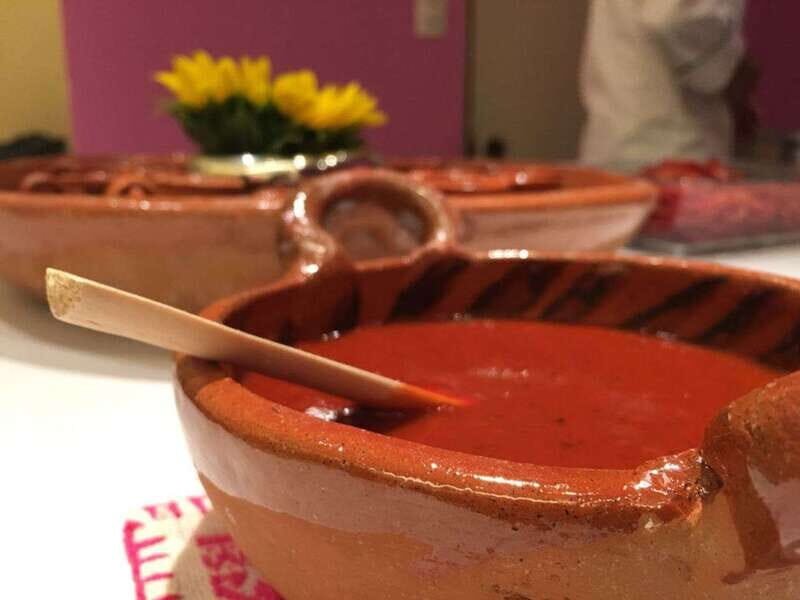
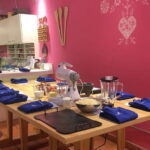
The day begins in a contemporary-designed cooking studio in Roma Norte. It’s the kind of place that makes you want to roll up your sleeves—intimate, well kept, and set up for group cooking instead of passive watching.
Before you go anywhere, you’ll get a welcome drink: an agua fresca to refresh you. You’ll also have coffee from selected Mexican coffee beans or an infusion option while your chef-guide sets the tone and shares background on Mexican cuisine—enough context to help you understand what you’re about to do.
The practical win here is pace. You’re not thrown into chopping and tasting without any structure. You get the warm-up, then you head out walking distance to the market so the ingredients you’ll buy in your head become real by the time you cook them.
You can also read our reviews of more city tours in Mexico City
The Mercado de Medellín Market Tour: Learning the Grocery That Feels Like a Neighborhood
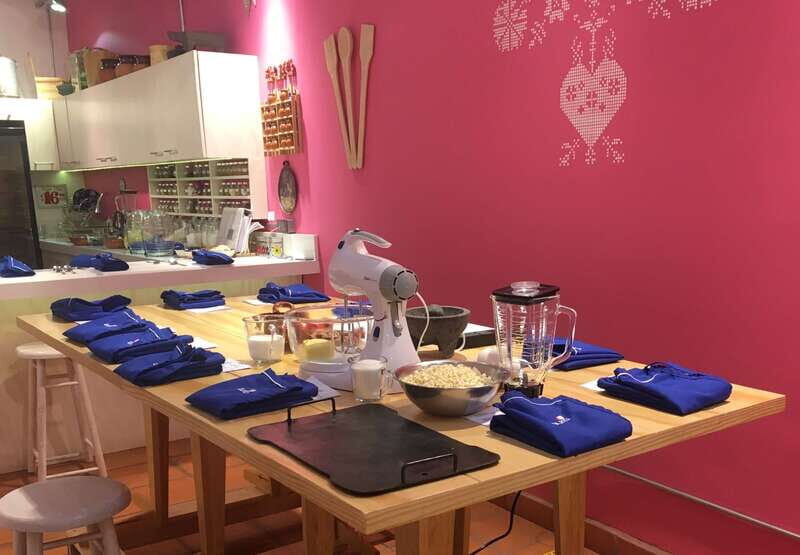
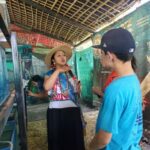
Market time is the core of this experience. You walk to Mercado de Medellín, one of Roma Norte’s main markets, and you tour the halls with a focus on how the market works.
You’ll learn about organization and what you’ll find where. That matters more than it sounds: markets aren’t just for sightseeing. If you understand how stalls cluster by ingredient type and what a vendor is known for, you’ll shop smarter later.
You also get tastings along the way, which helps you connect flavors to ingredients instead of copying recipes blindly. Expect a lot of color, strong aromas, and frequent stops for quick explanations—enough to keep you engaged, without turning the whole thing into a lecture marathon.
One thing to consider: you’ll do real walking. It’s within reach from the studio, but your shoes should be comfortable, especially if you’re doing the route at a slower, learning-focused pace.
Native Corn and Quesadillas: Why Nixtamalization Changes Everything
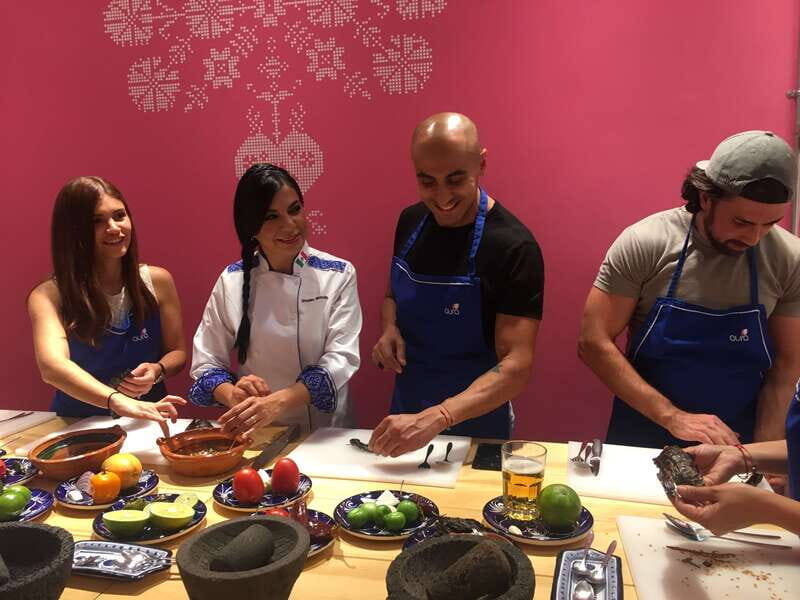
A standout stop is at an organic tortillería where you can see traditional nixtamalization. This is where corn dough starts to make sense.
Nixtamalization is the key step that transforms corn: you’re not just using corn kernels, you’re preparing corn in a way that affects flavor, texture, and how the dough behaves. Seeing the process gives you a mental model you can actually use later when you cook corn-based dishes at home.
You’ll taste quesadillas made with native corn from this tortillería. That’s not just a snack; it’s proof of concept. If you’ve ever wondered why corn tortillas from Mexico City taste different from what you buy elsewhere, this part of the tour is the answer.
If you’re food curious, you’ll appreciate that the tour doesn’t stop at tasting. It shows you the method behind the taste, which is the difference between eating and learning.
Chiles, Raw Cacao, and the Insect Snack Moment
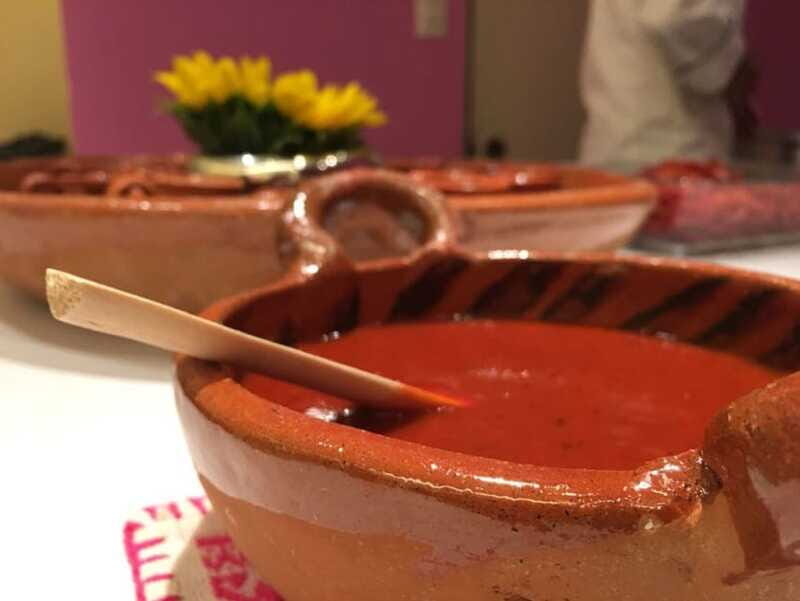
This part of the market tour is where Mexico City gets playful. You’ll visit a chili stand to learn about different varieties, then taste your way through what those chiles can do.
After that, you’ll try 100% raw cacao and handmade artisanal chocolate from Oaxaca. The contrast is helpful: cacao straight first, then a crafted chocolate experience. You start noticing bitterness, aroma, and how sweetness can be built without overpowering the cocoa character.
Then comes the menu’s most eyebrow-raising tasting option: exotic bugs. You might encounter crickets, chicatana flying ant, and chinicuil worm. The point isn’t shock value—it’s showing that traditional eating in Mexico can include protein sources that many visitors never think about.
If insects are a hard no for you, keep in mind that the experience is structured around these tastings. You can still learn a lot from the rest of the market and cooking, but this element is part of the flavor education.
Back to the Studio: Antojitos, Sopes, and Salsa Control
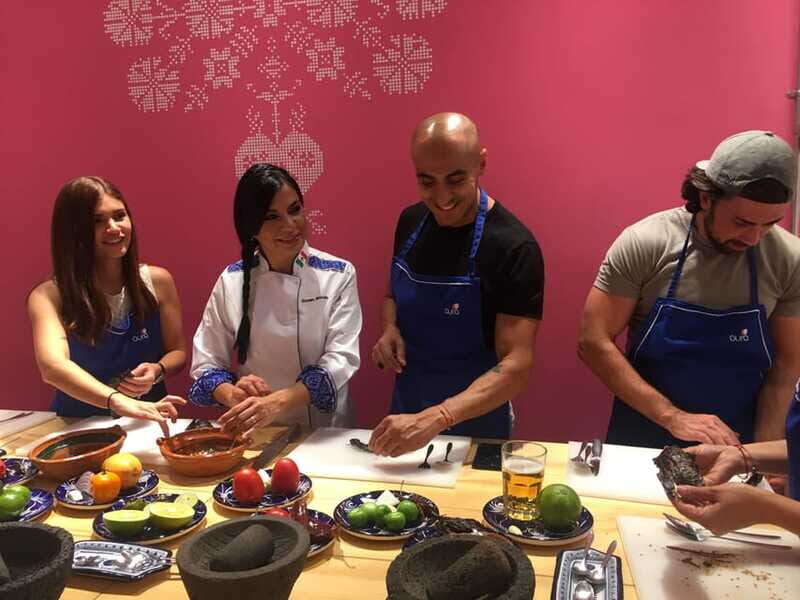
After the market, you return to the studio for the hands-on cooking class. This is where the day becomes useful for your kitchen at home, because you’re making the dishes—not just watching.
Course one focuses on antojitos mexicanos with Mexican salsas, paired with street-food style appetizers (sopes). You’ll make or assemble sopes alongside two salsas: a red molcajete sauce and a green sauce.
This is one of the best teaching ideas on the itinerary. Salsas teach you cause and effect. Change chile types, add different aromatics, adjust texture—and the whole dish shifts. You’re training your palate and your instincts, not just following steps.
Expect the pace to feel social. You’re working with a group of up to 7, using tools and stations designed for participation. And because you’re doing multiple courses, you’ll keep building skills as the day goes instead of burning out after one big dish.
You can also read our reviews of more shopping tours in Mexico City


Mextlapiques and White Mole: Prehispanic Roots Meets Central Mexico Celebrations
Course two is mextlapiques, described as having prehispanic origin and formed as a tamal without masa. That detail matters. It signals something different in technique and texture than the tamales many people already know.
You’ll also make a vegetable-only version covered with hierbabuena sauce. That’s a smart contrast: you get one dish concept, then a green-herb sauce direction that tastes bright and balancing against the earlier flavors.
Course three is the tour’s signature learning moment: white mole. You’ll learn how it’s made and why it’s a celebratory dish in Mexico’s central region.
White mole uses a mix of light-colored ingredients, including white pine nuts, almonds, peanuts, blonde raisins, and chile guero. You’ll likely also learn how those components work together: nutty richness, gentle sweetness from raisins, and mild chile warmth from guero.
White mole is served with chicken pieces, mushrooms, or panela cheese. That gives flexibility for different tastes and can make the dish feel accessible even if you’re not a fan of one protein option.
Big caution: because nuts are part of this mole, the experience isn’t suitable for people with nut allergies. It’s not a small footnote. This is central to the menu.
Pastel de Elote and the Lunch Pairings That Make It a Meal
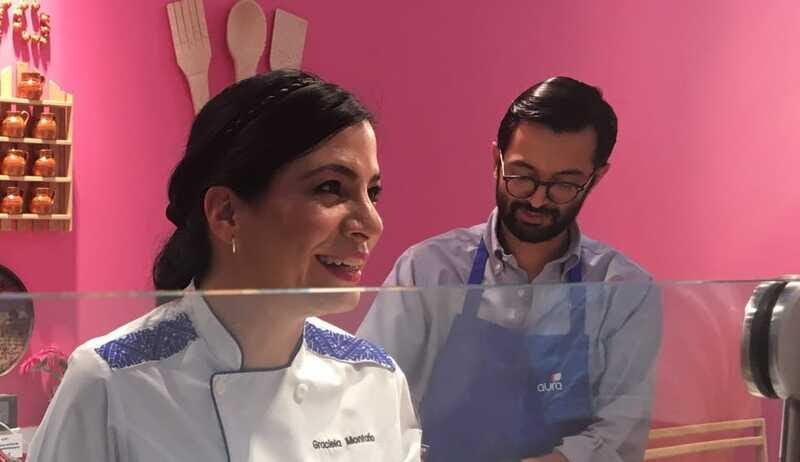
Course four is pastel de elote, essentially a cornbread style dish paired with water-based chocolate. It’s a dessert-leaning finish that still feels tied to corn and cacao—the two big threads of the day.
This final course is ideal because it connects back to what you learned in the market. Corn isn’t just a background ingredient anymore. You’ve seen it processed, tasted it in tortillas, and then eaten it again in dessert form.
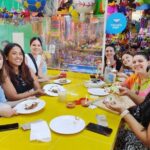
Now for the part that turns the lunch into a celebration: drink pairings. You’ll enjoy agua fresca along with Mexican craft beer, mezcal from Oaxaca, and premium white or red wine from Valle de Parras.
You’re not left wondering what goes with what. The pairing is part of the experience design, so you can taste how citrusy, roasted, smoky, or sweet notes change as you switch between dishes and sips.
Price and Value: What $204 Really Buys You in Mexico City
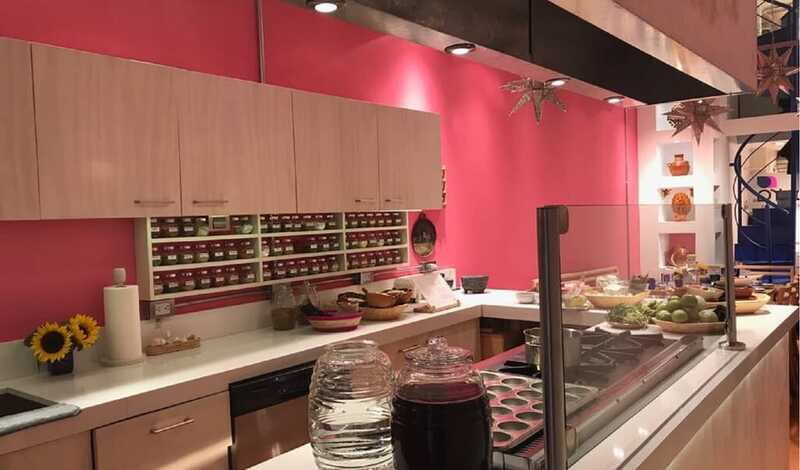
$204 per person sounds like a lot until you break down what’s included and what you’d otherwise pay for separately.
You’re getting:
- A market tour of Mercado de Medellín
- A professional chef guide
- All ingredients for a four-course menu
- Printed recipes to take home
- A full lunch with pairings, including alcoholic beverages (beer, mezcal, or wine)
In other words, you’re paying for time plus expertise plus food. Market tastings plus an instructional studio class are hard to recreate on your own unless you already know what to buy, where to buy it, and how to cook it.
Also, small group size (up to 7) matters. In a big class, you lose attention. Here, you’re more likely to get help when you hit a snag, especially when you’re learning salsa technique and mole building steps.
Who Should Book This Cooking Class in Roma Norte
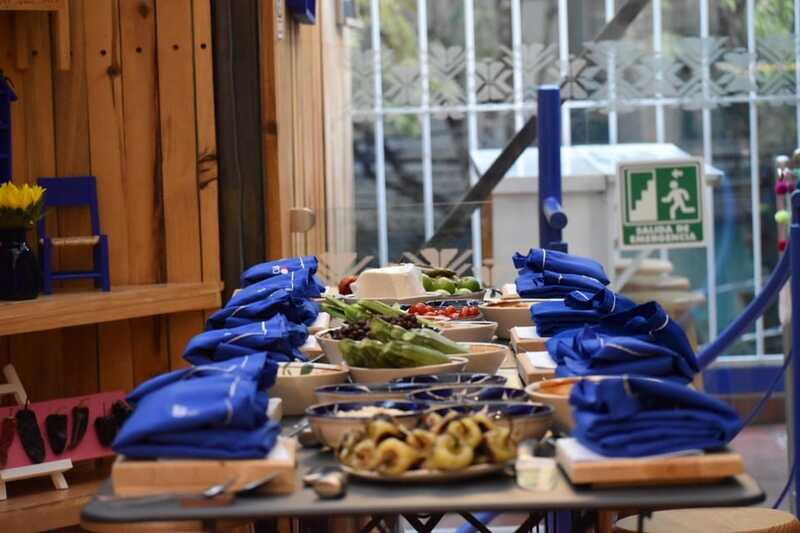
This is a great fit if you want Mexico City food you can actually reproduce. The structure—market first, cooking second—helps you understand why ingredients matter.
You’ll likely love it if you:
- Enjoy hands-on cooking and want confidence with salsas and corn-based dishes
- Like learning the method behind flavors (nixtamalization, mole ingredients, chile variety)
- Are comfortable with tastings, including unusual ones like insect snacks
It’s not a fit if you:
- Have a nut allergy (the menu includes nuts in white mole)
- Need mobility accommodations (the activity is not suitable for people with mobility impairments)
- Are traveling with children under 12
And because there’s no hotel pickup, it helps if you can navigate Roma Norte on your own and don’t mind arriving at a specific address.
Should You Book? My Honest Take
I’d book this if you want a real food day in Mexico City: market education, hands-on cooking, and a proper sit-down lunch with mezcal, beer, and wine. The small group format keeps it personal, and the printed recipes help you extend the experience beyond the studio.
I’d skip it if insects, chile, or nut-based ingredients are a dealbreaker for you. Also consider it if you hate walking; you’ll cover market terrain before you cook.
If you’re in Roma Norte and you want a cooking class that teaches technique and flavor choices—not just steps—this is a strong pick.
FAQ
How long is the Mexico City cooking class and market tour?
It runs for about 4.5 hours.
Where does the tour meet?
At Medellín 191a, Roma Nte., Cuauhtémoc, 06700 Ciudad de México, CDMX, Mexico. Medellín street numbers aren’t in sequence, and it’s easier to find between Chiapas and Tapachula streets.
What’s included in the price?
You get a professional chef guide, the market tour, all ingredients, printed recipes, a 4-course lunch, and alcoholic beverages such as beer, mezcal, or wine.
Are drinks included?
Yes. The lunch includes Mexican craft beer, mezcal, and premium white or red wine, plus agua fresca.
What dishes will you cook during the class?
The four courses include antojitos mexicanos with Mexican salsas and sopes, mextlapiques (a tamal without masa) with a vegetable version and hierbabuena sauce, white mole, and pastel de elote paired with water-based chocolate.
Is this a small group experience?
Yes. The group is limited to 7 participants.
What language is instruction offered in?
The instructor speaks English and Spanish.
Do you provide an apron?
Yes, an apron is provided for you to use during the class.