REVIEW · MEXICO CITY
Class of Sauces and Tortillas in Mexico City
Book on Viator →Bookable on Viator
This is salsa class with street-to-kitchen flavor.
I love how the experience starts at Mercado de San Cosme and turns shopping into real cooking skills. You’ll also get a guided neighborhood walk through San Rafael, with a stop at the Michelin-star taqueria in Mexico, so you’re not just eating. For me, the best part is learning the why behind the ingredients, then making sauces in multiple styles with a host like Verónica or Andrea, depending on the day.
You’ll love that you don’t leave with just ideas—you’ll actually eat what you cook, including quesadillas made with freshly made corn tortillas. One thing to consider: this class is food-focused and can be filling, so plan your day around it and tell the host your spice comfort level upfront.
In This Review
- Key highlights you’ll care about
- San Rafael + Mercado de San Cosme: where your salsa starts
- The Michelin-star taqueria stop: a helpful palate primer
- Grocery choices that turn into “I can cook this at home”
- Four salsa styles: fried, fresh, creamy, and tatemada
- Tortillas and quesadillas: learning the base, not just the topping
- Jamaica, horchata, and a mezcal pour with dinner
- Dietary restrictions and spice control that actually helps
- Price and value: what $85 gets you in real terms
- Timing your day: how long it takes and how hungry to be
- Who should book this class?
- Should you book the Class of Sauces and Tortillas?
- FAQ
- How long is the Class of Sauces and Tortillas?
- How much does it cost?
- Where does the class meet?
- How many people are in the group?
- What dishes will I make?
- What’s included in the price?
- Can the class accommodate dietary restrictions?
- What is the cancellation policy?
Key highlights you’ll care about
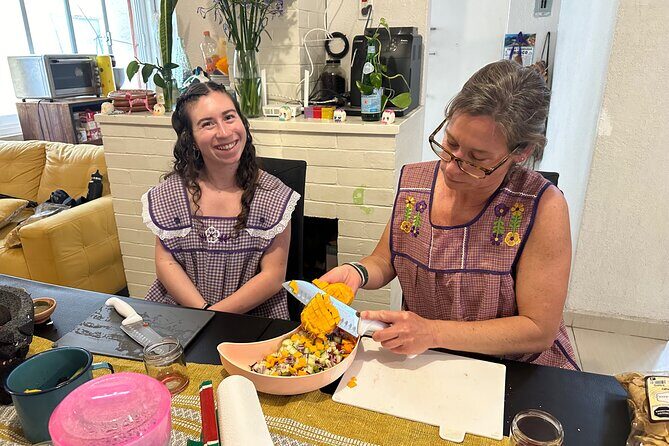
- San Cosme Market first: you pick key produce and ingredients instead of starting with a pre-made list
- Four salsa styles: fried, fresh, creamy, and tatemada-style sauces you can recreate later
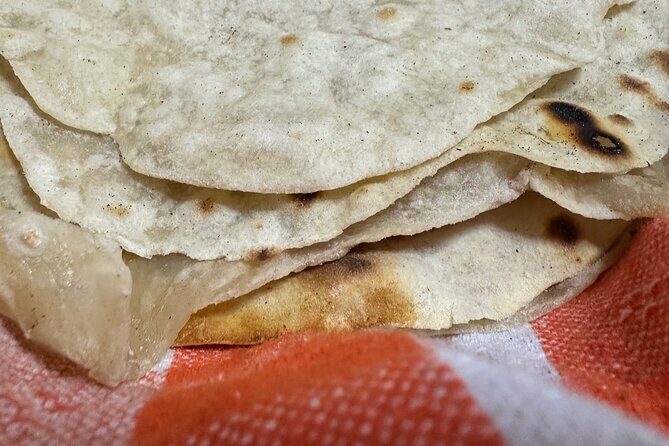
- Made-from-scratch corn tortillas: the quesadillas taste like real corn, not just breaded filler
- Small group setup (max 10): you get attention and still have a social vibe for teams
- Jamaica or horchata, plus mezcal: included drinks make the meal feel like a proper local hangout
San Rafael + Mercado de San Cosme: where your salsa starts
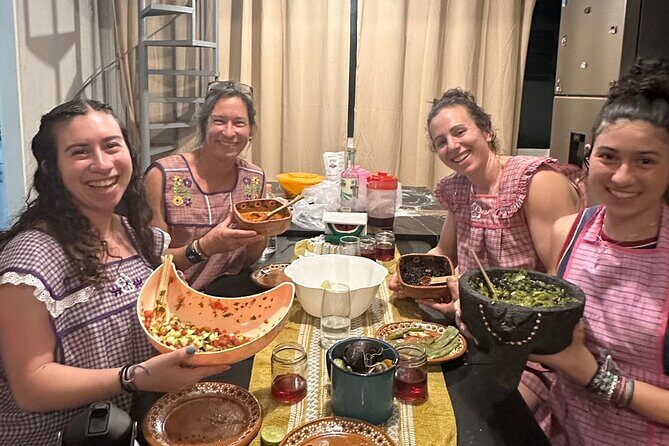
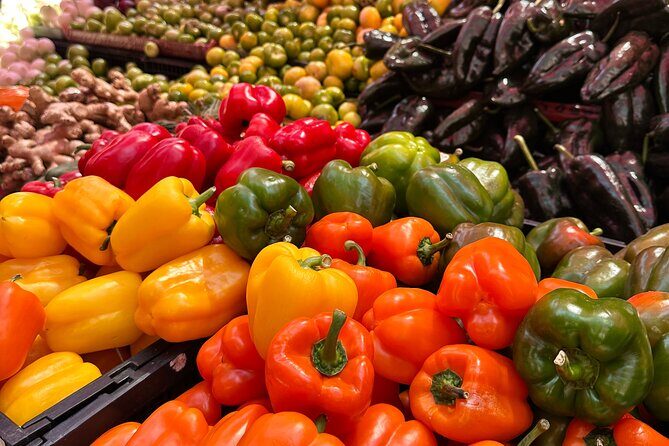
The class meets at Mercado de San Cosme in the San Rafael neighborhood (C. Gabino Barreda 18). This is a market where you can actually see the ingredients that drive Mexican flavor: peppers at different heat levels, tomatillos and tomatoes with different acidity, herbs, aromatics, and that wide range of textures that end up in a good salsa.
I like the market approach because it teaches you more than recipes. You learn what to choose and why. That matters because salsa flavor isn’t one-size-fits-all. Tomatoes can be sweet or sharp. Peppers can be smoky or fruity. Even the way something smells at the stall can hint at how it’ll taste after cooking.
And the walk through San Rafael helps connect the dots. It’s not a long “look at everything” tour. It’s the kind of wandering that gives you bearings fast—plus context for how people live, snack, and cook right outside the tourist bubble.
You can also read our reviews of more city tours in Mexico City

The Michelin-star taqueria stop: a helpful palate primer
Early on, you’ll stop at the Michelin-star taqueria in Mexico as part of the route. You don’t need to treat this as a fancy badge thing. It’s a practical palate moment: you see how serious “simple” street food can be, and it sets expectations for what good sauce-and-tortilla balance tastes like.
If you’ve ever wondered why Mexican food can feel both bold and clean, this kind of stop gives you a clue. Great tacos often rely on restraint as much as strength—freshness, correct seasoning, and sauces that match the filling instead of overpowering it.
It also makes the market visit feel more grounded. Instead of shopping as a chore, you’re collecting ingredients with a clearer goal: build flavor that can compete with restaurant-level taste.
Grocery choices that turn into “I can cook this at home”
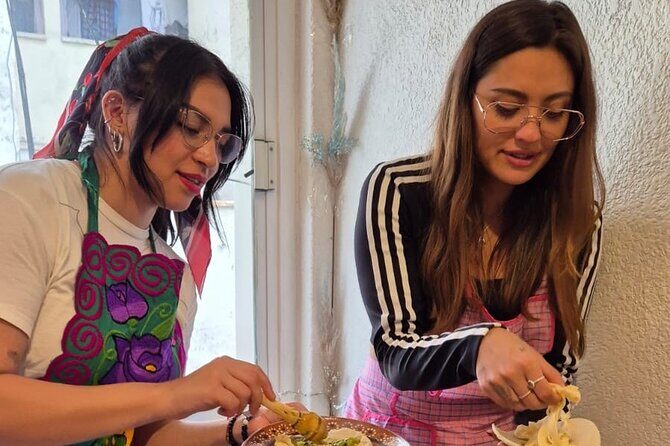
Once you’re back in shopping mode, you’re not just grabbing peppers and hoping. Your guide helps you select ingredients based on salsa goals. From what I’ve seen in the class style, you’ll get tips that feel practical in the kitchen: which produce to prioritize, how to think about sweetness vs. acidity, and how pepper types affect heat and smoke.
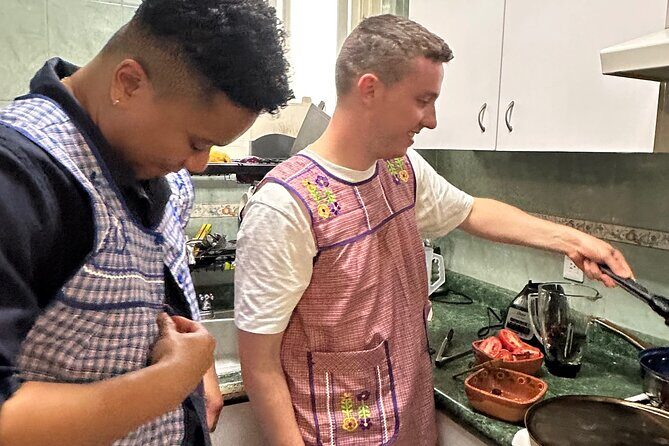
A standout detail: the class tends to split the group into small teams. That’s a big deal. It keeps the energy moving, and it means you’re not standing around for long stretches. You’ll also have an easier time asking questions without feeling like you’re interrupting a one-way lecture.
And you’re not only shopping for salsas. You’ll also work toward quesadillas with corn tortillas, which changes how you think about ingredients. Tortillas and sauces need to play together—fat, salt, acid, and heat all have to land in a way that doesn’t turn into chaos by bite two.
Four salsa styles: fried, fresh, creamy, and tatemada
This class is built around variety. You’ll create several delicious sauces in different presentations, including:
- fried salsa
- fresh salsa
- creamy salsa
- tatemada-style sauce
Tatémada (you’ll hear it used in Mexico to describe that lightly roasted or griddled character) is the kind of technique that gives a salsa depth without needing complicated steps. When ingredients get heat treatment in the right way, you get a smoky, toasty edge that tastes “cooked” even if the salsa stays bright.
The fried and fresh pair is a smart teaching combo. Fresh salsa shows you what raw ingredients taste like—tomato brightness, pepper snap, cilantro/herb lift. Fried salsa shows you what happens when you develop flavor through cooking—richer texture, deeper pepper character, and a rounded finish.
The creamy salsa is where people often learn a surprise. Creaminess isn’t always “bland.” Done right, it can soften heat, smooth sharp flavors, and help you taste seasoning clearly. That’s especially useful if you want your salsa to be both flavorful and flexible at the table.
Tortillas and quesadillas: learning the base, not just the topping
Corn tortillas are central here, not optional. The class is designed around freshly made corn tortillas and quesadillas built from those tortillas. That’s why the cooking experience feels so complete.
What makes this valuable is that tortillas change how the salsa performs. A tortilla can carry salt and fat from the cheese and absorb some sauce, which means your salsa needs to be built for real eating—not just spoon-tasting.
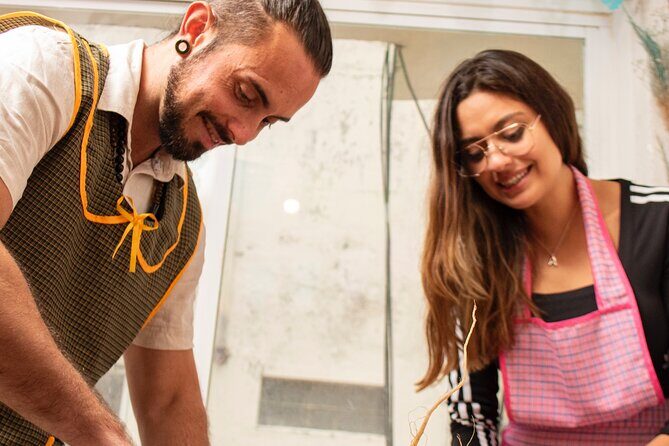
You’ll also learn the process in a hands-on way. In similar sessions like this, the host typically helps with key steps and manages the more time-sensitive parts so everyone can participate without turning it into a kitchen free-for-all. The result is that you feel like you made the meal, not just watched it happen.
And yes—your quesadillas aren’t treated as an afterthought. The class keeps them tied to the same ingredient logic as the salsas, so the whole meal feels like one coherent flavor plan.
You can also read our reviews of more tours and experiences in Mexico City
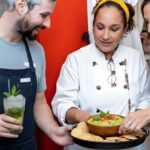
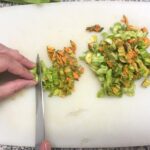

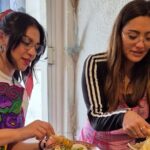
Jamaica, horchata, and a mezcal pour with dinner
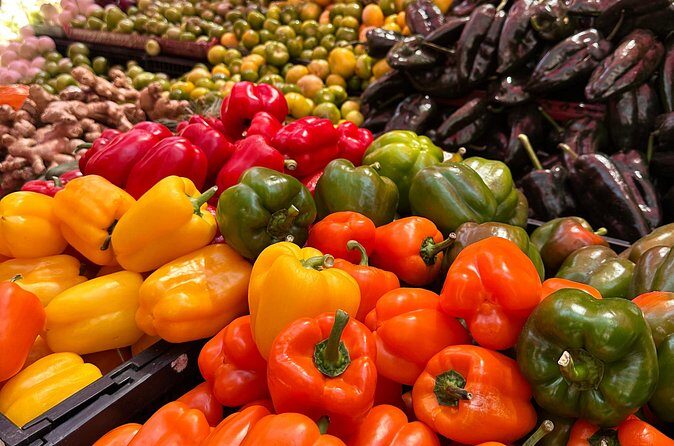
Food classes can feel like they’re only teaching you how to cook. This one also teaches you how to drink with it.
You’ll be offered water from Jamaica (hibiscus) or horchata, and there’s complementary mezcal. This combo makes sense for a Mexican meal: hibiscus brings tart, cranberry-like brightness; horchata adds cinnamon-leaning sweetness and creamy texture; mezcal adds a smoky edge that can actually make spicy, pepper-forward sauces taste even more alive.
Practical tip: if you’re driving later or just don’t drink alcohol, stick to Jamaica or horchata and you’ll still get the full flavor pairing benefit.
Dietary restrictions and spice control that actually helps
A lot of cooking classes say they can handle restrictions. This one explicitly states that it can accommodate food restrictions, and the menu is suitable for vegetarians. Reviews also describe the salsas as naturally vegan-friendly, which is a huge plus if you want plant-based Mexican food without “special order” drama.
The other big win is spice. You can choose the heat level. So if you’re cooking for kids, or if you’re spice-sensitive, you won’t be stuck with a salsa that’s too hot to enjoy. Tell your host your preference early, and you’ll get salsas that feel balanced for your group.
If you’re traveling with mixed eaters—picky kids, adventurous adults—this setup is one of the better ways to keep everyone happy. You’re making multiple salsas, so there’s often something for different palates.
Price and value: what $85 gets you in real terms
At $85 per person for about 2 hours 30 minutes, this isn’t a “budget taco tour.” But it also isn’t overpriced for what you’re getting. You’re paying for:
- market-guided ingredient selection
- hands-on cooking time
- kitchen equipment and instruction
- breakfast, snacks, and lunch included
- drinks (Jamaica or horchata, plus complementary mezcal)
- a small group experience (max 10)
The value shows up in outcomes. You’re not just eating one dish. You’re making several sauces—plus quesadillas—and you can use that knowledge at home. It’s one of the better ways to pay for an experience that gives you skills, not only photos.
Also, because market time is built in, the class avoids the common problem where “cooking” happens with mystery ingredients. Here, the ingredients are part of the lesson.
One more value point: the schedule is often booked in advance (about 14 days on average). If you want a specific time, don’t wait until the last minute.
Timing your day: how long it takes and how hungry to be
Expect roughly 2 hours 30 minutes. Plan to eat enough earlier in the day that you’re not miserable, but don’t schedule a late dinner right afterward. The class is meal-sized. You’ll likely start with snacks, build up to sauces, and finish with quesadillas and lunch.
A small planning hack: if you book this for late afternoon, you may not need to hunt for dinner afterward. But if you’re very hungry most days, you’ll still enjoy it—just add a lighter snack later instead of a full meal.
Wear comfortable shoes for market walking. You don’t need hiking gear, but you’ll be on your feet. Also, bring your own water if you tend to get thirsty on city walks, even though drinks are included.
Who should book this class?
This is a great fit if:
- you want cooking skills you can use at home
- you love sauces and want multiple styles, not one “default” salsa
- you like food tours that go beyond tasting and into technique
- you’re traveling with vegetarians or people who need dietary options
- you want a small group class with lots of participation
It may be less ideal if you don’t want to eat much or you prefer tasting-only tours. This is a cooking-and-eating experience, not a short bite-and-go.
Should you book the Class of Sauces and Tortillas?
Yes—if you like the idea of learning salsa logic from real ingredients and then eating a full meal you helped make, book it. The small group size, the hands-on approach, and the mix of fried, fresh, creamy, and tatemada-style sauces make it one of the more satisfying food classes in Mexico City.
I’d especially recommend it if you’re vegetarian or planning to travel with mixed dietary needs. Just be honest about your spice tolerance and you’ll end up with salsas you can actually enjoy on day one and recreate later.
If you want, tell me your travel dates and your spice comfort level, and I’ll help you decide what time of day fits best with your other Mexico City plans.
FAQ
How long is the Class of Sauces and Tortillas?
It lasts about 2 hours 30 minutes.
How much does it cost?
The price is $85.00 per person.
Where does the class meet?
The meeting point is Mercado De San Cosme, C. Gabino Barreda 18, San Rafael, Cuauhtémoc, 06470 Ciudad de México, CDMX, Mexico.
How many people are in the group?
There’s a maximum of 10 travelers.
What dishes will I make?
You’ll make sauces (fried, fresh, and tatemada-style) and quesadillas using freshly made corn tortillas.
What’s included in the price?
Snacks, kitchen equipment, breakfast, lunch, and a guide are included.
Can the class accommodate dietary restrictions?
Yes. The menu is suitable for vegetarians, and the experience can accommodate food restrictions.
What is the cancellation policy?
Free cancellation is available up to 24 hours in advance for a full refund.