REVIEW · OAXACA CITY
Oaxacan Dinner on Agronomic Biodiversity
Book on Viator →Operated by Etnofood Experiencias · Bookable on Viator
If you like food with a purpose, this evening fits. You get a Zapotec-cook-led dinner built around local ingredients grown and harvested in Oaxaca, plus a guided look at how those flavors connect to traditional roots and modern tastes.
I love two things most: the focus on agronomic biodiversity (flowers, tubers, plants, and seeds like corn, amaranth, and cocoa) and the chance to learn how to combine organic mezcal with the food you’re eating. One thing to consider: it starts in the evening and the tour notes that private transportation isn’t included, so plan how you’ll get there from wherever you’re staying.
You’ll spend about 2 hours in a small group (max 8 travelers), using a mobile ticket and an English-speaking experience. It’s not a big, showy restaurant meal. It’s slower, more hands-on, and geared toward understanding why Oaxaca tastes the way it does.
In This Review
- Key highlights you’ll actually feel
- How the agro-biodiversity theme becomes dinner, not a lecture
- Teolab, 7:30 pm, and the small-group setup that helps you connect
- What you’ll make and eat: the menu rhythm of an Oaxacan hidden dinner
- Starter: a pre-Hispanic-style entrance
- Main: a pre-Hispanic Oaxacan dish plus a second signature plate
- Dessert: a closing plate based on seasonal products
- Drinks: mezcal plus the pairing conversation
- Coffee and/or tea
- The Zapotec angle: culture on the plate, not just in the title
- Mezcal pairing that teaches you how to taste, step by step
- What I’d watch out for before you book
- Value check: why $59.51 can make sense here
- The atmosphere: a quieter, more thoughtful kind of night out
- Who this dinner is best for
- Should you book Oaxacan Dinner on Agronomic Biodiversity?
- FAQ
- What time does the Oaxacan dinner start?
- How long is the experience?
- Where is the meeting point?
- What’s included in the price?
- Is private transportation provided?
- Is the experience offered in English?
Key highlights you’ll actually feel
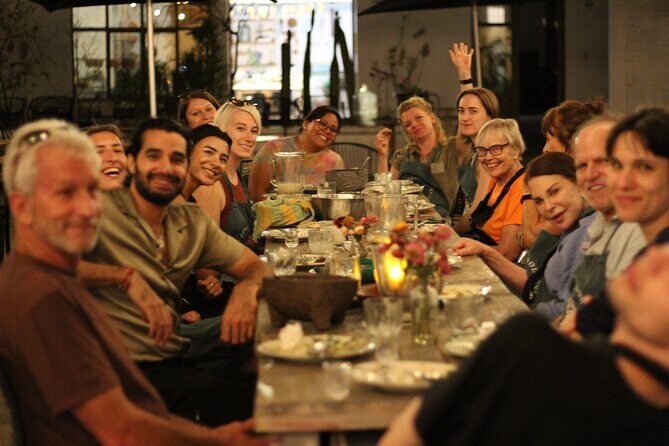
- Small group dinner (max 8): easier conversation with the cook and more time with the food.
- Zapotec cuisine, pre-Hispanic roots plus European influence: food described in cultural terms, not just plated.
- Organic mezcal pairing talk: you learn what makes a good mezcal work with Oaxaca flavors.
- Seasonal dessert and local ingredients: you’re eating what’s available, not a fixed menu template.
- You can help cook if you want: the experience is set up for people who enjoy getting involved.
How the agro-biodiversity theme becomes dinner, not a lecture
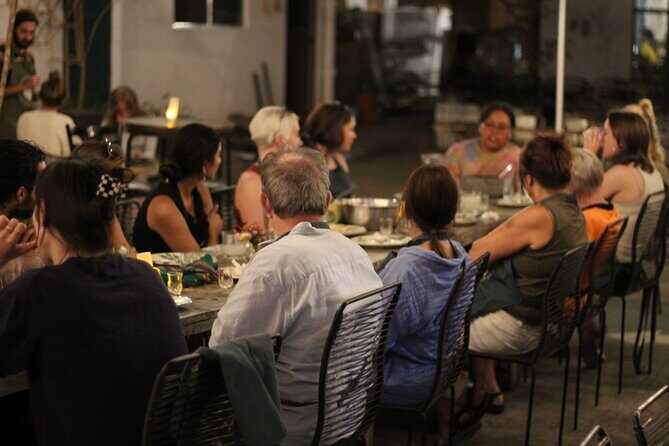
Oaxaca City has plenty of excellent restaurants, but this is built differently. The point here is that your meal is governed by what grows locally—grown and harvested in the fields of Oaxaca—then shaped by traditional flavors carried forward through family cooking. Instead of treating ingredients like background, the evening treats them like the main character.
That’s why the dinner includes elements tied to local agriculture: local flowers, tubers, plants, and seeds such as corn, amaranth, and cocoa. If you’ve ever wondered why Oaxaca cooking has such a strong sense of place, this is where that question gets answered in edible form.
The vibe also matters. The experience is described as slow, with all products prepared in their kitchen and processes carried out carefully. You can expect a calmer pace than your typical “arrive, eat, leave” meal. It gives you time to notice what’s in front of you, and it makes the mezcal pairing conversation feel relevant instead of random.
You can also read our reviews of more tours and experiences in Oaxaca City

Teolab, 7:30 pm, and the small-group setup that helps you connect

The dinner starts at 7:30 pm and lasts about 2 hours. Meeting point is listed at EtnofoodXicoténcatl 609, Centro, Oaxaca de Juárez. The experience also notes Teolab as the stop point, which is where the evening’s action begins.
With a maximum of 8 travelers, the group size stays intimate. That’s a real advantage for a food-and-culture experience. You’re more likely to ask questions, get explanations that match your interests, and actually hear what’s being said about ingredients and mezcal.
It also helps that the experience is offered in English, and confirmation is sent at booking. You’ll receive a mobile ticket, which is convenient if you’re bouncing around Oaxaca during the day.
Practical note: because private transportation isn’t included, plan to reach the meeting point on your own. Oaxaca’s Centro is walkable for many visitors, but 7:30 pm timing can mean you’ll want a smooth route home later.
What you’ll make and eat: the menu rhythm of an Oaxacan hidden dinner
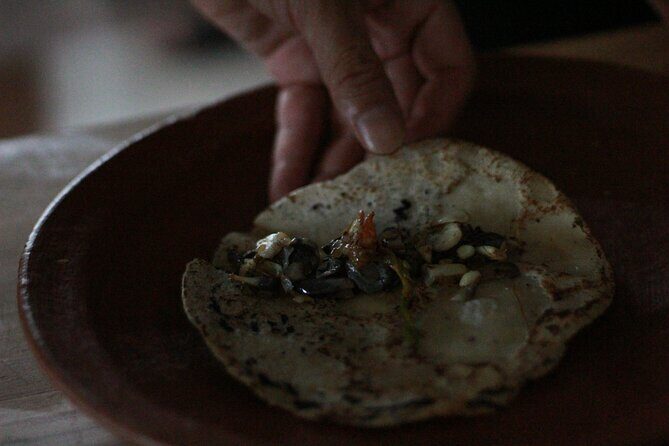
This isn’t one dish plus sides. You’ll be guided through a set flow designed to highlight local ingredients and traditional inspiration. Here’s the rhythm you can expect.
Starter: a pre-Hispanic-style entrance
Your starter includes an entrance plus a pre-Hispanic entrance. The wording matters: it signals that the experience isn’t aiming for generic “Oaxaca flavor.” It frames the food as connected to older traditions, even while the overall dinner also recognizes outside influences that shaped the region over time.
This is a good first step in the meal. It sets expectations for how to taste. Before you get to the main dishes, you’re already primed to notice ingredients and preparation style.
Main: a pre-Hispanic Oaxacan dish plus a second signature plate
For the main course, you’ll have:
- A pre-Hispanic Oaxacan dish, prepared as part of the experience.
- A dish designed for this unique dinner, where you can see the preparation.
The “see the preparation” piece is the difference between watching food and actually learning from it. You don’t just get served; you get to understand the work that goes into a plate—slow processes, ingredient choices, and the idea that technique is part of the culture.
Given the overall theme, you can also expect this part of the dinner to connect directly to Oaxaca agriculture: plants and seeds that belong to the region, and flavors shaped by how those ingredients behave.






Dessert: a closing plate based on seasonal products
Dessert is a surprise depending on what’s seasonal. That’s one of the most honest ways to do local food. It means you’re less likely to get a cookie-cutter menu and more likely to eat something that reflects current availability.
Seasonal dessert can be hit or miss in less thoughtful settings. Here, it’s framed as part of the same logic as the rest of the dinner: local ingredients govern what happens.
Drinks: mezcal plus the pairing conversation
Alcohol is included, and mezcal is a core part of the story. During the dinner, you’ll talk about how to combine a good organic mezcal with the flavors of Oaxaca. This is where the experience goes beyond simply serving drinks.
They also mention that the mezcals are part of a cooperative they collaborate with. That doesn’t automatically mean you’ll get a full “social impact” speech, but it does suggest the producers aren’t an afterthought.
If you like learning what to pay attention to in mezcal—how it behaves with food—you’ll probably appreciate this part. If you mostly want mezcal as a fun add-on, you’ll still get value; the talk is meant to help you connect the taste in your glass to the taste on your plate.
Coffee and/or tea
You’ll also get coffee and/or tea to wrap up the evening. It’s a small detail, but it often makes the meal feel complete—like a real night out, not a quick bite.
The Zapotec angle: culture on the plate, not just in the title
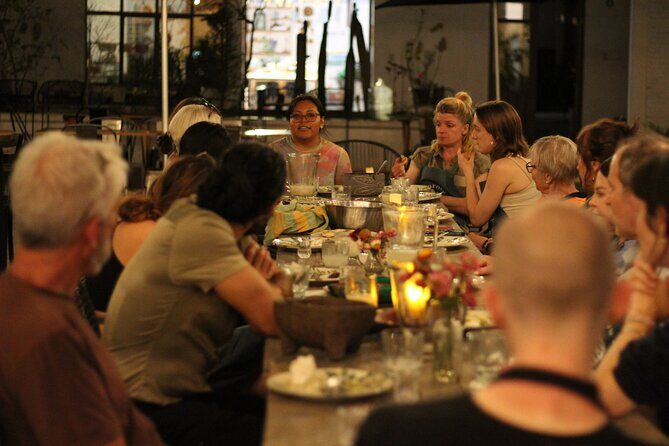
The dinner is centered on Zapotec cuisine, described as linked to pre-Hispanic culture, and also influenced by flavors that came during the conquest of Europe. That matters because it frames Oaxaca food as layered, not stuck in time.
In other words, you don’t have to choose between tradition and change. Oaxaca cooking already blends both, and the dinner is built to show that with the food you’re eating.
It also signals something practical: you’ll likely see ingredients and preparation approaches that don’t match what many people first learn about Mexican food. Expect plants and seeds you might not normally order at a restaurant, plus an emphasis on slow work in the kitchen.
Mezcal pairing that teaches you how to taste, step by step
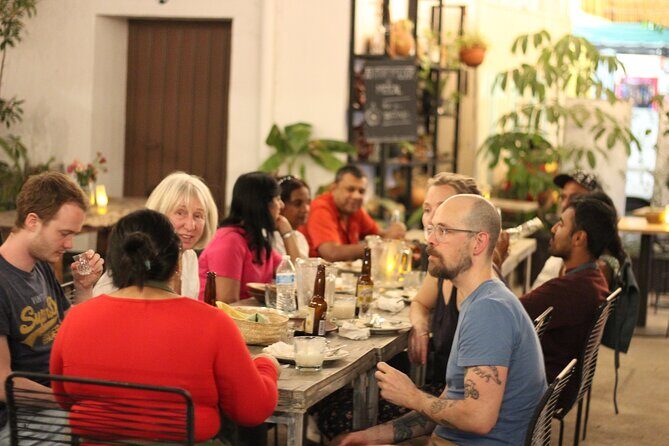
You’ll hear guidance on combining organic mezcal with Oaxaca flavors, and that’s the heart of what makes this more memorable than a typical dinner.
Here are the kinds of insights this pairing talk is likely to give you (and why it’s worth your attention):
- It helps you notice how mezcal’s character changes with each course.
- It gives you language for what you’re tasting, so you can repeat the experience later at home or in a mezcal bar.
- It frames mezcal as part of the meal’s architecture, not just an extra drink.
Also, because the group is small, you’ll get a better chance to ask questions or react as you go. That keeps the mezcal conversation connected to the actual food being served.
What I’d watch out for before you book
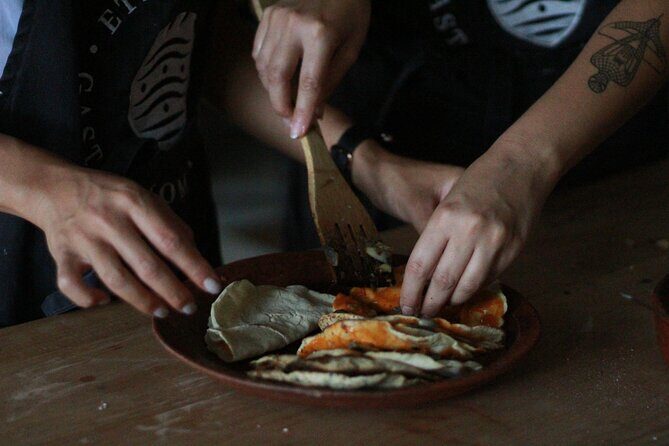
This is a popular style of experience for food lovers, but it has a few practical considerations.
- It’s a cooking experience for those who want to cook. The info says people who want to cook are welcome, which suggests participation is optional. If you’re hoping for a strictly hands-on workshop where you do every step, you might find it more of a guided dinner than a full cooking class.
- No private transportation. You’ll need to handle getting to the meeting point in Centro.
- 2 hours can feel like a lot or not enough. Because it’s packed with courses and mezcal talk, it can be a full evening block. If you like slower dinners, plan a relaxed evening before and after.
None of these are dealbreakers. They’re just the things that can shape whether the experience feels like a perfect fit or slightly mismatched.
Value check: why $59.51 can make sense here
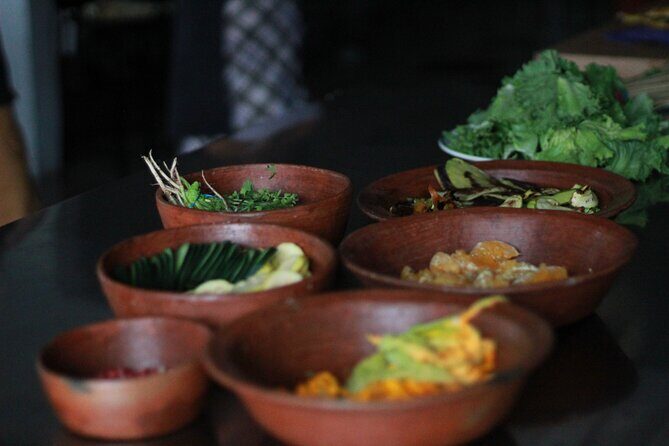
At $59.51 per person for roughly 2 hours, it’s not the cheapest meal in Oaxaca. But value isn’t only price. It’s what you get for it.
You’re paying for:
- A multi-course dinner (starter, main(s), dessert).
- Included beverages (alcoholic drinks, plus coffee and/or tea).
- Time and attention from a traditional Zapotec cook.
- The educational angle tied to local agronomic biodiversity and mezcal pairing.
- A small group limit, which usually means more explanation per person.
Also included: materials and supplies, and water is provided as filtered water (the listing specifies water without a bottle, filtered). That’s the kind of practical detail that makes the experience smoother.
If you’re the type who loves food but also wants to understand the “why,” this price looks more reasonable. If you just want a safe, familiar restaurant meal with minimal conversation, you might prefer a normal dinner reservation.
The atmosphere: a quieter, more thoughtful kind of night out
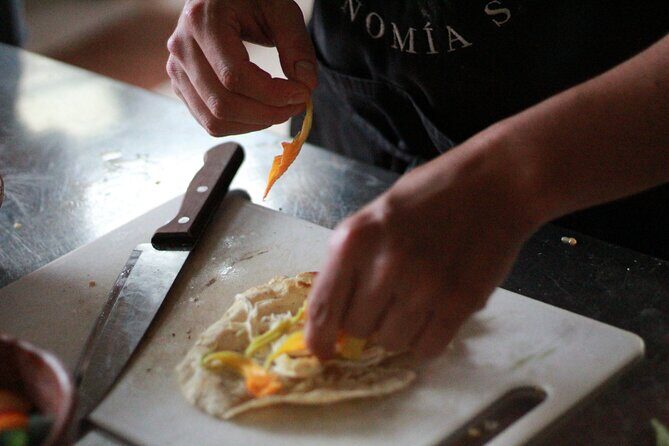
The dinner is described as an experience you cook Oaxacan style, with processes done slowly. That usually creates a different atmosphere than a loud restaurant.
The mention of an expert gastronome and an emphasis on local and organic products points to a meal where presentation and explanation matter. If you enjoy being in a place where the food is treated with care, this setup fits.
And mezcal helps. You’re not only tasting mezcal; you’re learning how it connects to the flavors. That tends to make the whole evening feel like a cohesive story.
Who this dinner is best for
This is a strong match if you:
- Want Zapotec cuisine with a real focus on local ingredients.
- Like learning about Oaxaca’s agricultural side—seeds, plants, and what grows in the region.
- Enjoy mezcal and want a pairing conversation that makes it more than a toast.
- Prefer small-group experiences (max 8) over big tours.
It may be less ideal if you:
- Want strictly hands-on cooking where you do everything.
- Hate evening meals with lots of explanation and slower pacing.
- Need private transportation arranged for you.
Should you book Oaxacan Dinner on Agronomic Biodiversity?
If you’re in Oaxaca City and you care about food beyond taste alone, I’d book it. This is one of those dinners that connects ingredients, culture, and mezcal into a single, timed experience—about 2 hours—without feeling like a rushed gimmick.
You should particularly consider it if you want something that feels closer to Oaxaca’s agricultural reality: local flowers, tubers, plants, and seeds like corn, amaranth, and cocoa. If that idea excites you, the rest of the menu and the mezcal pairing talk should land well.
FAQ
What time does the Oaxacan dinner start?
It starts at 7:30 pm in Oaxaca City.
How long is the experience?
It lasts about 2 hours (approx.).
Where is the meeting point?
The meeting point is EtnofoodXicoténcatl 609, Centro, 68000 Oaxaca de Juárez, Oax., Mexico. The activity is associated with Teolab as the stop point.
What’s included in the price?
Dinner is included, along with alcoholic beverages, coffee and/or tea, and filtered water. Materials and supplies are also included.
Is private transportation provided?
No. Private transportation isn’t included, so you’ll need to arrange your own way to the meeting point.
Is the experience offered in English?
Yes, it’s offered in English.