REVIEW · MEXICO CITY
Mexico City: Hop-on Hop-off City Tour by Turibus 2-Day Pass
Book on GetYourGuide →Operated by Turibus CDMX · Bookable on GetYourGuide
Two days, zero stress in Mexico City. This open-top Turibus pass gives you a simple way to cover the city’s big draws by hopping among 4 circuits, powered by an audio guide you can listen to while you ride. I especially like the panoramic views from the bus deck and the fact that audio guide + headphones are included, so you can start learning immediately. The main drawback to plan for is uneven stop spacing and wait times on some routes, plus signage that can be easy to miss.
You’ll point your day at what you care about most, whether that’s museum clusters near major landmarks (Templo Mayor Museum, Museum of Anthropology and History, Soumaya Museum, Frida Kahlo Museum, and more) or neighborhood vibes like the Historic Center, Polanco, and Coyoacán. I also like that your ticket works across circuits for two consecutive days, so one slow moment doesn’t ruin the whole plan.
This works best if you enjoy self-guided sightseeing and want a reliable transport spine. If you need wheelchair access, note it’s not suitable for wheelchair users.
In This Review
- Quick reasons this Turibus pass can be worth it
- How the Turibus 2-day pass works in real life
- Getting on the right bus: meeting points, signage, and audio
- Historic Center Circuit: ruins, museums, and old-street power
- Coyoacán Circuit: food, art energy, and a slower rhythm
- Basílica Circuit: the spiritual landmark day (with a closure window)
- Polanco Circuit: upscale blocks, parks, and museum-friendly stops
- Building a smart two-day plan with museum stops that match your pace
- Timing, wait times, and your best backup plan
- Price and value: what $25 buys you over two days
- What to bring (and what to avoid on the bus)
- Should you book the Turibus 2-day pass?
Quick reasons this Turibus pass can be worth it
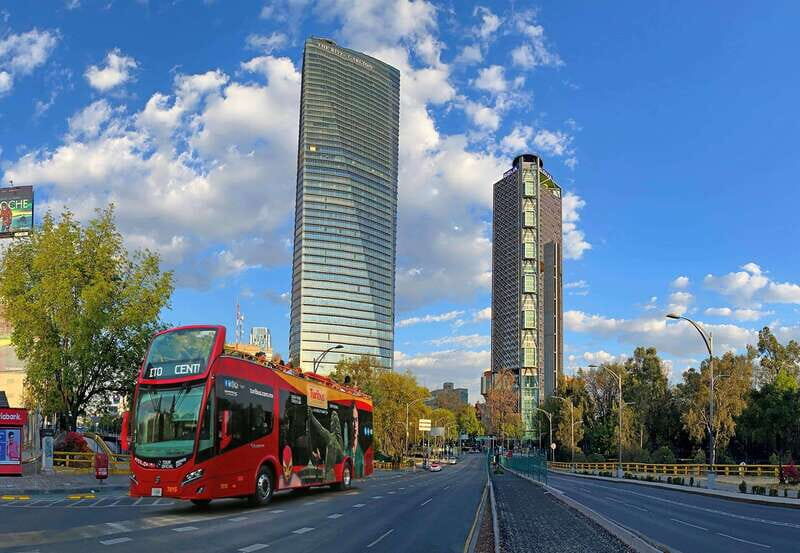
- Four circuits you can connect: Historic, Coyoacán, Basílica, and Polanco
- Unlimited rides for 2 consecutive days, not a one-and-done loop
- Audio guide comes with headphones, in multiple languages including English, French, German, Italian, Japanese, Portuguese, and Spanish
- Great for mixing museums and neighborhoods in a way that feels under your control
- You can expect occasional delays due to traffic, weather, road closures, and local demonstrations
- Basílica Circuit timing note: closed Dec 10–12
How the Turibus 2-day pass works in real life
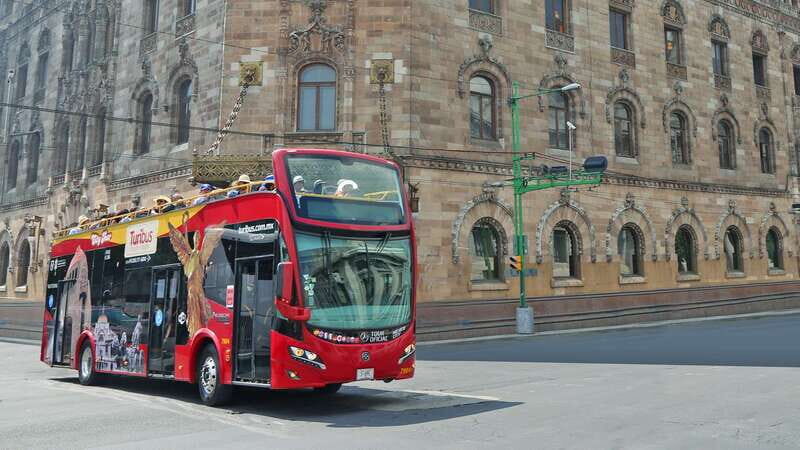
This is a classic hop-on hop-off setup: you board a double-decker bus, listen to an included audio guide, and then hop off when you want to explore. The big advantage is flexibility. Instead of doing one set route at one set speed, you can build a day around museum time, long coffee breaks, or a slow walk through a neighborhood.
Your ticket is valid for two consecutive days. That matters because it lets you correct for whatever Mexico City throws at you—morning crowds, an unexpected closure, or the simple fact that one museum takes longer than you thought. The pass also lets you connect to all 4 routes, so you’re not stuck doing only one slice of the city.
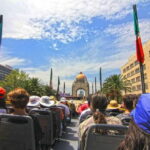
The bus runs on an open-top deck when conditions allow. Plan to take your camera out often. City views are the point here, especially for architecture and major monuments that look much better from above-street level.
You can also read our reviews of more city tours in Mexico City


Getting on the right bus: meeting points, signage, and audio
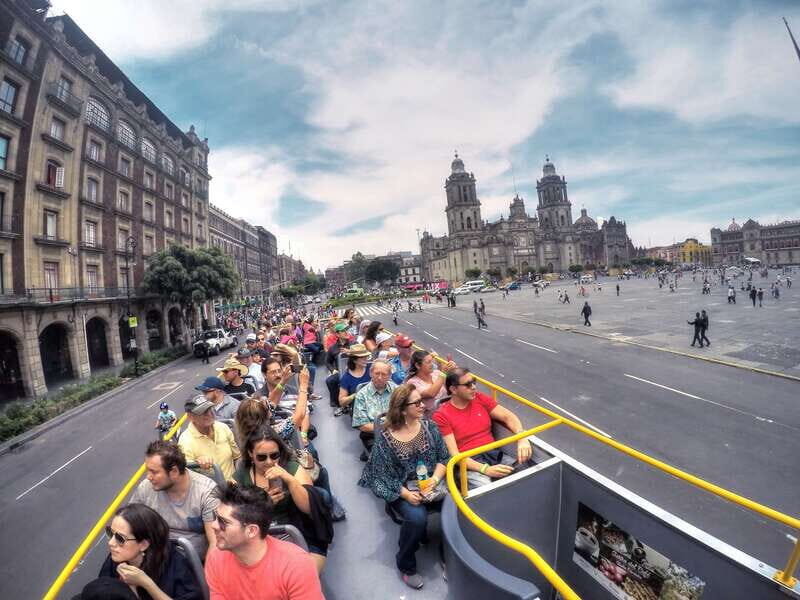
Meeting points can vary depending on what you booked. The practical move is to treat your starting location as part of your plan: arrive early enough to confirm where the host or greeter is directing people and where the correct stop begins for your day.
One real-world snag is that some stations can be poorly signposted. That doesn’t mean the tour is hard to use—it means you should avoid showing up at the last possible minute. If you’re walking with other people, watch for the bus and stop markers, not just the crowd. If you’re the cautious type, take a quick photo of the nearest sign or corner landmark so you can relocate fast when you get back.
The audio guide is a big quality-of-life win. Headphones are included, and you can listen in multiple languages (including English, French, German, Italian, Japanese, Portuguese, and Spanish). Use it like a running commentary: first pass while you’re riding, second pass when you’re standing near what you just heard.
One more logistics thing: the itineraries can change due to weather, local traffic, road closures, or public demonstrations. That’s normal for a city this size. What matters is how you respond—stay flexible with your hop timing, and have at least one backup option for how you’ll fill extra time.
Historic Center Circuit: ruins, museums, and old-street power
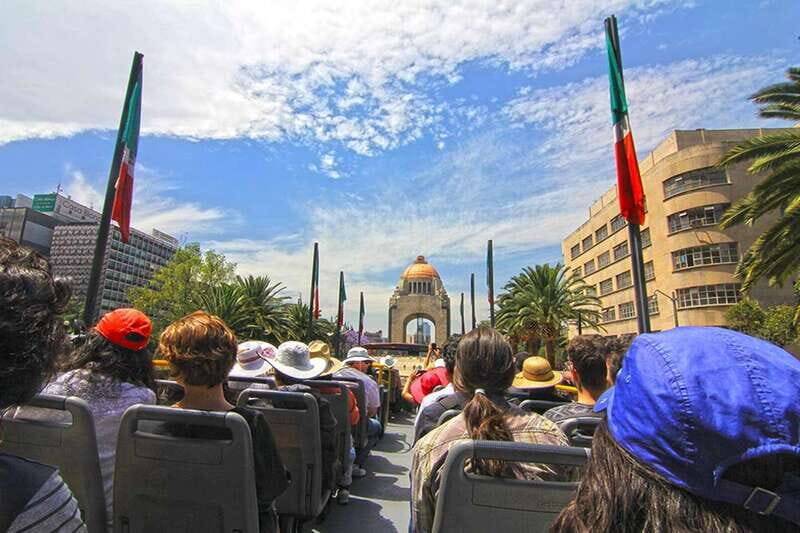
If you want Mexico City’s core story—architecture, monumental streets, museums, and the feeling of old-meets-new—this is the circuit to lean on. The Historic Center is where you can build a dense sightseeing block without spending your whole day commuting.
You’ll find the kinds of stops that connect well with major museum visits. The mix you might hit along the way includes places near the Templo Mayor Museum and other museum areas, plus broader Historic Center sights. This circuit also tends to work well when you’re doing a “walk a little, ride a little” pattern: hop off, wander for an hour, hop back on before you melt from sun or traffic.
Why this circuit is valuable: it gives you context. Even if you’re not going inside every museum, the bus ride helps connect landmarks into a mental map. Then your walking time feels purposeful, not random.
A drawback to keep in mind: frequency can vary by route. Some loops may feel like they come every so often, while others may have longer gaps. If you’re planning a strict museum-to-museum schedule, give yourself extra time for reboarding—especially around lunch.
Coyoacán Circuit: food, art energy, and a slower rhythm

Coyoacán is a strong choice if you want a neighborhood vibe, not just a checklist of monuments. This circuit focuses on the more artistic side of Mexico City, with a reputation for a creative crowd and plenty of places to stop for food and local flavor.
On this route, you’ll get a chance to explore the Coyoacán area and connect to the kind of streets where you’ll want to linger—cafés, small shops, and viewpoints that reward walking. It’s also a good match for people who like pairing sightseeing with real life: sit for a snack, browse, then keep moving.
Coyoacán is especially useful for a two-day pass because it acts like a reset button. Day one can be museums and major landmarks; day two can be Coyoacán-focused and more relaxed. You’ll still get guided narration while riding, but your time off the bus feels less rushed.
Practical tip: treat this circuit as your “follow your curiosity” day. If you’re using your hop-off time well, you’ll end up spending more time where you want and less time where the bus just happens to pass.
Basílica Circuit: the spiritual landmark day (with a closure window)

The Basílica Circuit leans into Mexico City’s spiritual side. From the bus, you’ll get views of what’s around the area, and the tour concept includes time to see inside a major worship center—described as one of the most cherished in Mexico and Latin America.
This is a good option when you want your sightseeing day to include something more meaningful than museums and shopping. It also pairs nicely with a neighborhood circuit the next day, so you can balance reflection with casual wandering.
Two important considerations. First, entry tickets to attractions aren’t included in your pass, so you’ll need to plan for any ticketed stops you want to enter. Second, the Basílica Circuit is closed Dec 10–12, so check your calendar if you’re traveling during that window. If that closure hits your dates, you’ll want to shift your plan to Historic Center, Coyoacán, and Polanco.
You can also read our reviews of more tours and experiences in Mexico City





Polanco Circuit: upscale blocks, parks, and museum-friendly stops

Polanco is for when you want polished streets, upscale shopping, and a different side of the city. This circuit is designed to show you the district’s sought-after feel—prestigious stores, bars and restaurants, monuments, and parks.
It’s also a smart place to go if you like a smoother mix of sightseeing and downtime. You can hop off, browse, grab a meal, and then hop back on when you’re ready to move. Because the pass is unlimited for two days, Polanco doesn’t feel like a one-shot stop. You can spend a chunk of time there, then decide later if you want a second visit.
If you’re planning museum time, Polanco can make sense because it’s close to several major museum destinations. The included possibilities you might see around your bus stops include Soumaya Museum and other notable collections. Just remember: the pass covers transport and audio, not museum admission.
Building a smart two-day plan with museum stops that match your pace
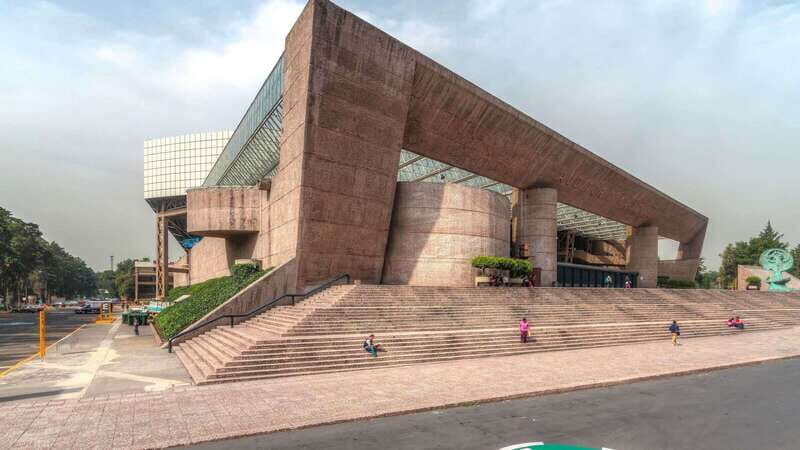
Your ticket is most valuable when you use it like a menu. Choose one “anchor” per half-day, then fill the gaps with hopping off for walking time and photo moments.
Here’s a practical way to structure it using what’s most likely around these circuits:
Day 1 idea (major landmarks + one museum block)
- Start with the Historic Center Circuit to get the lay of the land.
- Plan for at least one museum stop near key landmark areas, such as Templo Mayor Museum or other prominent museum clusters you can access via your bus hops.
- Finish the day with a neighborhood walk break—then take the bus back before you’re exhausted.
Day 2 idea (neighborhood rhythm + one “big” stop)
- Choose Coyoacán if you want artful streets and food breaks. It’s ideal when you don’t want to sprint.
- Add a second circuit depending on interest: Polanco for shopping and parks, or Basílica if you want the spiritual landmark element.
- Keep one flexible hop so your plan survives weather or a line that runs long.
The key is not to pack every hour. The bus is great for moving between zones, but your best memories usually come from the hours you spend off the bus. Use the narration as a guide to decide what’s worth your time, then adjust in real life.
Timing, wait times, and your best backup plan
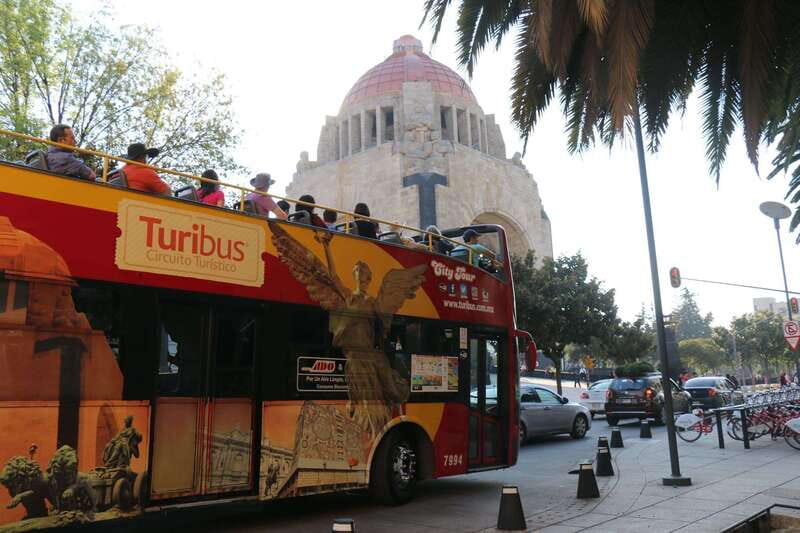
This is where the mixed reviews point to something useful: the experience can be smooth, but it’s not always perfectly timed at every stop. One person noted that the stop signage was hard to spot. Another described waiting about an hour and a half at one stop and switching to an Uber to reach the final destination.
If you want fewer stress moments, build your day with a little slack:
- Plan to board a bus with time to spare, especially at major transfer points.
- Avoid scheduling a timed museum visit right after the moment you expect the bus. Leave room for delays.
- If you’re stuck waiting longer than expected, don’t panic. Have cash or a rideshare option ready so you can protect your day.
Also remember: itineraries may vary due to traffic and road closures, and those situations are outside anyone’s control. That doesn’t mean the pass is unreliable. It means you should treat it like smart city transport—not a train with guaranteed exact seconds.
A small detail that helps: one circuit can run more frequently than others. If you notice longer gaps on a particular route, don’t keep assuming it will suddenly improve. Adjust by reducing hop frequency or spending more time off the bus between rides.
Price and value: what $25 buys you over two days

At about $25 per person for 2 days, this pass can be good value if you’ll actually use it more than once. The main value isn’t just the bus ride—it’s the combination of:
- Unlimited rides for two consecutive days across multiple circuits
- An included audio guide with headphones
- Access to major sightseeing zones without needing to constantly re-plan transport
The catch is simple: the pass doesn’t include entry tickets. So if you want to go inside museums and attractions all day, you’ll still pay admission costs. But you’re likely saving money and time versus paying for a bunch of individual taxis or trying to navigate between distant areas on your own.
I think this is especially worth it if:
- You’re new to the city and want an efficient orientation tool
- You like flexibility and don’t want a rigid guided schedule
- You’re mixing neighborhoods rather than staying in one area
If you only plan to do one circuit and you hate waiting around at bus stops, then you might get less value out of the pass. In that case, a single-day plan or a different guided option could fit better.
What to bring (and what to avoid on the bus)
You’ll have an easier day if you pack for walking and sun:
- Comfortable shoes
- Sun hat
- Camera
- Comfortable clothes
- Cash and a credit card
- ID card (a copy is accepted)
On the bus, there are clear rules: no smoking, and no alcohol or drugs. Keep it simple, keep it clean, and you’ll fit the vibe.
One more reality check: this is not suitable for wheelchair users. If mobility is part of your planning, you’ll need a different option.
Should you book the Turibus 2-day pass?
Book it if you want an easy way to cover Mexico City’s main neighborhoods over two days, with unlimited rides and an included audio guide that helps you make sense of what you’re seeing. It’s a smart pick for orientation, museum-and-neighborhood combos, and days when you don’t want to micromanage every move.
Skip it or reconsider if you dislike waiting at stops, you’re trying to run a tight schedule with timed entries back-to-back, or you’re traveling during the Basílica Circuit closure (Dec 10–12) and that stop is a must for your trip.
If you do book, my advice is straightforward: start early, photograph your meeting/stop reference point, and build in time buffers. Used this way, this pass turns a big city into something you can actually manage.