REVIEW · MEXICO CITY
Puebla, Cholula & Tonantzintla Plus Taxco, Cuernavaca & Mine, 2 day Combo
Book on Viator →Operated by Amigo Tours · Bookable on Viator
Early mornings, big scenery.
This 2-day combo links Puebla, Cholula, and Tonantzintla with Taxco and the showpiece pre-Hispanic mine experience. You’ll ride out of Mexico City past volcano views, then spend your time where the architecture and crafts tell the story—Baroque-meets-Indigenous details, UNESCO-listed pottery, and the dramatic world of mining silver before the Spanish arrived.
I especially like how the day is built around contrast: Tonantzintla’s lavish church interior, then Puebla’s old-center walking tour, and later Taxco’s hillside streets and shopping. I also love that the mine stop isn’t a quick photo break—it includes an elevator descent and an illuminated tunnel where you’re taught how people worked the mines centuries ago.
One drawback to plan for: you’ll lose a lot of time on the road. Expect long bus hours (traffic can be brutal), and some past departures reported weak or missing A/C during hot weather, especially on longer rides.
In This Review
- Key things you’ll remember
- Starting Point Reality: 6:20am Departures and Road-Time Math
- Cholula’s Volcano Views and Santa María de Tonantzintla’s Interior
- Puebla’s Talavera Celia Stop: What UNESCO Pottery Looks Like Up Close
- Puebla City of Angels Walking Tour: Cathedral, Zócalo, and Old-Center Stops
- The Pre-Hispanic Mine Experience in Taxco: Elevator Descent and 150-Meter Tunnel
- Taxco de Alarcón’s Silver Streets and Santa Prisca’s French Connection
- A Note on Cuernavaca: Confirm the Stops on Your Specific Departure
- Guides Can Make (or Break) the Days: Ada, Aja, Francisco, Kevin, Ernesto
- Comfort, Heat, and Long Bus Hours: What You Should Plan For
- Lunch, Snacks, and Souvenirs: Where Your Money Actually Goes
- Is This Tour Worth $129? The Value Match for the Right Traveler
- Should You Book Puebla, Cholula & Tonantzintla Plus Taxco, Cuernavaca & Mine?
- FAQ
- What is the price for this tour?
- How long is the tour?
- What language is the tour offered in?
- Where do I meet for the tour?
- What time does the tour start?
- What’s included in the price?
- What is not included?
- Is entrance to the mine included?
- Do I need a passport?
- How physically demanding is it?
- What is the group size limit?
Key things you’ll remember
- Volcano views on the way to Cholula, with Iztaccíhuatl and Popocatépetl scenery
- Tonantzintla’s Baroque + Indigenous architecture at Santa María de Tonantzintla
- A Talavera workshop stop in Puebla, tied to a UNESCO listing
- A real pre-Hispanic mine visit, including elevator descent and a 150-meter tunnel
- Taxco silver culture plus Santa Prisca, built by French immigrant José de la Borda in 1758
- Strong guide performance on many departures, with named guides like Ada, Aja, Francisco, Kevin, and Ernesto showing up in feedback
Starting Point Reality: 6:20am Departures and Road-Time Math
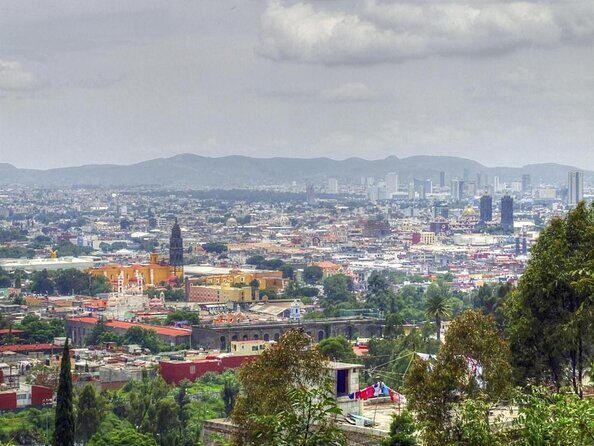
This tour is built for early starts. You meet at Hostal Amigo Isabel La Católica (Isabel La Católica 61-A, Centro Histórico, Cuauhtémoc) at 6:20am, and you return back to the same meeting point. Because pickup is handled by meeting at a central location and then loading the group onto the vehicle, you should be ready for a classic Mexico City morning churn—then you’ll hit the highway toward Puebla and onward.
The big practical thing here is time. Even though Puebla and Cholula are about two hours out, traffic can stretch the ride. In feedback from past departures, people noted the bus drive time can become much longer than expected, sometimes reaching 3.5 hours each way. That means your “2-day trip” can feel like “2 full days” once the bus time lands.
Group size is capped at 35 travelers, so you’ll be part of a crowd, but not a stadium. Still, it’s not a private car situation. If you want space and quiet, you may find the rhythm a little rushed—especially with multiple stops and walking blocks.
You can also read our reviews of more tours and experiences in Mexico City


Cholula’s Volcano Views and Santa María de Tonantzintla’s Interior
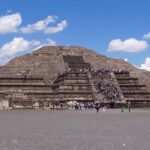
Cholula is one of those places that rewards you for looking up and slowing down. On the drive, you get scenic stretches where you can see Iztaccíhuatl and Popocatépetl in the distance. Even if you’ve seen volcanoes from elsewhere in Mexico, the view corridor here feels more like a “you’re on the way to something special” moment.
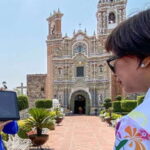
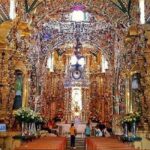
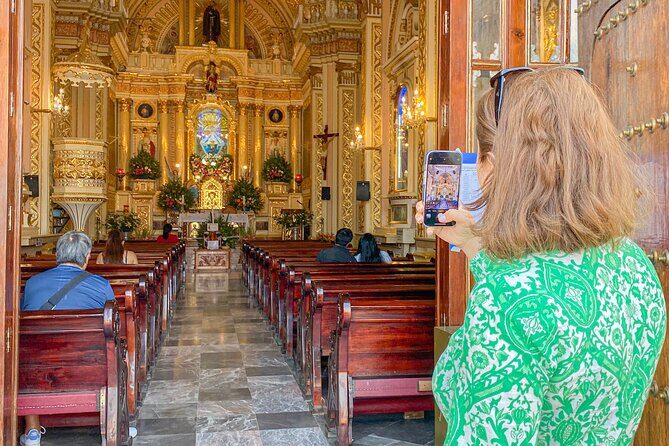
Once in Cholula, the anchor stop is Santa María de Tonantzintla. The church is known for a striking blend of Baroque and Indigenous architecture, plus lavish decoration. What makes this stop memorable is that it’s not just one postcard angle—it’s the kind of place where your eyes keep finding new details as you change your viewpoint.
Practical tip: wear something comfortable for standing and walking inside. Churches and decorative interiors often mean slow movement and time spent taking in details. If you’re sensitive to crowds, you may prefer to look first, then circle back when a group moves on.
Puebla’s Talavera Celia Stop: What UNESCO Pottery Looks Like Up Close
Puebla is famous for Talavera—painted ceramics with that recognizable look—and this itinerary includes a stop to see how it’s made at Talavera Celia. You’ll get a chance to understand the process from artisan work, and this craft is tied to Puebla’s heritage and its UNESCO Cultural Heritage (2019) status.
This isn’t just a showroom stop. A visit like this helps you shop smarter later. When you understand the steps—how pieces are formed, decorated, and finished—you’ll be better at spotting higher-quality work (and you’ll also be less likely to get swept into buying something that looks good from far away but isn’t as solid up close).
I recommend treating this as a “watch and learn” moment. If you want to buy, take your time. Talavera pricing can vary a lot depending on size, complexity, and finishing. You’ll get more value if you buy only after you’ve seen how the craft is actually produced.
Puebla City of Angels Walking Tour: Cathedral, Zócalo, and Old-Center Stops
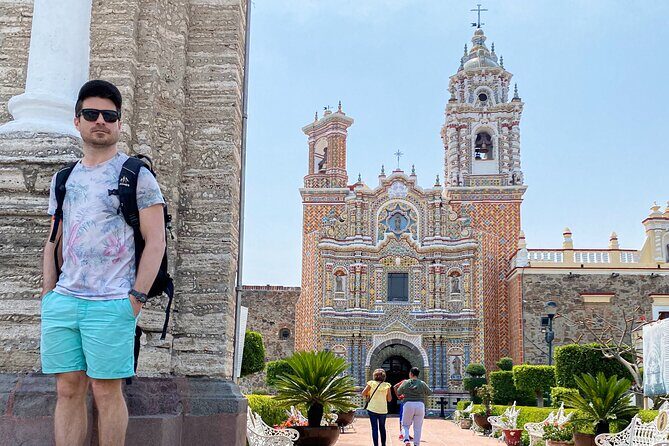
After Cholula, the tour moves into Puebla for a walking circuit through the historic center. This is the part you’ll appreciate if you like architecture and city-scale history rather than only museum-style stops.
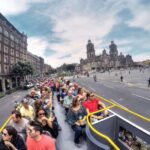
You’ll see key landmarks including the Zócalo, Puebla Cathedral, and the Rosario church, with the tour framed around buildings from the 16th to 18th centuries. The “City of Angels” nickname makes sense here—Puebla’s layout and church-dense center can feel like you’re constantly stepping into scenes that were designed for public life and public faith.
There’s also a market stop where you can grab snacks and pick up small souvenirs. Even if you don’t plan to buy much, snacks are a smart move: walking tours add up, and Puebla center afternoons can be warmer than you expect. If you skip food early, you’ll feel it later.
Lunch is on your own. The itinerary notes lunch occurs at a stop time block, with a special menu offered for clients, but it’s still listed as not included—so bring cash or plan on using your card.
The Pre-Hispanic Mine Experience in Taxco: Elevator Descent and 150-Meter Tunnel
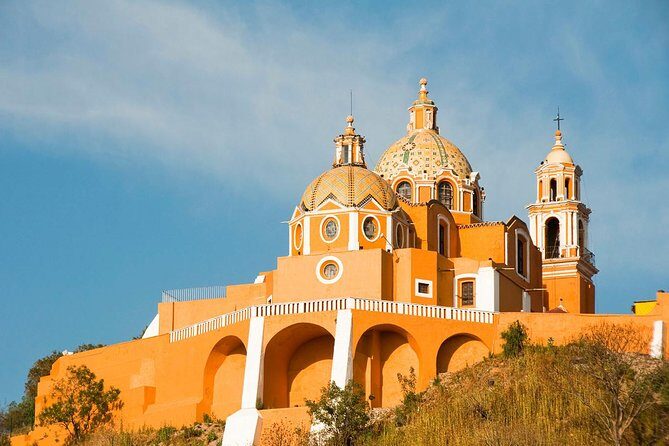
Then the trip shifts gears—hard—from churches and ceramics to mining. Day 2 goes to Taxco, and the big headline is Mina Prehispánica de Taxco (a pre-Hispanic mine). The mine experience is dated to 1400 to 1500, and the visit includes a mining elevator descent and travel through a 150-meter illuminated tunnel.
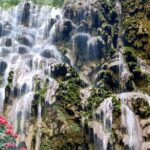
The atmosphere in a mine is different for a reason: it’s physical. The tunnel walls are described as sparkling due to precious metals still found in the rock. That’s the kind of detail that makes this stop feel less like a generic attraction and more like a look at how extraction worked before the Spanish era.
You’re also shown what ancient settlers used—tools and techniques—to find and extract metals. This matters because it helps you connect the sight (sparkling walls) with the process (how the work was done). Without that explanation, the visit could feel like a “look and go” time. With it, you get context for why Taxco became a silver powerhouse.
What to consider: mines can feel cooler than the street, but they’re also enclosed. If you dislike tight spaces or darkness, you’ll still likely manage—just don’t expect an easy walk like a museum floor. Bring a light layer if you run cold.




Taxco de Alarcón’s Silver Streets and Santa Prisca’s French Connection
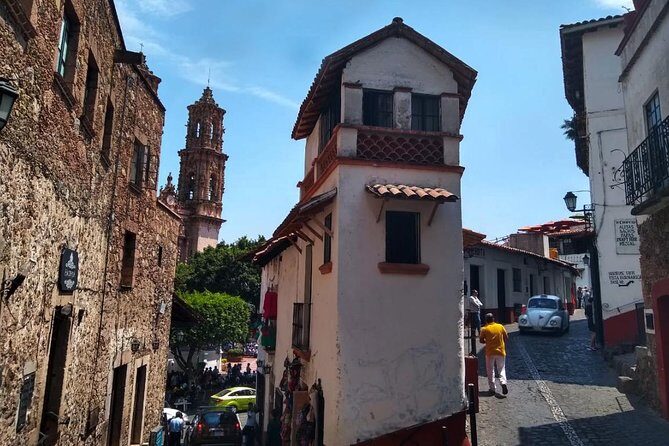
Taxco is the kind of place where you immediately understand why people love slow strolling. It’s a colonial city on a hillside with cobblestone streets and cozy squares. You’ll have time for the town experience and shopping, with roughly 3 hours set aside.
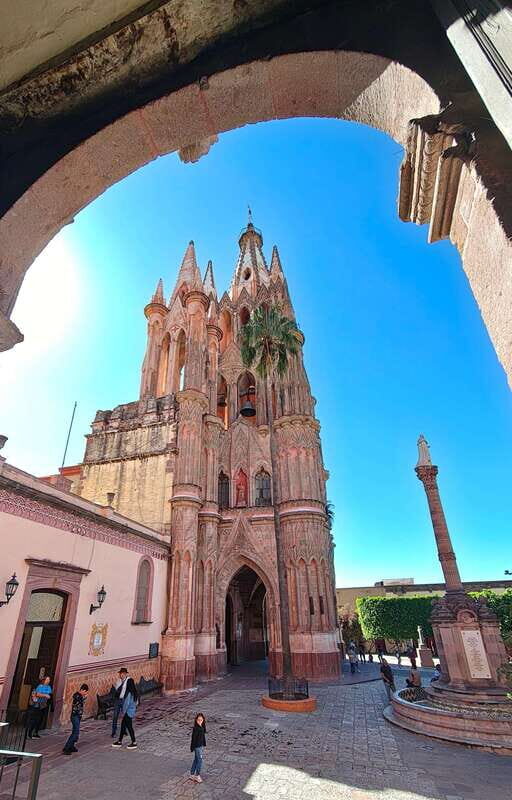
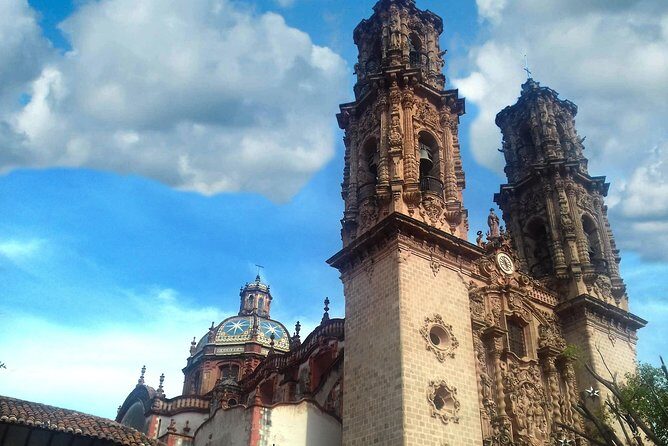
The church stop is Santa Prisca, one of Mexico’s grandest churches. It was built in 1758 by French immigrant José de la Borda, who is credited with finding a large silver spring after stumbling upon it. That story gives the church a practical meaning: it wasn’t built in a vacuum. It’s tied to wealth, mining, and the power that silver created in colonial Taxco.
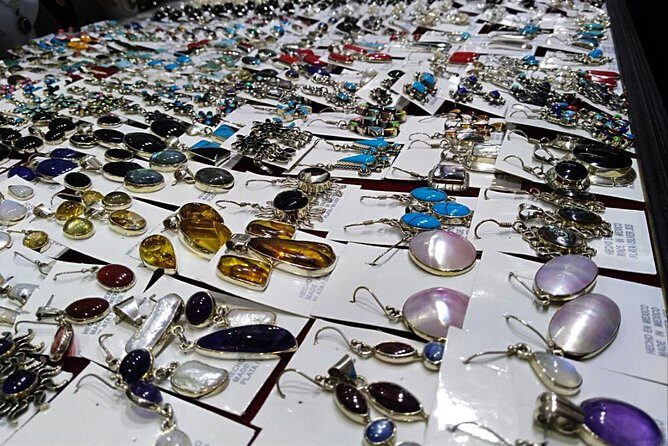
Shopping is a main event here. You’ll visit handicraft and silver shops, so you can see and buy local items made from Mexican silver. This is where you’ll want patience. Compare designs across shops, check finishes closely, and ask questions about what you’re buying—especially if you’re shopping for jewelry as a gift.
If you only do part of the trip, know this: Taxco is the centerpiece for silver lovers. The mine adds the “how it started” story, and Santa Prisca gives you the “what it built” view.
A Note on Cuernavaca: Confirm the Stops on Your Specific Departure
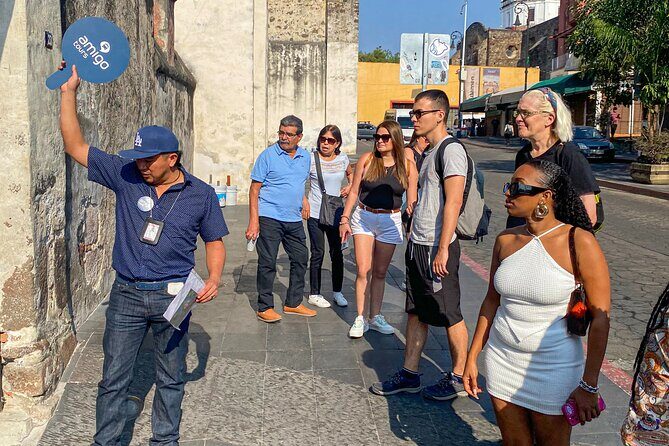
Your combo name mentions Cuernavaca, but the day-by-day plan shared here focuses on Cholula/Puebla on Day 1 and the pre-Hispanic mine plus Taxco on Day 2. That doesn’t mean Cuernavaca is never part of some versions—it just means it isn’t listed as a named stop in the schedule here.
One past feedback example described Cuernavaca as a quick stop focused on the cathedral. So if Cuernavaca is included on your departure, keep your expectations practical: it may be more of a drive-by or short visit than a full city experience. I’d check your final voucher for the exact stops so you don’t arrive hoping for a longer Cuernavaca block.
Guides Can Make (or Break) the Days: Ada, Aja, Francisco, Kevin, Ernesto
This itinerary lives or dies on the guide. The good news: the feedback contains examples of guides who were highly effective and English-friendly, including names such as Ada (Taxco), Aja (Cholula/Puebla), and also Francisco, Kevin, and Ernesto. People singled out that the guides brought history to life and helped structure the day so it felt less like herding people between landmarks.
On the flip side, at least one review warned about language mismatch and that some departures may not work well if you only speak English. That’s worth taking seriously.
If English is a must for you, I’d choose this tour with the assumption you’ll be riding in an English-capable guide setup, but stay flexible. If you speak some Spanish, you’ll feel more in control of the day, especially for market time and shopping questions.
Comfort, Heat, and Long Bus Hours: What You Should Plan For
This is where you should be realistic. Multiple reviews flagged issues with bus comfort: no A/C on some departures, and discomfort during very hot weather, including long rides to Taxco. If you’re traveling in peak heat, treat this like a “pack for the road” day even if the destinations are scenic.
Practical steps:
- Bring water even though food and drinks aren’t included.
- Pack sun protection (hat, sunscreen). You’ll want it for walking blocks and market time.
- Use layers. Cooled buses (when A/C works) can flip you from hot to cold fast, while mines and shaded churches can be cooler.
Also, traffic can add stress. Some feedback noted delays caused by multiple pickup points, and the return trip could turn into a long sit. If you get restless on buses, bring something to pass time (music, offline content, a book).
Lunch, Snacks, and Souvenirs: Where Your Money Actually Goes
Food is not included. Lunch happens as part of the schedule, but you’ll pay on your own. The itinerary points to local favorites like mole poblano or semita, which is a solid plan because these are the flavors people associate with Puebla.
Plan for snacks too. There’s market time on the Puebla side, and you’ll likely want something small before the day’s walking part ramps up. If you wait until you’re hungry, you’ll either overpay or end up eating something you don’t love.
Souvenirs tend to cluster around the craft stops. Talavera gives you one “buy-worthy craft category.” Taxco gives you the other: silver and jewelry. My rule: buy one meaningful item at each anchor craft moment, not ten small impulse buys. It keeps your budget sane and reduces regret.
Is This Tour Worth $129? The Value Match for the Right Traveler
At $129 per person for about 2 days, the value is mostly about packaging. You’re getting a lot into a short window: two historic-day blocks (Cholula and Puebla) plus a mine descent plus Taxco’s biggest church and shopping streets, all with round-trip transportation and a professional guide. You’re also getting the mine entrance included, which is a real cost component.
This is great value if:
- You like architecture and city centers, not just shopping malls.
- You want one hands-on experience (the mine) rather than only viewing things from the street.
- You don’t mind a bus day in exchange for seeing multiple places.
It’s less ideal if:
- You’re extremely sensitive to heat or bus discomfort.
- You need a guaranteed English-only guide experience.
- You want a slow, no-rush schedule with minimal transit.
Should You Book Puebla, Cholula & Tonantzintla Plus Taxco, Cuernavaca & Mine?
I’d book this if you want a structured “best of” circuit that covers church art, Puebla crafts, and Taxco silver culture in one compact trip. The mine elevator and illuminated tunnel are the sort of stop you’ll remember months later, and Puebla’s historic core is a strong match for first-time visitors.
I would pause if bus comfort is a top priority for you, because heat and A/C complaints show up in feedback. Also, if you’re counting on Cuernavaca as a major stop, check your voucher because the named schedule here emphasizes Cholula/Puebla and then Taxco.
If you do book, go in with the right mindset: be ready for long rides, bring water, and treat the early start like the price of admission for volcano views and silver-town payoff.
FAQ
What is the price for this tour?
The price is $129.00 per person.
How long is the tour?
It’s listed as 2 days (approx.).
What language is the tour offered in?
It’s offered in English (and may be operated in Spanish as well).
Where do I meet for the tour?
The meeting point is Hostal Amigo Isabel La Católica, Isabel La Católica 61-A, Centro Histórico, Cuauhtémoc, 06000 Ciudad de México, CDMX, Mexico.
What time does the tour start?
Start time is 6:20 am.
What’s included in the price?
Included are round trip transportation from the meeting point, a professional guide, and entrance to the Prehispanic Mine.
What is not included?
Food and beverages are not included, and there is no hotel pickup or drop-off.
Is entrance to the mine included?
Yes. Entrance to Mina Prehispánica de Taxco is included.
Do I need a passport?
Yes. You must present a passport (physical, digital, or photocopy) showing legal stay in Mexico, and if you don’t have the physical document, you need to show specific passport pages.
How physically demanding is it?
The tour notes a moderate physical fitness level is recommended. There is walking during the city tours and time in the mine area.
What is the group size limit?
The tour has a maximum of 35 travelers.