REVIEW · MEXICO CITY
From Mexico City: Puebla, Cholula and Tonantzintla Day Trip
Book on GetYourGuide →Operated by Amigo Tours LATAM · Bookable on GetYourGuide
This day trip is interesting because Mexico’s layers are right there in front of you, from Cholula’s massive earthwork to Puebla’s ornate colonial churches and the oddball beauty of Tonantzintla. I like how the tour mixes big-icon sights with human details, and you get a bilingual guide who connects the dots instead of just pointing at buildings.
I also love the chance to shop and snack like a local, especially around Parián Market for Talavera pottery. One possible drawback: it’s a long day, and traffic can stretch the schedule, so the free time in Cholula or Puebla may feel a bit short.
In This Review
- Key highlights at a glance
- A Day Trip That Layers Mexico: Cholula, Tonantzintla, and Puebla
- Getting There from Mexico City: Early Pickup and Traffic Reality
- Cholula’s Great Pyramid: The World’s Largest Pyramid by Volume
- Tonantzintla’s Santa María Church: Indigenous Baroque Meets Christian Motifs
- Puebla’s Historic Center: Cathedral Grandeur and the Rosary Chapel of Santo Domingo
- Parián Market and Talavera Shopping: What to Look For
- Lunch in Puebla: What the Included Meal Option Gets You
- The Real Deal on Timing, Walking, and What to Bring
- Guide Quality: Bilingual Storytelling That Makes the Stops Click
- Price and Value: Is $89 Worth It?
- Who This Tour Suits Best
- Should You Book This Trip?
Key highlights at a glance
- Great Pyramid of Cholula: world-famous by volume, with a colonial church perched on top
- Tonantzintla’s Santa María: indigenous baroque style where native motifs meet Christian symbolism
- Puebla UNESCO center: Cathedral + the gilded Rosary Chapel of Santo Domingo
- Parián Market: a colorful place to browse Talavera and handmade crafts
- Lunch option in Puebla: a built-in chance to try regional favorites at a local restaurant
A Day Trip That Layers Mexico: Cholula, Tonantzintla, and Puebla
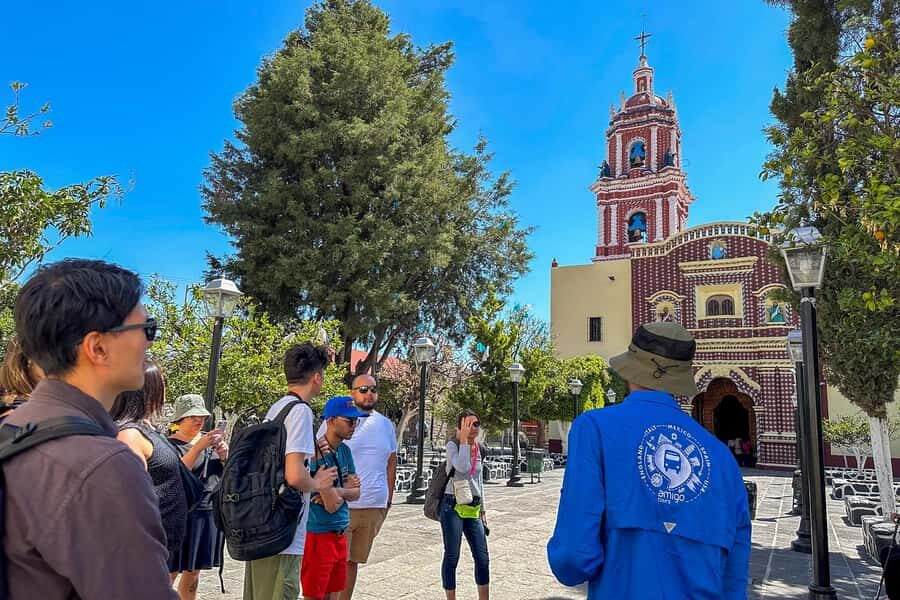
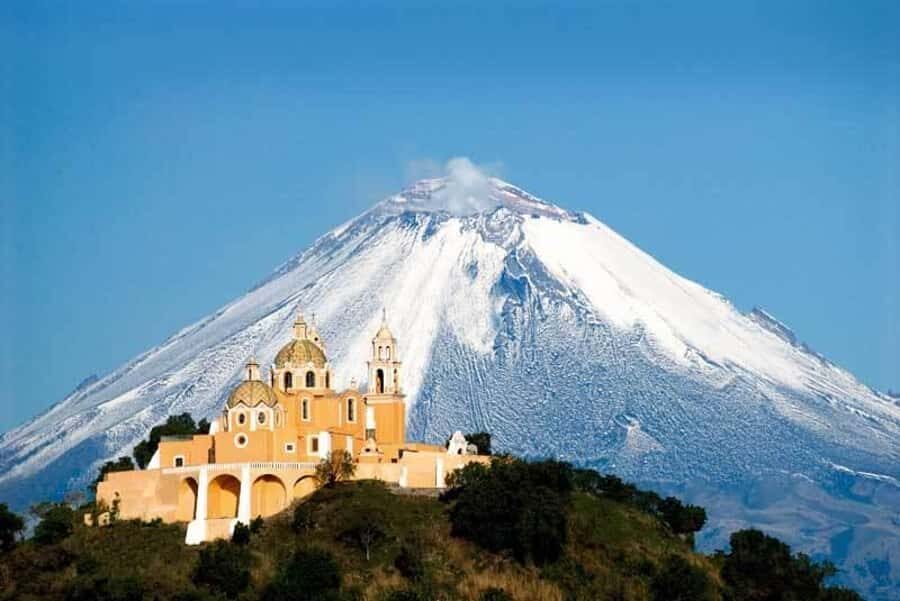
If you’ve only seen Mexico City, this trip gives you that feeling of stepping sideways in time. The morning drive aims you east, and on clear days you’ll get framed views of Popocatépetl and Iztaccíhuatl. Then the day starts stacking up: a pre-Hispanic giant in Cholula, a church with indigenous baroque energy in Tonantzintla, and Puebla’s cathedral-world splendor by midday.
What makes it work is the way the stops talk to each other. Cholula isn’t presented as a single monument; it’s treated like a clue to how old and new beliefs overlapped. Tonantzintla takes that idea and shows it in architecture and decoration. Puebla then lands the story with grand religious sites and a city vibe that feels calmer than Mexico City.
And the guides matter. Several departures get praised for guides like Rodrigo and Alvaro for history storytelling, plus Miriam for strong translation. Other guides mentioned include Leonardo, Yair, Ada, and Ingrid. The common thread: people say they explain what you’re looking at and keep the pacing moving.
You can also read our reviews of more city tours in Mexico City

Getting There from Mexico City: Early Pickup and Traffic Reality
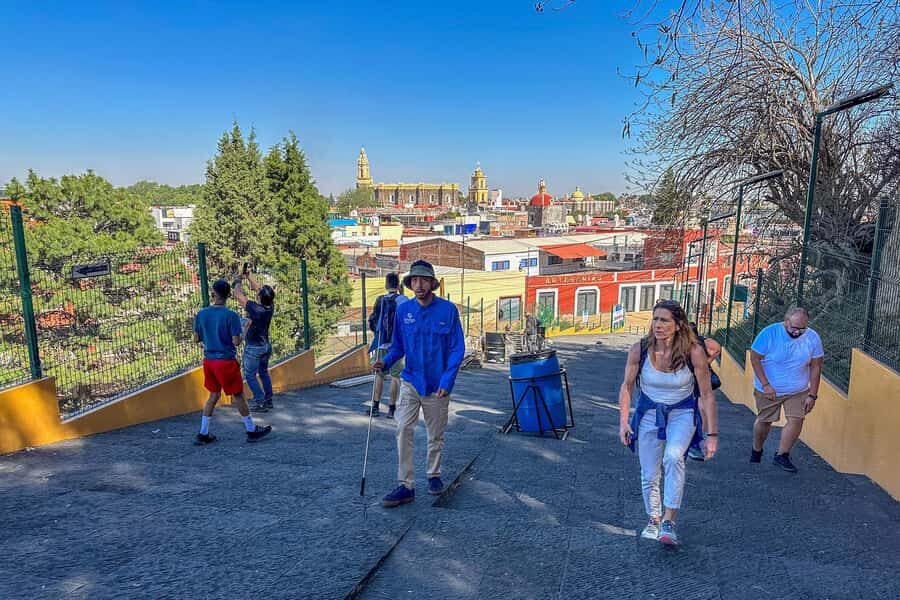
Plan for an early start. You meet at Hostal Amigo (Calle Isabel la Católica 61-A, Centro Histórico de la Ciudad de México) at either 6:20 am or 8:10 am, depending on the option you choose. If you add hotel pickup, you’ll be picked up within the pickup area; outside that zone, you’ll get an alternative close-by location.
The drive is built around a bus/coach schedule with photo stops along the route. And yes, traffic can change everything. Some departures report a return time as late as 9:30 pm due to heavy traffic, even when the planned route felt more straightforward. So think of the tour as structured guidance, not a rail-timetable guarantee.
Practical tip: wear layers. One review-style tip that keeps showing up is this: you leave early, it can feel cool, then you warm up later. Bring comfortable shoes too, because the walking isn’t all smooth pavement.
Cholula’s Great Pyramid: The World’s Largest Pyramid by Volume
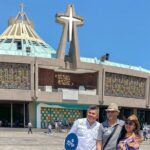
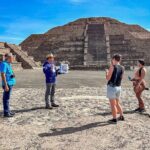
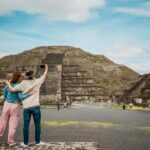
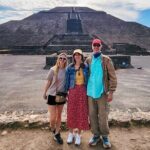
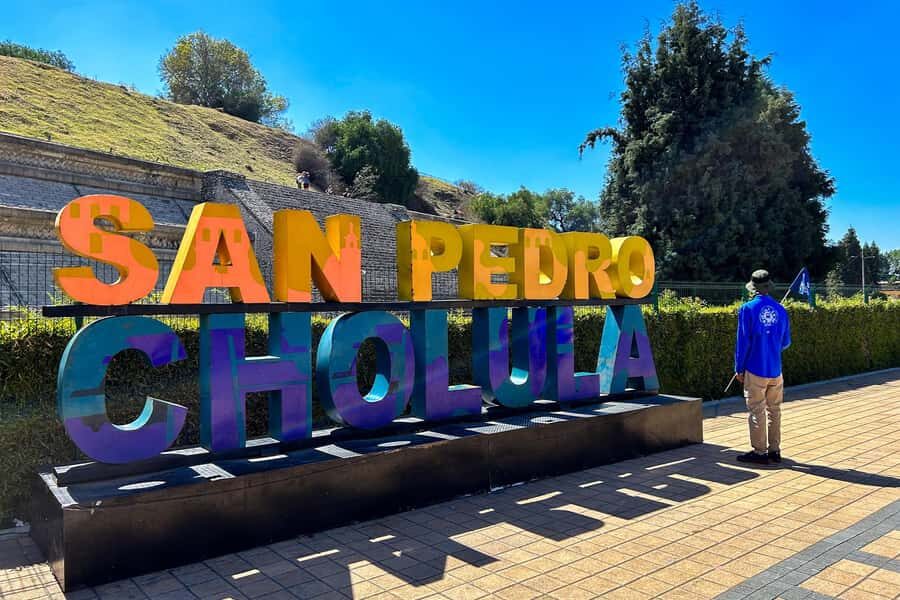
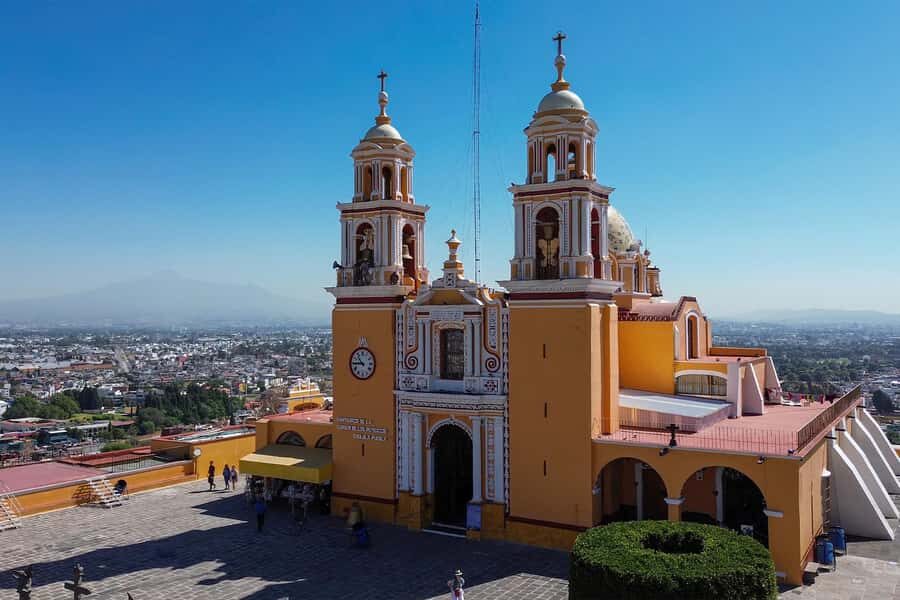
Cholula is where this day trip earns its wow. The star is the Great Pyramid of Cholula, often described as the largest pyramid in the world by volume. The interesting part is how the site works visually. You’re looking at a huge pre-Hispanic structure, and on top sits a colonial-era church. It’s one of those places where your brain keeps flipping between eras.
On this stop, you typically get a mix of guided time and room to wander. That matters, because there’s more than one way to experience it. Some people prefer to stay grounded, reading the site and taking photos from the main areas. Others climb for views. You should also expect legends and interpretation to be part of the guide’s explanation, since that’s woven into how the site is understood.
Timing note: a few people wished they had more time in Cholula—sometimes the free time around the pyramid feels tight. If Cholula is your priority, I’d treat that hour-plus as your “real” explore window and plan your photos and shopping priorities early in the day.
Tonantzintla’s Santa María Church: Indigenous Baroque Meets Christian Motifs
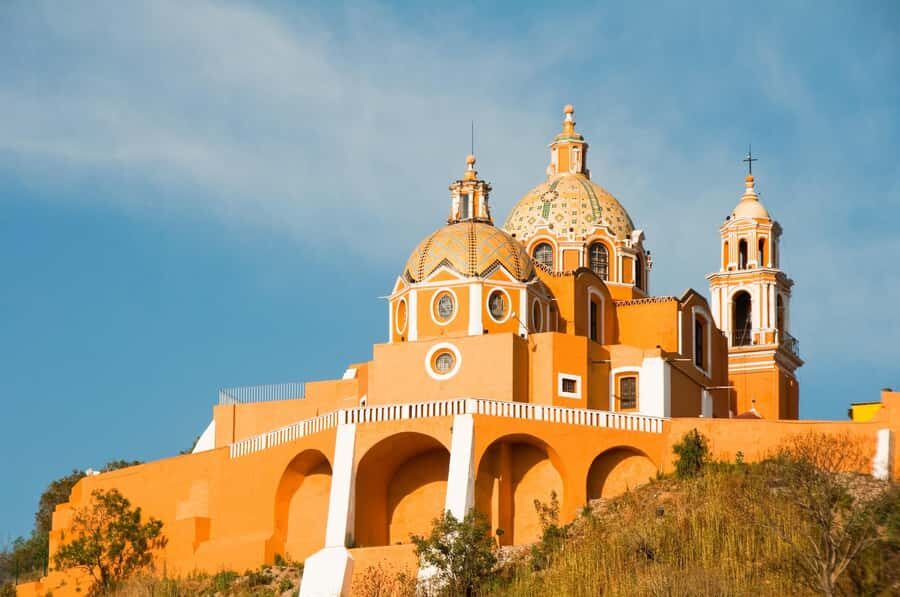
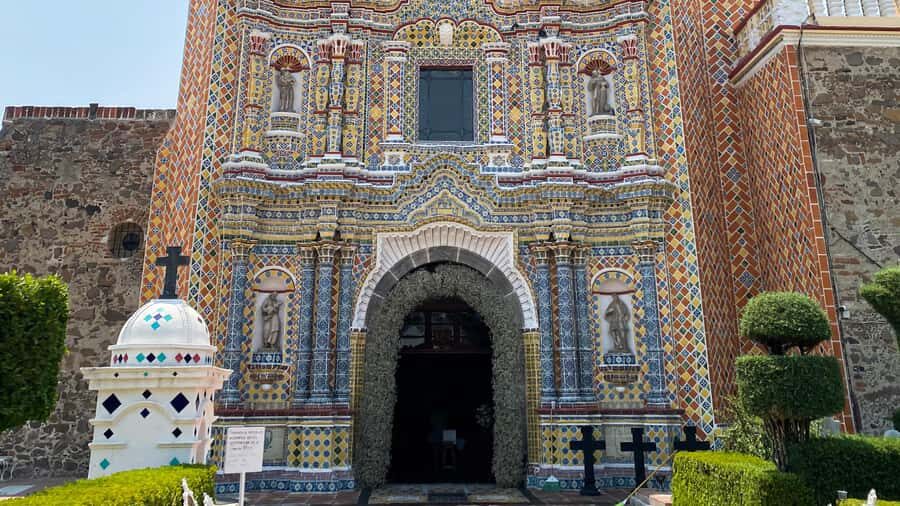
Then you move to Santa María de Tonantzintla, a church famous for combining two worlds in one visual language. It’s celebrated for its indigenous baroque style, meaning the interior isn’t just ornate in a European way. It’s loaded with native motifs plus Christian symbolism, creating a look that feels local, bold, and a bit surreal—in the best way.
This stop is shorter than Puebla’s wandering time, but it’s a strong payoff. The guided tour helps you see the details you might otherwise miss, like how decoration changes the mood of the room. If you care about art history, religious symbolism, or how cultures blend rather than replace each other, Tonantzintla is the kind of place that sticks.
One more practical thing: it’s a church, so you’ll want to keep your eyes up and your pace slow. The point isn’t speed; it’s noticing.
Puebla’s Historic Center: Cathedral Grandeur and the Rosary Chapel of Santo Domingo
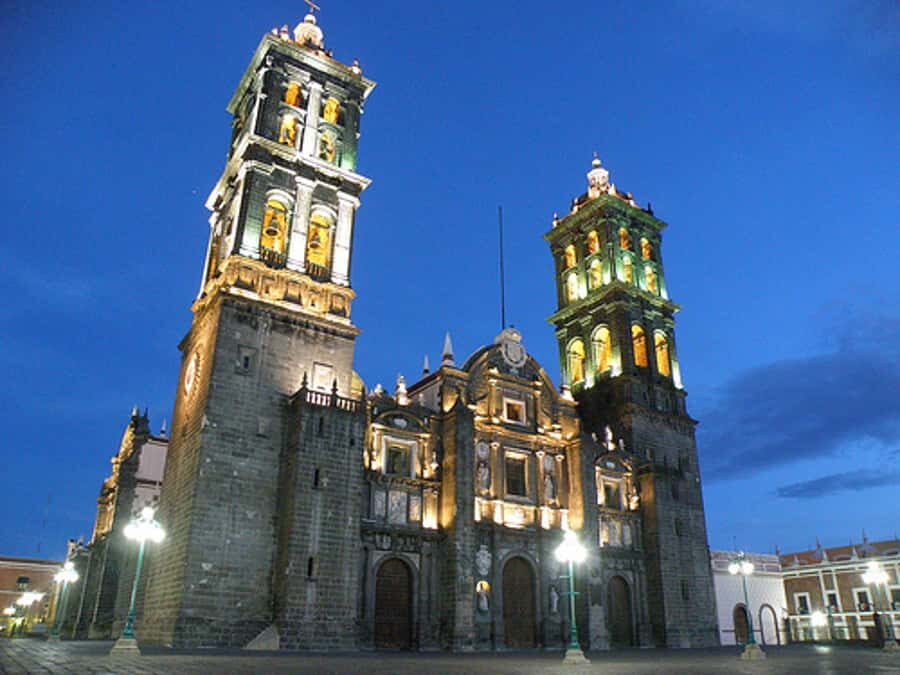
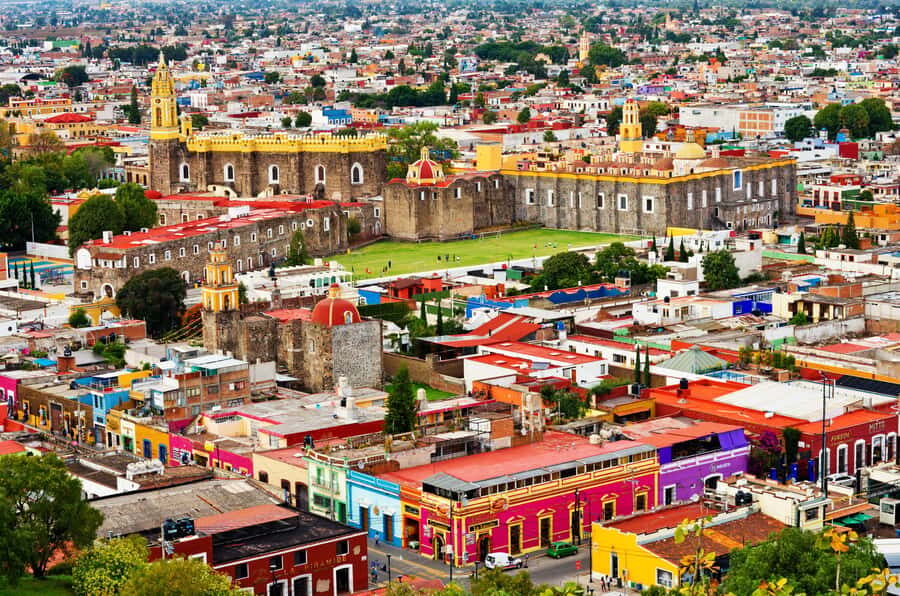
Puebla is the city that gives you the postcard colors—then turns into a walking tour full of “wait, that’s stunning” moments. You’ll explore the UNESCO-listed historic center with a guide, which is helpful because the area is dense and the architecture is layered.
Two stops are usually the headline here:
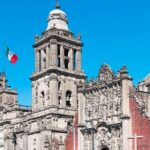
- The grand Cathedral
- The Rosary Chapel of Santo Domingo, described as one of the most beautiful chapels in the world, with heavy gilding and eye-catching detail
The cathedral moment can feel like sensory overload in the best way. Even if you’re not a big church person, you’ll probably notice the scale and craftsmanship. The Rosary Chapel tends to be the crowd favorite because it’s concentrated, ornate, and designed for attention.
The walking is manageable, but it’s not just strolls through flat streets. You’re on a schedule, and the group needs to stay together. That’s where having a good guide earns their keep. People mentioned guides keeping time smoothly while still making sure questions got answered.
Free time exists after the main guided portion, but some visitors say it’s not a lot if you want to linger hard on specific buildings or side streets. My advice: decide what matters most—cathedral area photos, Rosary Chapel detail, or simply living in Puebla’s lanes for a bit.
You can also read our reviews of more tours and experiences in Mexico City


Parián Market and Talavera Shopping: What to Look For
After churches, you get to breathe. Then comes Parián Market, a colorful place to browse handicrafts. This is where the tour stops pretending you don’t have hands.
Talavera pottery is the obvious star, but you’ll also see textiles and other handmade goods. The value here isn’t just shopping—it’s context. Puebla’s identity is tied to craft, and seeing these items in a market setting helps you understand why Talavera matters culturally, not only as souvenirs.
Shopping tip from how this kind of market time is experienced: go in with a quick plan. Decide if you want plates, tiles, decorative pieces, or smaller gifts. Talavera design can be tempting, so it helps to set a budget before you fall in love with an object you don’t really need.
Also: prices can vary. The tour doesn’t position this as a pressure-cook shopping stop, but you’ll still want to compare and ask about sizes and materials.
Lunch in Puebla: What the Included Meal Option Gets You
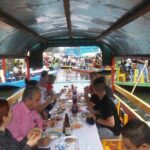
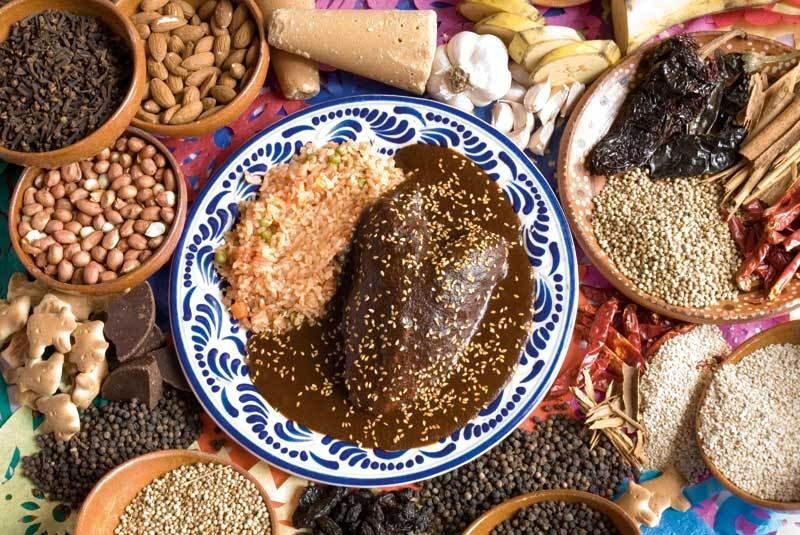
Lunch is included only if you choose the option that says lunch-included. When it is included, it’s designed to be a sit-down meal at a local restaurant in Puebla—so you’re not stuck eating something random near the biggest tourist intersections.
From the experiences shared, lunch can be a high point. One person mentioned a lunch stop with live violin music, which is the kind of detail you don’t get from basic bus-station meals. Another theme: lunch is delicious and not described as overpriced.
If you have dietary needs, the tour info doesn’t spell out special meals. So it’s smart to be ready for standard menus and possibly bring small snacks for the bus ride if you get hungry early. (One review specifically suggested bringing your own snacks for the trip between stops.)
The Real Deal on Timing, Walking, and What to Bring
This tour is described as including a moderate amount of walking, with uneven ground. That means comfortable shoes are not a suggestion; they’re the difference between enjoying the churches and spending the day thinking about your aching feet.
Bring:
- Comfortable shoes
- Comfortable clothes (and layers for the early morning)
- Cash
- Passport (digital, original, or a photocopy is accepted)
Passport requirement matters here. There’s a note about immigration regulations, so you’re expected to present your passport in an accepted form that proves your legal stay in Mexico.
Also, expect to spend parts of the day outside and in sunlight. Even if the morning is cool, Puebla afternoons can feel warmer, and you’ll be walking between major stops.
Guide Quality: Bilingual Storytelling That Makes the Stops Click
One thing you can’t fully predict from a description is how a guide will pace the day. But the feedback is consistent: people praise guides for being engaged, patient with questions, and good at translating between English and Spanish.
You’ll see names like Rodrigo and Alvaro for strong history storytelling, and Miriam for translation. Leonardo, Yair, Ada, and Ingrid show up in other positive experiences. Some mentions go beyond content: one review highlighted listening devices so everyone could hear clearly, and another praised a vehicle that had charging ports at each seat.
That “hear the guide clearly” detail is more important than it sounds. When you’re in a church, you often can’t hear over your own footsteps or the room acoustics. If your group gets devices, it makes the guided parts feel genuinely guided instead of guessing.
Price and Value: Is $89 Worth It?
At $89 per person, you’re paying for transportation, a bilingual guide, and guided access to major stops across three towns. The big value pieces are:
- Round-trip transportation from Mexico City
- A guide who interprets Cholula, Tonantzintla, and Puebla instead of leaving you to piece it together alone
- Tonantzintla visit included
- Lunch included only if you select that option
The real value depends on your priorities. If you want a smart route and you don’t want to coordinate buses, timing, and tickets yourself, $89 is a reasonable “pay to reduce friction” price.
If you’re the type who likes to move on your own time, you might feel the schedule pressure—especially because traffic can stretch the day and free time can be brief. In that case, you might compare this with an option that gives you more flexible hours in Puebla.
Also remember: the tour length is listed as 6.5 to 11 hours. That’s a huge range. The more variable the day becomes (traffic, weather, and group flow), the more you’ll want to keep your expectations realistic.
Who This Tour Suits Best
This fits you well if:
- You want a first taste of central Mexico without planning logistics
- You care about how indigenous and colonial influences blend (Tonantzintla is a top reason)
- You enjoy guided walking tours through historic city centers
- You want market time for Talavera and crafts rather than only monuments
It might be less ideal if:
- You hate early mornings and long days
- You’re extremely detail-focused on one site and get frustrated by shorter free time
- You’re sensitive to schedule changes caused by city traffic
Should You Book This Trip?
I’d book it if you want one day to connect Cholula’s pyramid story, Tonantzintla’s mixed-faith art, and Puebla’s church-and-craft personality in a way that makes sense.
If you do book, go in with two strategies:
- Decide what you want most in Cholula and Puebla, because free time can be tighter than you’d like.
- Expect a long day and bring what keeps you comfortable—especially shoes, layers, and passport paperwork.
If those sound like your kind of trade-off, this tour is a strong value: $89 buys you guided interpretation, major sights in the right order, and the chance to shop Talavera without adding travel headaches.