REVIEW · SAN MIGUEL DE ALLENDE
Taste of Europe in Mexico: History and Flavors of Artisan Cheese
Book on Viator →Bookable on Viator
Cheese here is a story. This San Miguel de Allende class blends Mexican ingredients with French cheese traditions through guided tastings and practical pairing know-how.
I really liked the sit-down format led by Tonya, plus the city-view home setting that makes the whole thing feel personal. I also loved the hands-on cheeseboard moment, with a dozen-plus local cheeses, condiments like membrillo and orange blossom honey, and several drink pairings as you go.
One thing to consider: it’s a real meal-style experience starting at 3:00 pm, so you’ll want to show up hungry (not “I’ll just taste one thing” hungry). Also, there’s no private transport, so plan how you’ll get to the meeting point near Independencia.
In This Review
- Key highlights you’ll care about
- A 3:00 pm cheese class with French-Mexican flavors
- From Parroquia meeting point to Tonya’s table with city views
- The cheese history lesson: French makers and Mexican craft
- What’s on the cheeseboard: dozen local cheeses plus San Miguel condiments
- Starters that set the tone before the main tasting
- Pairing rules you can actually use, from honey to wine
- Cheese-based desserts: pistachio cheesecake and goat cheese panna cotta
- Is it worth $110? Value check for food, tastings, and guidance
- Who should book this Taste of Europe cheese experience
- Should you book this tour or skip it?
- FAQ
- What is the duration of the experience?
- What time does it start?
- Where do I meet for the class?
- How large is the group?
- Is it offered in English?
- What’s included in the price?
- Is private transportation included?
- Can I cancel for a full refund?
- Do you provide a mobile ticket?
Key highlights you’ll care about
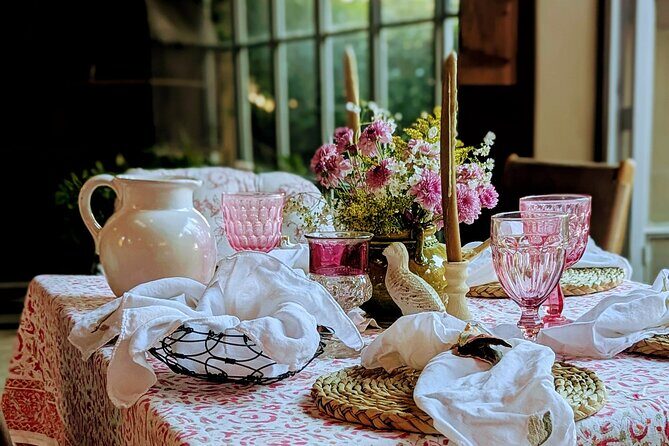
- Tonya-led lesson with history, tasting, and clear explanations you can use right away
- City-view home setting that feels relaxed, not like a rushed demo
- French-inspired cheeseboard with a dozen or more local artisan cheeses
- San Miguel condiments like membrillo, cajeta de Celaya, and miel de azahar (orange blossom honey)
- Board-building and storage tips you can copy at home, not just “here’s cheese”
- Cheese-based dessert finish including pistachio cheesecake and goat cheese panna cotta
A 3:00 pm cheese class with French-Mexican flavors
This is the kind of food experience that fits well into a travel day because it’s only about 2 hours. You start with appetizers and a beverage, then you settle in and work through a guided tasting that ends with a dessert made with cheese.
What makes it interesting is the mix of cultures. You’re not only tasting cheese; you’re learning why cheese in Mexico tastes the way it does, including how French cheese makers helped shape local traditions.
And yes, you’ll eat a lot for the time. Expect multiple starters, a large cheeseboard with a dozen local artisan cheeses, and more than a few bites along the way.
You can also read our reviews of more historical tours in San Miguel de Allende

From Parroquia meeting point to Tonya’s table with city views
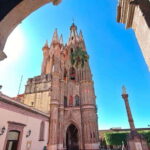
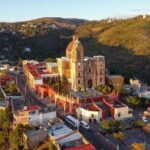
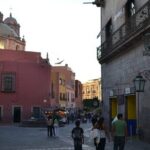
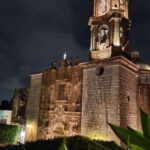
You’ll meet at Independencia 2260 in the Mexiquito area of San Miguel de Allende. The activity is listed with Parroquia de San Miguel Arcángel as the start point, and it returns you to the same meeting point when it’s over.
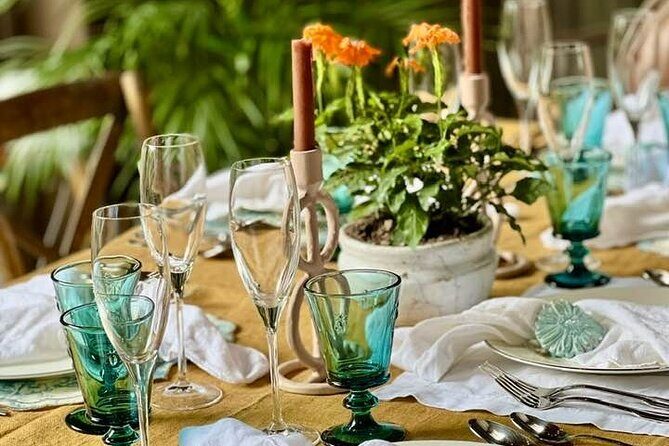
The best part, though, is where the class happens. One of the strongest themes I picked up from the experience is that it’s hosted in Tonya’s home, and you get a lovely view over the city while you learn and taste. That makes the lesson feel less like a “tour” and more like you’ve been invited into a real kitchen-and-dining setup.
Group size also matters here. It’s capped at 12 travelers, so you’re not shouting questions over a busload of people.
The cheese history lesson: French makers and Mexican craft
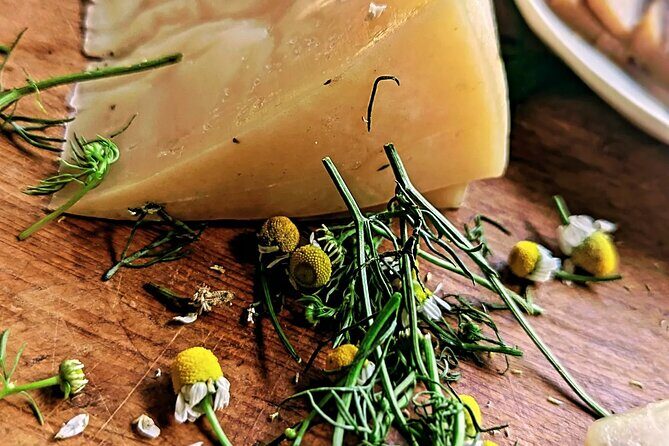
Before the cheeseboard becomes the main event, you start with an overview of cheese history with a Mexico focus. You’ll learn how cheese entered and took root in Mexico, including how generations of French cheese makers became part of the story for hundreds of years.
Then the lesson pivots to how cheese is actually made. You’ll get a clear walk-through of the differences between commercial cheese and artisan cheese, plus the major styles of cheese and what you should look for when tasting.
This part is valuable because it changes how you eat. Instead of tasting randomly, you learn what affects flavor and texture—things like production style and cheese character—so the tasting becomes more “click, I get it” than “just wow, cheese.”
Tonya also explains the role of cheese mongers and cheese makers in the local scene. Even if you’ve never cared about where cheese came from, you’ll leave knowing how to talk about it and how to think about buying it.
What’s on the cheeseboard: dozen local cheeses plus San Miguel condiments
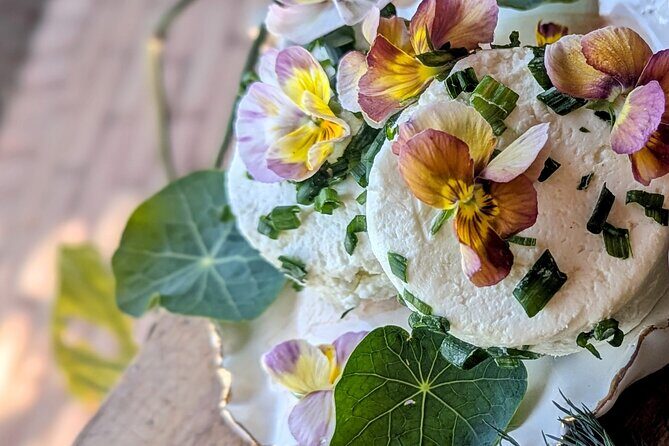
Once the story and basics land, the experience turns into its big moment: the cheeseboard. You’ll set up a French-inspired board with a mammoth selection of a dozen local artisan cheeses.
Alongside the cheeses, you’ll have an array of condiments and pairings that are very San Miguel de Allende in spirit. The list includes:
- membrillo (quince paste)
- cajeta de Celaya
- miel de azahar (orange blossom honey)
- plus items like bread and flowers used as part of the presentation
Here’s what I like about this setup: the board isn’t just about variety for variety’s sake. You learn how to place and serve components in a way that makes tasting easier, and you also get guidance on how to buy, serve, cut, pair, and store cheese.
Food lesson gold. Most cheese tastings stop at “taste this.” This one gives you the structure to recreate it later.
Starters that set the tone before the main tasting
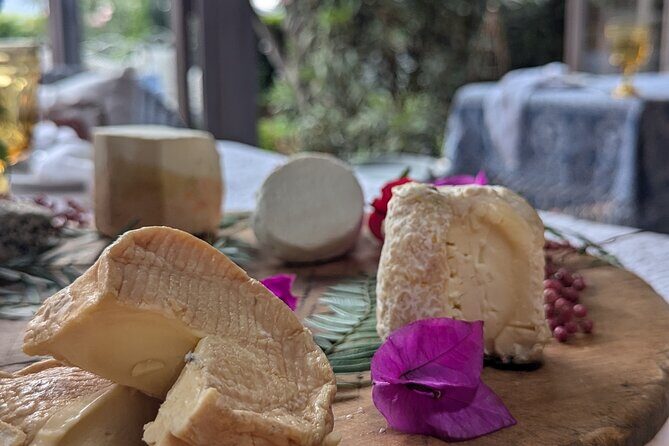
Before you jump into the big cheeseboard, you begin with several cheese-based appetizers and a beverage. The experience can include a mix of baked and savory starters, plus a few Italian-style options that help you understand how different flavors play with cheese.
Some of the starter ideas you might see include:
- baked feta with grapes or tomatoes and herbs (served with crostini)
- baked Camembert (sometimes with candied pecans and jams, with crostini)
- a charcuterie board with meats, nuts, fruits, olives, jams, membrillo, plus bread and crackers
- antipasto-style bites like grilled bread with tomato, buffalo mozzarella, grilled eggplant and zucchini
- an Italian artichoke pie with provolone in a crust
- homemade focaccia with rosemary and toppings like tomatoes or olives
I like that this approach doesn’t overwhelm you with straight cheese right away. You get salty, sweet, and herby flavors first, which makes the later board tastings feel more organized.
Also, this is why the class works for both cheese fans and casual eaters. If you’re new to artisan cheese, the starters act like training wheels.
You can also read our reviews of more tours and experiences in San Miguel de Allende
Pairing rules you can actually use, from honey to wine
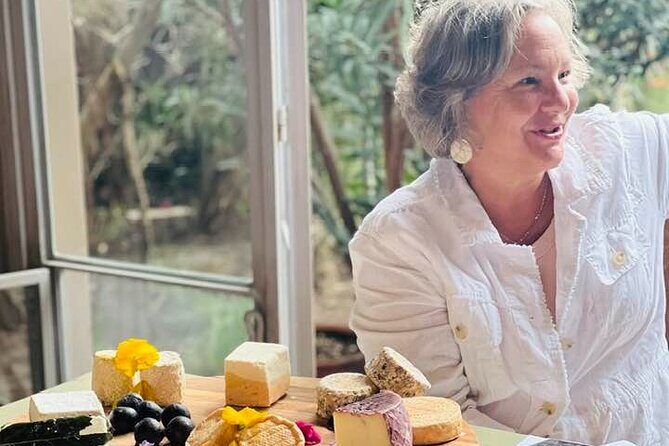
After the cheeseboard is in front of you, you’ll taste each cheese as you go. You’re also taught the rules of pairing—how to match cheeses with drinks and condiments so the flavors don’t fight.
Beverage pairings are part of the experience, and in practice that can include wine-style pairings. That matters because cheese is one of those foods where drink pairing can either lift the flavor or leave you with a dull “same-y” mouthfeel.
What I found most useful is that you’re not left guessing. You learn pairing logic by tasting along the board and hearing the intent behind each match. It’s the difference between copying a list and understanding the pattern.
You’ll also learn the “board mechanics” that people skip. Things like where to put what on the board, how to cut and portion, and how to keep cheese at the right temperature so it tastes like itself. If you’ve ever bought cheese and then let it sit too long, those storage tips will pay off.
Cheese-based desserts: pistachio cheesecake and goat cheese panna cotta
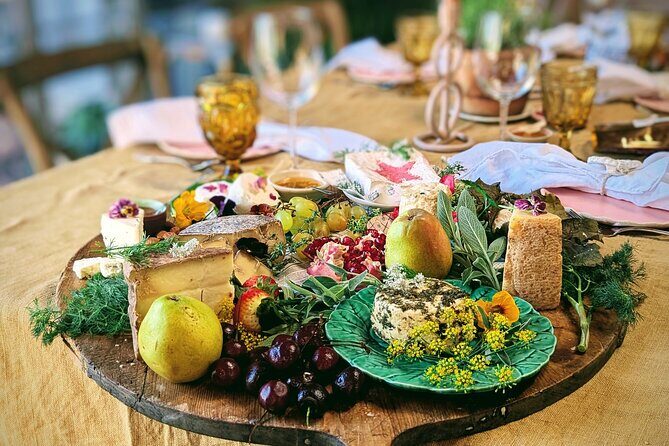
The class doesn’t end when you finish the cheeseboard. You wrap it up with a dessert built around cheese, which is a great closer because it shows cheese outside of the usual savory lane.
Dessert options you might have include:
- pistachio cheesecake made with fresh pistachios and cheeses
- goat cheese panna cotta, a homemade cooked pudding
- fig frangipane tart, often served with cheese ice cream
This portion also helps connect the dots. If you’ve learned about cheese styles and textures, you’ll start noticing how creaminess, acidity, and sweetness can all work together when you pair them thoughtfully.
It’s a smart finish because you’re not just full—you’re satisfied and curious. You leave wanting to buy cheese and make a real board, not just snack for a day.
Is it worth $110? Value check for food, tastings, and guidance
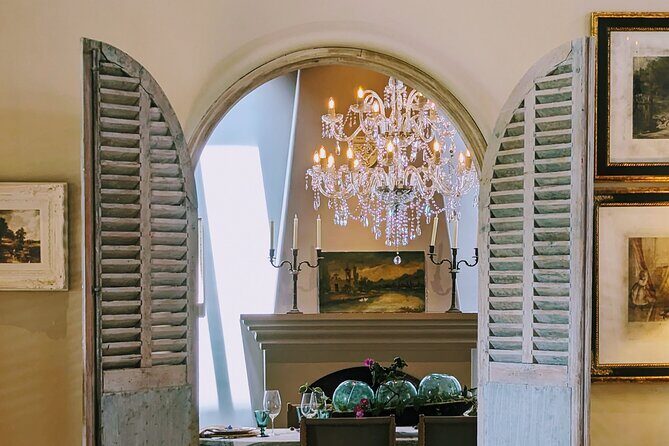
At $110 per person for about 2 hours, this isn’t a cheap bite. But it’s also not priced like a fancy restaurant entrée.
Here’s the value math that matters: you get multiple appetizers, a large selection of a dozen or more local artisan cheeses, a variety of beverages, and a cheese-based dessert. You’re also getting guided instruction—history, how cheese is made, and practical pairing plus board-building techniques.
If you’ve ever paid for a “tasting” that turns out to be a few slices and a quick lecture, this feels different. The portioning and structure are designed so you actually learn by eating, not just watching.
One more value point: the experience is capped at 12 travelers, and it’s offered in English. For many people, that combo is worth something on its own—better attention, less waiting, and less feeling like you’re on display.
Who should book this Taste of Europe cheese experience
This class is a great fit if you want a food-focused activity that’s both social and educational. It works especially well if you enjoy:
- artisan food and local ingredients
- learning how to pair flavors instead of just collecting recommendations
- spending an afternoon in a smaller group setting
It also suits couples and small friend groups because the structure feels like a shared meal. If you’re a solo traveler, it’s still manageable thanks to the group size limit and the table-centered format.
If you dislike cheese in any form, this is obviously not your day. But if you’re open-minded—like baked cheese starters and dessert cheese—this kind of experience can turn you into a repeat cheese buyer.
Should you book this tour or skip it?
I’d book it if you want more than tasting. You’re paying for the whole chain: the history context, the cheeseboard know-how, the pairing rules with drinks, and the practical guidance on how to store and serve cheese later.
Skip it if you’re looking for a quick walk-around “see and sample” style activity. This is a sit-down class at Tonya’s place, starting at 3:00 pm, and you’ll get the most from it if you treat it like a real meal experience.
If you’re staying in San Miguel de Allende and you want an authentic, food-first afternoon with local condiments like membrillo, cajeta de Celaya, and orange blossom honey, this is the kind of class you’ll remember long after the last bite.
FAQ
What is the duration of the experience?
It runs for about 2 hours.
What time does it start?
The start time is 3:00 pm.
Where do I meet for the class?
You meet at Independencia 2260, Mexiquito, 37717 San Miguel de Allende, Gto., Mexico. It ends back at the same meeting point.
How large is the group?
The class has a maximum of 12 travelers.
Is it offered in English?
Yes, it’s offered in English.
What’s included in the price?
It includes several appetizers (starter items), a dozen or more artisan cheeses, variety of beverages, and a cheese-based dessert.
Is private transportation included?
No, private transportation is not included.
Can I cancel for a full refund?
Yes. You can cancel up to 24 hours in advance for a full refund.
Do you provide a mobile ticket?
Yes, the experience includes a mobile ticket.