REVIEW · MEXICO CITY
Tamales 101: Multi-variety tamal cooking class and feast
Book on GetYourGuide →Operated by Martaja - Market tours & cooking classes in Mexico City · Bookable on GetYourGuide
Tamales have more flavors than you think. This 4-hour tamale class turns an everyday comfort food into a full-on cooking lesson, with two varieties you make from scratch and a real dinner you share right after. You start with the larger story of Mexican tamales, then get hands-on with the classics and a seasonal twist.
Two things I especially like: the tangy green tomatillo filling in the tamales you steam, and the sweet fresh-corn tamal paired with a smoky chipotle salsa you make yourself. One thing to consider: it’s hosted in a home where the building has no elevator, so mobility limits need a bit of planning.
In This Review
- Key Tamales 101 Takeaways
- A Condesa Home Where Tamales Become a Lesson
- The 4-Hour Flow: From Tamal Basics to a Shared Feast
- Green Tamales with Tomatillo: Tang You Can Taste
- Seasonal Fresh Corn Tamals: Sweetness Meets Smoke
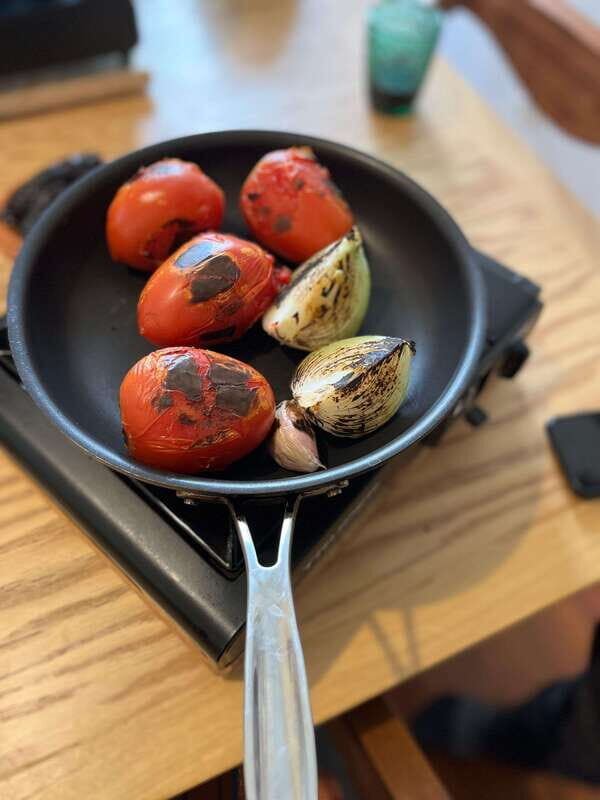
- Chipotle Salsa: Your Smoke, Your Rules
- The Table Feast and the Artisan Dinnerware Detail
- Dietary Needs, Allergies, and Cats: Plan Smart
- Language, Questions, and the Pace That Helps You Learn
- Price and Value: $130 for Food, Drinks, and Skill
- What You’ll Leave With: Skills, Recipes, and Better Flavor Sense
- Who Should Book Tamales 101 (and Who Might Skip It)
- Should You Book Tamales 101: Multi-Variety Tamal Cooking and Feast?
- FAQ
- How long is the Tamales 101 class and feast?
- Where does the experience take place?
- What tamales will you make?
- What’s included in the price?
- Are dietary requirements accommodated?
- What languages is the instructor?
- Is it a group class or private?
- Is there anything to know about accessibility or allergies?
Key Tamales 101 Takeaways
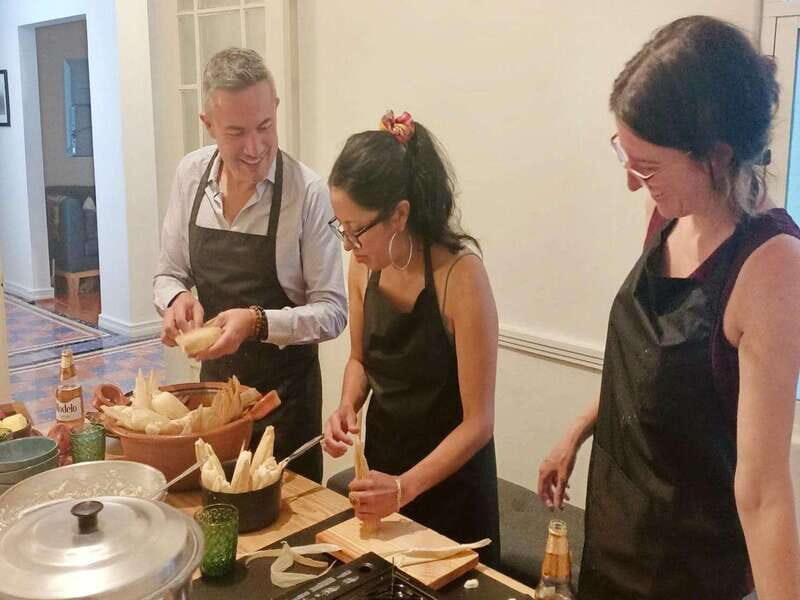
- Two tamal styles in one session: classic green and a seasonal fresh corn version
- Chipotle salsa hands-on: you control the smoky flavor, not just the recipe
- Dinner feels like a special meal: you set the table using locally made artisan dinnerware
- Food + context together: you learn why tamales vary so much across Mexico
- Dietary tweaks are taken seriously (not strict Kosher): talk needs ahead of time
- Small-group or private formats: easier to ask questions and move at your pace
A Condesa Home Where Tamales Become a Lesson
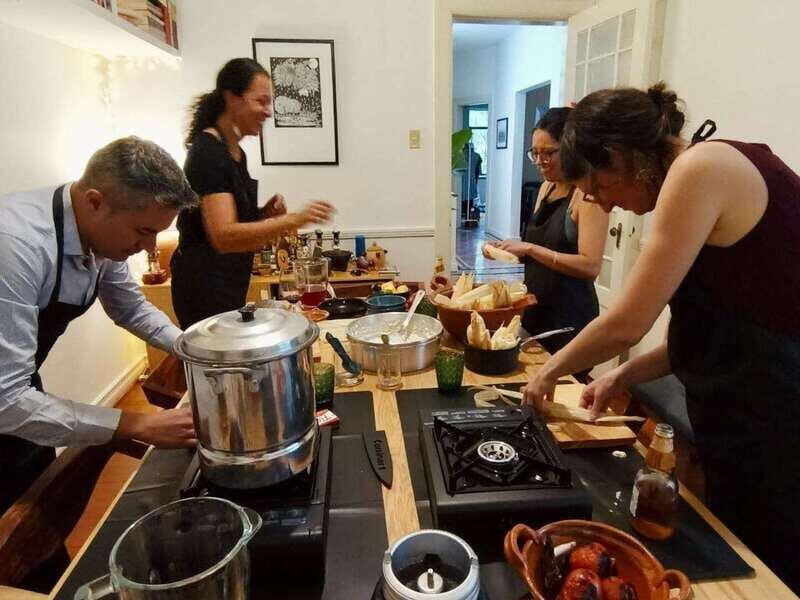
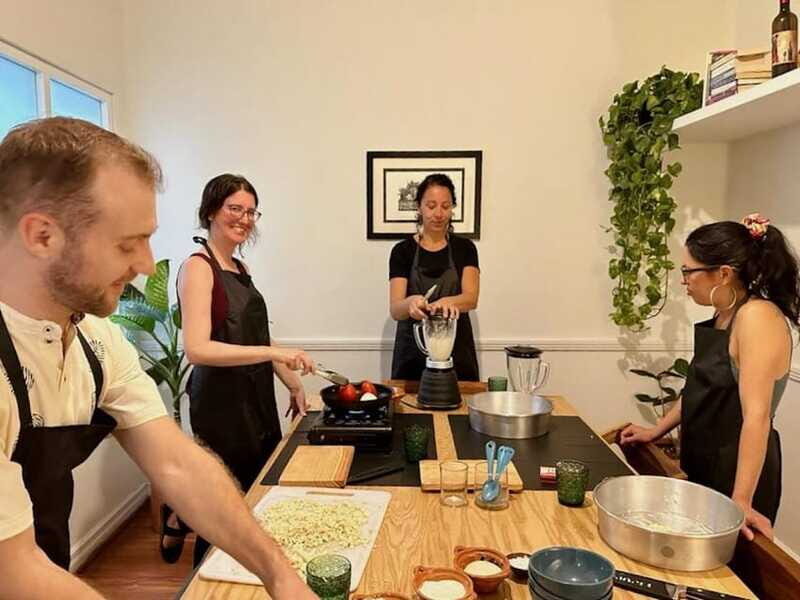
In this class, tamales are not just something you eat. They’re a way to understand Mexican regional flavors and food traditions in a practical, teach-me-how way. You’ll meet at a Condesa home of your host, and you’ll spend the evening learning how tamales can change depending on ingredients, sauces, and season.
You’ll get the big picture first: Mexican tamales come in lots of forms, and the variety is the point. Then you move into the work: rolling up your sleeves and making two different types of tamales from scratch. By the time you sit down to eat, the meal feels earned, not rushed.
One more detail I like for real travelers: the vibe is relaxed. A class like this works best when you can ask questions without feeling self-conscious, and that’s the tone here. Also, the instructor speaks English and Spanish, which makes it easier to follow along closely even if your Spanish is still warming up.
You can also read our reviews of more cooking classes in Mexico City


The 4-Hour Flow: From Tamal Basics to a Shared Feast
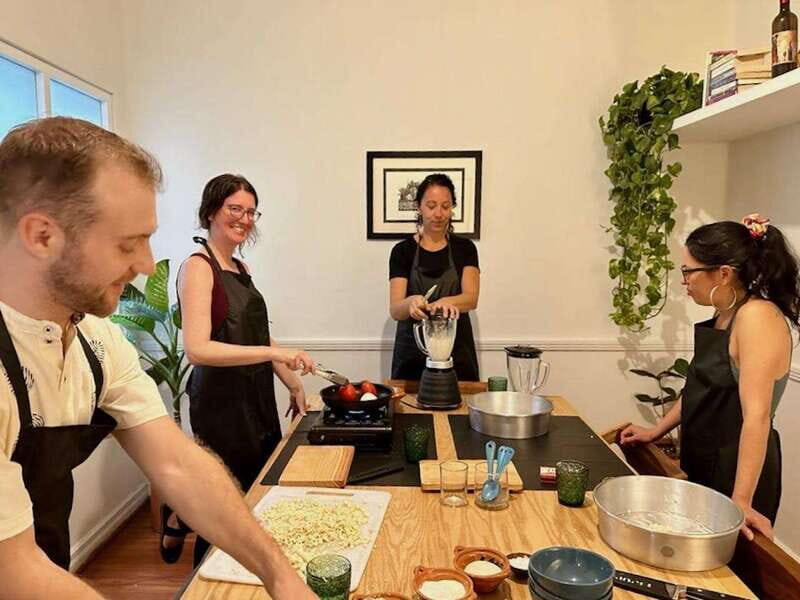
Timing matters because tamales take attention. This experience runs about 4 hours, and it’s structured so you don’t just watch cooking happen—you do it.
Early on, you’ll learn about the range of tamales. Expect a quick orientation on how tamales differ, then instruction as you start preparing ingredients for both versions. Just over an hour later, the pace shifts: you’ll set the table and get ready for the feast part of the program.
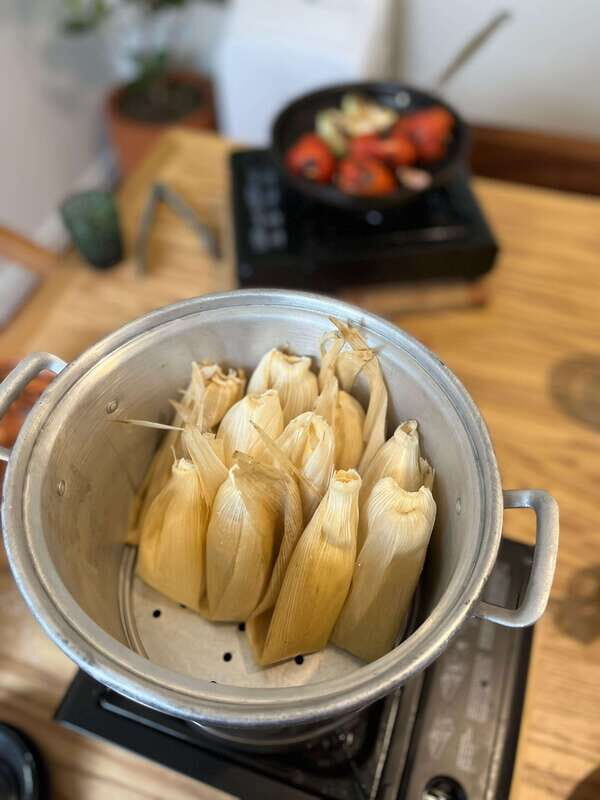
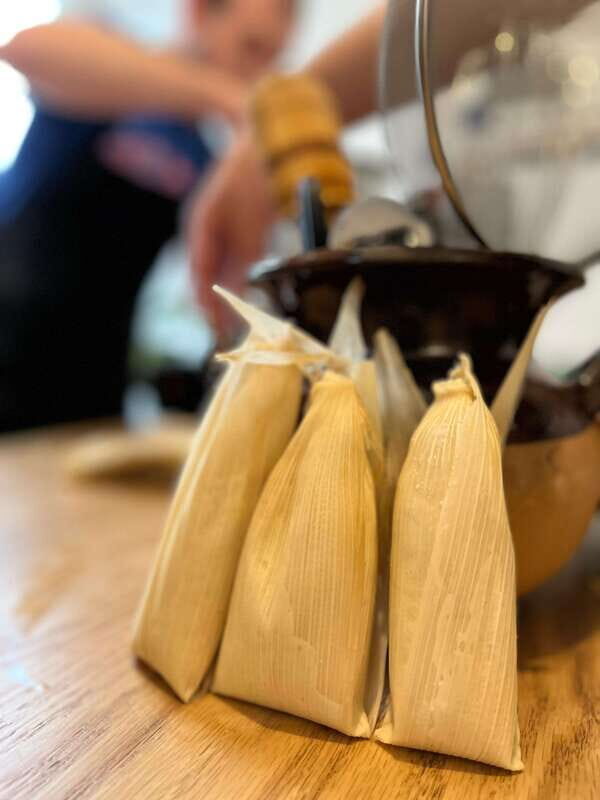
After you sit down, you’ll eat two tamals straight from the steamer setup of the class:
- A classic green tamal with a tomatillo-based filling
- A seasonal fresh corn tamal paired with smoky chipotle salsa you help make
That transition—from kitchen work to table dinner—is the part that turns a cooking class into a night out. It also helps you taste what you made while your food is at its best.
Green Tamales with Tomatillo: Tang You Can Taste
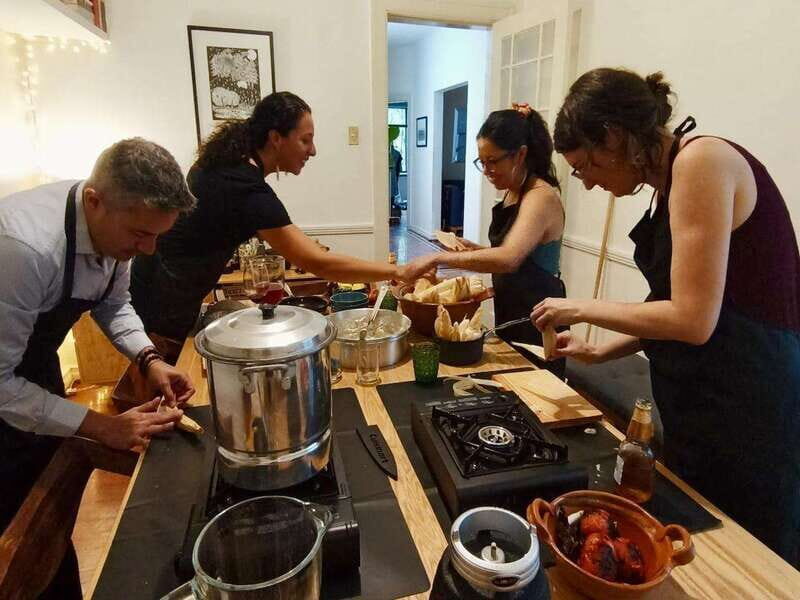
The green tamal is the anchor here, and it’s a smart choice. Tomatillo brings a tang that feels brighter than you might expect if your memory of green sauces is only mild or sweet. In class, you’ll learn and prepare these classic green tamales with a filling built around tomatillo flavor.
What you’ll love is the contrast: green tamales can taste complex without needing fancy ingredients you can’t find. They also show you how tamales aren’t only about the masa. The sauce and filling carry a lot of the personality.
Practical takeaway for you: once you’ve tasted this style side-by-side with a second tamal, you’ll get a clearer sense of how Mexican sauces work. Tomatillo-based flavors tend to taste fresh and acidic, and that acidity cuts through the richness of cooked masa.
Seasonal Fresh Corn Tamals: Sweetness Meets Smoke
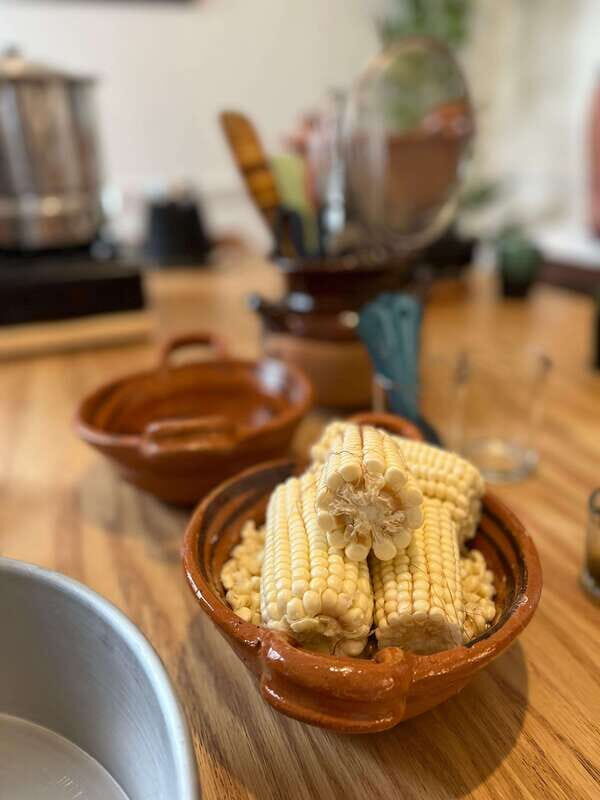
Then comes the seasonal fresh corn tamal. This is the tamal that changes the mood, because fresh corn has a naturally sweet note that isn’t just flavor—it’s texture too. You’ll learn to prepare this version as part of the same class, so you don’t have to guess how it should taste.
Corn tamales can easily become one-note if they’re handled lazily, but the class pairing makes the difference. You’ll complement the sweetness with smoky chipotle salsa you make yourself.
Here’s the traveler-friendly logic: chipotle adds smoke and depth that balances corn’s mild sweetness. That means the combo tastes deliberate rather than accidental. If you’re the type who usually orders one tamal and calls it a day, this second version will change what you consider a good variety.
Chipotle Salsa: Your Smoke, Your Rules
One of the best parts is that the chipotle salsa isn’t pre-decided for you. You make it, which means you can steer the level of smokiness and how bold the sauce feels next to the corn tamal.
Even if you’re not a cook at home, salsa-making in a class like this is one of those skills that pays back later. It teaches you how sauce flavor gets built: smoke first, then the underlying balance of acidity and heat.
Practical tip: if you’re sensitive to certain ingredients, tell your guide before you start. The class is set up to accommodate dietary requirements, and you’ll want your salsa and fillings to fit your needs rather than forcing yourself to eat around them.
You can also read our reviews of more tours and experiences in Mexico City





The Table Feast and the Artisan Dinnerware Detail
This isn’t a sit-down meal where you’re handed plates and politely photographed. You’ll set the table yourself when it’s time to eat, using beautiful locally made dinnerware created by artisans. That matters more than it sounds.
Why? Because it changes how you experience the food. You’re not only tasting tamales; you’re also participating in the ritual. The presentation makes the food feel like dinner, not a snack. And since you’re eating after cooking, you’re more likely to notice textures and flavors—the masa, the filling, and the sauces.
This is also a great format if you’re traveling as a couple, with family, or with friends. The meal feels shared because you’re literally building it together.
Dietary Needs, Allergies, and Cats: Plan Smart
This experience can accommodate dietary requirements, and the instructor adjusts recipes when needed. For example, there’s a proven track record of tailoring the meal for an allergy to tomatoes. That’s a big deal because many sauces rely on tomatoes somewhere in the chain.
There are a couple of important reality checks to keep you safe and comfortable:
- Strict Kosher is not possible at this time.
- The house has two cats, and the cooking area is managed to keep allergens out.
- The building does not have an elevator, even though wheelchair users have attended before.
My practical advice: email your needs soon after booking. The class asks that you keep an eye on your inbox after you reserve, because you’ll be contacted to confirm dietary requirements. If you’re juggling an allergy, don’t wait until the day of the class.
Language, Questions, and the Pace That Helps You Learn
The instructor, Jim, teaches in English and Spanish. He encourages questions, which is key for a cooking class because tamales involve multiple moving parts. If you’re curious about why a sauce tastes a certain way, you’ll want that back-and-forth.
The class also supports different comfort levels. People with mobility issues have been helped with seating so they can participate more comfortably. You’ll still want to plan for the home setting and the lack of elevator access, but the instruction is not overly strict or awkward.
Group size can be private or small, depending on what you book. Small groups tend to help you get clearer answers and more hands-on attention, especially if you want to learn to cook these at home later.
Price and Value: $130 for Food, Drinks, and Skill
At $130 per person for about 4 hours, you’re paying for more than ingredients. You’re buying:
- A guided lesson covering two tamal types
- All ingredients to prepare both versions
- Drinks during the experience (beer, wine, and soft drinks)
- Recipes emailed to you after the class
- A full sit-down feast atmosphere, including artisan dinnerware
Is it expensive compared with a grocery-store meal? Yes. But value-wise, it’s not just a tasting. You’re getting real skill transfer, plus drinks, plus dinner, plus the added experience of setting a beautiful table.
Where you’ll feel the value most is if you want to cook tamales again later. The emailed recipes make this more than a one-night experience, especially if you plan to bring the flavors home.
If you’re purely hunting for a quick food stop, this may feel like “too much time for too few calories.” But if you enjoy cooking, learning, and eating what you make, it’s priced in a sensible zone for a premium cultural evening.
What You’ll Leave With: Skills, Recipes, and Better Flavor Sense
The recipes by email are a practical bonus. They turn the night into something you can repeat, instead of letting it fade into memory.
Also, you’ll leave with stronger flavor intuition. Green tomatillo and fresh-corn tamal are different flavor worlds, and comparing them in the same sitting makes the differences stick. You’ll understand how sauce choice can make a tamal taste brighter, smokier, or sweeter, even when the base is similar.
If you want souvenirs, note that there aren’t any included. Still, you’ll likely end the night with a full stomach and a clearer plan for what to buy and cook back home.
Who Should Book Tamales 101 (and Who Might Skip It)
This is perfect if you want:
- A hands-on tamal cooking class in Mexico with a shared dinner format
- Two varieties in one evening, including the classic green tamal
- A practical salsa-making component using chipotle
- A small-group or private vibe where you can ask questions
You might want to think twice if:
- You need step-free access and rely on an elevator (the building has none)
- You have strict Kosher requirements
- You have concerns about being around cats, even though the cooking area is designed to keep allergens out
Should You Book Tamales 101: Multi-Variety Tamal Cooking and Feast?
If your idea of a great night in Mexico is cooking real food, then sitting down to eat what you made, this class is a strong choice. The combination of two tamal styles, homemade smoky salsa, included drinks, and artisan dinnerware makes it feel like a full evening experience rather than a short demo.
Book it when you can commit to the full 4 hours and you’re ready to participate. If you have dietary needs, start the conversation early, because adjustments are possible and that’s the difference between a fun class and a stressful one. For most people who love Mexican food, this is exactly the kind of cooking evening that pays you back with skills you can actually use.
FAQ
How long is the Tamales 101 class and feast?
It lasts about 4 hours.
Where does the experience take place?
It takes place in the State of Mexico, with the class hosted at a Condesa home. The exact meeting point may vary depending on the option booked.
What tamales will you make?
You’ll prepare two different types: classic green tamales and a seasonal fresh corn tamal.
What’s included in the price?
The price includes all ingredients to prepare the two tamal types, Mexican beer, wine, and soft drinks, and recipes emailed to you after the class.
Are dietary requirements accommodated?
Yes. You’ll be asked about dietary requirements after booking, and most can be accommodated, but strict Kosher is not possible at this time.
What languages is the instructor?
The instructor teaches in English and Spanish.
Is it a group class or private?
Both private and small-group options are available.
Is there anything to know about accessibility or allergies?
Wheelchair users have attended, but the building does not have an elevator. Allergy sufferers should also know there are two cats in the house.
If you want, tell me your travel month and whether you’re booking as a solo traveler or couple, and I’ll suggest what time to pick and what to ask the host in your dietary message.