REVIEW · PUEBLA
Puebla: Walking Tour of Puebla City
Book on GetYourGuide →Operated by Viajes Caravan Puebla · Bookable on GetYourGuide
Puebla’s center rewards slow walking. This 3-hour stroll with Viajes Caravan is a great way to connect the big landmarks to the stories, nicknames, and neighborhood texture that make Puebla feel like more than a photo stop. I love how the route anchors you at the Zócalo de Puebla and then keeps momentum to major sights like the Puebla Cathedral and the Biblioteca Palafoxiana. I also like that you get myth-and-street-life details along the way, including the frogs’ alley and the candy street. One consideration: some admissions are not included, so you may need to budget extra for places like the Biblioteca Palafoxiana (and other ticketed stops).
The tour starts at the Miguel Arcángel fountain in the Historic Centre, which helps you find your bearings fast in a city that can feel like it’s made of layers. Guides such as Renato and Josué (English/Spanish) are also a strong point here, with plenty of time for photos and a willingness to tailor what they explain to your interests. If you’re expecting a long, deep session inside every building, you might wish it ran a bit longer than the advertised 3 hours.
In This Review
- Key highlights worth your attention
- Walking Puebla in 3 hours: a smart plan for first-timers
- Meeting at the Miguel Arcángel fountain: where your walk really begins
- Zócalo de Puebla: the city’s stage, not just a big square
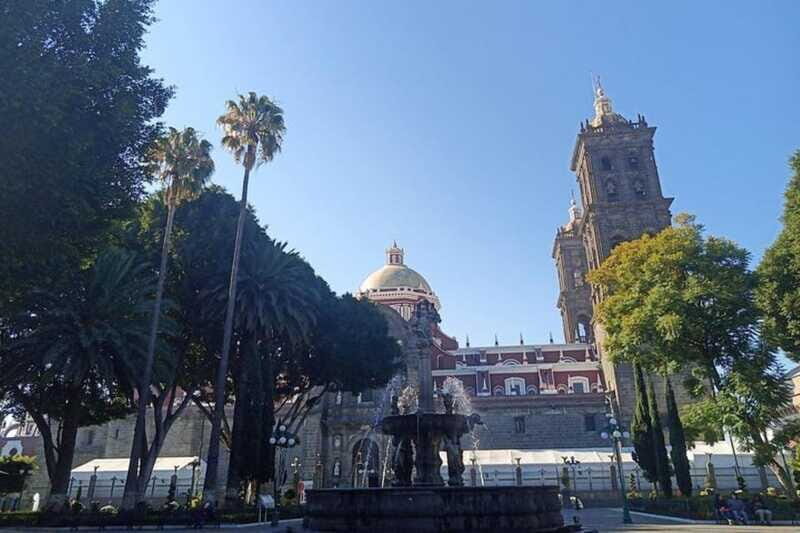
- Puebla Cathedral: architecture you can actually read as you walk
- Biblioteca Palafoxiana: why an old library still feels powerful
- Arte Garden and a photo pause that actually matters
- Callejón de los Sapos and the frog-alley legend
- Analco and Puente de Ovando: history you can place on a map
- La Pasita and the Artist Quarter: where Puebla shows its creative streak
- Mercado el Parían: artisanal crafts with a local market feel
- Street of Candies (Calle de dulces de Sta. Clara): a sweet finish that makes sense
- Museo Regional de la Revolución Mexicana: placing modern history in the city
- Price and value: is $53 for 3 hours a good deal?
- Guide quality: why Renato and Josué can make or break the experience
- Who should book this Puebla walking tour
- Should you book Viajes Caravan’s Puebla City Walking Tour?
- FAQ
- How long is the Puebla city walking tour?
- Where do I meet the guide?
- What is included in the price?
- Is the Biblioteca Palafoxiana admission included?
- Are admissions for the other Puebla sites included?
- What languages is the tour offered in?
- Is the tour only walking?
- Does the tour include a tasting?
- What’s the cancellation and payment flexibility?
Key highlights worth your attention
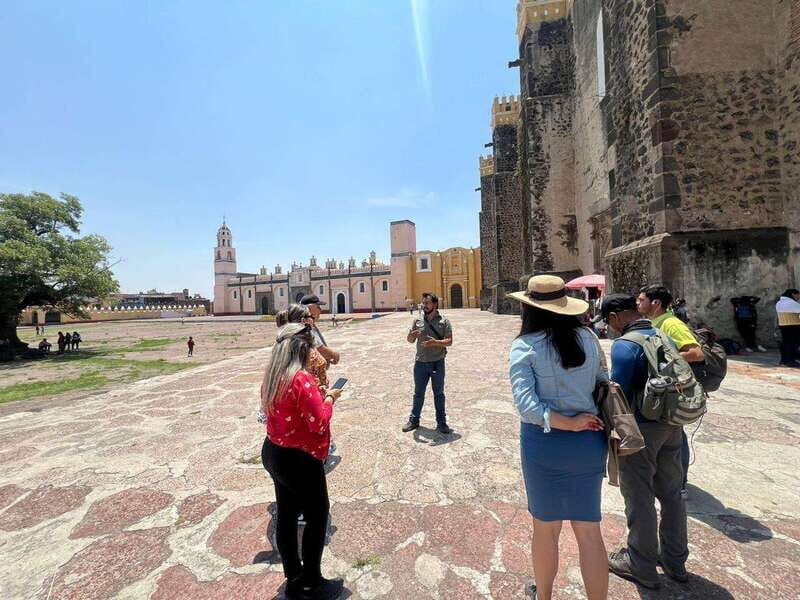
- Start at Miguel Arcángel fountain so you can meet up easily in the Historic Centre.
- Zócalo + Cathedral first gives you Puebla’s scale and style right away.
- Biblioteca Palafoxiana is treated like a real visit, not a rushed photo.
- Callejón de los Sapos adds a dose of legend with your walking photos.
- Art-and-crafts stops include Barrio del Artista and Mercado el Parían.
- Sweet finale energy with the Calle de dulces de Sta. Clara and a tasting.
Walking Puebla in 3 hours: a smart plan for first-timers
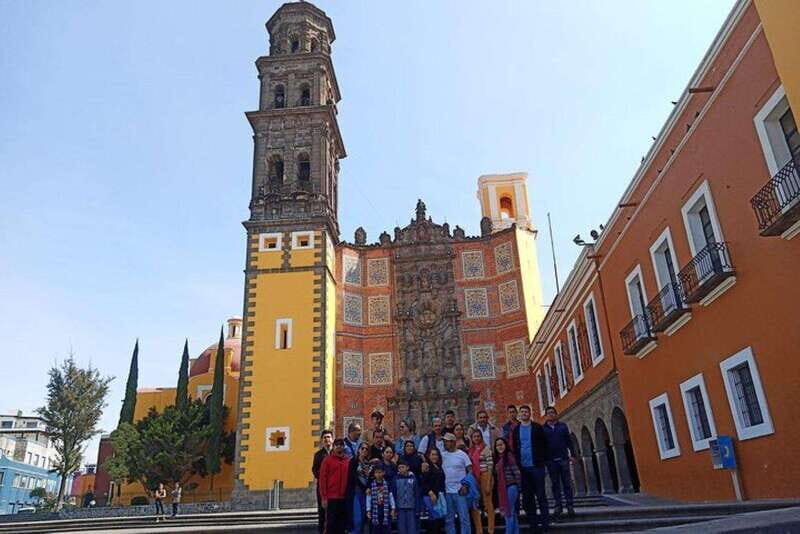
Puebla’s Historic Centre is one of those places where you can wander for hours and still feel like you’re just skimming the surface. This tour helps you stitch it together. You get a guided path through the places everyone recognizes, but the big win is how your guide explains what connects them: the city’s foundation, why people call Puebla La Ciudad de los Ángeles, and how neighborhoods like Analco and the Artist Quarter developed their own identities.
The best part is the pacing. In just three hours, you’re not only seeing the marquee stops; you’re moving through the side streets that make Puebla feel lived-in. You’ll still have photo breaks, but you’re also learning what to notice—facade details, street legends, and why certain spots matter culturally.
Is it perfect? No walking tour is. Ticketed entry isn’t included for some major sights, and a couple of participants found the tour closer to about 2 hours in practice. That doesn’t make it bad—it just means you should treat it as an efficient orientation plus a taste of Puebla culture, not as a full day of museum time.
You can also read our reviews of more walking tours in Puebla

Meeting at the Miguel Arcángel fountain: where your walk really begins
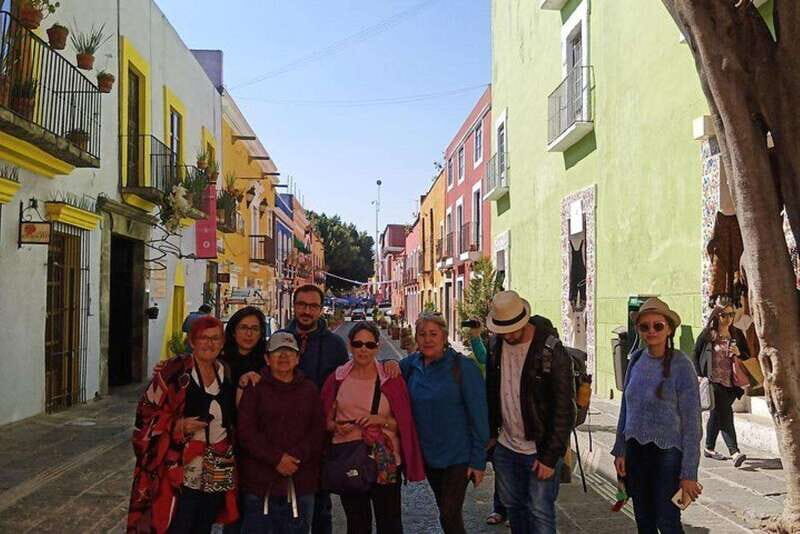
Your meeting point is the Miguel Arcángel fountain in the Historic Centre. That’s a practical detail, because Puebla’s center is compact but busy. Starting at a recognizable landmark reduces that first-day stress of figuring out where you should be standing.
From there, you’ll walk a route that’s built around the city’s core. You shouldn’t expect buses or taxis—this is designed for walking between nearby sights. Wear comfortable shoes. Puebla’s sidewalks can be uneven, and you’ll be stopping often for photos, so you’ll feel every step if your footwear isn’t up to it.
Zócalo de Puebla: the city’s stage, not just a big square
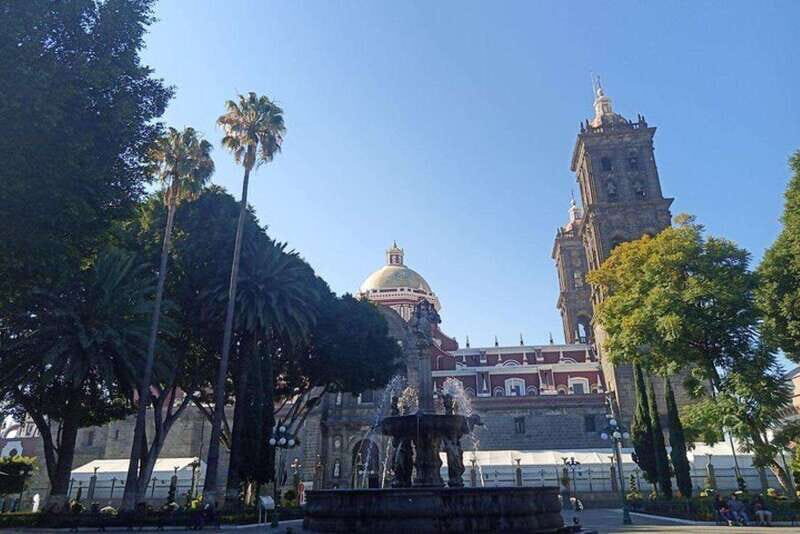
You kick off at the Zócalo de Puebla, and that’s the right move. The Zócalo is where Puebla’s rhythm shows up first: local life, architectural presence, and the sense that the city’s story runs through this space.
A guide will point out what makes Puebla’s Zócalo distinct, then connect it to the bigger narrative—how the city took shape and why its identity became so tied to religious symbolism and civic pride. You also hear the origin of Puebla’s angel nickname, which helps when you start noticing angel imagery on buildings and in visual references around town.
If you only had time for one stop early in your trip, this is the one that makes everything else easier to understand. It gives you a reference point for orientation, and it sets the tone for the whole walk.
Puebla Cathedral: architecture you can actually read as you walk
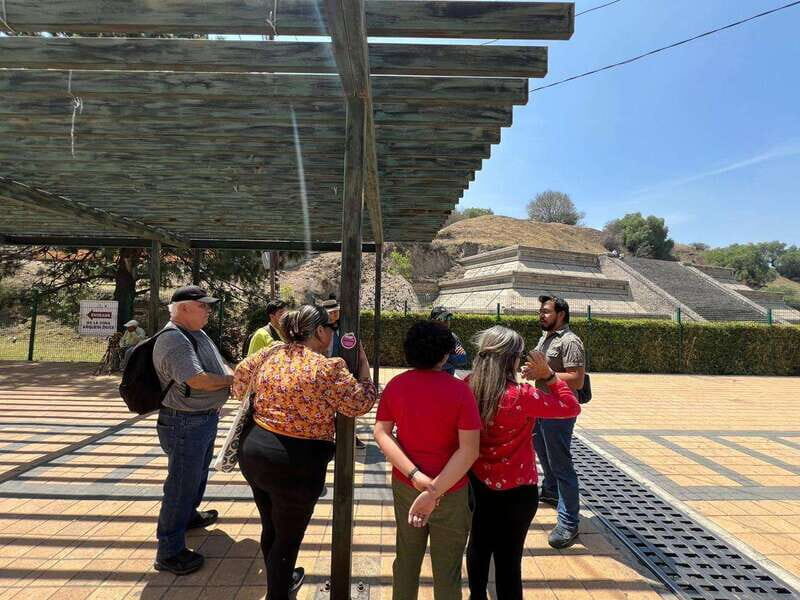
Next up is the Puebla Cathedral. You’ll get a guided visit plus a photo stop. Even if you’re not a hardcore architecture person, this stop teaches you how to look. You’ll learn what features matter and why they’re there, not just what the cathedral is called.
There’s also a real-world benefit: the cathedral area can offer surprising interior moments depending on what’s open at the time of your visit. One participant mentioned the Capilla del Rosario being open during their tour, and that it was jaw-dropping. You can’t count on specific chapels being accessible on every departure, but you can at least expect a chance to see the cathedral’s most important visual impact up close.
Practical tip: bring your phone camera if you like details. Cathedral exteriors and nearby areas can offer great angles, especially with the guide showing where to stand for the best shots.
Biblioteca Palafoxiana: why an old library still feels powerful
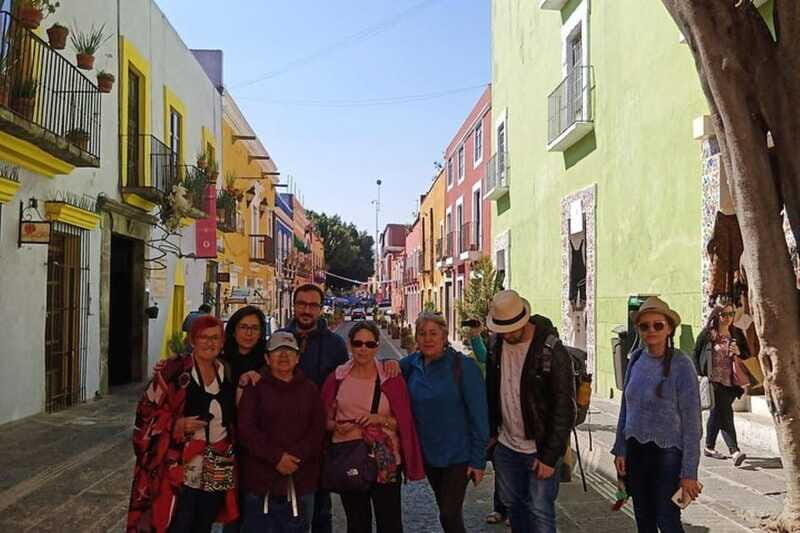
The Biblioteca Palafoxiana is one of the signature stops, and it’s not just because it sounds impressive. You’ll get a guided visit (the tour’s schedule gives it time), which is exactly how this kind of place should be treated.
Here’s the value: a library like this works differently than a typical museum. When someone explains what you’re looking at—its significance and its role in Puebla—you tend to notice things you’d miss on your own. You start thinking about knowledge as a physical space: architecture, collections, and the historical reason it became important enough to preserve.
One important consideration: entry/admission for the Biblioteca Palafoxiana is not included. Plan for that cost so you don’t get surprised on the day. If you want to see inside with less friction, carry a small buffer in your budget.
You can also read our reviews of more city tours in Puebla


Arte Garden and a photo pause that actually matters
After the library, you’ll pass through an Arte Garden stop for photos and a short guided moment. This part of the route helps shift the experience from monumental architecture into Puebla’s more human scale—streets, textures, and the city’s creative side.
This isn’t just filler. You need these little “reset” moments during a short walking tour. They prevent the schedule from feeling like a checklist. Plus, it keeps you alert for the next cultural and legend stops, where your guide will tie street details to broader meaning.
Callejón de los Sapos and the frog-alley legend
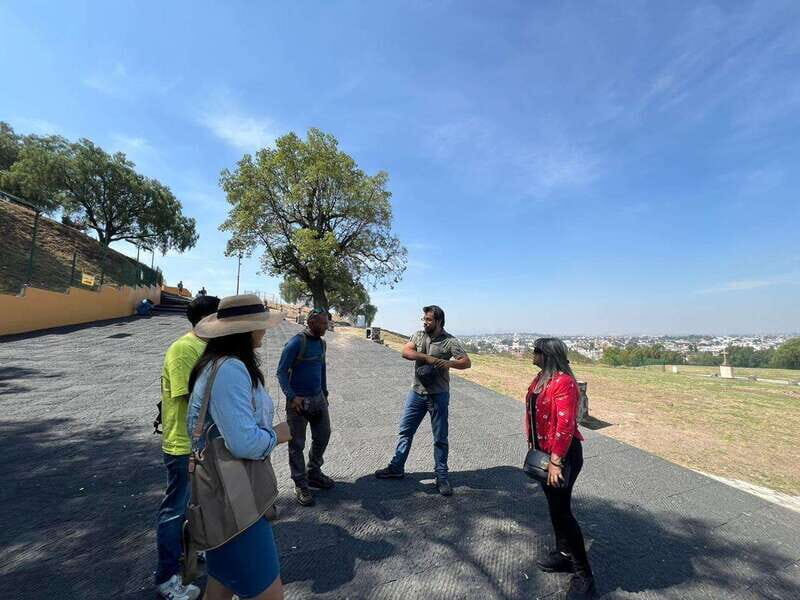
The Callejón de los Sapos is where Puebla turns a bit playful. You’ll get a break time, then photo stop and guided explanation.
This stop is perfect if you like travel stories with a local flavor. Legends like this one help you understand how places get their character. The alley isn’t just a narrow passage for photos—it’s a slice of how people remember and retell what they see around them.
If you take photos, this is one of the best spots on the route. The setting gives you strong visuals quickly, and the guide will help you understand what you’re looking at so your pictures have context.
Analco and Puente de Ovando: history you can place on a map
Then you move into the Analco neighborhood area, where the tour includes the story of the Puente de Ovando legend. This kind of neighborhood stop is valuable because it teaches you how Puebla’s history lives outside the biggest buildings.
When someone gives you the background as you walk, it changes your relationship with the street itself. You’re not just moving through; you’re building a mental map of why certain corners became important.
Even though this is still a walking route with short stops, this portion adds meaning. It’s the difference between seeing a city and understanding it just enough to appreciate where to go next.
La Pasita and the Artist Quarter: where Puebla shows its creative streak
After the legend stop, the tour goes by La Pasita, Mexico, then heads toward the Artist Quarter (Barrio del Artista). This section is about texture—how the city expresses itself beyond churches and civic squares.
You’ll get a photo stop, guided walk-by, and context. The Artist Quarter is a good match for travelers who like art, murals, and the feel of a place where creativity isn’t confined to galleries.
The practical benefit: once you understand where the creative energy shows up, you can plan a return visit later with more confidence. You’ll know what direction to head for the kind of scenes you enjoyed on the tour.
Mercado el Parían: artisanal crafts with a local market feel
Next is Parian Market (Mercado el Parían), including a guided visit and shopping time. One of the best values of this stop is that it gives you something tangible to do with what you’re learning.
A guide can help you sort out what you’re seeing—what’s typical, what’s worth paying attention to, and how markets fit into daily life in Puebla. You’ll also get a sense of which items feel like Puebla’s own identity rather than generic tourist souvenirs.
If you’re shopping, go slow. Markets reward patience, and your guide can help you avoid buying something that doesn’t match your expectations of quality or craft.
Street of Candies (Calle de dulces de Sta. Clara): a sweet finish that makes sense
No Puebla tour feels complete without the candy street. Here you’ll visit Calle de dulces de Sta. Clara with guided context, plus shopping and sightseeing. The tour also includes a tasting on the Street of Candies.
What I like about this stop is the order. After history, architecture, and legends, the tasting feels like a natural release valve. It turns your walk into an experience, not just an information session.
Budget note: since shopping is part of the experience, you’ll likely spend some money here. If you want to keep control, decide in advance whether you’re buying a small sample pack or just doing the tasting.
Museo Regional de la Revolución Mexicana: placing modern history in the city
The route includes a key stop connected to Mexican history: the Museo Regional de la Revolución Mexicana Casa de los Hermanos Serdán. You’ll get a photo stop and guided visit, then a walk-by.
This is where the tour broadens from Puebla’s religious and architectural identity into the story of revolution and political change. Even if you don’t spend a long time inside, the guide’s framing helps you connect what you’ve seen to how Mexico’s modern identity grew.
If you like museums but also like time outside, this is a smart compromise. You get the historical anchoring without turning the walk into a full museum day.
Price and value: is $53 for 3 hours a good deal?
At $53 per person for a 3-hour walking tour, the value depends on what you want most.
You’re paying for:
- a local guide who explains the city’s story while you walk
- access to the major highlights in a short timeframe
- extra neighborhood texture: the frogs’ alley, Analco legend context, Artist Quarter, and markets
- a tasting connected to Puebla’s candy tradition
What you might pay more for:
- admission/entry is not included for Biblioteca Palafoxiana and also for ticketed Puebla sights
So the math works best if you actually plan to go inside the places that require tickets and you value guidance over solo wandering. If you’re mainly looking for exterior photos and quick stops, you might feel the cost more.
Also consider timing. Some people found it closer to around 2 hours, which can make the per-hour value feel less attractive. Still, the trade-off is that the tour is meant to fit into a normal sightseeing day and help you build a plan for the rest of your trip.
Guide quality: why Renato and Josué can make or break the experience
The guide is the heart of this tour. Multiple participants praised the way guides communicate and the feeling that they genuinely care about Puebla.
Names that come up include Renato and Josué, both highlighted for strong explanation and friendly, helpful energy. One guide went the extra mile by customizing the history based on a specific interest—and even reaching out to a contact to confirm a detail. That kind of effort matters on a walking tour. It turns random facts into stories you can remember, and it helps you get answers instead of just hearing a script.
What you should do: if there’s a topic you care about—architecture, revolution-era history, religious symbolism, or neighborhood legends—tell your guide early. This tour is short, so your questions can steer the most useful parts of the walk.
Who should book this Puebla walking tour
This is a great match if you:
- want an efficient orientation to Puebla’s Historic Centre
- enjoy guided stories behind famous landmarks
- like markets, street culture, and a tasting rather than only museums
- want a plan that makes return visits easier later
It might not be the best fit if you:
- only want free, exterior sightseeing
- expect museum-level time inside every stop
- hate walking and prefer slower, longer tours with fewer transitions
Should you book Viajes Caravan’s Puebla City Walking Tour?
If this is your first time in Puebla, I’d book it. The route hits the big three—Zócalo, Cathedral, and Biblioteca Palafoxiana—then adds neighborhoods and stories that help the city feel real. The guide-driven storytelling, plus the frogs’ alley legend and candy street tasting, makes the 3 hours feel like a full cultural snapshot rather than a rushed checklist.
Just go in with one mindset: admissions may cost extra, and ticketed time depends on what’s open and required that day. If you budget for entry to the library and plan to do a little shopping or tasting, you’ll get strong value from the experience.
FAQ
How long is the Puebla city walking tour?
The tour lasts 3 hours.
Where do I meet the guide?
You meet at the Miguel Arcángel fountain in the Historic Centre of Puebla.
What is included in the price?
A local guide is included.
Is the Biblioteca Palafoxiana admission included?
No. Entry/admission for Biblioteca Palafoxiana is not included.
Are admissions for the other Puebla sites included?
No. Entry/admission for Puebla is not included.
What languages is the tour offered in?
The tour is available in English and Spanish.
Is the tour only walking?
Yes. It’s a walking tour with guided stops and short walks between sites.
Does the tour include a tasting?
Yes. There is a tasting on the Street of Candies (Calle de dulces de Sta. Clara).
What’s the cancellation and payment flexibility?
You can cancel up to 24 hours in advance for a full refund, and you can reserve and pay later.