REVIEW · MEXICO CITY
From Mexico City: One-day adventure: Puebla, Cholula, and Tonantzintla
Book on GetYourGuide →Operated by Trekzy · Bookable on GetYourGuide
A day of Puebla magic, with zero stress. I like how this trip strings together three different kinds of Mexico in one sweep: Cholula’s Great Pyramid for pre-Hispanic scale, and Santa María Tonantzintla for its startling mix of Baroque art and Indigenous symbols. You’ll also get time in Puebla’s historic center, where walking the streets is basically the ticket.
One thing to plan for: there’s moderate walking on uneven terrain, so if your fitness is low, this won’t feel easy. The pace is also built around an early departure, so sleep in? Not really an option.
The payoff is the practical, guided flow. You travel with a bilingual guide, and the group runs with the kind of structure people notice (including guides like Omar and Álvaro who are called out for clear instructions and organization). Between Puebla Cathedral, Chapel of the Rosary, and Parián Market, you’re not just sightseeing—you’re also eating and shopping.
In This Review
- Key reasons this one-day route works
- How the day starts: Mexico City pickup and a realistic pace
- Cholula’s Great Pyramid: the pre-Hispanic viewpoint you’ll remember
- Santa María Tonantzintla: Baroque drama with Indigenous symbols
- Puebla’s historic center: cathedral walls, Rosary Chapel, and street time
- Lunch in Puebla: chiles en nogada and cemitas if you choose the food option
- Parián Market: handicrafts you can actually shop for
- Price and value: what $85 gets you (and why it’s not just a bus ride)
- Things to watch for: walking, passports, and real-world constraints
- Should you book this Puebla, Cholula, Tonantzintla day trip?
- FAQ
- What is the duration of the Puebla, Cholula, and Tonantzintla tour?
- How much does the tour cost?
- Where do I meet the tour guide in Mexico City?
- What time is pickup?
- What languages are available for the tour guide?
- Is lunch included?
- What dishes might be included for lunch?
- Do I need a passport?
- Is the tour wheelchair accessible?
Key reasons this one-day route works
- Cholula viewpoint time for photos, plus guided context so the “why it matters” doesn’t get lost
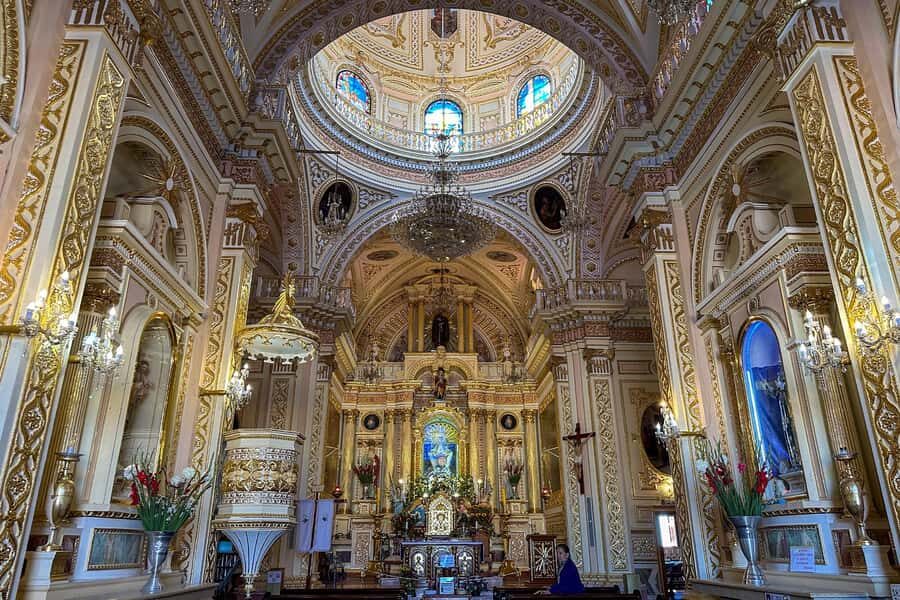
- Tonantzintla’s two-religions church—short visit, big visual impact, and a guide to explain the symbols
- Puebla Cathedral + Chapel of the Rosary with guided walking through the center
- Lunch option that includes local favorites like chiles en nogada and cemitas (if you pick the food option)
- Parián Market free time to browse handicrafts at your own speed
How the day starts: Mexico City pickup and a realistic pace
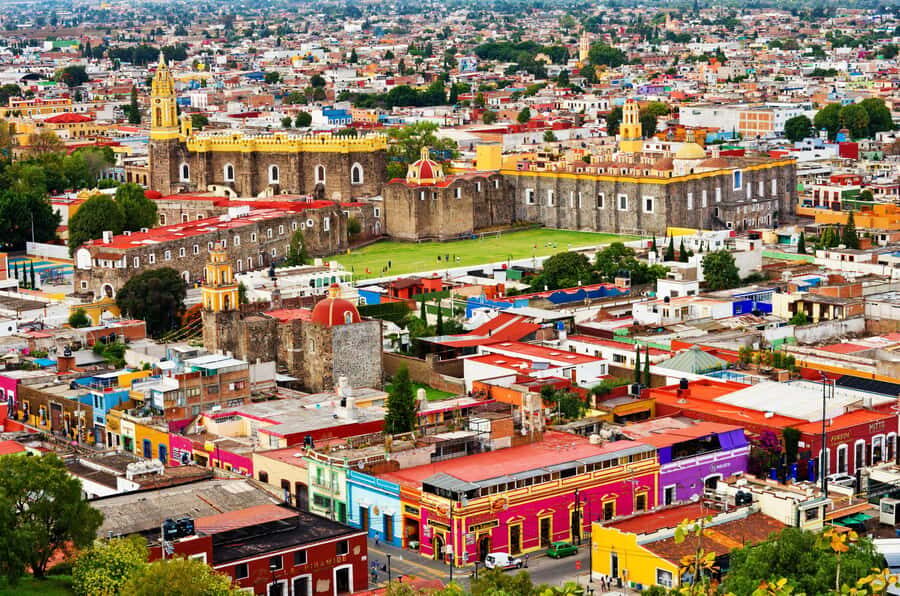
This is a long day, but it’s set up for convenience. Pick-up is at Calle Isabel la Católica 61-A in Mexico City, and the start time depends on which option you select—either 6:20 a.m. or 8:10 a.m. Drop-off is back at the same address. If you choose the private option, pick-up and drop-off at your hotel are included instead of meeting at the street address.
Transport is by round-trip bus/coach, and you spend much of the day in motion between the three stops. The timing is built around a fast rhythm: a short travel leg, then photo time and guided walking at Cholula; a guided visit at Tonantzintla; and a longer stretch in Puebla for cathedral views, lunch (optional), and browsing.
Duration is listed as 6.5 to 11 hours, so check the starting time you select. If you hate rushed days, the later start may feel better. If you want the “see a lot” payoff, the early departure is worth it.
Also note one small but important detail: the tour is wheelchair accessible. Still, the “uneven terrain” warning applies, so if you use a wheelchair or mobility aid, you should match your needs to the walking involved (especially around older areas in Cholula and Puebla).
You can also read our reviews of more city tours in Mexico City

Cholula’s Great Pyramid: the pre-Hispanic viewpoint you’ll remember
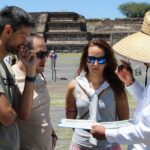
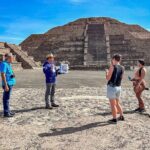
Cholula is famous, and this tour starts making the case fast. You’ll head to a viewpoint area for a 20-minute photo stop, then settle in for about 110 minutes of guided time plus free time. That’s enough to look around slowly instead of sprinting from one sign to the next.
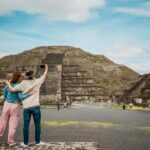
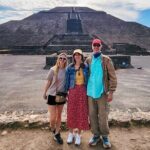
The main star is the Great Pyramid of Cholula, dedicated to Quetzalcóatl. It’s described as the largest pyramid in the Americas, and that scale is the first thing you feel when you’re standing near it. Even if you don’t know much about Mesoamerican history, a good guide helps you connect the shape and the significance to the bigger story of the region.
Why this stop is worth it on a day trip: Cholula is one of those places where you can see layers—Indigenous history underneath later change. A short visit would be fine for a photo, but the guided talk plus time to wander is what turns it into understanding.
Practical tip: wear shoes with grip. You’re on real streets and uneven ground, and you’ll be shifting your stance often for different camera angles.
Santa María Tonantzintla: Baroque drama with Indigenous symbols
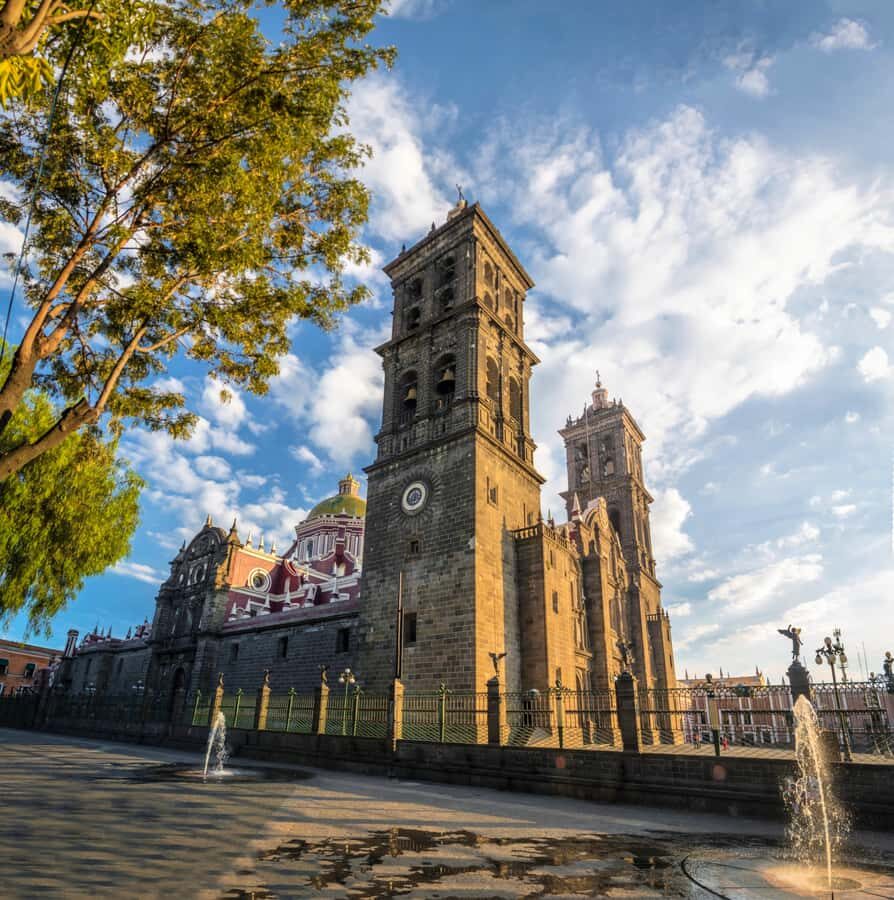
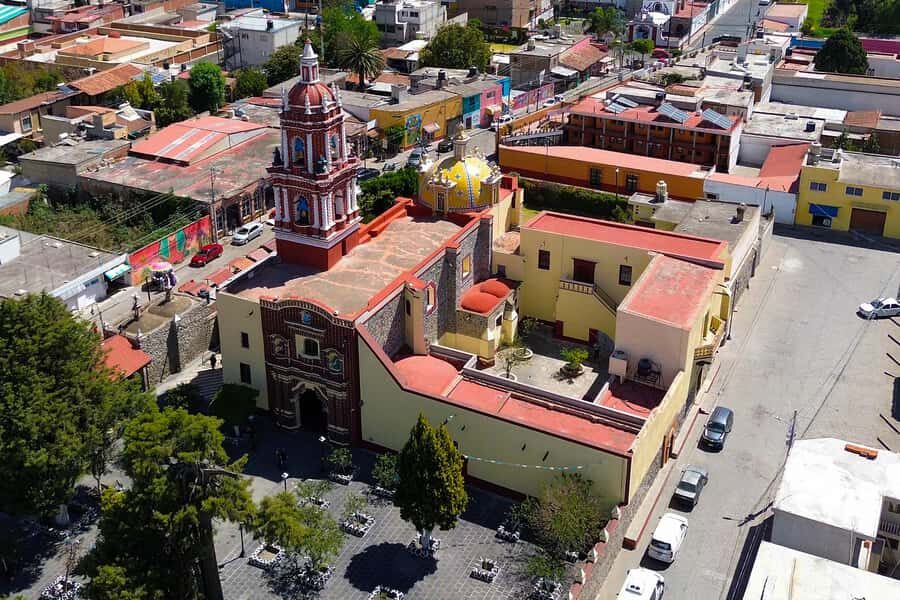
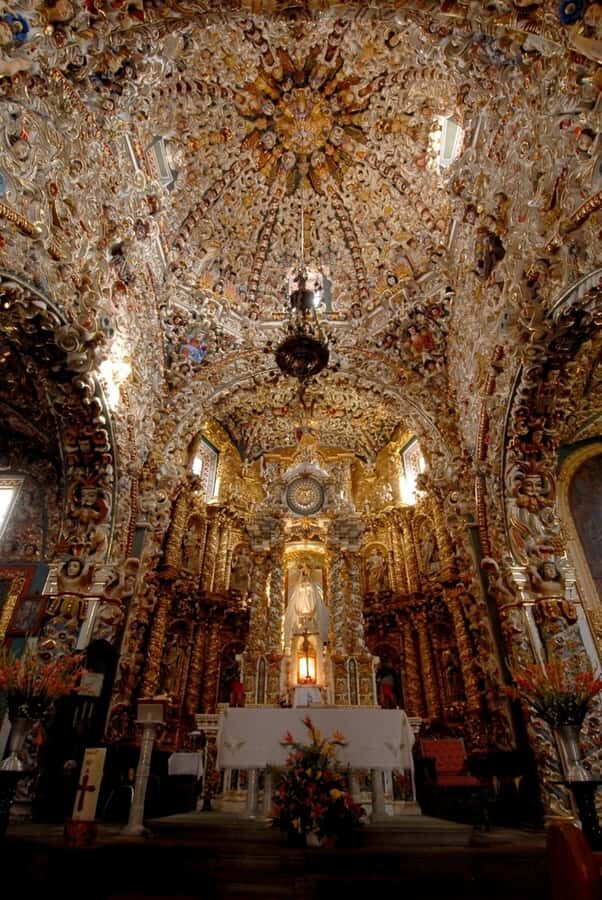
After Cholula’s big ancient scale, the day shifts into something more intimate and visually intense: Santa María Tonantzintla Church. You’ll have a 40-minute guided visit here.
This church is known for blending two religions—European Baroque art paired with Indigenous symbols. The guide explains the meaning behind the exuberant decoration, which matters because otherwise a lot of the ornament looks like it’s just trying to outshine everything else. With the explanation, you start noticing patterns and cultural references instead of just being dazzled.
What I like about this stop is the contrast. Cholula makes you think in centuries and monuments. Tonantzintla makes you think in symbols, design choices, and how communities adapted belief into art.
Because the visit is timed, it also keeps the day from dragging. You get a focused dose of meaning and color without it turning into a long museum-style session.
If it’s rainy (and rain can happen in this region), bring something to protect your photos and keep going. One recent experience included heavy rain and affected timing, so a little weather readiness helps you stay happy instead of cranky.
Puebla’s historic center: cathedral walls, Rosary Chapel, and street time
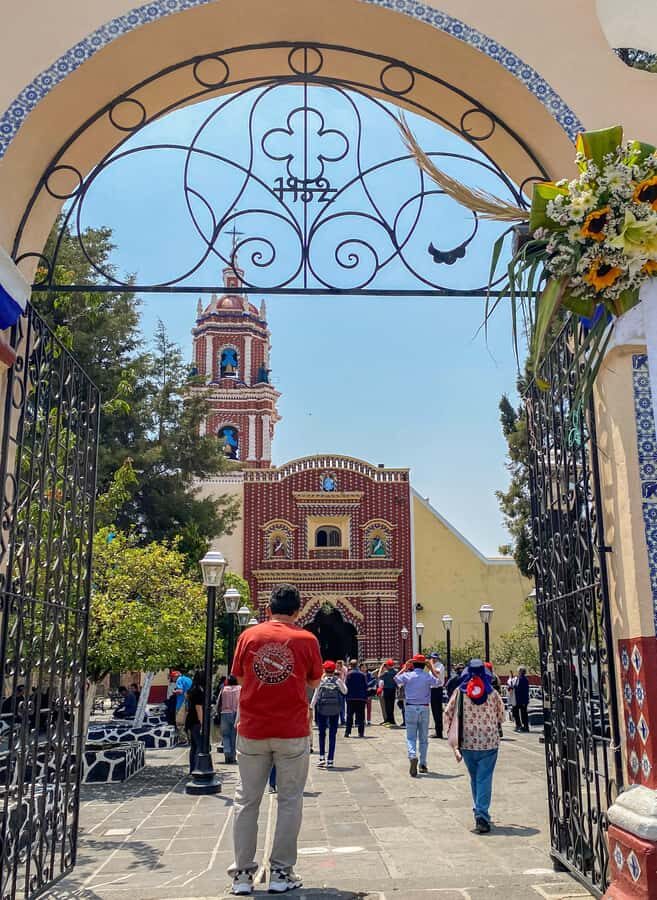
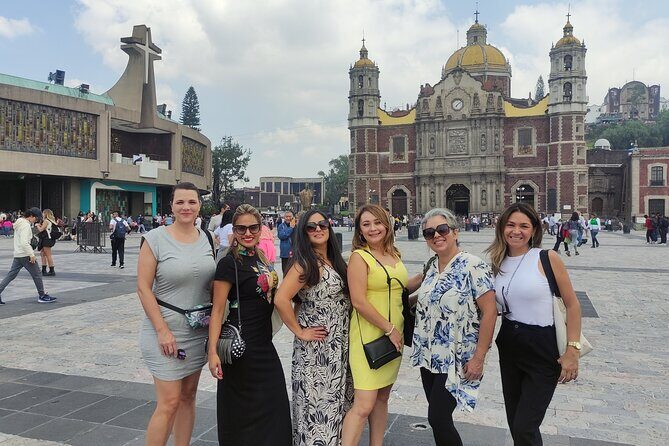
Then you’re in Puebla, and the mood changes again. You’ll have about 2.55 hours in Puebla that includes a photo stop, guided tour, free time, and sightseeing. This is the part of the day where you actually slow down enough to feel the city.
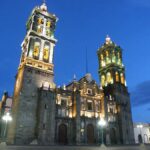
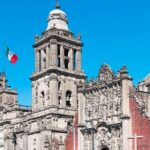
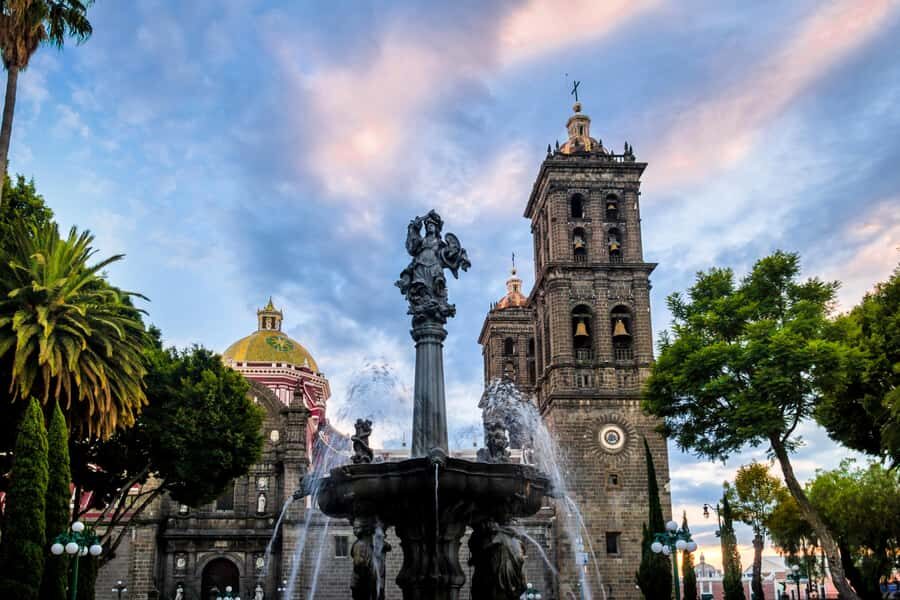
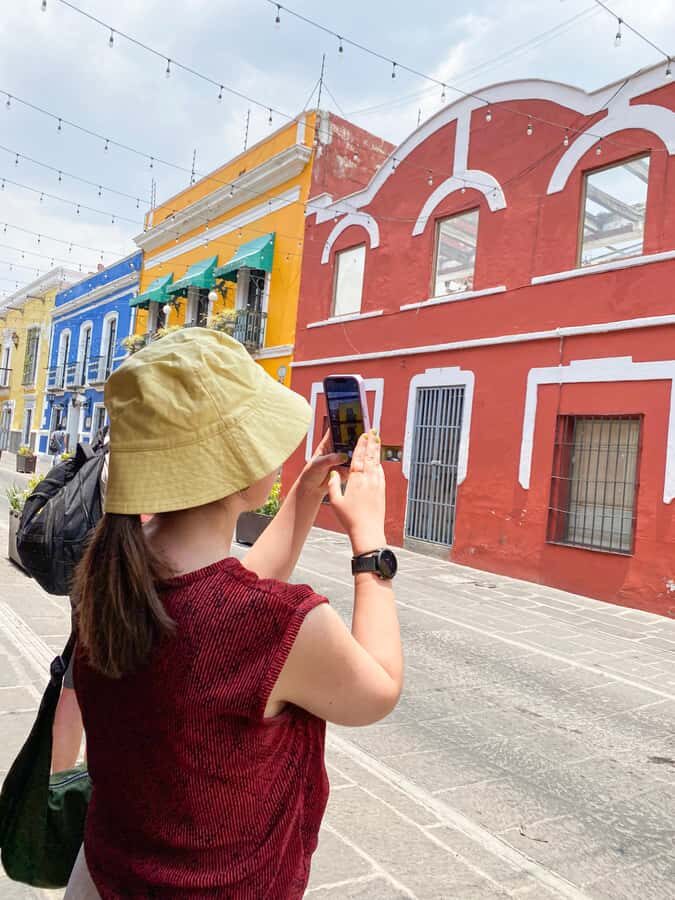
The guided walking focuses on major landmarks like the Puebla Cathedral, described as imposing, and the Chapel of the Rosary. You’ll walk the historic center streets and see how the colonial architecture shapes the whole experience. It’s one of those places where the buildings guide your eyes even when you’re not trying.
Puebla is also where Talavera pottery fits into the picture. Even if your shopping plan is casual, it’s helpful to have time in Puebla instead of just passing through. This day trip gives you the chance to connect the look of the city with the craft it’s known for.
One good thing: the schedule doesn’t only revolve around standing still for photos. You get guided context plus breathing room to decide what you want to re-see, photograph again, or spend time inside.
Lunch in Puebla: chiles en nogada and cemitas if you choose the food option
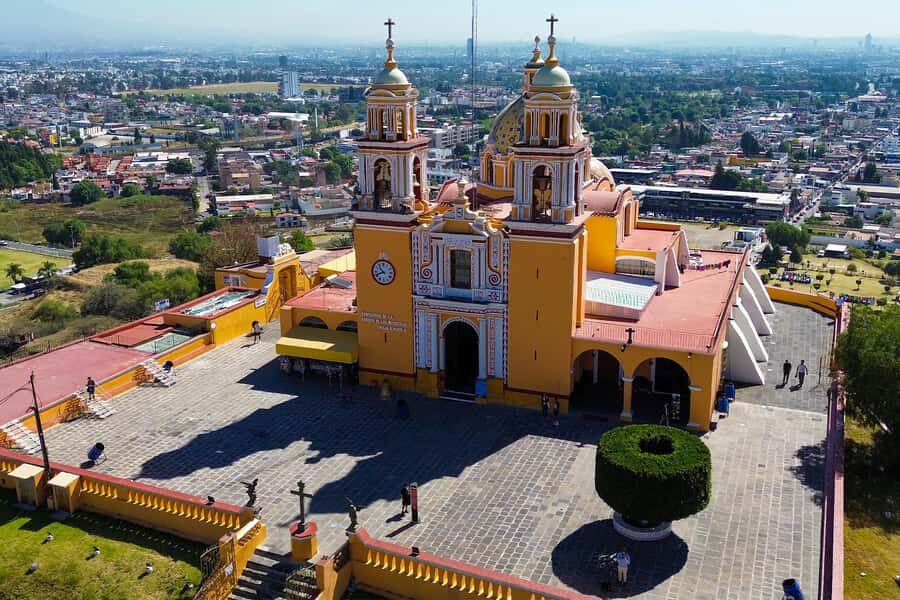
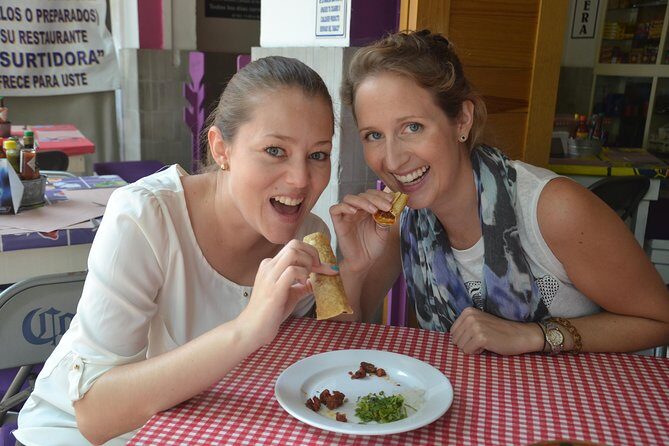
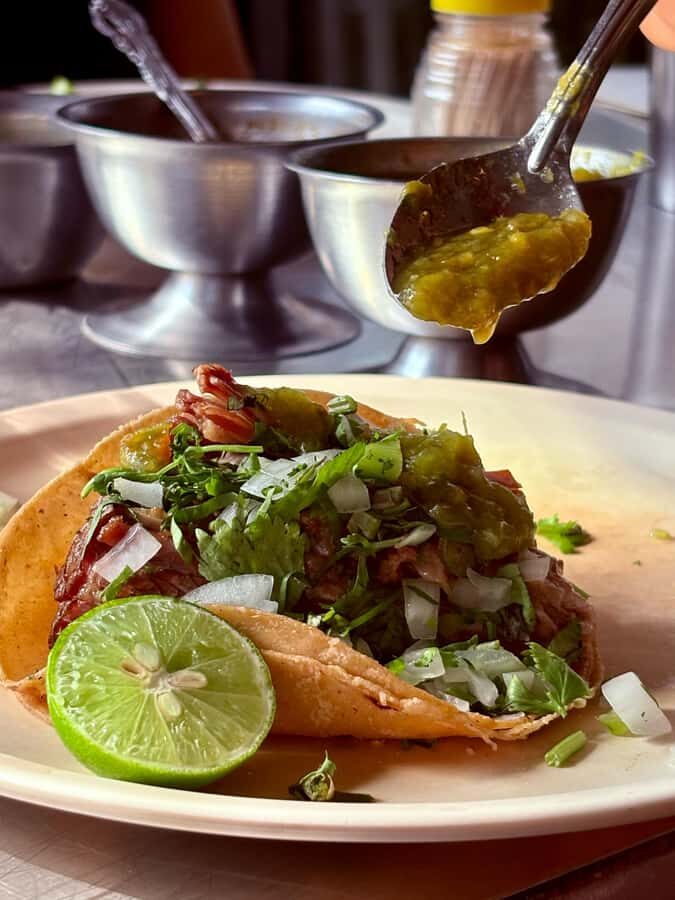
Food is part of the point here, but only if you select the option that includes lunch. If you do, lunch is at a local restaurant and can include typical dishes such as chiles en nogada and cemitas.
This is a big value add for a one-day tour. Without lunch included, you’d have to time your own meal around transit and guided stops, which is how day trips turn into “hangry sightseeing.” With lunch handled, you can focus on enjoying the center and then use your remaining free time for shopping.
Drinks aren’t included, so plan to budget for bottled water or something cold. If you’re prone to motion sickness, having a real meal can also make the bus ride back feel easier.
Tip: if you’re picky, check what’s being served with the operator when you book or look at your confirmation details. The menu examples listed (chiles en nogada, cemitas) give a strong idea of the style, but it’s still smart to verify what you personally will get.



Parián Market: handicrafts you can actually shop for
Your Puebla time also includes a stop at Parián Market, known for a wide variety of handicrafts. This is where the day trip becomes more than architecture and churches—you get to bring something home.
The market is timed so you can browse without feeling trapped. I like that it’s a dedicated free-time portion rather than a quick “look and go” moment. If you’re collecting Talavera pieces or just want smaller souvenirs, this is the kind of place where you can compare colors, sizes, and styles without a strict itinerary forcing you onward.
Practical shopping advice: set a rough budget before you enter. Craft stalls can be very tempting, especially when you’re tired and hungry (both are powerful shopping triggers). If you find something you love, buy it sooner rather than saving the decision for later in the day.
Price and value: what $85 gets you (and why it’s not just a bus ride)
At $85 per person, this tour isn’t cheap for a day trip—but it’s also not just “transport and vibes.” You’re paying for structure: round-trip transportation, a bilingual tour guide, and guided visits at key cultural stops.
Here’s what you’re really buying with your time:
- guided context at Cholula so the Pyramid stop means something
- a guided explanation at Tonantzintla so the decoration becomes readable
- Puebla sightseeing with major stops like the Cathedral and Chapel of the Rosary
- lunch included only if you pick the food option
- market time to shop for handicrafts
If you tried to DIY this with public transport, you’d spend real energy coordinating the order, arrival times, and guide-style explanations. Even with a decent map app, the value is in not having to figure out the flow yourself while managing the long day.
Where value can shrink: if you don’t select the lunch option, you’ll need to budget for your meal and you may feel the schedule more tightly. Also, if you get overwhelmed by walking on uneven ground, you might feel you paid for effort instead of enjoyment.
Things to watch for: walking, passports, and real-world constraints
Before you go, pay attention to three practical points.
First: walking on uneven terrain. The tour requires moderate walking, and it’s marked as not suitable for people with low level of fitness. That doesn’t mean you can’t do it—it means you should be honest about your own comfort level, especially around older areas and church zones where surfaces can be rough.
Second: the passport requirement due to immigration regulations. The info says you must present your passport, either digital, original, or a photocopy. A copy accepted is helpful, but still: don’t assume a photo of your passport on your phone will always satisfy the rule—follow the wording and bring what the tour asks for.
Third: weather. One experience included heavy rain and the guide arriving late. So bring an umbrella or rain layer. You’ll thank yourself when you’re trying to keep cameras, hair, and plans from turning into a puddle.
Should you book this Puebla, Cholula, Tonantzintla day trip?
Book it if you want a focused day that hits major highlights without you coordinating the details. It’s a solid fit for people who like mixed experiences—pyramids, Baroque-with-Indigenous-symbols church art, colonial architecture, Talavera-style crafts, and local food. The guided explanation makes the stops feel more connected instead of like three separate checkmarks.
Skip it (or choose a gentler option) if:
- you dislike early starts and long travel days
- your fitness level struggles with moderate walking on uneven terrain
- you don’t want a schedule that leaves limited time for lingering
For most one-day visitors from Mexico City, this works because it’s balanced: pre-Hispanic scale, religious art with cultural symbolism, then Puebla’s city-center experience with time to eat and shop.
FAQ
What is the duration of the Puebla, Cholula, and Tonantzintla tour?
The duration is listed as 6.5 to 11 hours, depending on the selected starting time.
How much does the tour cost?
The price is $85 per person.
Where do I meet the tour guide in Mexico City?
Pickup is at Calle Isabel la Católica 61-A in the Historic Center of Mexico City. Drop-off is back at the same address.
What time is pickup?
Pickup happens at 6:20 a.m. or 8:10 a.m., based on the starting time you choose.
What languages are available for the tour guide?
The live guide is available in English and Spanish.
Is lunch included?
Lunch at a local restaurant is included only if you select the option with lunch.
What dishes might be included for lunch?
Lunch examples include chiles en nogada and cemitas (when you select the lunch option).
Do I need a passport?
Yes. Due to immigration regulations, you must present your passport (digital, original, or photocopy).
Is the tour wheelchair accessible?
The tour is listed as wheelchair accessible. Note that moderate walking on uneven terrain is required.