REVIEW · MEXICO CITY
Muchos moles: Multi-variety mole cooking class and feast
Book on GetYourGuide →Operated by Martaja - Market tours & cooking classes in Mexico City · Bookable on GetYourGuide
Mole has way more faces than you think. This class turns Mexican mole into something hands-on and personal: you cook two very different versions from scratch, then sit down at a picture-perfect table to eat what you made. I especially like the way the flavors swing from fruit-sweet to herb-fresh, not just a single sauce on repeat. One thing to consider: the home has no elevator, and there are two cats in the house.
I also love how relaxed the whole experience feels. You’re not herded through it. It’s more like a friendly dinner-party format with plenty of patience and clear explanations from Jim, the host and chef who brings real care for ingredients, local producers, and even the crafts he displays. Heads-up for allergens too: cats are kept out of the cooking area, and allergy pills are available, but the cats still live there.
In This Review
- Key highlights you’ll care about
- A Condesa home where mole becomes a dinner party
- Why Mexican mole is anything but one sauce
- Cooking manchamanteles: the mole poblano cousin with fruit sweetness
- Making green mole with crisp green leaves
- Fresh corn tortillas you’ll actually use
- The meal finish: locally made dinnerware, drinks, and a shared table
- Price and value: what $130 covers (and why it feels fair)
- Who this class is best for (and who should consider alternatives)
- Practical tips before you go
- Should you book this many-moles cooking class?
- FAQ
- What mole dishes will I make?
- How long is the class?
- What is included in the price?
- What languages does the instructor speak?
- Can the class handle dietary requirements?
- Is the home accessible for wheelchair users?
- Are there pets or allergy concerns?
Key highlights you’ll care about
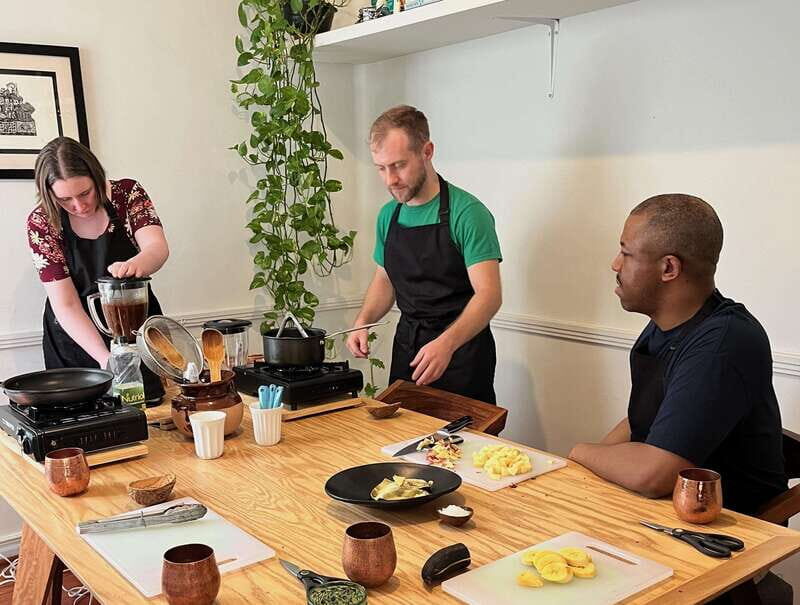
- Two moles, clearly different: manchamanteles (sweet fruit) and a lighter green mole built from crisp green leaves
- Fresh corn tortillas made to scoop and serve your sauces
- A dinner-table finish with locally made dinnerware and drinks flowing during the meal
- Small-group, supportive pace where you can contribute even if you’re not a confident cook
- Local produce and crafts context shared by Jim, including artisan names and stories
A Condesa home where mole becomes a dinner party
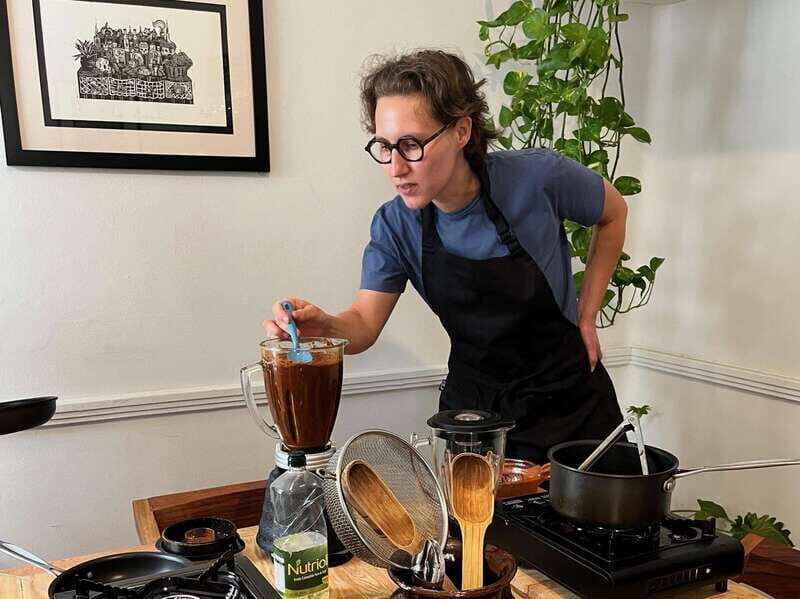
You start in a beautiful Condesa home in the State of Mexico area, where the vibe is warm and unfussy. The class is built around one big idea: mole isn’t one dish. It’s a whole family. And when you cook two versions back-to-back, you feel the differences in your hands and your taste buds.
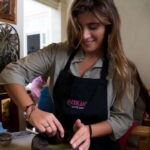
The host, Jim, guides you in English or Spanish, and you get the kind of step-by-step pacing that makes complex food feel manageable. In a lot of cooking classes, you end up standing around. Here, you’ll have real tasks, and the tone stays casual, like you’ve been invited to cook with someone who loves food and wants you to succeed.
You’ll also notice the table element. This isn’t only about the cooking part. The experience includes setting the table with beautiful, locally made dinnerware, so the meal feels intentional. And yes, you’ll eat what you cooked, not just taste a spoonful and go home.
You can also read our reviews of more cooking classes in Mexico City

Why Mexican mole is anything but one sauce
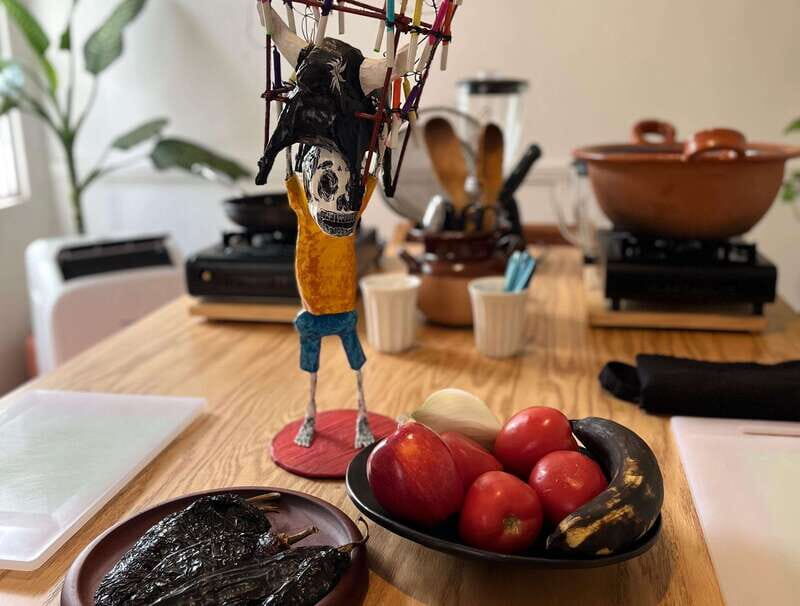
Mexican mole gets talked about like it’s one iconic thing. In reality, it’s a spectrum—different ingredients, different methods, different textures, different levels of weight.
In this class, you learn the staggering diversity of Mexican moles before you start cooking. That matters because it changes how you understand what you’re making. Instead of treating mole as a single recipe, you see it as a style of cooking: layered flavor, a balance of richness and acidity, and a willingness to use unexpected ingredients.
You’ll also learn a practical truth that helps when you cook at home: small shifts in ingredients can totally change the impression of a mole. That’s exactly what happens with the two moles you make. One leans into fruit sweetness. The other feels fresher and lighter because of its herb-forward base.
The class also links the food to the idea of place. Jim supports local produce and crafts and shares names of artisans, along with explanations of the pieces he shows. If you like travel that goes beyond eating, this part adds a little cultural depth without turning the day into a lecture.
Cooking manchamanteles: the mole poblano cousin with fruit sweetness
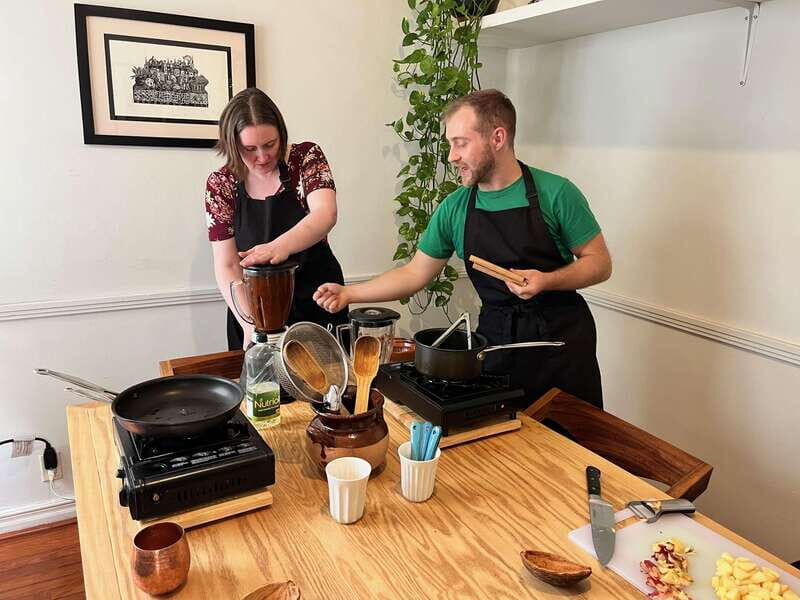
Your first big cooking win is manchamanteles. This is where the class gets fun, because it sits in the family of famous mole poblano while steering the flavor in a very different direction.
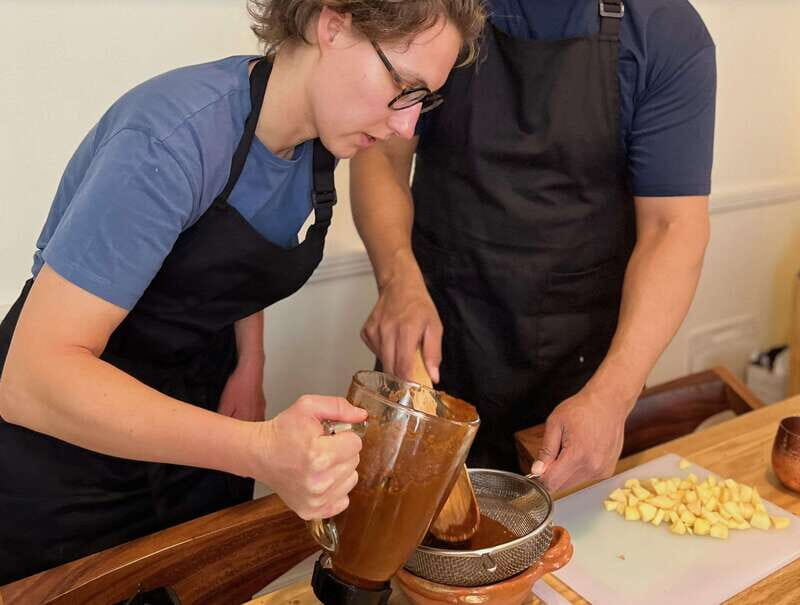
Here’s the key comparison: manchamanteles shares ingredients and processes with mole poblano, but it swaps the heavy sweetness you might expect from chocolate for generous chunks of pineapple and plantain. In plain terms, you’re making a mole that tastes more fruit-forward and lively than the darker, heavier versions.
During this part, you’ll cook from scratch and learn how those fruit components work with the sauce. You don’t just dump ingredients and hope. You’re guided through the steps so you understand what you’re building and why. And since you’ll also make tortillas, you’ll see how the sauce behaves when it meets something fresh and warm.
It’s a great choice for people who think mole is always dark and intense. This version gives you a new angle: richer than a simple salsa, but not stuck in the chocolate-heavy lane.
Making green mole with crisp green leaves
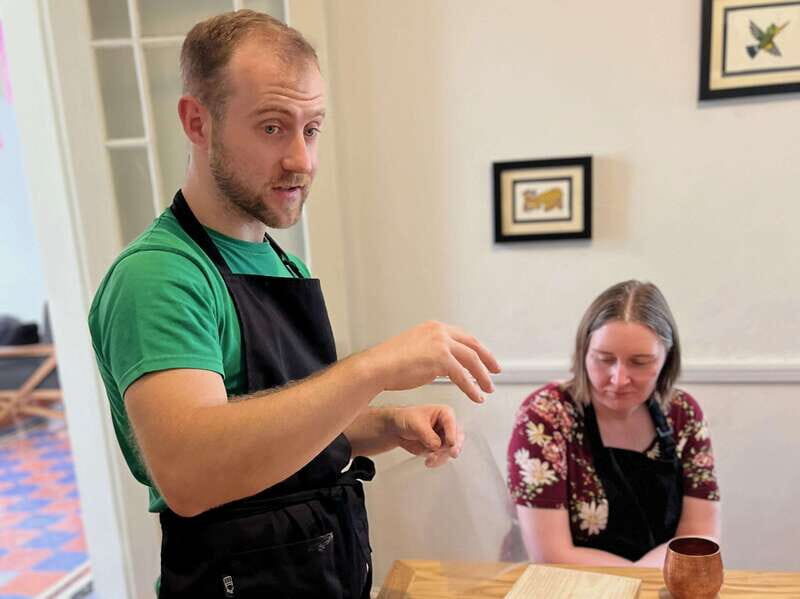
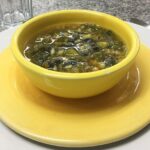
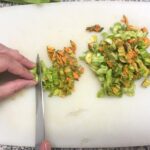
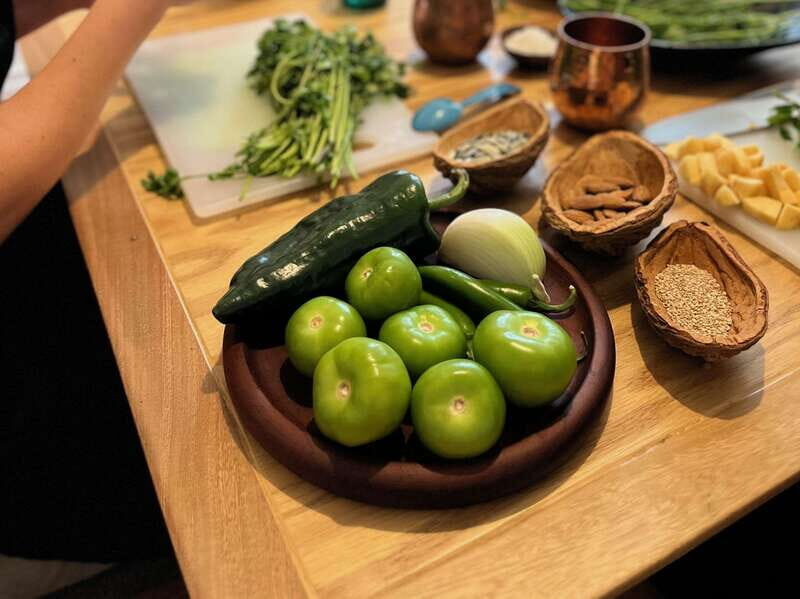
Then comes the second mole: a green mole designed to be a refreshing change. Instead of the deeper, heavier impression some people associate with mole, this one has a base built from crisp green leaves.
That matters, because green mole can taste like a whole different category of food—more vegetal, brighter, and lighter in feel. You’ll notice it during the cooking process and again when you taste it, especially side-by-side with the earlier fruit-sweet manchamanteles.
If you’ve tried mole in restaurants before and felt like everything blurred together, this pairing is the fix. One sauce lands with sweetness and fruit depth. The other resets your palate with green-leaf freshness. That contrast is exactly why the class format works so well.
Fresh corn tortillas you’ll actually use
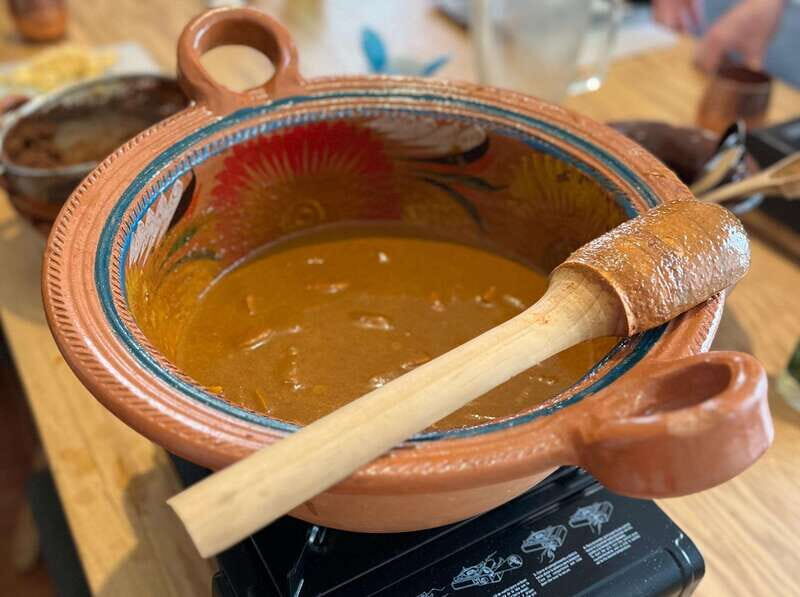
You don’t just make sauce. You also make fresh corn tortillas. That’s a big deal.
First, tortillas change the entire eating experience. Mole clings differently to freshly made tortillas than it does to something packaged or cold. Second, tortillas give you a tool you can take home: you’ll know what the food tastes like when it’s built properly, not assembled at the last minute.
The class gives you what you need to scoop your moles right away. You’ll be using the tortillas while your sauces are ready, not after hours of waiting. It’s practical food craft, and it makes the meal feel alive.
If you’re the type who loves eating but doesn’t love cooking, this still works. Tortillas are approachable, and the class keeps you moving.
You can also read our reviews of more tours and experiences in Mexico City

The meal finish: locally made dinnerware, drinks, and a shared table
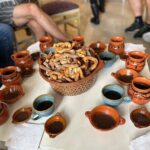
Around two hours into the experience, the cooking work transitions into serving. You’ll set the table with locally made dinnerware—an underrated part of the value. Food tastes better when the setting feels considered.
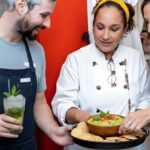
Then you eat a decadent manchamanteles and an uplifting green mole, both made by you. Drinks are included—Mexican beer, wine, and soft drinks—so you can settle in without needing to run off to find a bar.
This is also where the class feels social. Even if you’re cooking with a small group, the meal format makes it easy to relax and enjoy the results. The host keeps it friendly and paced, so it doesn’t feel like an assembly line. You’ll leave with that rare combo: you learned something, and you ate well.
Also, if you love taking something home, you’ll get recipes by email after the class. That’s useful because it turns your memory into a reference you can use later, not just a one-day experience you forget.
Price and value: what $130 covers (and why it feels fair)
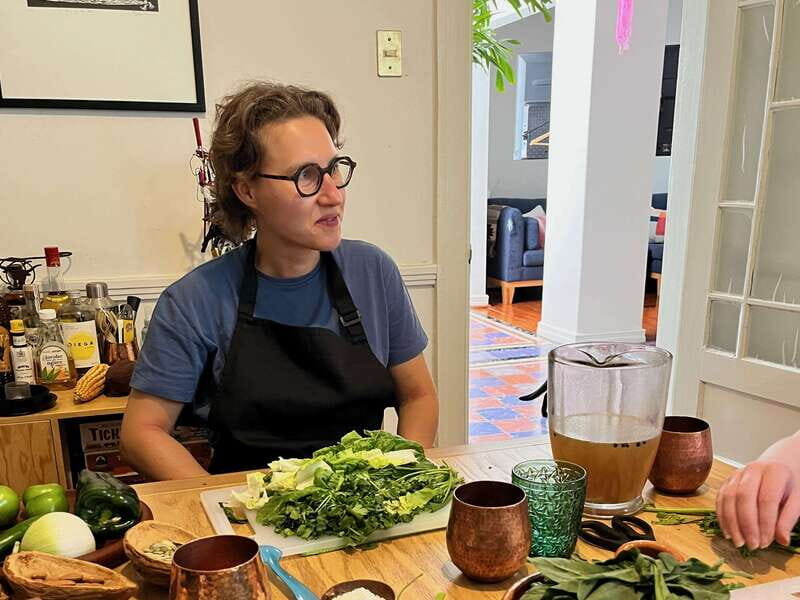
At $130 per person for a four-hour class, you’re paying for more than entertainment. You’re paying for a full cooking session plus an actual meal outcome.
Here’s what’s covered:
- Ingredients for two different types of mole and the tortillas
- Mexican beer, wine, and soft drinks
- Recipes sent by email after the class
When you compare that to the cost of eating at a nice restaurant plus shopping for ingredients afterward, the math gets more reasonable fast—especially because you’re learning the process for two sauces, not just sampling one.
The smaller-group feel also matters. In big classes, you often get less attention. Here, the tone is intimate and relaxed, and you’re encouraged to contribute even if you’re not experienced. That’s the difference between paying to watch and paying to learn.
If you’re already planning to eat in Mexico City or the surrounding area and want a memorable way to go beyond restaurants, this class is a strong value play.
Who this class is best for (and who should consider alternatives)
This experience fits best if you want food that’s authentic and specific. You’ll get more than general “Mexican cooking.” You’ll focus on moles, and you’ll learn how different versions use different ingredients to produce different moods.
It’s also a good fit for:
- Food lovers who want hands-on learning, not just tasting
- People who like contrast—sweet fruit notes alongside green-leaf freshness
- Travelers who enjoy meeting a host who shares local producer and craft details
You might think twice if:
- You need an elevator for accessibility. The building has no elevator, even though wheelchair users have attended in the past.
- You have serious allergies and are sensitive to the fact that there are two cats in the house (cats are kept out of the cooking area, and allergy pills are available).
- You require strict Kosher accommodations, because strict Kosher is not possible at this time.
If none of those apply, this is the kind of class that can become a highlight because it combines skill-building with a satisfying sit-down meal.
Practical tips before you go
A few things will make your day smoother.
First: tell them about dietary needs before you arrive. After booking, you should watch your email inbox because Jim will ask about dietary requirements. Many can be accommodated, but strict Kosher cannot.
Second: plan for the setting. It’s a home environment. That means cats live there, and there’s no elevator. If you’re traveling with mobility needs, it’s worth confirming the best way to manage steps with the provider ahead of time.
Third: come hungry. You’ll cook and then eat a proper feast with drinks. Even if you’re not a big eater, you’ll want room for both moles and the fresh tortillas.
Fourth: ask questions if mole history is your thing. The class includes context around origins and flavors, and Jim’s passion shows up in how he explains ingredients and craft connections.
Finally: if your plans are uncertain, you can cancel up to 24 hours in advance for a full refund, and you can reserve now and pay later.
Should you book this many-moles cooking class?
I’d book it if you want a mole experience with real range—two distinct sauces, fresh tortillas, and a meal that feels like dinner with friends. The value is strong because the price includes ingredients, drinks, and recipes, and the small-group format keeps the day relaxed.
Skip it if accessibility (no elevator) or allergies (cats in the house) are major issues for you, or if strict Kosher requirements are non-negotiable.
If you’re on the fence, here’s the simplest way to decide: do you want to understand mole by cooking it, not just reading about it? If yes, this class is a very smart use of your time.
FAQ
What mole dishes will I make?
You’ll prepare two different types of mole and fresh corn tortillas: manchamanteles and a green mole made with crisp green leaves.
How long is the class?
The experience lasts about 4 hours.
What is included in the price?
All ingredients to prepare two different types of mole and tortillas are included, along with Mexican beer, wine, and soft drinks. Recipes are also sent to you by email after the class.
What languages does the instructor speak?
The instructor speaks English and Spanish.
Can the class handle dietary requirements?
Dietary requirements will be accommodated, but strict Kosher is not possible at this time.
Is the home accessible for wheelchair users?
Wheelchair users have attended before, but the building where it takes place does not have an elevator.
Are there pets or allergy concerns?
There are two cats in the house. They are kept out of the cooking area, and allergy pills are available for guests who need them.