REVIEW · MEXICO CITY
Mexico City: Queer Mexican History
Book on GetYourGuide →Operated by Mannu · Bookable on GetYourGuide
Turn a classic downtown walk into a story.
This tour reframes Mexico City’s Historic Center through Queer Mexican History, linking the past to today’s queer artists and activists. You’ll start at Alameda Central and move on foot through some of the city’s most recognizable landmarks, but with a guide who keeps the focus on people, visibility, and how communities shape public space.
I really like how it blends history with contemporary culture rather than treating LGBTQ+ stories like an add-on. I also appreciate the small group size (up to 10), which makes it easier to ask questions and keep the pace comfortable as you walk. One thing to consider: it’s a walking tour and you’ll need good shoes and sun protection, and a few people have felt the timing/pacing didn’t match their expectations for certain stretches.
In This Review
- Key highlights I’d mark on your mental map
- A Small-Group Walk Through Mexico City’s Historic Center
- Starting at Alameda Central: how the tour sets the tone
- Hemiciclo a Juárez: where the first big stories start
- Palace of Fine Arts to Av. Francisco I. Madero: history that moves with you
- Zócalo and Plaza de Constitución: place, power, and visibility
- Templo Mayor Museum area and the finish behind the Metropolitan Cathedral
- Guides: warm delivery, serious content, and good pacing
- Price and value: why $30 can make sense
- Timing and logistics you’ll feel on your body
- Who should book this tour—and who should skip it
- Should you book this Queer Mexican History walk?
- FAQ
- FAQ
- How long is the tour?
- Where does the tour start?
- How much does it cost?
- How many people are in the group?
- What languages are the guides?
- Is it mostly walking?
- Is it suitable for children?
- What should I bring?
- Is food included?
Key highlights I’d mark on your mental map
- Alameda Central start at the corner of Hidalgo Av. and Dr. Mora St., with the guide holding a colorful umbrella
- Hemiciclo a Juárez as the launch point for the tour’s Queer + Mexican history storytelling
- A route through Av. Francisco I. Madero all the way toward the Zócalo area
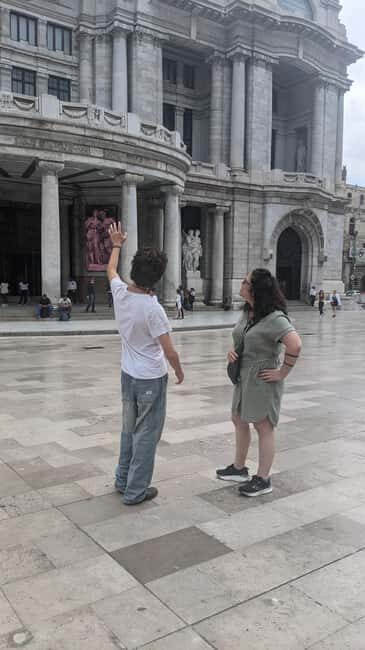
- Palace of Fine Arts as a quick, meaningful sightseeing stop along the way
- Templo Mayor Museum area near the finish, where the tour lands behind the Metropolitan Cathedral
- Finish at La Casa de las Sirenas, handy if you want to keep exploring nearby after the walk
A Small-Group Walk Through Mexico City’s Historic Center
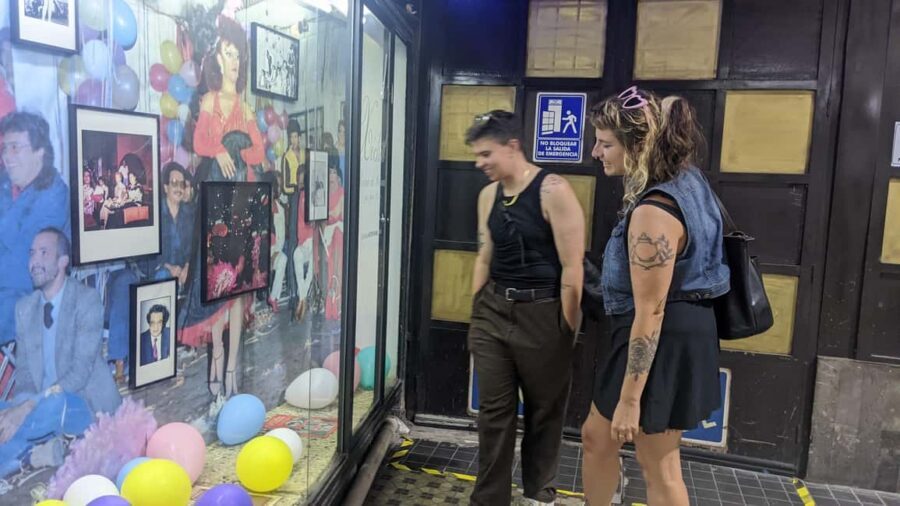
For a lot of people, the Historic Center is mostly about postcard views. This experience keeps the landmarks, but it changes what you’re looking for. Instead of only looking up at stone and arches, you’re learning how LGBTQ+ community life connects to Mexico’s public history—and how that connection shows up in today’s art and activism.
The “small group” part matters more than you’d think. With only up to 10 participants, you’re not stuck in a noisy line where everyone just stares forward. You can actually track what your guide is saying, and you’re more likely to hear the “why does this location matter?” details that make history stick.
You can also read our reviews of more city tours in Mexico City

Starting at Alameda Central: how the tour sets the tone
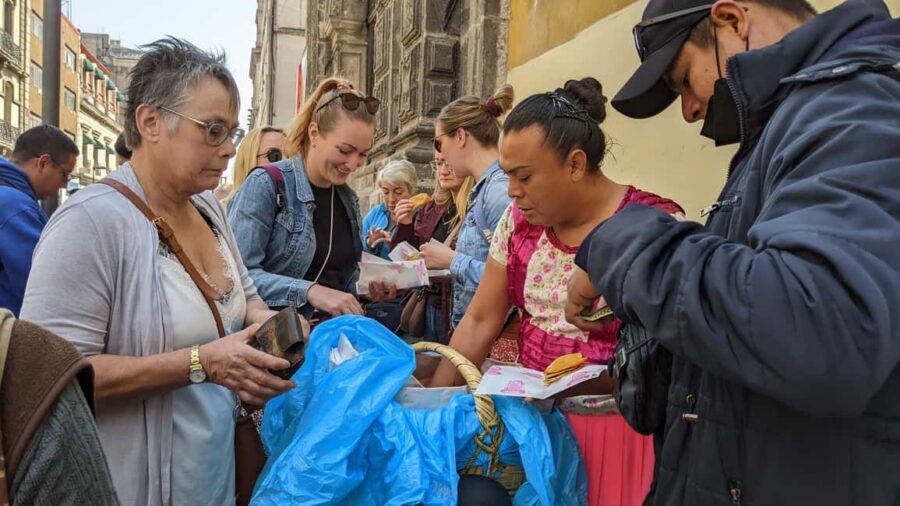
The walk begins at Alameda Central Park, at the corner of Hidalgo Av. and Dr. Mora St. You’ll meet your guide there, and they’ll be holding a colorful umbrella so you can spot them fast.
This is a smart start point. Alameda Central is a relaxed, central gathering space where you can get oriented before the tour starts moving toward the city’s heavier sightseeing zones. The guide’s introduction (the part right before you start walking) also matters, because it frames what you’ll be listening for as you pass by famous buildings.
Practical note: the meeting point can vary depending on your booking option. One listed option is Av. Hidalgo 437, so if you book, double-check the exact pin/date/time details you receive.
Hemiciclo a Juárez: where the first big stories start
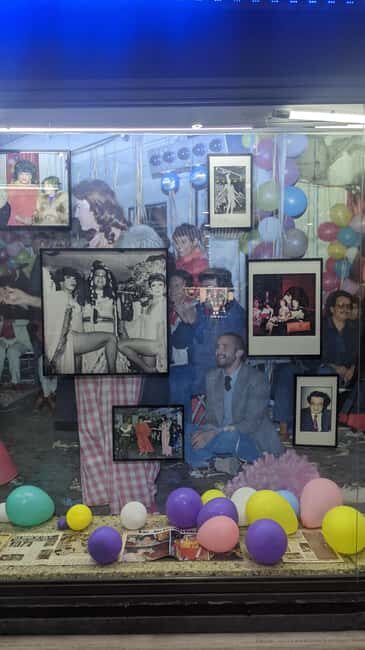
The first major stop is Hemiciclo a Juárez. This is where the tour’s actual “Queer Mexican History” focus kicks in. The point here isn’t just to admire an impressive monument; it’s to use the space as a starting reference for stories about queer people in Mexico’s history.
Why this works: monuments are hard facts you can’t ignore. Your guide uses that fixed setting to explain connections—who is remembered, who is left out, and how communities push for visibility over time. Even if you’re familiar with downtown Mexico City, you’ll likely notice how the same place can feel totally different when the story shifts.
Palace of Fine Arts to Av. Francisco I. Madero: history that moves with you
After you get moving, you’ll head along Av. Francisco I. Madero, toward the Zócalo/Plaza de Constitución area. Along the way, there’s a sightseeing moment at the Palace of Fine Arts.
That Palace stop is brief, so don’t expect a long museum-style visit. But it’s still useful because your guide can anchor the tour’s theme while you’re in one of the city’s most dramatic cultural settings. Then you keep walking, which is key: the tour doesn’t slow down into one big “lecture stop.” It keeps transitioning through neighborhoods and major streets, which matches how social history actually unfolds in real cities.
Av. Madero is also a practical gift. It’s one of the easiest corridors to navigate, so you can focus on the story instead of constantly figuring out where you are.
Zócalo and Plaza de Constitución: place, power, and visibility
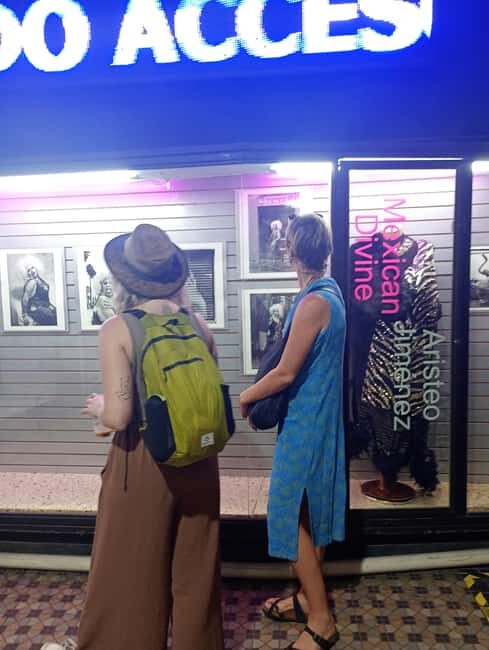
Eventually you’ll reach Zócalo (Plaza de Constitución) for sightseeing. This is one of the most powerful public spaces in the city, so it’s a natural stage for the tour’s theme: how communities move through public life, and how queer presence and activism relate to the broader national story.
What you’ll likely get out of this stop is a shift in perspective. Instead of seeing the Zócalo as a single “must-see square,” you’ll start thinking about it as a political and cultural stage—where visibility, memory, and identity play out in real time.
If you’re trying to get photos, do it here—but keep your attention on what your guide is pointing out. The skyline is the easy part. The meaning is what you came for.
You can also read our reviews of more historical tours in Mexico City




Templo Mayor Museum area and the finish behind the Metropolitan Cathedral
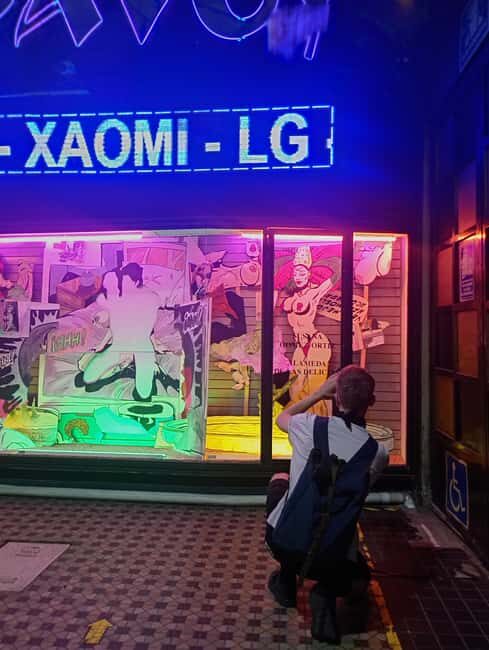
The tour finishes behind the Metropolitan Cathedral, near Templo Mayor, and includes sightseeing around the Templo Mayor Museum area. You’ll also end at La Casa de las Sirenas.
This ending zone is a good “wrap” because you’re moving from broad public-symbol spaces into an area tied to deeper layers of place and identity. The tour’s final feel is less about checking a box and more about understanding why the city’s layers matter—and how queer stories fit into them.
If you want to keep the day going, finishing near this part of downtown makes it easier. You’re not suddenly stranded far away from other things to eat, see, or wander.
Guides: warm delivery, serious content, and good pacing
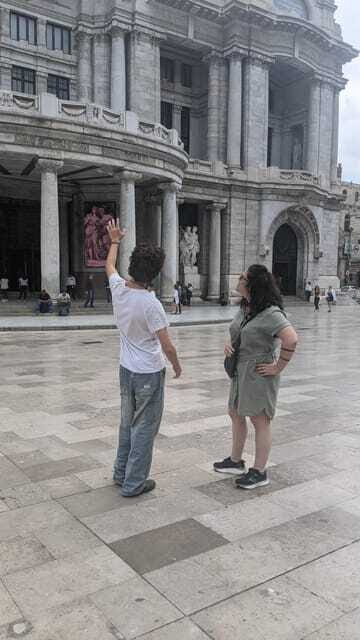
The tour is led by an English-speaking guide (with French also offered). The writing here can’t capture personality, so I’ll highlight what I can see from guide names mentioned in past bookings: Ada Narcissa and Mannu/Manu.
From the reviews, the most praised qualities are clear: guides who are welcoming, who explain the history in a way that lands, and who balance the serious with a lighter human tone. One review specifically called out how the guide brought both serious and funny sides to the walk, which is exactly what you want for a topic that can get heavy.
A small pacing heads-up, though: at least one review noted that a portion of the experience felt shorter than expected (a segment that seemed to run about 30 minutes instead of an hour). That doesn’t mean the tour is “wrong,” but it’s worth knowing if timing is your top priority.
Price and value: why $30 can make sense
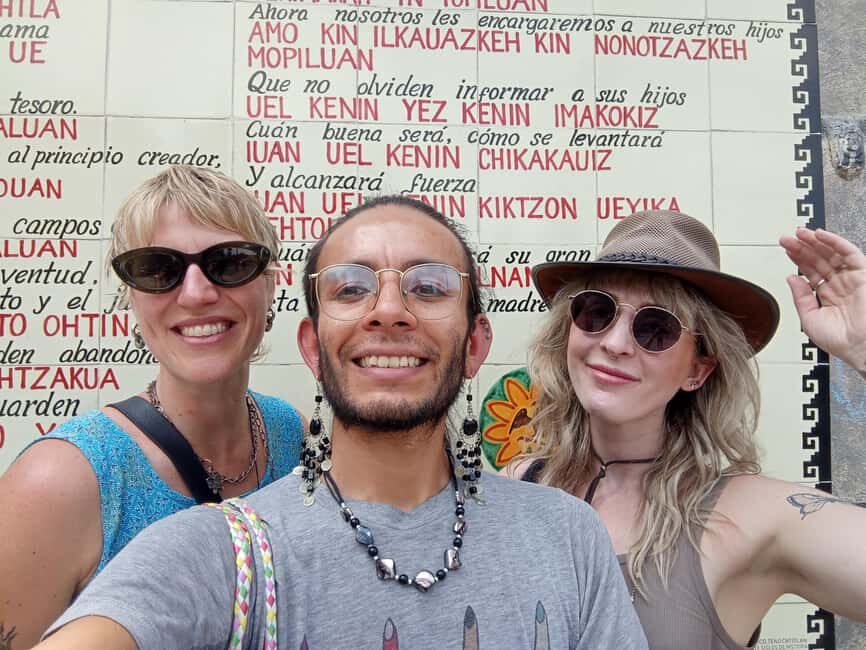
At $30 per person for about 150 minutes, this is a fairly direct value play. You’re paying for an English/French guide, plus an organized route through multiple major landmarks in a compact area—so you’re not spending your energy figuring out what to see and why.
The best “value” part isn’t only the landmarks. It’s the theme: the guide’s goal includes remembering important queer figures in Mexican history and connecting that to contemporary queer artists and activists. If you care about context and not just sights, a guided walk at this price can be a strong deal.
Timing and logistics you’ll feel on your body
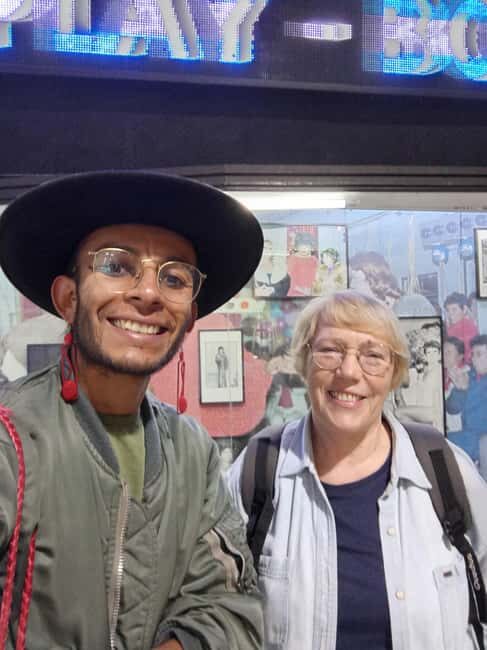
This is a walking tour, and it’s long enough that comfort matters. The tour duration is listed as 150 minutes, and the itinerary clearly moves across several distinct stops. Plan on being on foot for most of that time.
Here’s how I’d prepare so you’re not miserable halfway through:
- Wear comfortable shoes (you’ll be walking enough that breaking in new shoes is risky)
- Bring water
- Use sunscreen
- Bring an umbrella if the weather looks unpredictable or bright
- Have a small lunch before you go so you don’t turn cranky at the worst moment
Also: no littering. It’s basic, but it’s good to know it’s explicitly part of the tour rules.
Who should book this tour—and who should skip it
This is a strong choice if you want:
- a downtown walk that connects Mexican LGBTQ+ history to what’s happening now
- a guided approach with a human tone, not a dry “facts only” lecture
- a small-group experience where the guide can respond as you go
It’s not listed as suitable for children under 11, so if you’re traveling with younger kids, you’ll probably want a different option.
If you hate walking or you’re dealing with mobility limits, this route may feel like a chore rather than an experience. The Historic Center is also sun-and-stairs energy, so your body needs to be ready.
Should you book this Queer Mexican History walk?
If you’re drawn to the idea of seeing the Historic Center through a new lens, I’d say yes, book it. The route hits major landmarks—Alameda Central, Hemiciclo a Juárez, Palace of Fine Arts, the Zócalo area, and the Templo Mayor neighborhood—while keeping the theme grounded in how queer life has shaped Mexican history and continues through art and activism.
Book it especially if you like:
- guided storytelling you can follow in real time
- a small group feel
- a route that gives you structure without trapping you indoors
Skip or rethink it if you:
- can’t handle sustained walking
- need a fully seated, museum-style day
- are strict about exact timing for every stop (since pacing can vary by segment)
FAQ
FAQ
How long is the tour?
The tour lasts 150 minutes.
Where does the tour start?
It starts at Alameda Central Park, at the corner of Hidalgo Av. and Dr. Mora St. The exact meeting point may vary depending on the option you book.
How much does it cost?
The price is $30 per person.
How many people are in the group?
It’s a small group limited to 10 participants.
What languages are the guides?
The live tour guide offers English and French.
Is it mostly walking?
Yes. It’s a walking tour, so wear comfortable shoes and expect to be on your feet for most of the experience.
Is it suitable for children?
It is not suitable for children under 11.
What should I bring?
Bring comfortable shoes. The experience also recommends small lunch, water, sunscreen, and an umbrella.
Is food included?
No. Souvenirs or food you want to buy are not included.