REVIEW · MEXICO CITY
Walking Tour in Mexico City for Exploring their Cultural Heritage
Book on Viator →Operated by Estación México · Bookable on Viator
Start with the pulse of Mexico City. This guided walk threads you through the Centro Histórico, so you can connect Aztec roots, Spanish power, and 20th-century art in a few blocks and a few hours. I like the small group size (up to 20) because it stays conversational, and I like how the guide keeps the landmarks understandable instead of just pointing and saying names.
The only catch: it’s a real walking tour. You should be ready for about 3 hours on foot, starting at 9:00 am, and the time at each stop is brief—perfect for getting oriented, less perfect if you want to linger like it’s a museum day.
In This Review
- Key highlights to know before you go
- A First-Time Friendly Walk Through Mexico City’s Centro Histórico
- Price and Logistics: Why $25 Works Here
- Start at Pza de la Constitución: Zócalo, Cathedral, and Government Power
- Templo Mayor Museum: Where Tenochtitlan Shows Up in Real Ruins
- Plaza de Santo Domingo: Spanish-Era Past Meets Mexico’s Mural Movement
- Museo Nacional de Arte: A Quick Hit of 20th-Century Architecture
- Palaces and Tiles: Ending Near Palacio de Bellas Artes
- What the Walking Pace Really Means for You
- Guides: The Difference Between Seeing Places and Understanding Them
- Should You Book This Centro Histórico Walking Tour?
- FAQ
- How long is the walking tour?
- What does the tour cost?
- Is the tour offered in English?
- Where does the tour start and end?
- What sights are included?
- Are admission tickets included?
- Are food and drinks included?
- Can I cancel for a full refund?
- How many people are in the group?
Key highlights to know before you go
- Zócalo orientation fast: You’ll get the political and social meaning of the main square before you wander off-script.
- Templo Mayor ruins: See the physical footprint of Tenochtitlan and hear how the Mexica story fits together.
- Santo Domingo + mural roots: Learn how Spanish-era history connects to Mexico’s later muralist movement.
- Museo Nacional de Arte timing: A quick hit of 20th-century architecture without needing a whole afternoon.
- Palacio de Bellas Artes finish: End near a true city icon, close enough to keep exploring afterward.
- Guides who answer questions: In recent tours, guides like Sofía and Carmina have been praised for being open, animated, and happy to teach.
A First-Time Friendly Walk Through Mexico City’s Centro Histórico
If Mexico City feels overwhelming at first, this is the kind of tour that helps it click. You start in the historic core where the city’s public life has been staged for centuries. Then you move through layers—Aztec ruins, Spanish-era power, and later art history—without hopping on and off the subway every five minutes.
This is a walking tour built for clarity. You’re not just collecting photos. You’re learning how these places relate to each other: where civic life happens, where belief and state power show up, and how art becomes part of national identity. That context makes the streets feel less random.
I also like that the tone stays approachable. Guides on this route are often praised for answering questions and keeping things lively—people have specifically mentioned how guides like Jesús make the experience fun, and how Diana explains art and history in a way that non-experts can follow.
One more practical plus: it’s short. The tour runs about 2 to 3 hours, which means you get a high-value orientation session on your first day—then you can choose what to revisit later.
You can also read our reviews of more walking tours in Mexico City



Price and Logistics: Why $25 Works Here
At $25 per person, the real value isn’t just the price. It’s the mix: a live guide, a tight route through big landmarks, and multiple stops marked free admission. When several entry fees are off the table, you’re spending money where it matters most—on understanding what you’re seeing.
This tour also keeps the group manageable, with a maximum of 20 travelers. That matters in places like the Zócalo and around major museums, where large crowds can turn a guided experience into a shuffle.
A few logistics details help you plan:
- It’s offered in English
- You get a mobile ticket
- The starting point is in Centro Histórico, near public transportation
- It finishes close to Palacio de Bellas Artes, so you can roll into an afternoon of your own
Not included: food and drinks. That’s normal, but do yourself a favor—carry water, and decide whether you want to eat right after the tour or treat it as a pre-meal sightseeing run.
Start at Pza de la Constitución: Zócalo, Cathedral, and Government Power
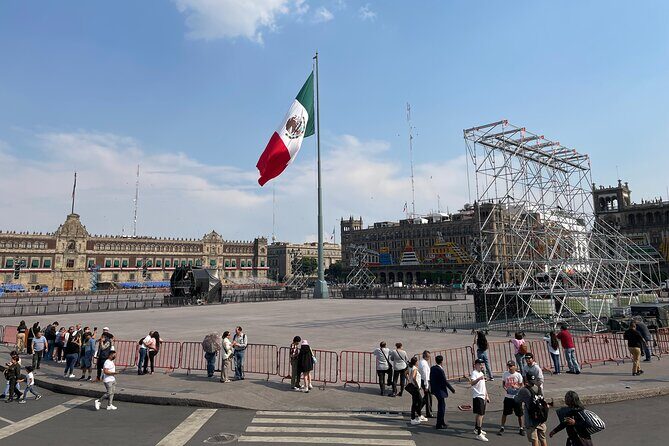
The tour begins at Pza de la Constitución 463 in Mexico City’s Centro Histórico, right at the heart of it all. You start at the Zócalo, and that’s smart. This square isn’t just scenery. It’s where politics, public life, and major events have long intersected.
From there, you get context around two major landmarks that shape the square’s meaning:
- the biggest cathedral in the continent (as described on this route)
- the key federal government office in Mexico
Even if you’ve only read about Mexico City in broad strokes, the Zócalo helps you understand how the city organizes itself: big, public, central spaces where institutions face the people. The guide time here is about 30 minutes, so you’re not stuck standing around. You get enough background to make the next stops feel connected rather than random.
If you like history, you’ll appreciate that this part sets the theme. The Zócalo is where the tour explains the city’s civic rhythm. Then you walk away from the modern political center toward ancient ground.
Templo Mayor Museum: Where Tenochtitlan Shows Up in Real Ruins
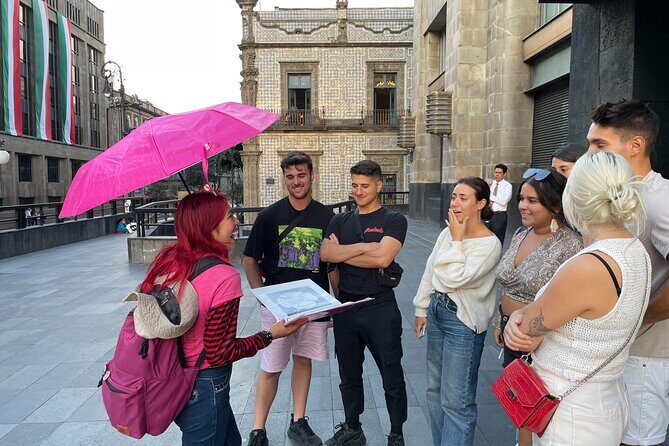
Next comes Museo del Templo Mayor, with about 20 minutes on the ruins area. This is the stop where the past gets physical. Instead of learning about the Aztecs as a distant story, you see the archaeological remains tied to ancient Tenochtitlan.
What makes this stop hit is the way it frames the Mexica and Aztec legacy in plain terms. You’re not expected to already know the timeline. The guide’s job is to connect what you’re looking at—temple foundations, layers, and the site’s importance—to how the Mexica culture lived, believed, and built their city.
This also gives you a new way to read the surrounding streets. Once you understand that this wasn’t just a city with a different look—it was a different world of engineering, religion, and power—the rest of Centro Histórico changes in your mind.
One practical note: with only 20 minutes, you’ll want to listen closely and ask questions early. If something sparks your interest, save it for a longer visit later—you’ll already know what to look for.
Plaza de Santo Domingo: Spanish-Era Past Meets Mexico’s Mural Movement
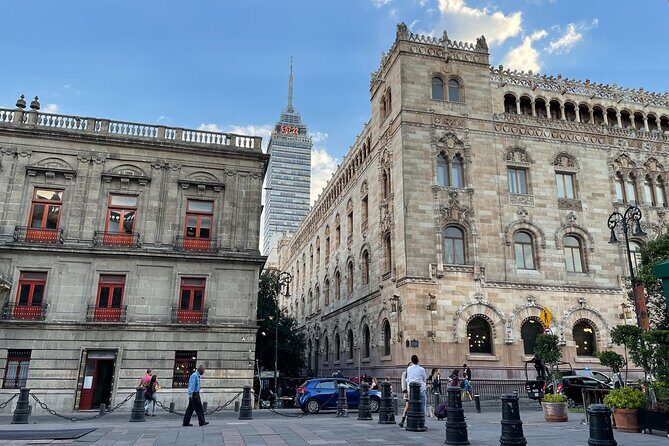
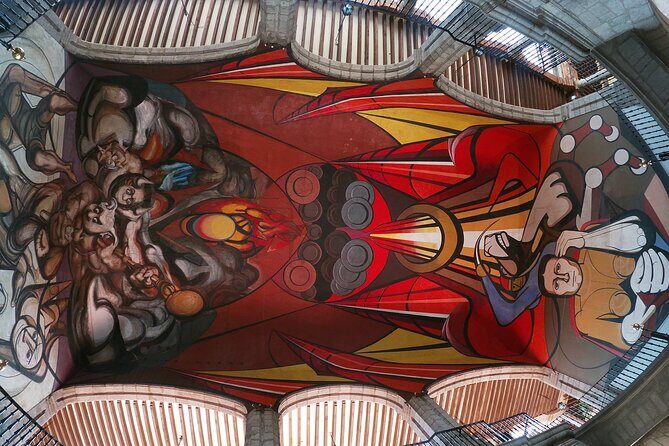
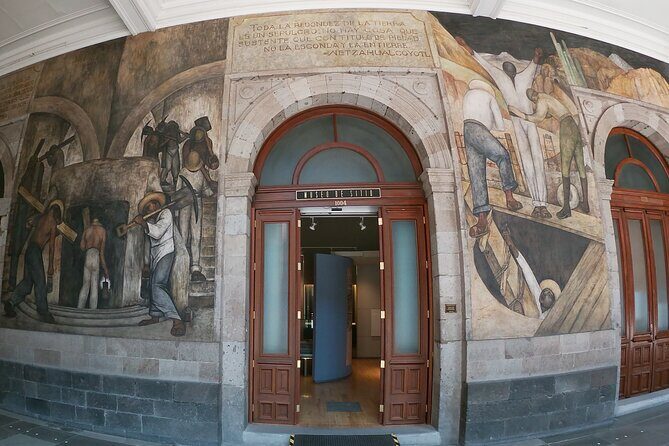
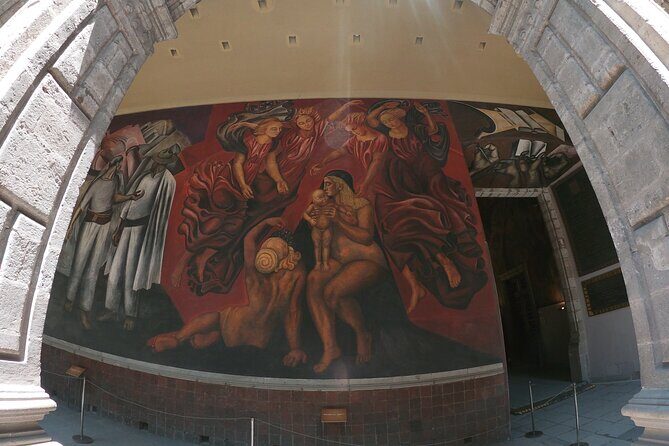
Then you shift to Plaza de Santo Domingo, with about 30 minutes here. This stop is about contrast. You’ll hear how the Spanish past and later Mexican muralism connect, and why that matters for how Mexico City tells its own story.
Murals aren’t just art decorations. In Mexico, they often act like public memory—big, accessible, and built for the street audience. This plaza helps you understand why mural culture became such an important part of national identity later on.
If you’ve ever wondered why some cities feel like their art is part of daily life, this is where Mexico City starts to explain itself. The square setting helps too: you’re not locked inside a room. You’re learning while you’re standing in the urban space where culture lives.
This is also a good moment to reset your brain. After Aztec ruins, you’re now in a Spanish-influenced setting, and the guide’s job is to show the link forward to Mexico’s later visual storytelling.
You can also read our reviews of more city tours in Mexico City


Museo Nacional de Arte: A Quick Hit of 20th-Century Architecture
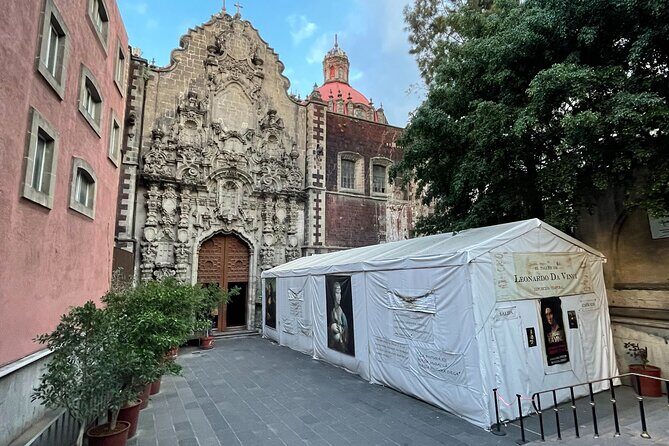
After Santo Domingo, you head to Museo Nacional de Arte, where you’ll have about 30 minutes. The focus here is partly architectural. You’re seeing how 20th-century design reshapes the feel of Centro Histórico.
Even if you’re not a museum person, this stop works because you’re not just ticking off another building. You’re learning how style and culture change over time—and how that shows up right in the city’s physical look.
This is one of those “small time, big payoff” stops. With limited minutes, you won’t see everything the museum offers. But you will come away with a sense of why the museum belongs in this story: it’s part of Mexico City’s ongoing reinvention.
If modern architecture is your thing, you’ll likely want to spend more time here afterward on your own. The tour doesn’t pretend this is the only day you’ll ever spend in museums.
Palaces and Tiles: Ending Near Palacio de Bellas Artes
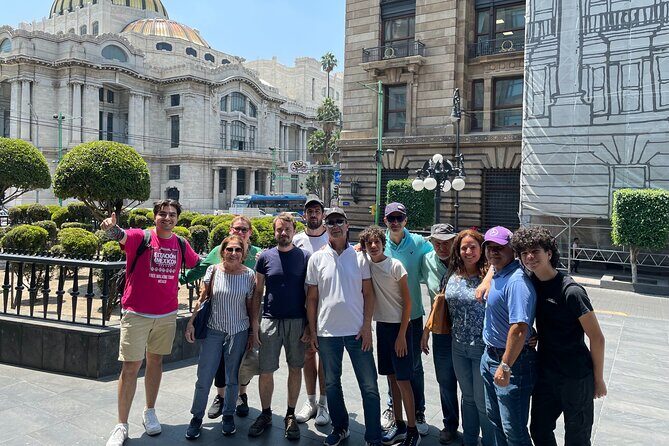
The tour’s final stretch builds toward the finishing point: the area near Palacio de Bellas Artes (Palace of Fine Arts), which the route describes as an iconic Mexico City palace and mentions its famous tiles.
This is a fitting end. After you’ve moved through the Aztec foundations, the colonial and civic centers, and the 20th-century art museum, you finish at a landmark that ties all those threads together through style and identity.
Why it’s a good ending point: the tour isn’t just done and forgotten. You finish close to a place you’ll want to explore further—whether that means stepping inside, grabbing a coffee nearby, or planning your next stop based on what you learned.
The tour ends near Av. Juarez 39 in Colonia Centro, but the note is clear: you’ll finish close to the palace, so you can keep momentum without wasting time getting back to the subway.
What the Walking Pace Really Means for You
The tour is designed so most people can participate, with the key condition that you should be able to walk for about 3 hours. That doesn’t mean you’ll be strolling forever. It means you’ll be on your feet, moving between major points in Central Mexico City, in a compact route.
This matters because Mexico City streets can be uneven and sidewalks can feel busy even when you’re not in a stadium crowd. If you’re traveling with any mobility limitations, you’ll want to plan carefully. The tour info also notes service animals are allowed, which is good to know.
Group size helps the pace too. With a max of 20 travelers, your guide can keep the group together without turning the tour into a rescue mission.
This tour is best for:
- first timers who want a clean orientation in one afternoon
- history lovers who like seeing how civilizations overlap in the same space
- people who enjoy getting context from a guide and then going back on their own
If you hate walking or you want long museum time at multiple stops, you might feel rushed. In that case, consider splitting your day: do a guided orientation session like this, then choose one or two sites for deeper time later.
Guides: The Difference Between Seeing Places and Understanding Them
One of the most consistently praised aspects here is the guide experience. Names that have come up include Sofía, Carmina, Jesús, Ulysses, Diana, David, and Marco—and the common theme is how they explain the story behind the buildings.
Sofía is noted for offering lots of useful info and being open to questions, even sharing something food-related during the walk. Carmina has been described as enthusiastic and top-notch at answering questions across multiple days of touring. Jesús gets credit for being entertaining, and Ulysses for being polite, friendly, and genuinely educational.
David and Marco stand out for the way they keep things interactive and flexible. One write-up mentioned that the group happened to be small, which made it extra special, and another noted accommodating pace—good reminders that a walking tour works best when the guide can read the room.
Translation for your day: you’ll likely get better results if you show up ready to ask. This tour is built for questions.
Should You Book This Centro Histórico Walking Tour?
Yes, if you want a smart first pass through Mexico City’s cultural layers. This tour gives you an orientation that’s hard to replicate just by wandering. The combination of Zócalo context, Templo Mayor ruins, Santo Domingo’s art-history connection, and an end near Palacio de Bellas Artes is a strong route for understanding how the city’s story changes with every block.
I’d skip it or swap priorities if:
- you hate walking for about 3 hours
- you want extended museum time at multiple indoor locations
- you’re looking for a food-focused experience (food and drinks aren’t included)
If you’re doing a first-day plan, this is a solid value. You pay $25, you get an English-speaking guide, and you spend your time learning instead of guessing what matters. Then you finish near an icon and can decide how to spend the rest of your day.
FAQ
How long is the walking tour?
The tour lasts about 2 to 3 hours.
What does the tour cost?
It costs $25.00 per person.
Is the tour offered in English?
Yes, it is offered in English.
Where does the tour start and end?
It starts at Pza de la Constitución 463, Centro Histórico de la Cdad. de México and ends near Av. Juarez 39, Colonia Centro, close to Palacio de Bellas Artes.
What sights are included?
You visit the Zócalo, Museo del Templo Mayor, Plaza de Santo Domingo, Museo Nacional de Arte, and the walk finishes near Palacio de Bellas Artes.
Are admission tickets included?
The stops listed are marked admission free, and the activity includes the places you visit during the walk.
Are food and drinks included?
No. Food and drinks are not included.
Can I cancel for a full refund?
Yes, you can cancel for a full refund if you cancel at least 24 hours before the experience start time. If you cancel within 24 hours of the start time, the amount paid is not refunded.
How many people are in the group?
The tour has a maximum of 20 travelers.