REVIEW · MEXICO CITY
Mexico City: Guided walking tour through the most historic parts of the city.
Book on GetYourGuide →Operated by KactusMX · Bookable on GetYourGuide
Mexico City’s historic center rewards a slow walk. This guided route connects the big turning points of Mexican history to the actual streets you’ll stand on, starting at the Zócalo and ending near Palacio de Bellas Artes. You’ll also get practical, on-the-ground context for how people move around CDMX and where to find good, everyday bites.
Two things I really like: first, you get the three major periods of Mexican history in one coherent route, not in disconnected lectures. Second, the guides bring story power and real local judgment; names like Oscar, Areli, Laura, Luis, and Alexia show up in recent guide credits, and the common thread is confident pacing and lots of Q&A.
One drawback to plan for: it’s weather-dependent and you’re walking the whole time. Also, at the start, some groups may spend a bit too long gathering and listening before moving, so if you hate long introductions, bring patience.
In This Review
- Key highlights you’ll feel right away
- Why the Zócalo to Bellas Artes route makes sense for first-timers
- The three eras of Mexican history, explained as you walk
- Catedral Metropolitana and Templo Mayor: the best “layers” moment
- Santo Domingo, Manuel Tolsá, Correos, and Casa de los Azulejos
- Food stops, photo tips, and daily life know-how
- Timing, walking pace, and what to bring (so you don’t hate it)
- Price and value: what $30 buys you, and what it does not
- Who should book this tour, and who should skip it
- Should you book this Mexico City historic-center walking tour?
- FAQ
- How much does the Mexico City historic center walking tour cost?
- How long is the tour?
- Where do I meet the guide, and how do I recognize them?
- What is included in the price?
- What is not included?
- What languages are available?
- Does it run in bad weather, and what should I bring?
Key highlights you’ll feel right away
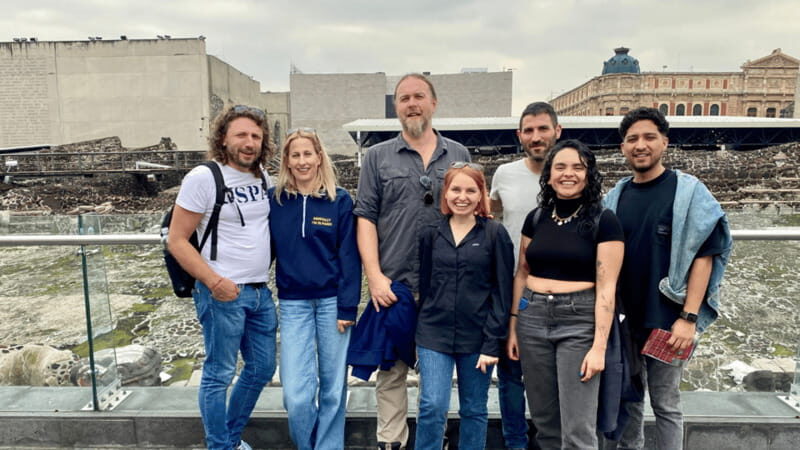
- Three historical eras, tied to specific landmarks you can point at
- Real guide storytelling with lots of answering and follow-up questions
- Photo stops plus short “look closer” moments that help you read the architecture
- Local eating intelligence, including what to choose and how to spot decent street-food options
- Hidden corners and local stops that go beyond the usual checklist
Why the Zócalo to Bellas Artes route makes sense for first-timers
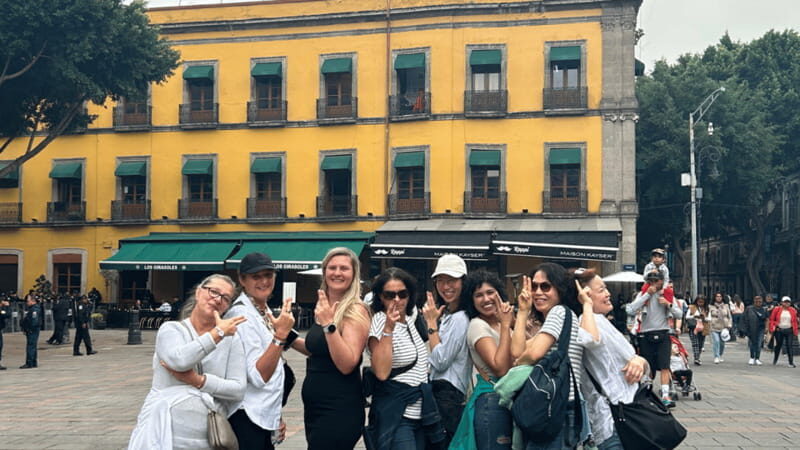
If this is your first visit to Mexico City’s Centro Histórico, this tour is a fast way to get your bearings. You start at the Catedral Metropolitana area, then you work outward through the places that helped shape the country: the pre-Hispanic heart, the Spanish colonial center, and the Republic-era city that grew on top of it all. It’s not just a list of landmarks. The guide explains why those stones and plazas matter, so you stop seeing buildings as random backdrops.
I also like that the route is designed for viewing and listening at walking speed. The big sights are there, but you get enough time to look closely: cathedral details, the museum setting of the Templo Mayor, and the grand 19th-century-looking facades. By the end, you’ve got a mental map for what to revisit later on your own.
Price matters too. At $30 per person for about 3 hours, you’re paying for guided context and an organized path through a high-traffic area. You are not paying for transportation, meals, or ticketed entrances. That’s a good trade-off if you want the “why” without paying for everything upfront.
You can also read our reviews of more walking tours in Mexico City



The three eras of Mexican history, explained as you walk
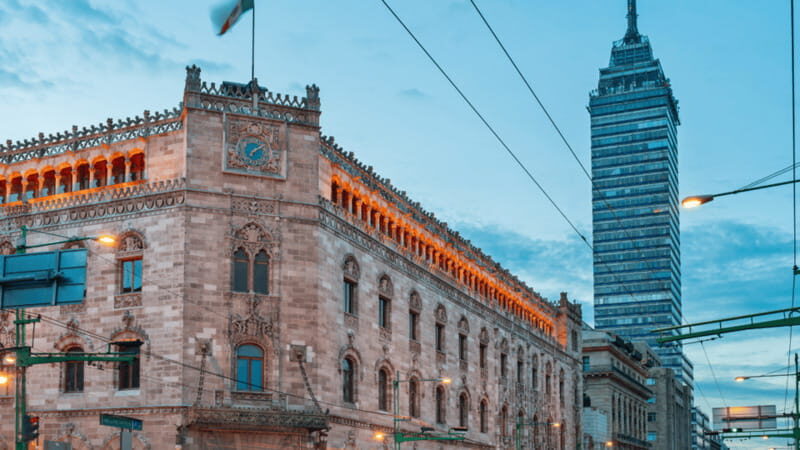
This tour is built around a simple idea: Mexico City is layered. The guide keeps pointing out how each period used the same ground for different meanings.
1) Pre-Hispanic Mexico (Aztec/Tenochtitlan)
You start the historical arc at the Zócalo, where the tour frames the origins of Mexico-Tenochtitlan and the shift from Aztec power to what followed. Then you move to the Templo Mayor area, where the ruins act like a time machine. Expect guided context about why this site was central, and how modern Centro sits on top of older structures.
2) The Viceroyalty (Spanish colonial era)
In the Zócalo area and around key colonial plazas, the guide connects Spanish rule to the built environment you see today. You’ll get stories about major figures and how national identity formed as colonial systems took root. The stop rhythm matters here: the tour doesn’t just say the Spanish arrived. It helps you connect the arrival to churches, plazas, and power centers.
3) The Republic (independence onward)
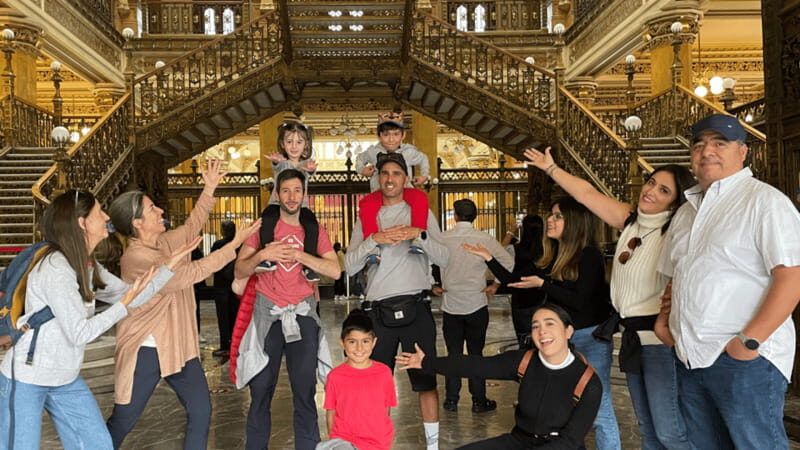
The last part of the walk leans more into national identity after independence, using architecture and civic landmarks to illustrate the shift in style and symbolism. When you reach spots like the Palacio de Correos and the Palacio de Bellas Artes zone, you get the sense of 19th-century city-building energy.
Across all three eras, the tour keeps returning to people. You’ll hear about well-known historical names (like Hernán Cortés, Diego Rivera, Pancho Villa, Zapata, Porfirio Díaz, and Moctezuma), plus the women and cultural figures who affected the nation in less textbook ways. The guide’s job is to turn names into context, and the guides in recent bookings generally do that with energy and respect.
Catedral Metropolitana and Templo Mayor: the best “layers” moment
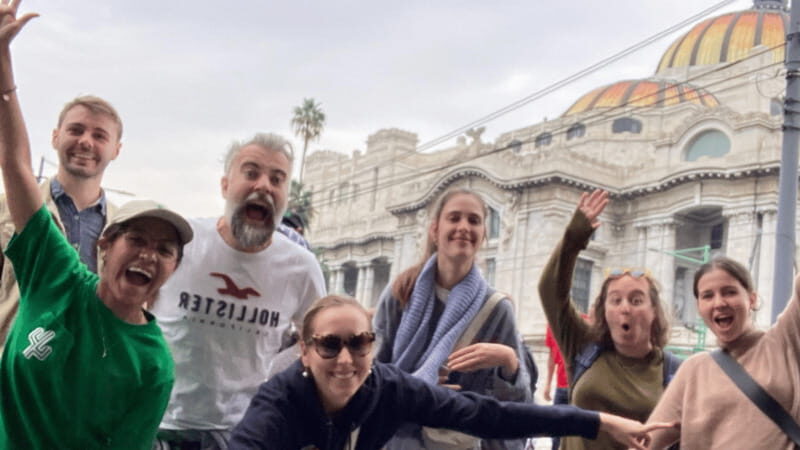
Two stops do most of the heavy lifting for history. Together, they explain how Mexico City changed without wiping the past away.
At the Catedral Metropolitana, you don’t just admire the outside. The itinerary includes time to go inside for a guided look at the architecture and its meaning right in the middle of the plaza system. This is where you learn what it means for colonial Mexico to place a massive cathedral in the same civic zone that earlier empires considered symbolic ground.
Then comes Templo Mayor Museum. Even if you’ve seen photos, the museum setting helps you understand what you’re looking at. The guide explains the importance of the Templo Mayor ruins as a reminder of the ancient Aztec capital’s scale and influence. You’ll also see how quickly history becomes physical here. Layers of stone and layers of meaning sit so close you can’t separate them.
Practical note: entrance fees aren’t included. The itinerary includes visits and guided time at places that likely involve ticketing. Plan for that in your budget so you don’t get stuck at the door.
Santo Domingo, Manuel Tolsá, Correos, and Casa de los Azulejos
After the cathedral-and-ruins core, the tour shifts into plazas and architectural landmarks that show how Catholic orders and civic projects shaped the city.
At Plaza de Santo Domingo, you get a photo stop plus learning time about the Dominican order’s influence. This stop is worth it because you’re not just looking at a square. You’re learning why this square looks the way it does and why religious orders mattered in the way the city developed.
Next is the Plaza Manuel Tolsá area and its 19th-century architectural vibe, including a notable equestrian statue of Carlos IV. Even from the outside, the guide helps you read the design choices as part of a larger story: power made visible in stone.
Then you move to Palacio de Correos de México, with photo time, a visit, and a bit of free time. This is a good place to slow down. Postal buildings often hide little details people miss, and the time you get here gives you room to look instead of just move.
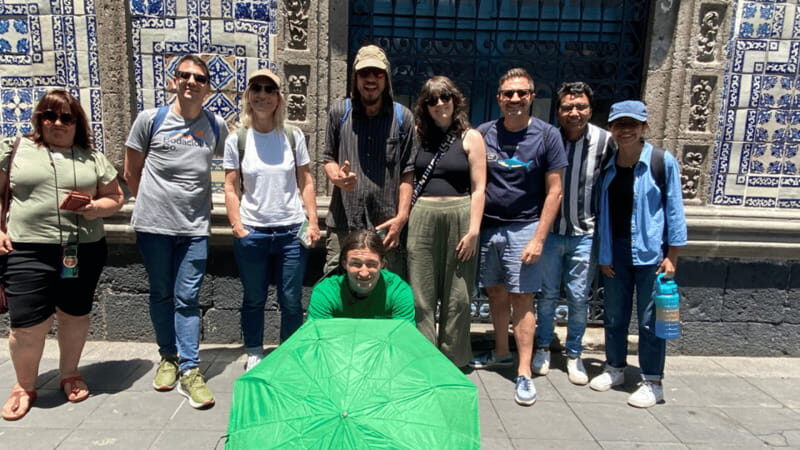
You’ll also hit Casa de los Azulejos, with both photo time and a visit. The guide’s explanations help you see it as part of a bigger pattern in the Centro—decorative architecture, elite tastes, and the city’s style shifts over time.
One more thing I like: the tour includes room for photo stops without turning it into a sprint. That’s especially helpful in Mexico City, where crowds and changing light can make timing tricky.
Food stops, photo tips, and daily life know-how
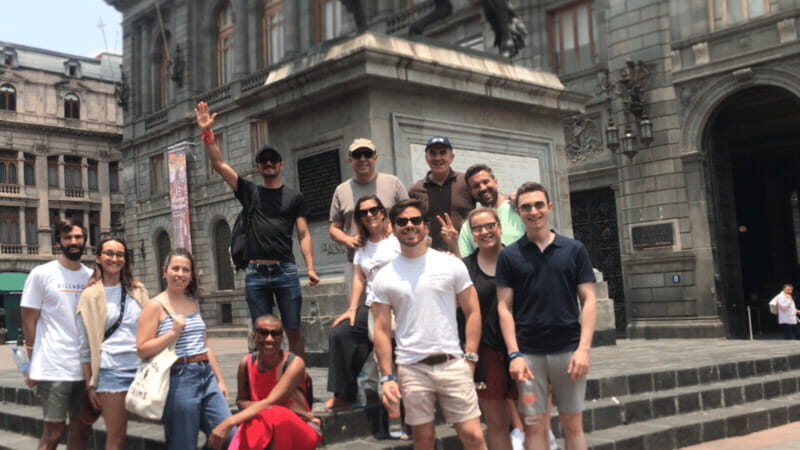
This tour is partly history, but it’s also about how you survive and enjoy Centro Histórico without guessing.
You’ll get guidance on street food choices and how to spot stands worth your time. Some guides in recent bookings also gave clear suggestions on where to eat after the tour. That matters because food options in the center are everywhere, and not all of them are equally safe or delicious. A guide’s street-food judgment can save you money and stomach stress.
You’ll also learn practical “how it works” info, including:
- how to get around using public transportation,
- why certain streets look clean in places where you might expect more mess,
- what distinguishes local eating habits when picking where to eat.
If you’re the type who likes to ask questions, this part of the tour tends to be fun. Recent experiences include guides who answered deeper follow-ups about history and culture, not just the obvious landmark facts.
Food is not included in the tour price. If you want to eat during the walk, you’ll pay yourself. I suggest bringing small cash for a quick snack, and wearing something breathable. You’ll be in the sun, walking, and pausing for stories.
You can also read our reviews of more guided tours in Mexico City



Timing, walking pace, and what to bring (so you don’t hate it)
This is about 3 hours of walking in the Centro Histórico area. It’s not a sit-and-watch tour. Even when there are photo stops, you’ll still be moving between major points.
The itinerary is structured like this:
- Start at the main entrance of Catedral Metropolitana de la Ciudad de México
- Zócalo (guided time)
- Catedral Metropolitana (visit inside)
- Templo Mayor Museum (guided)
- Plaza de Santo Domingo (photo stop)
- Palacio de Correos de México (photo stop + visit + free time)
- Casa de los Azulejos (photo stop + visit)
- Finish at Palacio de Bellas Artes
Because the tour operates regardless of weather, pack for the reality of Mexico City days. Bring comfortable shoes (non-negotiable on uneven sidewalks), sunglasses, a hat, and sunscreen. Bring cash, and wear weather-appropriate clothing. If you’re traveling with a phone, leave yourself an easy way to communicate; the tour guidance recommends having a cell phone number and preferably WhatsApp for quick coordination if anything happens.
Also, this tour is not wheelchair suitable and it’s not recommended for people over 95. If mobility is a concern, choose a shorter or less walking-based option.
Price and value: what $30 buys you, and what it does not
At $30 per person for roughly 3 hours, this is priced like a solid “first-pass” guide experience. You’re paying for:
- a local guide,
- a walking route through the historic center,
- and didactic material.
You are not paying for:
- transportation to and from the meeting point,
- entrance fees,
- food and beverages.
That split is actually fair. The big sights in Centro often involve tickets, and street food is usually better when you choose what you want in the moment. So the value is in the guided structure and the learning, not in paying for entry to everything.
If you’re a history fan who likes context, it’s good value. If you only want photos with minimal explanations, you might feel the walking time more than the learning payoff. If you’re somewhere in the middle, the guide’s question time and story pacing make a difference, and recent bookings frequently mention guides like Oscar, Areli, Luis, Gabriela, Benjamin, Thomas, and Eduardo as standouts for keeping the group engaged.
Who should book this tour, and who should skip it
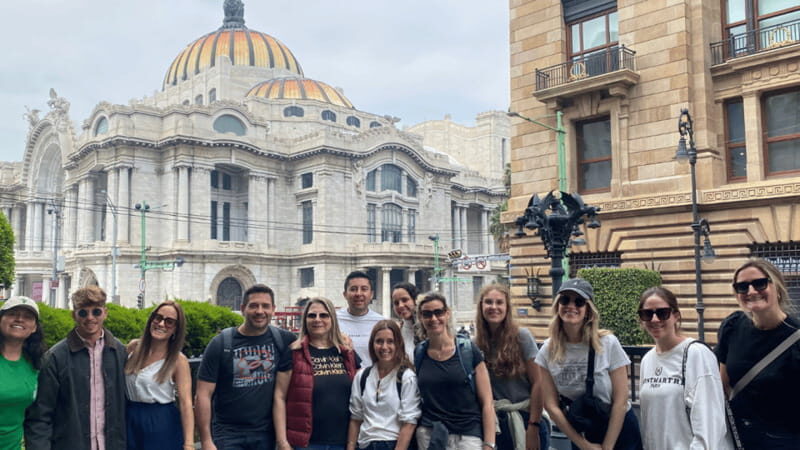
Book it if you:
- want the quickest path to understanding Aztec-to-colonial-to-Republic history,
- like architecture explained in plain language,
- want local help with food choices and everyday logistics in the center,
- and prefer a guided route over wandering and hoping you learn the right things.
Skip or rethink it if you:
- can’t handle steady walking,
- hate time spent listening before you start moving,
- or you only want museum-heavy time. This is a walking tour with museum/inside visits, not a deep museum-only day.
Should you book this Mexico City historic-center walking tour?
Yes, if you want a guided way to read the city’s layers fast. This tour does a good job connecting famous monuments to the historical periods that shaped them, and it’s priced in a way that fits a typical visitor budget.
My advice: do it early in your trip to CDMX. You’ll leave with a mental map of what to revisit later, and you’ll know where you’re headed without relying on luck. Just go in ready for walking, bring sun protection, and budget a little extra for entrance fees and any food you decide to try.
FAQ
How much does the Mexico City historic center walking tour cost?
It costs $30 per person.
How long is the tour?
The tour lasts 3 hours.
Where do I meet the guide, and how do I recognize them?
Meet at the main entrance of the Catedral Metropolitana de la Ciudad de México, facing the main square with the flag. You’ll find the guide on the sidewalk outside with a GREEN uniform and a GREEN umbrella.
What is included in the price?
The tour includes a walking tour through the center, a local guide, and didactic material.
What is not included?
Not included are transportation to and from the meeting point, entrance fees, and food and beverages.
What languages are available?
The tour is offered with a live guide in English and Spanish.
Does it run in bad weather, and what should I bring?
Yes, it runs regardless of weather conditions. Bring comfortable shoes, sunglasses, a hat, sunscreen, cash, and weather-appropriate clothing.