REVIEW · MEXICO CITY
Mexico City: Inbursa Aquarium optional Round trip transfer
Book on GetYourGuide →Operated by MEXITOURS · Bookable on GetYourGuide
Underground oceans in Mexico City. This tour is one of the strangest-feeling places you’ll go in the capital, with Latin America’s only underground aquarium and guided access to 48 exhibitions. I love the sunken ship and wave simulations that turn ocean science into something you can actually see, and I also like how the Blau Life Conservation Center connects animal viewing to real-world conservation work. The one thing to watch: the optional round-trip van can feel a bit schedule-flexible once you’re inside, so plan for the aquarium visit to run shorter than the full 3-hour window in some situations.
You’ll get a guided route through the building, starting with a descent by submarine elevator. I like that the flow is designed for first-timers: you start underground, get your bearings, then move upward through the animal exhibits. A possible drawback is location and pacing: it’s a fixed circuit, so if you want extra time for one specific tank, you may not have it.
This is a great pick for families and animal lovers who don’t want to guess their way around. I’d also bring comfortable shoes, because there’s a lot of walking in a cool building, and you may still face a short wait at peak times due to capacity limits. If you use a wheelchair or have mobility limits, it’s not set up as a good match.
In This Review
- Key things to know before you go
- Getting to Inbursa Aquarium: van pickup by Monumento a la Revolución
- Entering the underground world: submarine elevator, exhibitions, and flow
- The sunken ship and wave simulations: where the tour gets memorable
- Animal lineup you’ll actually recognize: seahorses, sharks, turtles, and more
- Blau Life Conservation Center: the part that makes it feel purposeful
- Price and value: what you really pay for in the $48 option
- Pacing your visit: shopping center, photos, and staying within the flow
- Practical tips that make the difference
- Should you book this Inbursa Aquarium tour?
- FAQ
- How long is the Mexico City Inbursa Aquarium optional round-trip transfer?
- What’s included in the tour price?
- Where does the round-trip van pickup happen?
- Do I need to bring an ID?
- Is food and drinks included?
- Is this tour suitable for wheelchair users or people with mobility impairments?
Key things to know before you go

- Latin America’s only underground aquarium with 5,000+ animals across 230+ species
- Submarine elevator descent that sets the tone fast
- Sunken ship plus wave and tsunami simulations for a more cinematic learning experience
- A guided path through 48 exhibitions that’s easier than going solo
- Conservation angle via Blau Life Conservation Center with conservation-focused context
Getting to Inbursa Aquarium: van pickup by Monumento a la Revolución
Your day starts around Mexico City’s Monumento a la Revolución area. If you choose the optional transfer, the meeting point is next to the monument and behind the Barceló Hotel. You’ll spot your group by the tour guide wearing the MEXITours logo, and the vans tied to the same brand.
The transfer itself is short, around 20 minutes, which matters in a city where traffic can turn “quick” into “long.” The bigger value here is stress reduction: you don’t have to figure out the metro/bus combo, hunt for the right entrance, or worry about finding the aquarium on arrival.
One practical note: if you’re trying to line up other plans the same day, keep some breathing room. The van experience is tied to capacity and timing inside the aquarium. In plain terms, you’ll be guided by a meetup-and-return rhythm, not a perfectly timed museum date down to the minute.
If you prefer independence, there’s also an option that starts right at the aquarium address on Av. de la República. That can be a good choice if you like controlling your own pace, especially around photos and gift-shopping.
You can also read our reviews of more city tours in Mexico City



Entering the underground world: submarine elevator, exhibitions, and flow
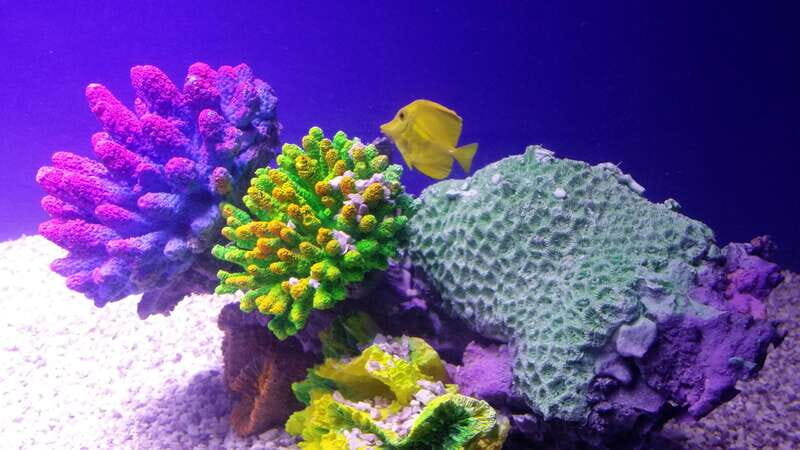
The aquarium experience is built around a dramatic change in level. You enter, then step into a submarine elevator that takes you down to the bottom of the museum. That moment is more than showmanship. It helps you understand the layout quickly: you’re in a purpose-built underwater set, not just a standard tank gallery.
From there, you’ll move through the exhibition circuit with guided commentary. The tour includes access to 48 exhibitions, and that number matters. Instead of seeing a handful of highlights and leaving, you get a fuller walk-through that covers a wide range of marine life, plus the science and conservation story that holds it together.
One perk: you skip the ticket line. That’s small on paper and big in real life. When you’re traveling, saving time at the entrance can make the difference between “smooth start” and “I’m already tired before the fun begins.”
What you should expect from the pacing: you’re led through most major exhibits, but you’re still in a living building with capacity limits. If it’s peak season or high-demand hours, you might have a wait even with your ticket ready. Plan to arrive calm and ready to stand.
Also, it’s not designed for wheelchair users or visitors with mobility impairments, so if that’s you, skip the transfer thinking. Look for an accessibility-first alternative instead.
The sunken ship and wave simulations: where the tour gets memorable
If I had to pick one “make sure you don’t rush past this” stop, it’s the sunken ship and the wave simulations. You’ll see the ship set into the aquarium environment and then learn how waves, tsunamis, and storms work—using visual effects tied to what you’re standing in front of.
This is the kind of exhibit that’s perfect for mixed groups. Kids get the visuals. Adults get the science hook. Everyone stays engaged because you’re watching an idea unfold, not just reading labels.
Why this is good value: most aquariums are built around animals. Here, the aquarium also spends real space on the forces that shape ocean life. That turns the visit into more than a quick photo stop. It’s also where your guide’s explanation can really land, because the exhibit gives you something concrete to anchor the facts to.
One more tip: if you care about photos, hover a few seconds before moving on. The lighting and angles around the ship area can be better than the wide-open corridors. You’ll get your shot, then continue the route.
Animal lineup you’ll actually recognize: seahorses, sharks, turtles, and more

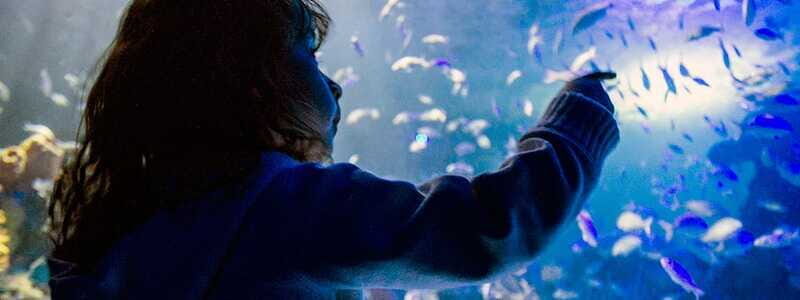
After you’ve had the dramatic start, the tour moves upward through the upper floors and the big animal exhibits. This is where the “wow, it’s really here” feeling kicks in.
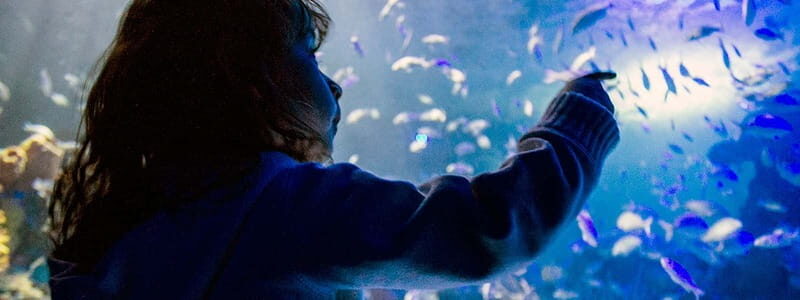
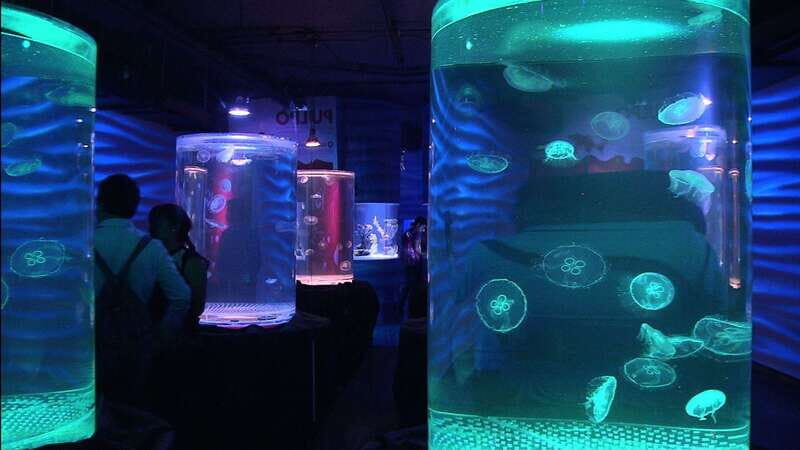
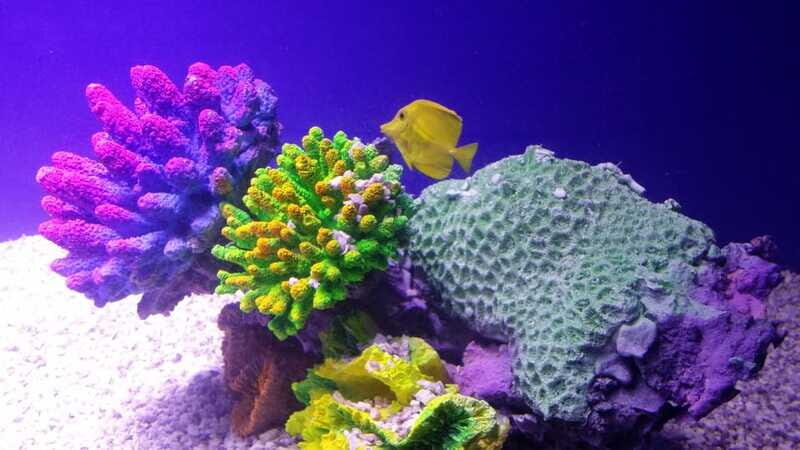
You can expect to see eye-catching species commonly associated with famous aquarium posters: sharks and turtles, seahorses, jellyfish, piranhas, and more. You’ll also run into surprises that make the visit feel complete, including clownfish, penguins, crocodiles, and corals.
Two things I like about this kind of lineup:
- It’s broad enough that most visitors find at least one “I came for that” animal.
- The contrasts help. Jellyfish and corals teach one visual story. Sharks and crocodiles teach another. Watching them in sequence keeps your attention.
You’ll also hear explanations tied to the exhibits—how animals live, how they’re cared for, and what conditions matter. The guide and the aquarium team both contribute, and the overall feel is that you’re getting a guided path, not a scripted checklist.
What to keep in mind: since you’re in a guided route, you might not linger as long as you want in front of your favorite tank. If you have a single must-see animal (for example, sharks or seahorses), give yourself permission to take quick photos first, then settle in for the explanation.
Blau Life Conservation Center: the part that makes it feel purposeful
The best aquarium tours don’t just show animals. They teach you why animal care matters. This one does that through the Blau Life Conservation Center and the conservation work connected to it.
You’ll learn about conservation efforts and how the facility approaches animal well-being through specialized roles like biologists and veterinarians. That matters because it frames the aquarium as more than a viewing venue. You get a sense that the work behind the scenes is complicated and ongoing.
Even if you’re not a science person, you’ll probably appreciate how the tour links animal traits to real challenges in the wild. The guide ties environmental simulations and exhibit details into the larger message: protect habitats, reduce harm, and support scientific care.
In practical terms, this adds depth without turning the visit into a lecture. It’s still a fun walk through tanks, but you leave feeling like you learned something specific, not just saw a lot of fish.
You can also read our reviews of more tours and experiences in Mexico City

Price and value: what you really pay for in the $48 option
At about $48 per person, this isn’t the cheapest thing you can do in Mexico City. So here’s how I’d judge value.
You’re paying for a few concrete benefits:
- Entrance to Inbursa Aquarium
- A guided tour format
- Access to 48 exhibitions
- Optional round-trip van transportation from the central meeting point
- Ticket-line savings (you skip the ticket line)
If you’re a group that includes kids, people with limited time, or anyone who hates planning transportation, the van option starts looking smarter. You’re buying convenience and a smoother arrival.
Now the balanced bit. The round-trip timing can be less strict than you’d hope, and that’s the biggest risk to value. One common frustration is that the aquarium visit may end earlier than the 3-hour label, and return logistics can depend on the driver’s schedule for other tours. In other words, you might feel a bit pushed out once the aquarium circuit wraps.
If you’re the type who wants a very exact schedule, the transfer is still okay, but you should treat it as a helpful structure, not a promise of every minute inside.
If you’re trying to save money and you’re comfortable navigating Mexico City yourself, going without the van may give you more freedom. But if you want less stress and smoother arrival, the transfer helps.
Pacing your visit: shopping center, photos, and staying within the flow
A typical visit includes a final “loop back” moment: there’s time to browse the aquarium’s shopping center, where you can pick up educational materials and souvenirs. This isn’t mandatory, but it’s handy if you want something that isn’t just another magnet.
You’ll also have a family photo opportunity outside the museum. If you like having a simple end-of-tour memory, this is the moment to take it.
One thing to know about photos: the aquarium experience includes a paid photo element. Based on what’s been reported, the photo process can feel unclear, so check what you’re paying for and how delivery works before you assume it will be emailed automatically.
Food and drinks are not included. That’s important if you’re visiting with kids or if you’re sensitive to waiting. The good news is that the tour is about 3 hours total, so you’re not committing to a full half-day with no breaks. Still, I’d plan to grab water either before you meet or after you return.
Also, the building uses capacity limits. That means you should keep your expectations flexible during busy times and avoid arriving hungry and impatient.
Practical tips that make the difference
Here are a few things that can save you hassle and help you enjoy the place more.
- Wear comfortable shoes. You’ll do a lot of walking through exhibitions.
- Bring a passport or ID card. You may need ID for entry.
- Pack sunglasses and sunscreen, plus a sun hat if you’re walking outdoors before or after the visit.
- Bring comfortable clothes; the aquarium environment is likely cooler, but you’ll still be moving.
- Don’t bring pets, oversize luggage, or large bags. The rules are strict about what’s allowed in.
Also, plan your photos without panic. If you’re trying to capture seahorses, turtles, jellyfish, sharks, and other standout exhibits, you’ll do better by taking a quick shot, listening to the explanation, and then returning to the one tank you care about most.
Finally, if you choose the van transfer, confirm how return timing works when you arrive. The aquarium tour label might say 3 hours, but internal pacing and driver schedules can shift. Ask politely, get clarity, and then enjoy the visit without constantly checking the clock.
Should you book this Inbursa Aquarium tour?
Book it if you want a guided, first-timer-friendly aquarium visit with a strong conservation angle. It’s a particularly good fit for families, animal lovers, and anyone who likes science-meets-spectacle exhibits like the sunken ship and wave simulations.
I’d be more cautious if you hate schedule uncertainty. The round-trip transfer is convenient, but the flow inside can be flexible, and return logistics may depend on the driver’s next assignment. If you prefer a perfectly timed museum hour-by-hour, you may want the start-at-the-aquarium option instead.
If you’re deciding between this and a DIY visit, the choice comes down to what you value more: transportation ease and guided structure, or full control over time in front of your favorite tanks.
If you want one memorable, different aquarium day in Mexico City, this one is a strong contender—especially for the underground setting and the wave-and-tsunami science stop that makes the whole place feel more than just a collection of aquariums.
FAQ
How long is the Mexico City Inbursa Aquarium optional round-trip transfer?
The experience is listed as 3 hours total.
What’s included in the tour price?
You get entrance to Inbursa Aquarium. If you select the transportation option, round-trip van transportation from the central meeting point to the aquarium and back is included.
Where does the round-trip van pickup happen?
The meeting point is next to Monumento a la Revolución and behind the Barceló Hotel. The tour guide will be wearing the MEXITours logo and you’ll see the MEXITours vans.
Do I need to bring an ID?
Yes. You should bring a passport or ID card.
Is food and drinks included?
No. Food and drinks are not included.
Is this tour suitable for wheelchair users or people with mobility impairments?
No. It is not suitable for wheelchair users or people with mobility impairments.