REVIEW · SAN MIGUEL DE ALLENDE
A NOT crowded tour to Cañada de la Virgen
Book on GetYourGuide →Operated by ROMOTUR Tours & Transfer Management · Bookable on GetYourGuide
History gets physical at Cañada de la Virgen. I like the small-group feel (limited to 12) because you can ask questions without shouting over the crowd. I also really enjoyed hearing the story from Jesus, the bilingual, certified guide who ties the Otomi connection and the site’s purpose into a clear, human explanation.
This tour is built around a rare mix: ceremonial/pilgrimage spaces and an astronomical observatory area, all on a remote precolumbian complex. One drawback to plan for: you’ll be doing a long walk around the site, so it can feel physically challenging—especially if you’re older or have stamina limits. Comfortable shoes aren’t optional here.
In This Review
- Key Points You Should Know Before You Go
- Setting Out From Guanajuato’s City Energy
- Meeting Point and Getting There Without the Usual Chaos
- First Look at the Site: What Happens After You Arrive
- The Otomi Connection and Why It Changes How You Look
- Walking the Complex: Ceremonial and Pilgrimage Spaces
- Astronomical Observations: The Sky Angle of Cañada de la Virgen
- The Guide Experience: Jesus, Bilingual Flow, and Real Personality
- Price and Value: Is $93 Worth a Remote Half-Day?
- What to Bring (Because the Walk Is Real)
- Who This Tour Fits Best (And Who Might Prefer Something Else)
- Should You Book This Cañada de la Virgen Tour?
Key Points You Should Know Before You Go
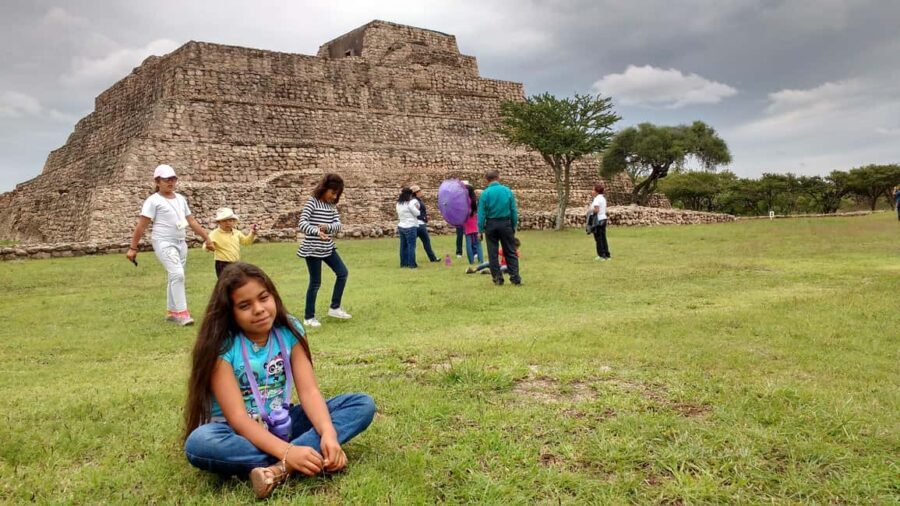
- Bilingual professor-guides the ruins: You’ll tour with Jesus in English and Spanish, with insights you can actually use.
- Otomi-led context: The tour focuses on how the Otomi people were connected to the complex.
- Ceremonial + pilgrimage + astronomy: You’re not only looking at structures; you’re learning why the site mattered.
- Small group size: With a maximum of 12 participants, the experience stays personal.
- Expect walking: The site area involves hiking around the complex, plus a walk from the drop-off.
Setting Out From Guanajuato’s City Energy
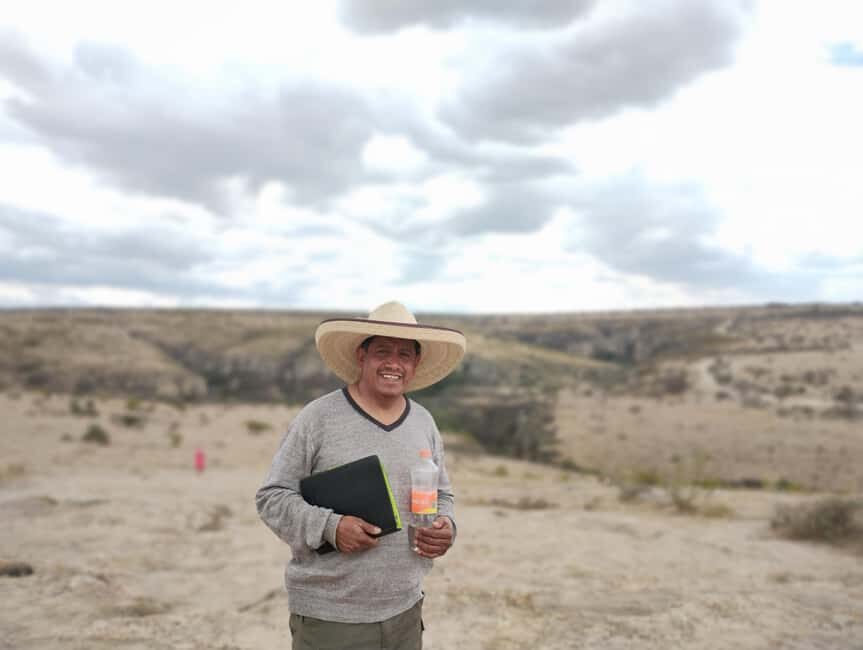
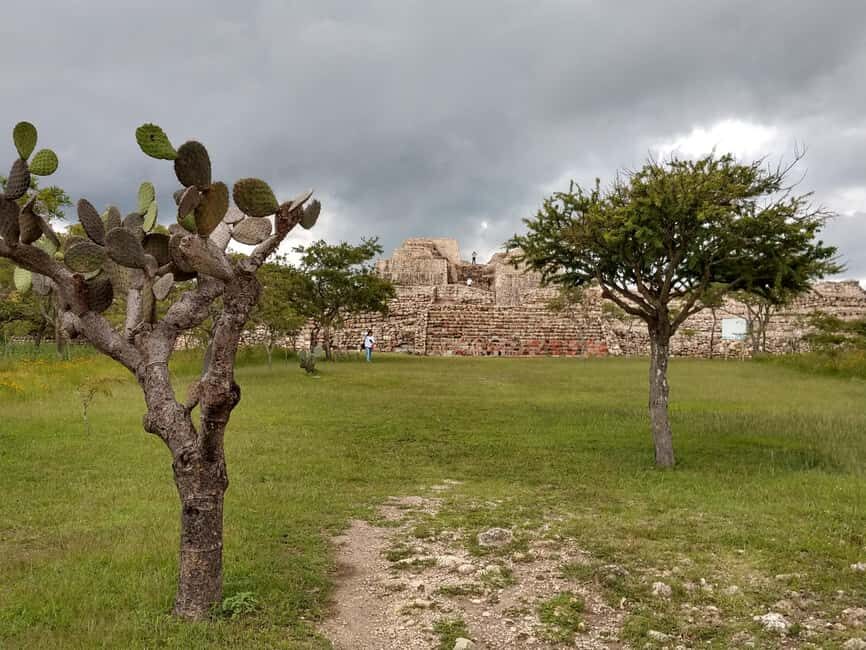
Cañada de la Virgen is the kind of place you go to for a break from city pace. The ruins sit away from the usual tourist circuit, so the day feels quieter and more focused on the site itself. Even with a 4.5-hour total duration, the time is aimed at getting you up close to what’s left from the 6th century.
The big promise here is that you’re stepping into a precolumbian setting where different functions overlap. You’ll see how the complex worked as a ceremonial and pilgrimage center, and you’ll also hear about the astronomical observatory area—so your visit becomes more than pretty stone and viewpoints.
You can also read our reviews of more tours and experiences in San Miguel De Allende.


Meeting Point and Getting There Without the Usual Chaos
The meeting point is at the corner of Pueblito and Relox Street, upstairs. That matters because it saves you from wandering around the wrong floor or missing the group before you even get moving.
For many people, the value is in the transfer side of the day. You get private transportation in small groups, with hassle-free movement from your San Miguel hotel area. In practice, that means less time negotiating, less time waiting, and fewer logistics headaches than the big-bus style day trips.
That said, do keep expectations realistic. One review noted the ride felt a bit tight, even though the tour is small group. So if you’re sensitive to cramped seating, plan for it mentally and bring a little patience.
First Look at the Site: What Happens After You Arrive
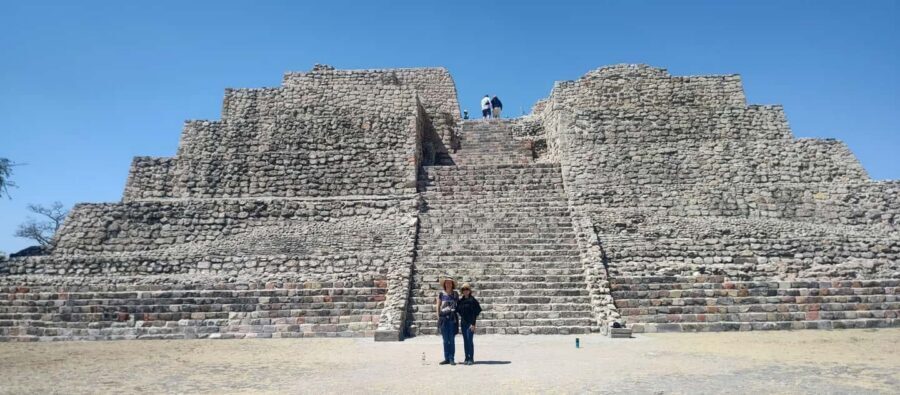
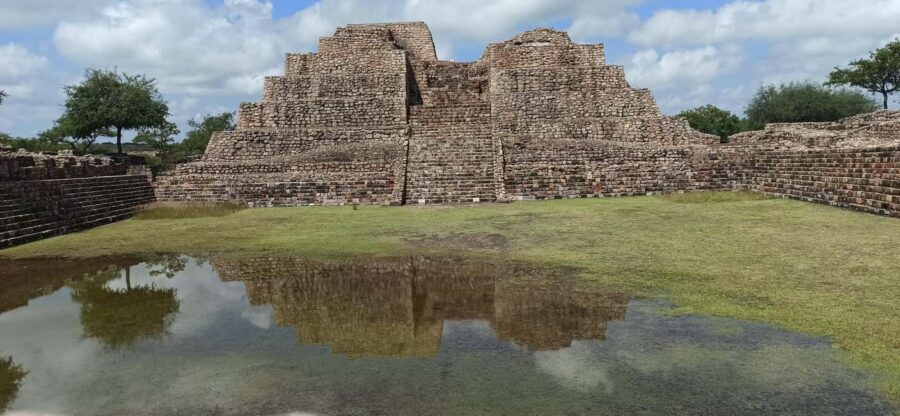
Once you’re at Cañada de la Virgen, the pace shifts from road time to foot time. The tour includes a guided visit and a walk that totals about 3.5 hours on site. You’ll get photo stop time, but the main event is the explanation and the route around the complex.
This is where Jesus’ style really helps. He’s friendly and personable, and he uses the space itself as a teaching tool—pointing out what you’re seeing and connecting it to how the site was used. You’ll also get the benefit of a guide who can switch gears between English and Spanish without losing the thread.
Entrance is handled for you, so you’re not stuck in a ticket line. It’s a small thing, but it adds up on a half-day outing where the goal is to maximize your time walking and learning.
The Otomi Connection and Why It Changes How You Look
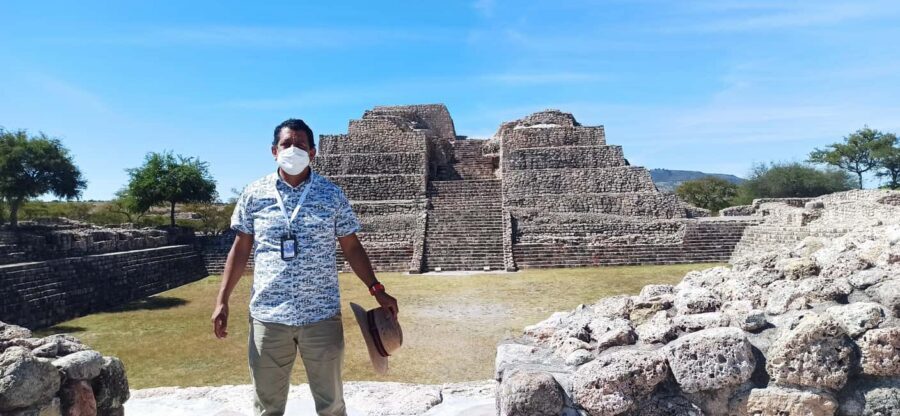
A lot of archaeology tours show you structures. This one works harder to explain people and purpose—especially through the Otomi connection. You’ll learn how the complex relates to the Otomi people, guided by a local, bilingual professor type of perspective.
What I like about this approach is that it helps you avoid the common trap of treating ruins like museum objects. Instead, you start seeing them as places with jobs to do: gathering, processions, ceremonies, and long-term attention to the sky.
And yes, the tour is specifically built around the idea that the site was used as a ceremonial and pilgrimage center. That’s the difference between “I walked around pyramids” and “I understood why people would travel here.”
Walking the Complex: Ceremonial and Pilgrimage Spaces
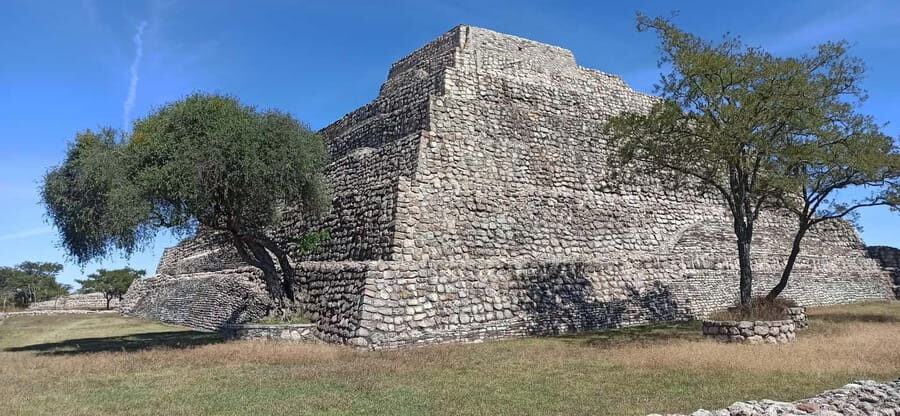
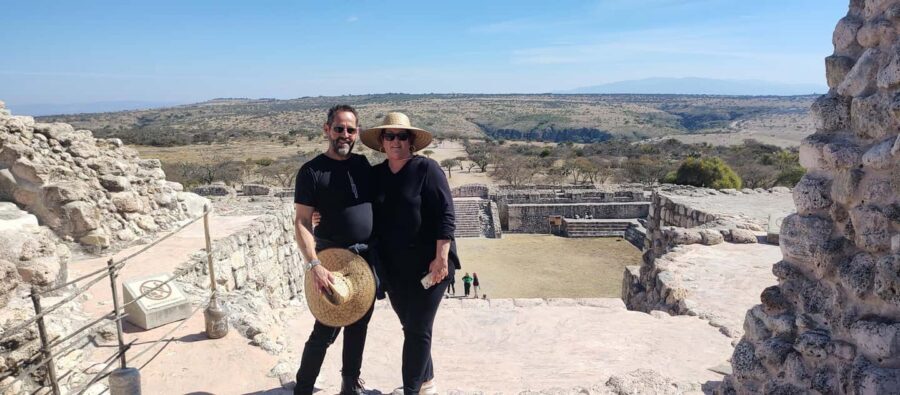
The main on-site experience is a hike around the complex, with stops designed to give you context as you move. Expect uneven walking surfaces and a day that’s active, not just sightseeing from one bench.
As you walk, the guide explains how the site functioned during its use—particularly the ceremonial and pilgrimage side. That means you’re not only learning architectural features; you’re also learning the human rhythm of the place: arriving, gathering, and following the layout for meaningful reasons.
This is also where you’ll notice why the tour includes bottled water. Hydration is part of keeping you comfortable through the walking time. Bring the water they provide and sip steadily rather than waiting until you’re already thirsty.

Astronomical Observations: The Sky Angle of Cañada de la Virgen
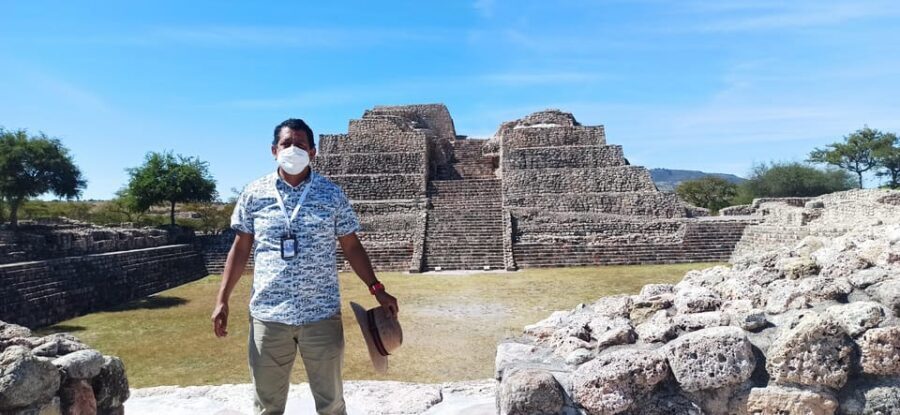
One of the most interesting parts of the tour is the astronomical observatory area. The wording matters: you’re learning that the complex relates to sky observation, not just ceremonial activity.
Even if you aren’t the type who loves math or science, this section tends to click because you can look at the terrain and imagine the long, patient way people track celestial patterns. You’ll learn how the guide connects the site layout and its purpose to astronomy, giving you a fuller picture of why the complex mattered.
If you’ve ever enjoyed ruins like Teotihuacan or Chichén Itzá for their planned design, you’ll likely appreciate how this tour adds a sky-focused layer. It’s the kind of context that makes you look up—literally and mentally.
The Guide Experience: Jesus, Bilingual Flow, and Real Personality
Jesus is the name that keeps coming up—and it’s for good reason. In the feedback, he’s described as friendly, personable, and full of practical insights about the history and purpose of the ancient site. He also spent time making sure people felt included, not just herded through.
There’s another detail I find useful: on at least one booking, the group was just two participants. That’s a real advantage if you want the tour to feel tailored instead of scripted. With a max of 12 people, you’re more likely to get a conversation, not a lecture delivered at arm’s length.
You’ll also have staff support behind the scenes. One reviewer highlighted that the office team and driver Miguel were friendly and helpful, which can make the day feel smoother right from the start.
Price and Value: Is $93 Worth a Remote Half-Day?
At $93 per person for a 4.5-hour outing, the price is in the “small-group day trip” range, not a bargain bus tour. What makes it feel more worth it is what’s bundled: private transportation in a small group, a bilingual certified guide, the entrance fee, and a bottle of water.
You’re paying for more than access. You’re paying for guided interpretation in English or Spanish, plus the convenience of not figuring out the route, parking, or entry process by yourself. When the itinerary is built around walking and learning, that guidance is where the value lands.
If you’re coming from San Miguel and want a remote site without the crowd stress, this pricing model makes sense. The small-group cap is a big part of that equation.
What to Bring (Because the Walk Is Real)
Bring comfortable shoes with solid grip. The walking portion is a key part of the experience, and one review specifically warned it can be physically challenging, especially for older folks.
Also pack a hat and sunscreen. The site time is long enough that sun exposure becomes a real factor. And of course, bring water—though the tour includes a bottled bottle, it’s still wise to think about how you personally handle heat.
Finally, keep your health limits in mind. This tour isn’t suitable for pregnant women, people with mobility impairments, or people with heart problems.
Who This Tour Fits Best (And Who Might Prefer Something Else)
This is a great choice if you:
- Want a small-group archaeology experience without the noise of a full coach
- Enjoy guided interpretation where the guide explains purpose, not just facts
- Like active days that mix walking with learning
It’s especially appealing if you’ve toured major sites like Chichén Itzá or Teotihuacán before, but you want a different kind of feel—more remote, more personal, and centered on ceremonial pilgrimage plus astronomy.
On the other hand, if you need minimal walking or you’re dealing with mobility challenges, you should skip this one. The combination of walking time and the remote setting is the deal here.
Should You Book This Cañada de la Virgen Tour?
I’d book it if your goal is a guided walk through a lesser-visited precolumbian site where the meaning matters. Jesus’ interpretation and the small-group format are the main reasons this tour works, and the focus on ceremonial/pilgrimage use plus the astronomical observatory angle gives you more than standard ruin sightseeing.
Do book with the right expectations: wear good shoes, plan for real walking, and don’t treat this like a quick photo stop. If you want a calm, guided, value-focused half-day, this one fits the bill.