REVIEW · MEXICO CITY
Mexico City: Historic Center Walking Tour and Bellas Artes
Book on GetYourGuide →Operated by Pies descalzos · Bookable on GetYourGuide
History shows up at every corner here. This 3.5-hour walking tour links Mexica Templo Mayor layers with Spanish-era power, then finishes at the showpiece Palacio de Bellas Artes. I love how you get inside major landmarks instead of just pointing from the sidewalk, and I especially like the mix of religion, empire, and design all in one route.
One heads-up: you’ll cover a significant amount of walking and weather can change fast, so comfortable shoes and a real water plan matter. Also, entry details can vary by day (for example, the Templo Mayor ticket is not automatically included unless you choose that option), so it’s smart to be flexible.
Expect a guided route starting at the Metropolitan Cathedral, with live interpretation in Spanish, English, French, or German. I also like that the tour is designed to help you skip some lines using a separate entrance when possible, and you’ll end with a classic neighborhood stop for a bread bite.
In This Review
- Key things to look forward to
- Stepping Into Mexico City’s Historic Center, Layer by Layer
- Starting at the Metropolitan Cathedral: Big Scale, Deep Context
- Templo Mayor: Seeing the Mexica Ceremonial Center Up Close
- From Symbols to Spanish Power: Cortés, Montezuma, and City Layers
- A Quick Stop for Palaces and Political Presence: Seeing the National Palace
- Gran Hotel de México: Art Nouveau Beauty You Can Step Into
- Palace of Iturbide: Where Exhibitions Meet Imperial Story
- Casa de los Azulejos and the House-of-Tiles Moment
- Palacio de Bellas Artes: Murals, Opera-Palace Atmosphere, and Scale
- The Last Bite: An Old-School Bakery Stop
- How 3.5 Hours Works on Foot (and What to Bring)
- Value Check: Is $75 a Good Deal for This Mix of Stops?
- Picking the Right Guide Day: Languages and Real Adaptability
- Should You Book This Historic Center and Bellas Artes Tour?
- FAQ
- Where do we meet for the tour?
- How long is the tour?
- What’s included for entrances and visits?
- Is the Templo Mayor ticket included?
- Are meals and drinks included?
- Does the tour include skip-the-line access?
- What languages are available for the guide?
- Is flash photography allowed?
- What should I bring, and what should I avoid?
Key things to look forward to
- Metropolitan Cathedral on top of older ruins: see how the city layers faith and power
- Templo Mayor focus: learn what the Mexicas built as a ceremonial heart
- Art Nouveau at Gran Hotel de México: step into hotel beauty that feels like a design museum
- Palace of Iturbide + tile work: history inside and out, with the kind of details that reward slow looking
- Palacio de Bellas Artes interiors: murals by Diego Rivera, David Alfaro Siqueiros, and José Clemente Orozco
- One of the oldest bakeries: finish with a small bread included
Stepping Into Mexico City’s Historic Center, Layer by Layer
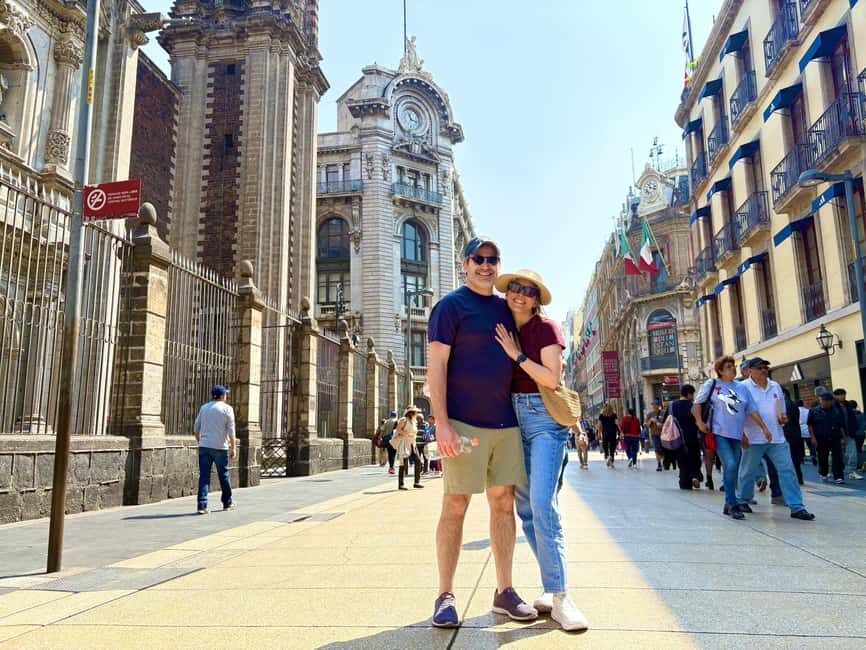
The Historic Center of Mexico City is one of those places where you can’t really “see it all” in a day. What you can do is understand how it grew: Mexica foundations, Spanish conquest, then modern Mexico leaning into the arts.
This tour is built around that idea. You’ll start at a major Spanish-era anchor and then work backward into older meanings of the land. Along the way, you’ll also catch the visual language of power and taste—cathedral scale, palace symmetry, and hotel-era decorative style.
If you want a route that gives you context fast, this is a strong choice. You don’t just collect photos; you learn what you’re looking at and why it matters.
You can also read our reviews of more walking tours in Mexico City

Starting at the Metropolitan Cathedral: Big Scale, Deep Context
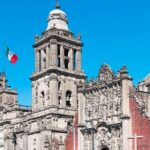
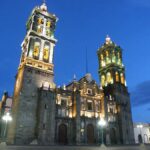
You meet at the entrance of the Catedral Metropolitana de la Ciudad de México, and that first look sets the tone. It’s the largest cathedral in Latin America, and the building feels like a “statement” you can’t miss.
Here’s the practical magic: the guide helps connect the cathedral to what sits beneath it. The tour includes entry to the cathedral, and you’ll learn how it was built over pre-Hispanic ruins—so the site becomes a living timeline.
Inside, you’re not just admiring architecture. You’re standing where ceremonies, empires, and new rules of the world collided. That context makes the interior details easier to read, even if you’re not a history expert.
Templo Mayor: Seeing the Mexica Ceremonial Center Up Close
Next, you focus on the Templo Mayor Museum area. This is the most important ceremonial and spiritual center for the Mexicas, and the site helps explain Tenochtitlan’s logic: where people built, worshipped, and organized city life.
You should know the difference between outside ruins and museum entry. The tour includes the ruins visit outside, while the Templo Mayor ticket is not included unless you select the option. If you care about going inside, double-check before you go so you’re not surprised by what’s included on the day.
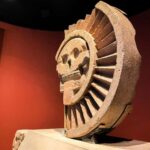
You’ll also see key interpretation points connected to empire and mythology. The tour highlights a sign associated with Huitzilopochtli, the solar god of war, and connects it to the symbol that appears on Mexico’s flag. That’s the kind of detail that makes a tour feel like more than sightseeing, because it ties art and belief to everyday national imagery.
From Symbols to Spanish Power: Cortés, Montezuma, and City Layers
This part of the walk is about transition—how the story changes as Spanish authority takes hold. You’ll learn where the remains of Hernán Cortés lie and you’ll see a mural portraying his encounter with Moctezuma, the Mexica emperor.
You’ll also get a short look inside a Metro station as part of the experience. That might sound odd, but it helps you understand the modern city’s rhythm while you’re walking through the historical core. Mexico City doesn’t freeze in time, and that reality is part of what makes the center feel real.
If you’re traveling solo or you’re the type who likes to connect dots, this sequence works well. The symbols, artwork, and physical spaces are doing the same job: showing you what changed and what stayed.
A Quick Stop for Palaces and Political Presence: Seeing the National Palace
Midway through the tour, you’ll make time near the National Palace. The stop is brief, so the goal isn’t “full museum mode.” It’s more about setting perspective—what power looked like at the national level after conquest and independence.
This is the kind of stop that helps you calibrate your mental map. Once you’ve seen cathedrals and temples, a political palace reads differently. You start to notice how architecture becomes messaging.
If you want the most out of a short visit, keep your camera ready but also slow down for a minute. Step back, look at the scale, then ask yourself what story the building is trying to tell.
You can also read our reviews of more city tours in Mexico City

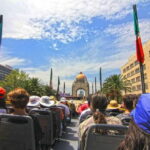
Gran Hotel de México: Art Nouveau Beauty You Can Step Into
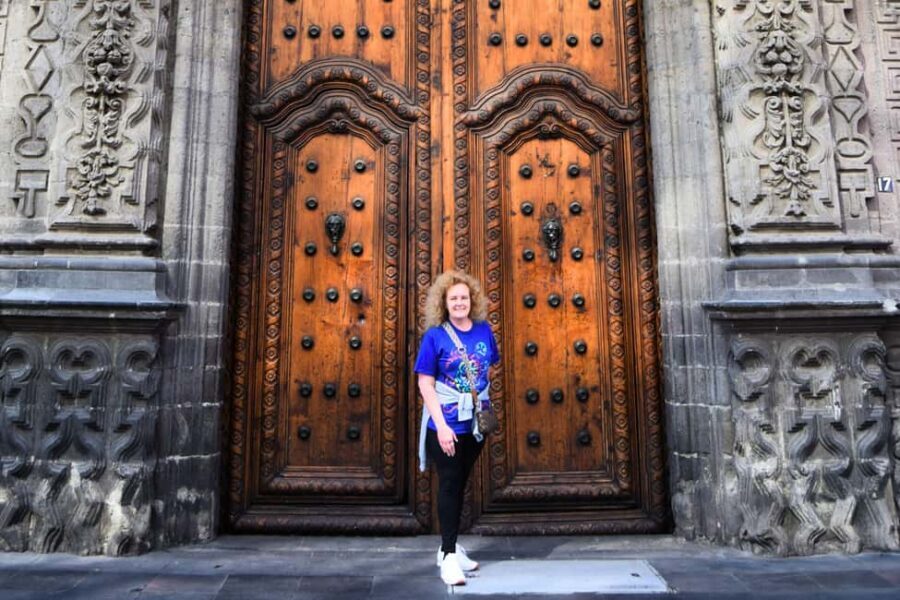
One of the most visually rewarding moments comes at the Gran Hotel de México. The tour includes entry, and you’ll get to see Art Nouveau decoration inside one of the most beautiful hotels in the center.
This is a smart break in the historical rhythm. After temples, ruins, and political sites, the hotel adds a different layer: the city’s love of craftsmanship and elegance.
It’s not just about the look. The guide’s framing helps you recognize design choices as part of Mexico City’s cultural identity. Even if you only spend a short time inside, you’ll probably find yourself lingering for photos and detail spotting.
Palace of Iturbide: Where Exhibitions Meet Imperial Story
Next comes the Palace of Iturbide, connected to Mexico’s first emperor. This stop gives you more than a facade view. You’ll visit the palace and enjoy the kind of exhibitions that help make historical figures feel closer.
The Iturbide connection matters because it shows another chapter of power. It’s not just conquest and empire—it’s the reshaping of Mexico into its own national identity.
If you like museums but don’t want to plan a whole day of them, this is a good compromise. You get to see “museum energy” without turning the afternoon into an endless list of galleries.
Casa de los Azulejos and the House-of-Tiles Moment
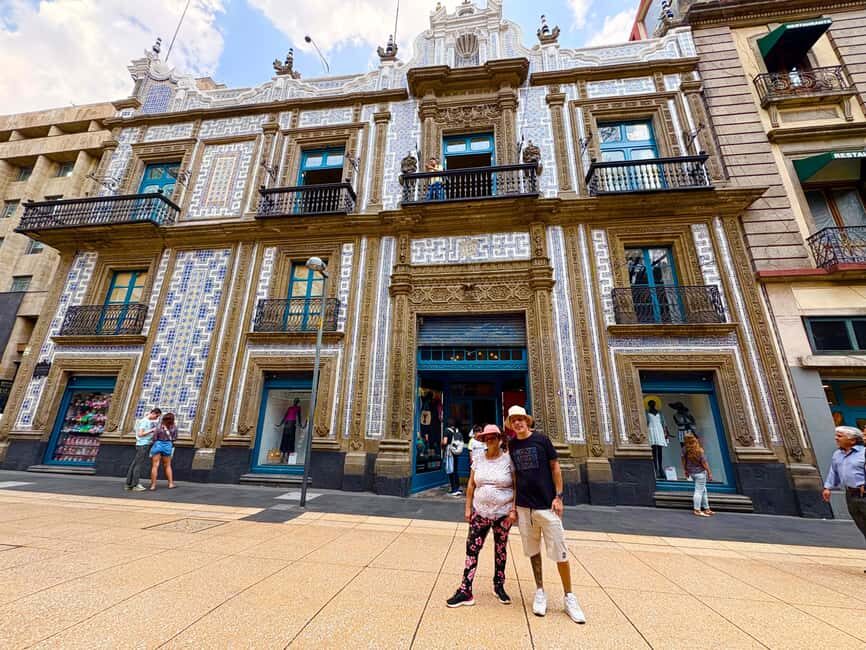
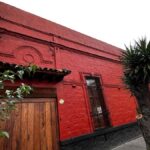
Then you’ll visit Casa de los Azulejos, a famous house of tiles. The point here is simple: you’ll see how decorative elements can transform a building into a landmark.
The name is literal, and that’s why it works so well on a walking tour. You can spot the detail from a distance, then get close to appreciate how the tile work affects light and texture.
This is also a good stop for photos that look more interesting than the usual street-shot. Architectural details are easier to “read” when a guide tells you what to focus on.
Palacio de Bellas Artes: Murals, Opera-Palace Atmosphere, and Scale
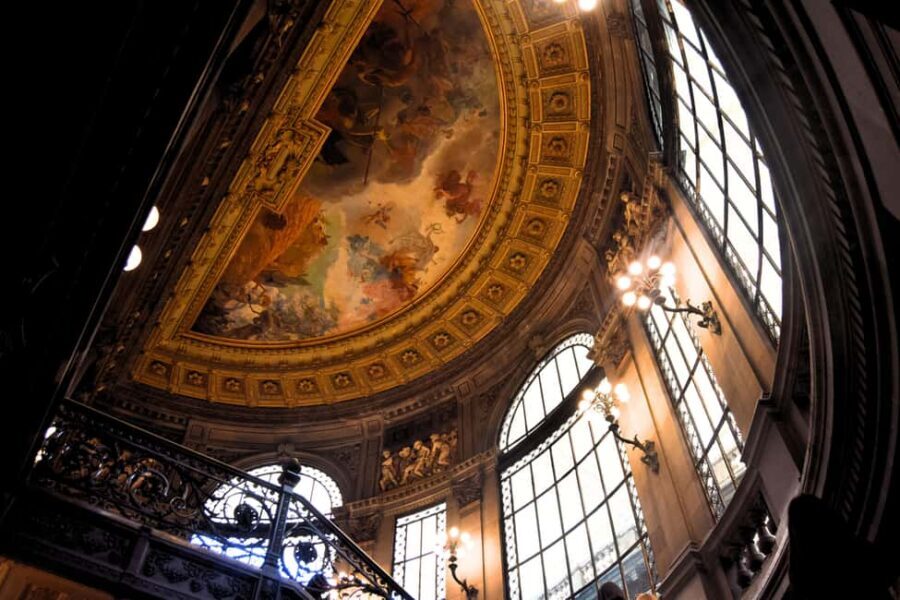
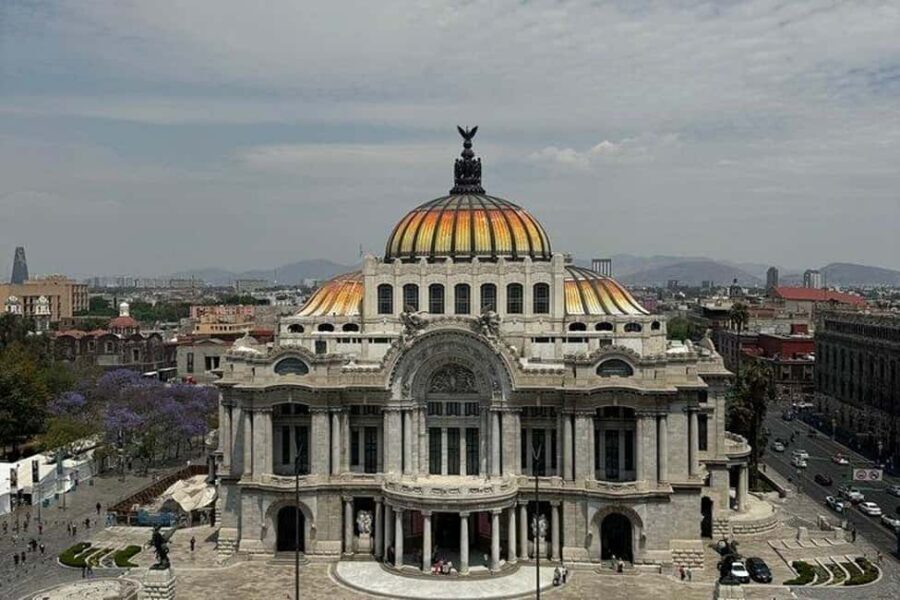
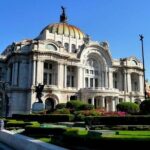
You finish at the Palacio de Bellas Artes, and it’s a strong ending point for a reason. The building is famous for a reason: the architecture is breathtaking, and the interior is even better.
The tour includes entrance, and you’ll have time inside to see murals by major artists, including Diego Rivera, David Alfaro Siqueiros, and José Clemente Orozco. These artists aren’t just names; their work is part of Mexico City’s visual language, and seeing them in this setting helps you connect art to place.
The best way to enjoy this ending is to slow down once you’re indoors. Take in the room first, then look for how the murals and shapes work together. If you rush, you’ll miss the way the building frames the art.
For many people, this stop becomes the moment that makes the whole tour feel worth it. It’s the culmination of “history plus aesthetics,” and you walk away with a clearer sense of what Mexico City celebrates.
The Last Bite: An Old-School Bakery Stop
Before you’re done, you’ll visit an old bakery for a small food inclusion: you’ll get one bread. It’s a nice closing touch because it keeps the tour from feeling like an all-photo, no-food day.
You’ll also understand a bit about local daily life. Big monuments are only one side of travel. The other side is the small routines—what you eat, where you pick up something warm, and how the city moves between landmark moments.
Just remember: meals and drinks aren’t included overall, and food rules can vary inside some venues.
How 3.5 Hours Works on Foot (and What to Bring)
A 3.5-hour walking tour in the Historic Center is totally doable, but it’s not a slow stroll. Wear comfortable shoes because there’s plenty of walking, and your feet will be doing most of the work.
Bring a few basics:
- Hat and sunscreen for sun exposure
- Camera (and know that flash may be restricted in some areas)
- Water (the experience asks you to bring a flask to reduce plastic bottle use)
Weather can vary, so plan for heat and sudden changes. Layering helps. Also keep your pace steady: the route is designed to move you between key stops without long dead time.
Food and drinks aren’t allowed inside some venues, so it’s smart to save snacks for outside and follow guide instructions during entrances.
Value Check: Is $75 a Good Deal for This Mix of Stops?
For $75 per person, you’re paying for a guided route that combines multiple paid-entry experiences with interpretation. In a city where museums and landmark entries add up quickly, the value comes from the number of major sites packed into a short window.
You get:
- Entry to the Metropolitan Cathedral
- Entry to the Gran Hotel de México
- Entry to the Palacio de Bellas Artes
- A visit to the Palace of Iturbide
- Entry to Casa de los Azulejos
- A bread at an old bakery
You also get skip-line access via a separate entrance. That small detail can save meaningful time when lines form, especially around the biggest attractions.
What could affect value for you is what’s not included. Meals and drinks are not included, and the Templo Mayor ticket depends on whether you choose the option. If you strongly want museum entry at Templo Mayor, confirm what’s included for your specific booking.
Picking the Right Guide Day: Languages and Real Adaptability
This tour is guided live, and you can choose Spanish, English, French, or German. A good guide changes how you see everything. The tour’s strength is that it’s not just “read from a sign”—you get context and you can ask questions.
In recent experiences, guides have included people like Laila (warm, thoughtful, and responsive), Jorge (great guidance even during a major protest), Francisco Sandoval (made an effort to speak Italian even if the tour was booked in Spanish), and David (excellent and personable).
That matters because the Historic Center is full of surprises—crowds, street activity, and occasional disruptions. A flexible guide helps you keep the day moving and still get the important takeaways.
Should You Book This Historic Center and Bellas Artes Tour?
Book it if you want a guided way to connect Mexico City’s layers fast—Mexica ceremonial origins, Spanish conquest-era power, and Mexico’s later love of art and public culture. The route is efficient, the stops are high-impact, and the ending at Bellas Artes gives the day a satisfying finish.
Skip it or choose another option if you’re seeking a slow, unstructured stroll or you hate indoor time at major landmarks. Also, if Templo Mayor museum entry is a must for you, double-check the inclusion so you don’t lose time or money at the site.
If you’re a first-timer, or you’ve only scratched the surface of the center, this is one of the most practical ways to get your bearings and see the city’s big story in one afternoon.
FAQ
Where do we meet for the tour?
You meet at the entrance of the Metropolitan Cathedral (Catedral Metropolitana de la Ciudad de México).
How long is the tour?
The tour lasts about 3.5 hours.
What’s included for entrances and visits?
It includes guided tour coverage and entry to the Metropolitan Cathedral, Gran Hotel de México, Palacio de Bellas Artes, and the House of Tiles, plus visits to the Palace of Iturbide and other key stops.
Is the Templo Mayor ticket included?
The Templo Mayor ticket is not included unless you select the option for it. The ruins visit is included (outside).
Are meals and drinks included?
No. Meals and drinks are not included.
Does the tour include skip-the-line access?
Yes, it includes skip-the-line entry through a separate entrance.
What languages are available for the guide?
Guides are available in Spanish, English, French, and German.
Is flash photography allowed?
Photography is allowed, but flash photography is not permitted in certain areas.
What should I bring, and what should I avoid?
Bring comfortable shoes, a hat, camera, sunscreen, and water (a flask is recommended). High-heeled shoes, smoking, intoxication, alcohol and drugs, and explosive substances are not allowed.