REVIEW · OAXACA CITY
Make Your Own Chocolate with Oaxacan Tradition Private Class
Book on Viator →Operated by Chimalapa Cacao · Bookable on Viator
Making Oaxacan chocolate takes more work than you think. That is why this class in Oaxaca City feels special: you learn the cocoa story and then do the steps yourself, from roasting on a clay comal to grinding for your drink. I like that it is hands-on and not just watch-and-smile. I also like the small group size that keeps the pace friendly and personal.
One small caution: plan on about 2.5 to 3 hours, and you’ll use your hands (including peeling) and your arms (grinding), so show up with comfortable clothes.
In This Review
- What you actually do in the class
- Key highlights to look forward to
- From bean to cup: the real point of this Oaxaca chocolate class
- Meeting point in Centro and what the timing means
- Cocoa intro: tasting what makes Oaxaca cacao different
- Roasting cacao on a clay comal from San Marcos Tlapazola
- Hand-peeling cacao: the ritual part you’ll feel
- Make your own Oaxacan chocolate: sugar percentage plus regional mix-ins
- Grinding the drink and finishing with cocoa toast
- Who should book (and who might want a different activity)
- Price and value: is $98.57 fair for 2.5 hours?
- Should you book this Oaxaca City chocolate class?
- FAQ
- How long is the Make Your Own Chocolate class?
- Where is the meeting point in Oaxaca City?
- Is the class offered in English?
- What is the group size?
- What will I make and eat during the experience?
- Is there free cancellation?
What you actually do in the class
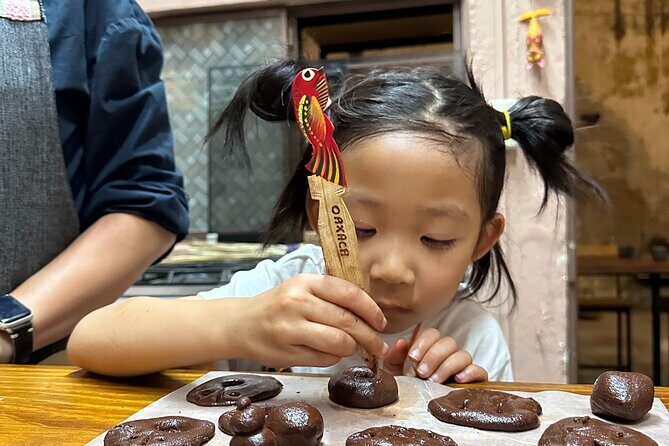
You’ll start with an intro to Oaxaca cocoa and taste different seeds so you can identify differences by smell and flavor. Then you roast the cacao on a clay comal brought from San Marcos Tlapazola in Oaxaca’s Central Valleys, peel the beans by hand, and turn them into an artisanal chocolate you help create. One possible drawback is the price—at $98.57 per person, it is best when you truly want a practical, learn-by-doing workshop rather than a quick tasting.
Key highlights to look forward to
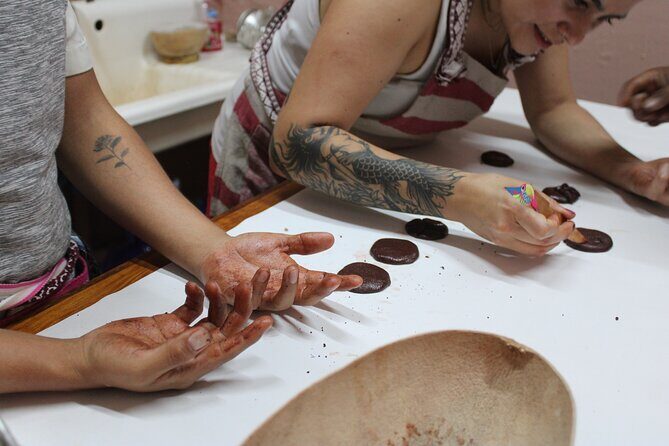
- Roasting on a clay comal from San Marcos Tlapazola
- Hand-peeling cacao beans as part of the ritual
- Custom chocolate: choose your sugar percentage and regional mix-ins
- Grinding your drink using a traditional grinder
- A sweet finish: your drink plus cocoa toast
- Maximum group size of 4 for more attention and less waiting
You can also read our reviews of more private tours in Oaxaca City


From bean to cup: the real point of this Oaxaca chocolate class
This is not a generic chocolate tasting. It is a full, old-school style process class—Oaxacan cacao to chocolate to a drink you make and then eat. You’ll learn the “why” behind each step, but the “how” is the main event.
The experience starts by pulling you into cacao basics in an Oaxaca context. You’ll hear about how cocoa works in the real world, then you’ll practice tasting so you can notice what different seeds bring to the cup. The class also makes a clear distinction between cocoa, commercial chocolate, and what they call conscious chocolate—meaning chocolate where choices about processing and ingredients matter.
Then you get your hands in it. You roast the cacao, peel it, and grind it down. And instead of ending with someone else’s recipe, you customize your own blend. You decide the sugar percentage, then you mix that with different ingredients from the region. That is the part that turns it from a fun workshop into something you’ll remember the next time you shop for chocolate in Oaxaca—or anywhere else.
Meeting point in Centro and what the timing means
You meet at 5 de Mayo 210, Ruta Independencia, Centro, Oaxaca de Juárez. The activity ends back at the meeting point, so you are not sent off into the city for a scavenger hunt.
Plan for about 2 hours 30 minutes, but keep some slack. Some people experience it closer to around 3 hours, because there is learning time plus tasting time plus making your drink. This is a good schedule for travelers who want a cultural activity that stays focused. It is long enough to learn the process, but short enough to still enjoy the rest of the afternoon in Oaxaca.
Group size matters here. The class is capped at 4 travelers, so you’re not packed in like a factory tour. You can ask questions, and you’re more likely to actually get time at the grinding and mixing steps.
Cocoa intro: tasting what makes Oaxaca cacao different
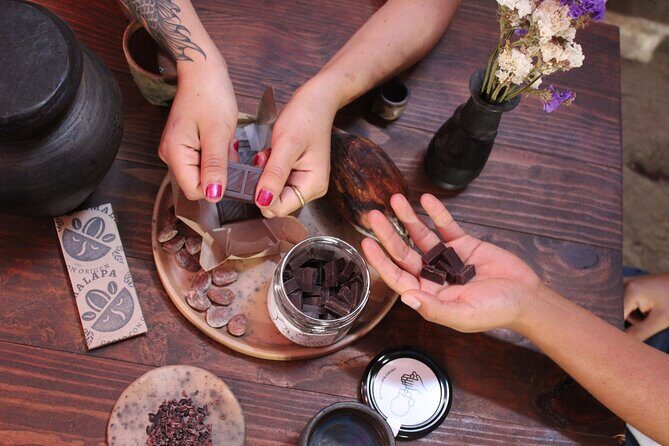
Before you touch anything, you’ll start with an introduction to Oaxaca’s cocoa. The practical goal is simple: help you recognize flavor differences in cacao seeds based on what you taste and notice.
You’ll also get a guide on organoleptic qualities—that’s a fancy phrase for how something smells and tastes, and what those sensations tell you. The class walks you through how to identify those qualities so you can understand why different seeds lead to different kinds of chocolate.
This is where the class earns its value. If all you do is roast and grind, you’ll still have fun. But if you learn what you’re tasting and why, your final chocolate drink feels like a result, not a gimmick.
You’ll also learn how cocoa differs from commercial chocolate and from conscious chocolate. Even without technical jargon, it helps you connect the dots between:
- how cacao is processed
- what ends up in the final product
- why “chocolate” in a store can taste very different from cacao-based drinks
Roasting cacao on a clay comal from San Marcos Tlapazola
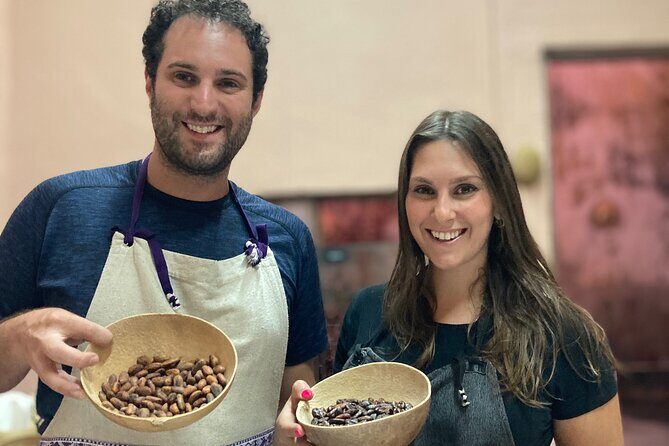
Next comes the part that smells incredible and gets your attention fast: roasting. You roast the cacao on a clay comal, and the comal is from San Marcos Tlapazola in Oaxaca’s Central Valleys.
Why does that matter? Clay heats and holds heat in a particular way, and comales are tied to traditional cooking methods across Mexico. In this class, you’re not just roasting cacao—you’re using a tool that locals recognize. That makes the experience feel grounded instead of staged.
Roasting also teaches you patience. Cacao can shift quickly once it starts to toast. You’ll see how the process transforms the beans, and you’ll understand why temperature and timing matter for flavor.
You can also read our reviews of more tours and experiences in Oaxaca City
Hand-peeling cacao: the ritual part you’ll feel
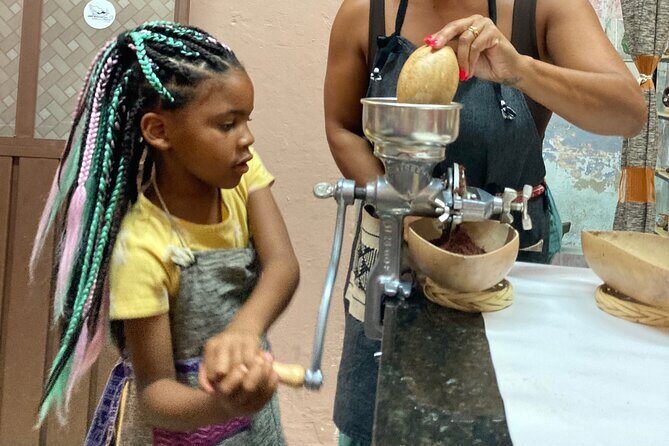
After roasting, you peel cacao with your hands. This is one of those steps that sounds simple but turns into the most memorable moment of the class—because it’s physical, slow, and tied to cultural storytelling.
During the peeling ritual, you’ll get history and culture about cacao in their community. That context matters because cacao in Oaxaca is not just a “dessert ingredient.” It’s connected to local knowledge, social traditions, and how communities treat this crop.
It is also where kids tend to light up, based on the way the class is described in multiple family experiences. If you’re traveling with a 9-year-old or a younger child, this tactile step is often the one they talk about after.
Make your own Oaxacan chocolate: sugar percentage plus regional mix-ins
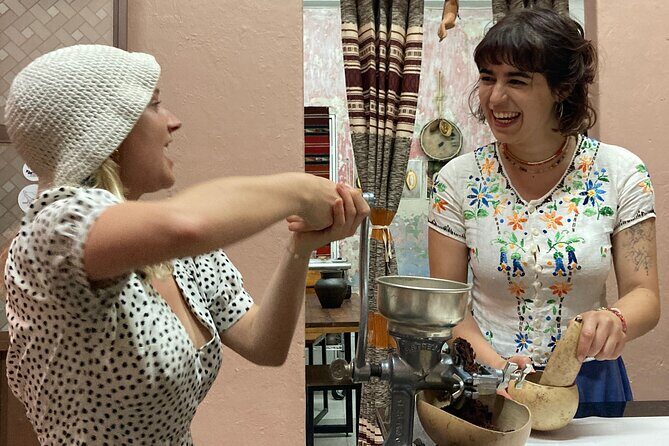
Now you get to create. You’ll turn the cacao into chocolate in an artisanal way, and you’ll have control over the outcome.
Here’s the big win: you choose the percentage of sugar for your chocolate. That means you can tailor it to your taste—less sweet if you like cocoa intensity, more sweet if you want a familiar dessert-style result.
Then you mix in different ingredients from the region. The exact mix-ins are not listed in the class summary, but the concept is clear: your blend uses local flavors, not random candy-shop add-ons.
This part is worth your money. Many “chocolate experiences” stop at tasting. This one gives you a custom product that you helped make, so you can connect the steps (roast → grind → mix) to the final flavor.
Also, you’ll learn how the “percentage” idea changes the taste. It’s the kind of lesson that helps you shop intelligently after your trip.
Grinding the drink and finishing with cocoa toast
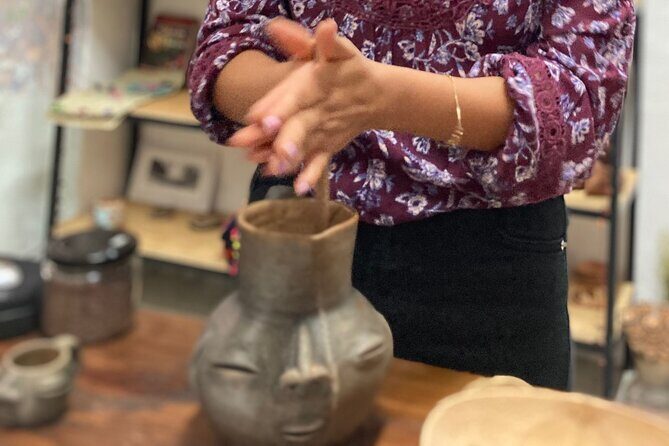
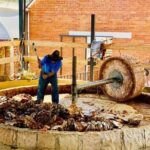
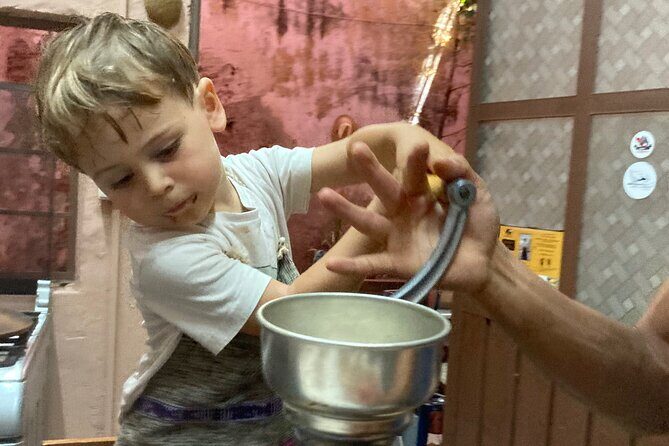
After your chocolate is made, the class shifts to the drink. You’ll learn how to prepare it using a grinder, a traditional kitchen utensil that helps incorporate and integrate the chocolate.
Grinding is where you’ll feel the workout. It’s one of those steps where your arms get involved, and that physical effort makes the payoff more satisfying. You’re not just swirling cocoa powder in hot water; you’re working the process so the drink comes together properly.
Once your drink is ready, you’ll close with tasting. The class finish includes a cocoa-based sandwich—listed as cocoa toast in the sample menu. It’s a practical pairing: drink first, then food that complements the cocoa flavor.
And you’ll take home what you made. Some descriptions of the experience mention keeping a portion of the ground chocolate as a souvenir, which is a handy way to keep the class alive after you leave Oaxaca.
Who should book (and who might want a different activity)
Book this if you want an authentic Oaxacan chocolate-making experience where you do real work and you learn why it matters. It’s a great fit for:
- couples who want something active and memorable
- families with kids who are curious and like hands-on tasks
- solo travelers who enjoy structured lessons with lots of Q&A in a max 4 group
- food lovers who care about how processing and ingredients change flavor
You might consider a different activity if:
- you want mostly light tasting with minimal prep
- you prefer zero mess or minimal physical effort
- you’re only interested in a quick sugar fix, not cocoa craft
Price and value: is $98.57 fair for 2.5 hours?
At $98.57 per person, you’re paying for three things that matter in a craft class:
- time with instructors in a small group of up to 4
- ingredient work across multiple steps (roast, peel, grind, mix)
- a take-home element plus a full finish (your drink and cocoa toast)
If you’ve ever done a big group “tasting,” you know how often you get only a sample and a brochure explanation. This is different: you build your own blend, you grind and prepare the drink, and you leave with a better understanding of what you’re tasting.
So the value is strongest when you treat it like a lesson you’ll use—how to think about cacao quality, sugar levels, and the difference between cocoa and chocolate.
Should you book this Oaxaca City chocolate class?
Yes, if you want something more meaningful than a sweet stop. This class gives you a full chain of learning, not just a product. You’ll roast, peel, grind, customize, and drink what you made—then finish with cocoa toast.
I’d book it soon, too. The class is often reserved about 16 days in advance, so it’s smart to check dates early.
Quick practical notes from the experience details: it’s offered in English, includes a mobile ticket, and confirmations come at booking. Service animals are allowed, and it is near public transportation.
If you’re the type who likes to watch and taste, you might get your fun. But if you like doing—mixing, grinding, tasting, adjusting your sugar—this one fits.
FAQ
How long is the Make Your Own Chocolate class?
It runs for about 2 hours 30 minutes (approximately).
Where is the meeting point in Oaxaca City?
You start at 5 de Mayo 210, Ruta Independencia, Centro, Oaxaca de Juárez, Oax., Mexico, and you return there at the end.
Is the class offered in English?
Yes. The class is offered in English.
What is the group size?
The class has a maximum of 4 travelers, so it stays small.
What will I make and eat during the experience?
You’ll make your own artisanal chocolate with a chosen sugar percentage, then prepare and taste a cocoa drink with a traditional grinder. The menu includes cocoa toast as a finish.
Is there free cancellation?
Yes. You can cancel for a full refund up to 24 hours before the experience starts. If you cancel within 24 hours of the start time, there is no refund.