REVIEW · MEXICO CITY
CDMX: Museum of Memory and Tolerance – Anne Frank (Entrance ticket)
Book on GetYourGuide →Operated by Museo Memoria y Tolerancia · Bookable on GetYourGuide
Hope has a physical address in CDMX.
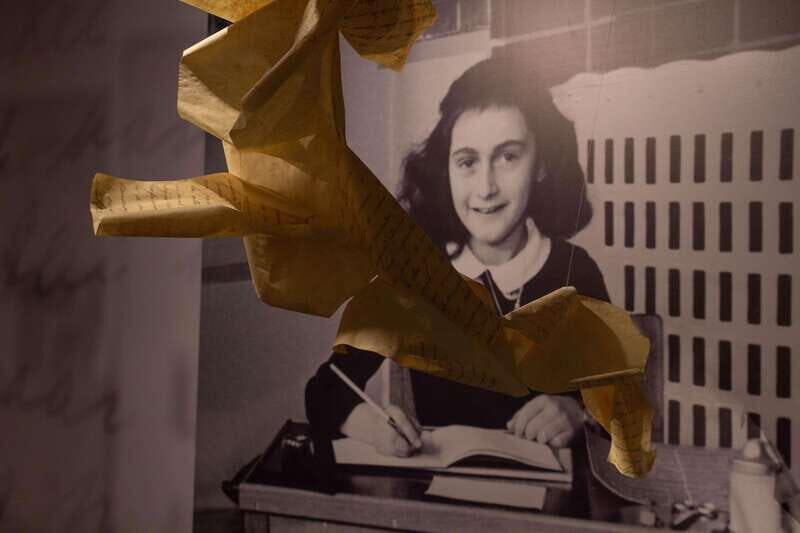
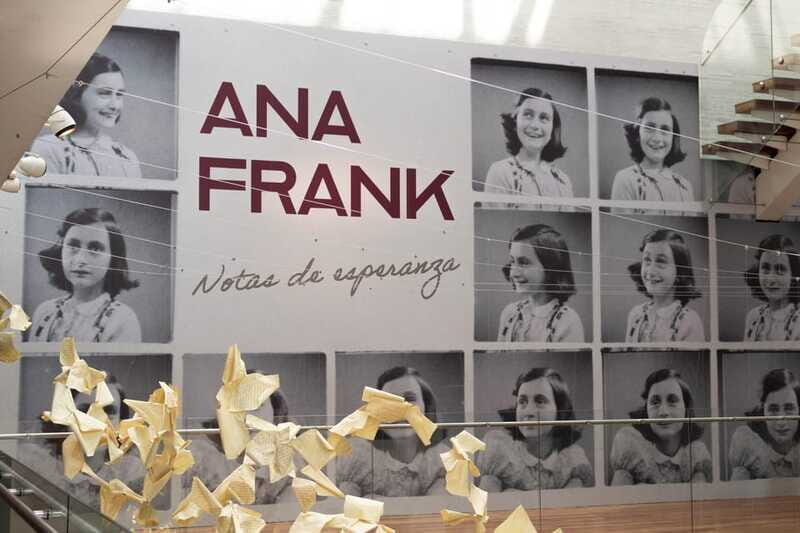
The Museum of Memory and Tolerance hosts Anne Frank. Notes of Hope, created in collaboration with the Anne Frank House in Amsterdam. What makes it especially interesting is the way the exhibition focuses on memory and tolerance without feeling like a textbook.
I love the exhibit’s model and replica of the Frank family hideout—it helps you picture what hiding meant, not just read about it. I also like that the museum rooms themselves are described as really cool, with strong photos and content that keep your attention. One drawback to plan around: it’s not suitable for children under 12, so this is better for teens and adults who can handle the subject matter.
In This Review
- Key takeaways before you go
- CDMX Museum of Memory and Tolerance: what you’re really buying
- Inside Anne Frank. Notes of Hope: the story you follow
- The Frank hideout model and replica: why it hits
- Museum rooms, photos, and the pace of reflection
- Rules to plan around: no food, flash, or audio recording
- Pricing and value: does $7 make sense?
- How to fit it into your Greater Mexico City day
- Who should book this ticket (and who might skip it)
- Should you book? My honest take
- FAQ
- What does the ticket include?
- How long is the ticket valid?
- Where is this experience located?
- Is it wheelchair accessible?
- Can I take photos with flash?
- Can I record audio during the exhibition?
- Are food and drinks allowed inside?
- Is it suitable for young children?
- Is free cancellation available?
Key takeaways before you go
- Collaboration with the Anne Frank House (Amsterdam) gives the exhibit a clear, faithful backbone
- A model of the hiding place helps you understand the space and the constraints
- A replica of Frank’s hideout turns the story from words into something you can visualize
- Strong photo-and-content approach makes the message stick quickly
- Strict rules (no flash, no audio recording, no food or drinks) keep the mood respectful
- Wheelchair accessible makes it easier to plan a visit with mobility needs
CDMX Museum of Memory and Tolerance: what you’re really buying
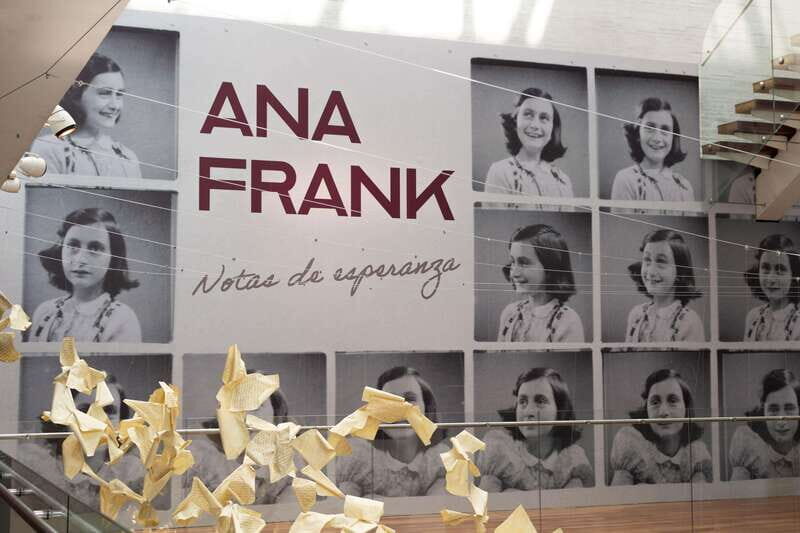
This ticket is simple. You’re paying for admission to the Anne Frank Temporary Exhibition only. That means you can’t treat it like a full museum day where you wander freely through lots of unrelated galleries. Instead, you go in with a clear target: Anne Frank’s story, told through the lens of memory, resistance, and hope.
The price is about $7 per person, which is a big value point when you consider what you’re getting: a temporary exhibition tied to the Anne Frank House collaboration, plus the standout feature of the hideout model and replica. For a museum experience that asks you to slow down and think, $7 feels fair—especially if you’re the type who likes exhibits with emotional weight and visual detail.
Also note the practical side: your ticket is valid for 1 day, and you’ll want to check availability to see starting times. So it’s not a “show up whenever” situation. Plan one good window in your day and commit to it.
You can also read our reviews of more tours and experiences in Mexico City


Inside Anne Frank. Notes of Hope: the story you follow

The exhibition is built around a simple idea: a child’s feelings can carry real moral force. You’ll see the story of Anne Frank and how her belief in hope and change kept moving even while life in hiding was uncertain.
What I like about the way it’s framed is that it doesn’t stop at one personal story. The museum also pays tribute to the victims of the Holocaust, the survivors who share their stories, and the people who stepped forward to help others—despite the risks. The exhibition language also emphasizes how remembrance connects to today, warning about the destructive power of hate speech and division. You’re not just learning what happened; you’re being asked to notice what hate and indifference can do.
As you move through the rooms, expect the tone to stay reflective. There’s no fluff, no carnival distractions. This is an exhibit that encourages you to take in photos and contextual material, then let it settle. One review specifically praised the content and photos, and that matches the feel of an exhibition like this: you’re meant to read, look, and re-read what you think you understood.
If you want maximum impact, give yourself enough time to stop more than once. The story hits harder when you’re not speed-walking.
The Frank hideout model and replica: why it hits
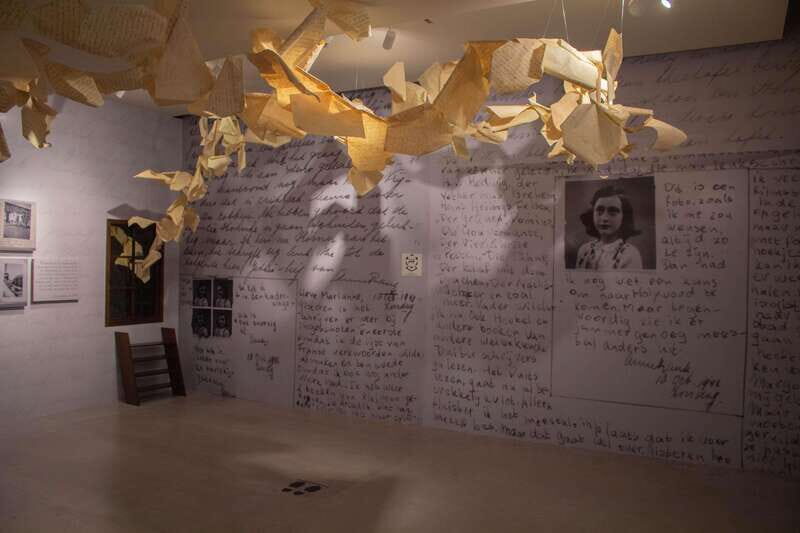
This is the main event. The highlights call out two specific objects: a model of the place where the Frank family hid and a replica of the Frank’s hideout. Those details matter because they change the way you process the story.
Reading about hiding can stay abstract. A model and a replica make it concrete:
- You can understand the idea of limited space and constrained movement.
- You can mentally map how everyday life would have felt under pressure.
- You can visualize why secrecy was exhausting, not just inconvenient.
It also helps that the exhibit is collaboration-based. The model and replica feel like they’re there for accuracy, not decoration—like the museum wants you to imagine the environment carefully.
In reviews, people call the exhibition really interesting and enriching. Even if you’re not a “museum person,” this part tends to win you over because it turns history into something your brain can picture.
Museum rooms, photos, and the pace of reflection
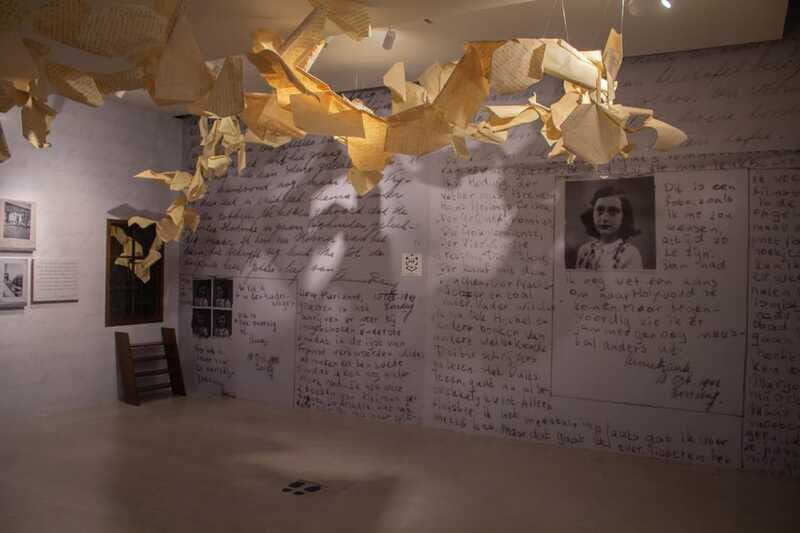
Beyond the hideout displays, what you’ll likely notice is the exhibit’s focus on visual storytelling. Reviews mention great photos and content and also highlight that the museum rooms are cool. That’s not just a style comment. It’s a clue to how the exhibition is designed to keep you oriented while the subject stays heavy.
The best strategy here is to treat the visit as a sequence of attention changes. Look longer than you think you need to. Then read. Then look again. The exhibition theme is hope, but it doesn’t skip the reality behind it—so the pacing matters.
A couple of additional points from feedback are worth noting:
- One person described the experience as excellent.
- Another said a guided visit was enriching.
That last part is useful even if you’re not buying a separate guide package. It suggests the content can land more deeply when you get help connecting details. If your time slot offers a guided component, consider it—at minimum, it can help you avoid missing context while you focus on the visual elements.
Rules to plan around: no food, flash, or audio recording
Museums always have rules, but this one’s rules are the kind that affect your comfort.
Not allowed:
- Food and drinks
- Flash photography
- Alcohol and drugs
- Audio recording
Practical advice:
- Wear something comfortable for standing and reading. If you can’t snack inside, you’ll want to eat before you go.
- Don’t plan to record audio like a podcast. If you like to capture notes, use pen and paper or just remember what you want to revisit later.
This might sound strict, but it also makes sense for an exhibition that depends on reflection. No flash means fewer distractions. No audio recording means the space stays respectful. It’s the kind of environment where you’ll probably find your attention settling in fast.
You can also read our reviews of more museum experiences in Mexico City


Pricing and value: does $7 make sense?
Let’s be honest: $7 doesn’t sound like much for a major-topic museum exhibition with a collaboration component and special displays like a hideout model and replica. That low price is a value signal.
Here’s how I’d weigh it:
- You’re paying for a focused, temporary exhibition, not an all-access museum pass.
- You get the standout interpretive elements (model + replica).
- The subject matter is serious, and the experience is built for reflection, which typically costs more in bigger-ticket venues.
If you’re in Greater Mexico City and choosing between several museums, this one is easy to justify. It’s compact in scope but strong in impact—so it’s not a “maybe it’s okay” choice. It’s a direct hit on your time.
Also, the booking options are travel-friendly: you can reserve now and pay later, and you can cancel up to 24 hours in advance for a full refund. That makes it easier to fit the exhibition into a real-world schedule.
How to fit it into your Greater Mexico City day
The ticket is valid for 1 day, and starting times depend on availability. So plan like this:
- Pick the day you’re already in the area.
- Choose a starting time that doesn’t force you to rush through.
- Build in buffer time so you don’t feel stressed the moment you walk in.
Because the exhibition is only the temporary Anne Frank display, you’ll probably want your visit to be the main museum event of that day, not an add-on between errands.
What kind of day pairs well?
- A quiet morning or afternoon where you can move slowly through the rooms.
- A day when you’re not planning tight timed transfers right after, because the emotional tone tends to linger.
And since it’s not suitable for children under 12, if you’re traveling with a family, you may need to separate plans: this one is best for older kids and adults who can handle the themes.
Who should book this ticket (and who might skip it)
Book it if:
- You want a thoughtful exhibition that connects memory to tolerance.
- You’re specifically interested in how the Frank hideout is shown through a model and replica.
- You like exhibitions that use strong photos and clear storytelling rather than distractions.
Maybe think twice if:
- You’re visiting with children under 12 (the exhibition isn’t suitable).
- You need to eat or drink during the visit, since food and drinks aren’t allowed.
- You rely on audio recording for personal note-taking, since audio recording isn’t allowed.
For the right audience, the booking feels like a straightforward choice. Reviews rate it 4.9, and multiple comments praise it as interesting, excellent, and enriching—with one person calling out the guided visit as especially worthwhile.
Should you book? My honest take

If you’re looking for a museum experience in CDMX that’s focused, respectful, and genuinely meaningful, I’d book this. The price is low for the strength of the presentation, and the hideout model plus replica are the kind of exhibit elements that make history feel real without being sensational.
Skip it only if the no-food/no-audio rules or the age guidance don’t work for your group. Otherwise, this is the kind of ticket you’ll remember, not because it’s flashy, but because it asks you to think—and then gives you a tangible way to picture the story.
FAQ
What does the ticket include?
Your admission ticket gives you access to the Anne Frank Temporary Exhibition only at the Museo Memoria y Tolerancia.
How long is the ticket valid?
It’s valid for 1 day. You’ll want to check availability to see starting times.
Where is this experience located?
It’s in Greater Mexico City, Mexico.
Is it wheelchair accessible?
Yes, the museum and this exhibition are wheelchair accessible.
Can I take photos with flash?
No. Flash photography isn’t allowed.
Can I record audio during the exhibition?
No. Audio recording isn’t allowed.
Are food and drinks allowed inside?
No. Food and drinks aren’t allowed.
Is it suitable for young children?
No. It’s not suitable for children under 12.
Is free cancellation available?
Yes. Free cancellation is available up to 24 hours in advance for a full refund.