REVIEW · OAXACA CITY
Tour to artisan towns of Oaxaca
Book on Viator →Operated by Syctravel.com · Bookable on Viator
A craft day in Oaxaca beats guessing what to do. This tour strings together four artisan stops with real hands-on-making moments, not just quick photo breaks. You start in Oaxaca City with pickup, ride in an air-conditioned vehicle, and come back the same day.
I like two things most. First: the hands-on craft focus. You watch how alebrijes, black clay pieces, and wool rugs are made, and you’ll get context for the symbolism behind the work. Second: the guide quality. In the past, Javier led with strong English and adjusted to group requests while keeping the pace sensible.
One thing to consider: food and drinks aren’t included. With a 9-hour schedule, you’ll want to plan a meal before or after, and be ready to snack on your own.
In This Review
- Key highlights worth your attention
- A craft-town route that feels like Oaxaca’s classroom
- San Martín Tilcajete: alebrijes with a spirit-animal twist
- San Bartolo Coyotepec: black clay pottery and generations of technique
- Teotitlán del Valle: wool rugs, natural dyes, and real material work
- El Árbol del Tule: an ancient giant that changes your scale
- Timing, pickup, and how the 9-hour pace feels
- Price and value: what $297.05 buys you
- What kind of traveler will love this most
- Should you book the artisan towns of Oaxaca tour?
- FAQ
- Where does the tour start, and is pickup included?
- What places will we visit on this tour?
- How long is the tour?
- Is this a private tour?
- What is included in the price, and what isn’t?
- Can I change or cancel the booking?
Key highlights worth your attention
- Alebrije storytelling tied to the Zapotec calendar, including a spirit-animal angle
- Seeing artisan workshops up close, not just shopping in a store
- Black clay pottery process in San Bartolo Coyotepec, where craft is the daily rhythm
- Natural-dye wool rug making in Teotitlán del Valle, with a clear look at how the textiles come together
- The El Árbol del Tule stop, using a huge, ancient landmark to reset the day
- A smooth one-day route with pickup, private group format, and free admission at each stop
A craft-town route that feels like Oaxaca’s classroom

If you’ve ever toured Oaxaca and felt like you were sprinting between sights, this one plays differently. It’s built around process—how things get made—so you leave with more understanding than a pile of photos.
The route covers three artisan towns plus Santa María del Tule. That variety matters: wood carving and symbolism, clay figure work, textile dyeing and weaving, then a giant tree that’s basically a whole mood shift.
The tour is about 9 hours total, with roughly 5 hours in the main stops and the rest for driving and timing. It starts at 10:00 am, which is nice because you avoid the midday rush and still get back to Oaxaca City the same day.
You can also read our reviews of more tours and experiences in Oaxaca City.



San Martín Tilcajete: alebrijes with a spirit-animal twist
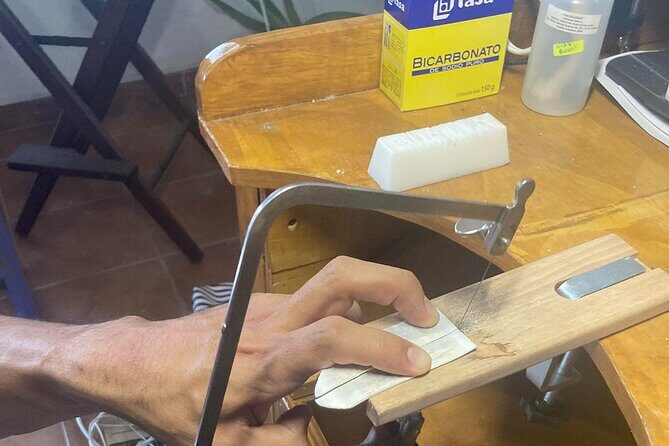
San Martín Tilcajete is one of the places in Oaxaca known for carving alebrijes—colorful, imaginative figures made of wood. This stop is about 2 hours, which is long enough to actually watch the work rather than just glance at finished pieces.
What I find smart here is the teaching angle. Instead of treating alebrijes as only decorative art, the session connects them to meaning. You’ll learn about the process of making the figures, and you also get the spirit-animal element using the Zapotec calendar. That gives you a better way to read what you’re seeing while you’re there.
You may notice that parts of the demo can be in Spanish. That doesn’t automatically ruin it—you’ll still catch the structure of the process by watching hands at work—but if you’re hoping for every word in English, just know the hands-on portion does most of the explaining.
What to expect: observation time, a workshop-style introduction, and a chance to see how the alebrijes move from concept to carved form and finished look.
Potential drawback: the workshop is still a real workshop. If you’re the type who wants plenty of free time to wander independently, you may feel guided time is a bit scheduled.
San Bartolo Coyotepec: black clay pottery and generations of technique
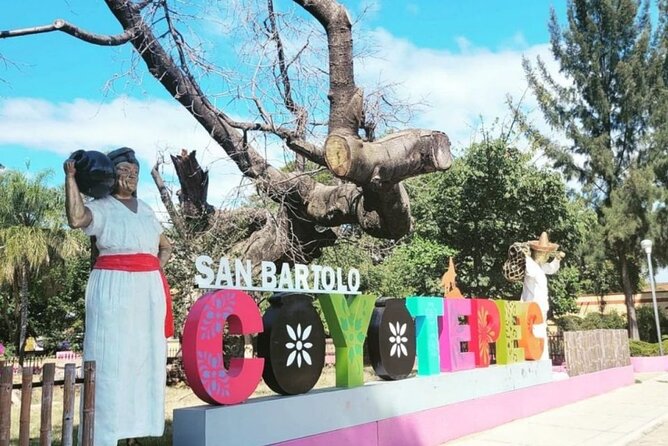
After Tilcajete, you shift to San Bartolo Coyotepec for black clay pieces. This town is known for its clay work, and the stop lasts about 1 hour.
This is a good match if you like craft that feels rooted, not staged. The demo focuses on the process of making clay figures, and you’ll get the feeling that these traditions are passed along through repetition and teaching—generation after generation.
The best part of a shorter stop like this is focus. You’re not spending your whole day in one workshop setting. You watch, learn the basics of how the pieces are created, then move on with your brain still fresh.
What to expect: a compact but meaningful introduction to black clay pottery, centered on how the figures get made.
Potential drawback: 1 hour goes quickly. If you’re hoping for deeper detail or longer questions, you may want to ask your guide to slow the group down at key moments.
Teotitlán del Valle: wool rugs, natural dyes, and real material work

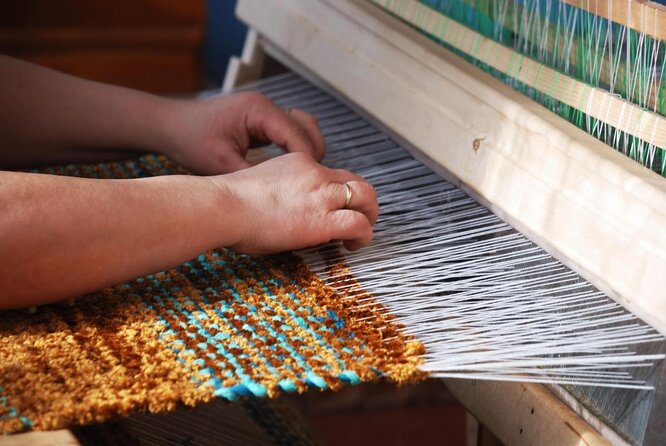
Then comes Teotitlán del Valle, famous for wool textiles like rugs, jackets, bags, sarapes, tapestries, and other fabric items. Your time here is about 1 hour, with the focus on how the rugs are made and dyed using natural colors.
This is one of the stops where you’ll understand why Oaxaca rugs can feel pricey. When you see the process behind the finished product—rather than only looking at patterns—it’s easier to appreciate what’s involved. You’re not just paying for something pretty. You’re paying for time, material, and technique.
The tour emphasizes the creation process for the rugs and the natural dye side of it. That’s a big deal. Natural dye work means fewer shortcuts, and the colors you see are tied to the materials and steps used to make them.
What to expect: a guided look at rug-making and natural dye methods, with a clear explanation of how the pieces come together.
Potential drawback: if you’re already confident about textile processes, you may want more time to explore variations. One hour is enough for an intro, not enough for deep specialization.
El Árbol del Tule: an ancient giant that changes your scale
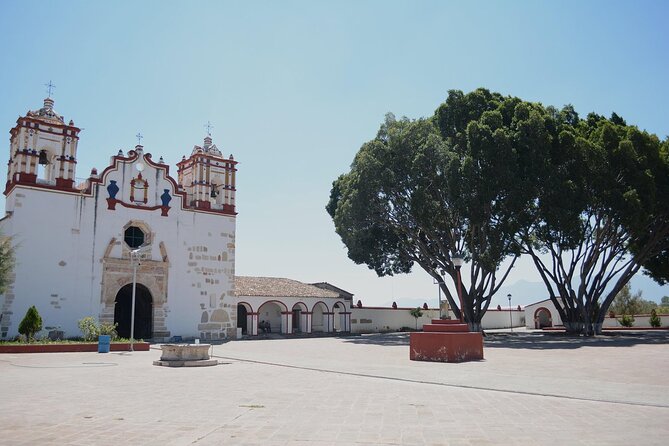
To close, you head to Santa María del Tule to see El Árbol del Tule, the famous thousand-year-old juniper known for its enormous trunk. The numbers alone make it worth the drive: about 40 meters tall, around 52.58 meters in diameter, and estimated at roughly 509 tons.
This stop is about 1 hour, and I love the pacing logic. After hours of human-made crafts, you get a natural landmark that’s the opposite of small-scale. It forces a scale shift—your brain goes from tools and hands to something that took centuries to grow.
Even if you’re not a tree person, this is still one of those Oaxaca stops that feels like it belongs on a list for a reason. It’s not just a background photo wall. It’s a living object with serious presence.
What to expect: a calm visit that balances out the workshop intensity earlier in the day.
Potential drawback: shade can matter. If you’re sensitive to heat, plan for sun comfort even though the tour uses an air-conditioned vehicle for travel segments.



Timing, pickup, and how the 9-hour pace feels

You start at 10:00 am, and the tour is set up as a private experience for your group. That private format matters because it keeps the schedule under control—less waiting on random pickups and drop-offs.
Pickup is offered from your hotel in Oaxaca City, and the ride is in an air-conditioned vehicle. That’s a practical win in warm weather. The day is long enough that comfort on the road helps you stay fresh for the workshop moments.
The itinerary is balanced by stop length:
- San Martín Tilcajete: 2 hours
- San Bartolo Coyotepec: 1 hour
- Teotitlán del Valle: 1 hour
- El Tule: 1 hour
So you get one longer artisan stop for deeper attention, then three shorter focused segments. It’s not a “linger forever” style tour. It’s an efficiency-with-meaning plan.
One detail I appreciate from past experiences: the guide has been adaptable to group requests and supportive on language. That’s huge on craft days, where timing matters and questions can easily come up.
Price and value: what $297.05 buys you

At $297.05 per person, this isn’t the cheapest thing you can do in Oaxaca City. But it’s also not trying to be a bargain. The value sits in what’s included and in what you actually get access to.
You get:
- Air-conditioned vehicle
- Travel insurance
- GST included
- Mobile ticket
- Admission tickets at the stops listed as free
And the big practical value: you’re paying for guided time in multiple artisan towns with transport between them. Without a tour, you could theoretically piece together a day on your own. But that usually means more uncertainty, more driving, and less efficient route planning.
Also, this tour targets process, not just sightseeing. Alebrijes, clay figures, and natural-dye wool rugs are the kind of crafts where a little context goes a long way. If you care about understanding what you’re looking at, that guide-led structure is where your money turns into a better day.
Food and drinks aren’t included, so you should budget for meals separately. Think of the tour as the craft programming; you handle your own hunger.
What kind of traveler will love this most

This tour fits best if you enjoy:
- Craft process as much as finished products
- Learning meanings behind design—especially the alebrije spirit-animal angle tied to the Zapotec calendar
- A structured one-day plan where you don’t have to coordinate transport across multiple towns
If you’re the type who loves hands-on creative work, you’ll get plenty of satisfying moments watching how artisans approach their materials. If you’re a casual sightseer, you may still enjoy it, but you’ll likely want more free time for browsing and less “watch and learn” instruction.
It’s also a good option for people who want an English-speaking guide experience. In the past, Javier handled English well, stayed accommodating, and adjusted to group needs.
Should you book the artisan towns of Oaxaca tour?
I’d book it if you want your Oaxaca day to feel like more than a checklist. The craft-town combination is strong: alebrijes in Tilcajete, black clay figures in Coyotepec, natural-dye wool rug making in Teotitlán del Valle, then the unforgettable scale of El Árbol del Tule.
I wouldn’t book it if you’re mainly chasing long, free wandering hours at each stop or if you hate guided schedules. One hour segments can feel short, and you’ll need to manage meals on your own.
If your goal is to leave with real understanding of Oaxaca’s artisan work—and not just images—this one-day route is a solid value.
FAQ
Where does the tour start, and is pickup included?
The tour starts at 10:00 am, and pickup is offered from your hotel in Oaxaca City.
What places will we visit on this tour?
You’ll visit San Martín Tilcajete, San Bartolo Coyotepec, Teotitlán del Valle, and Santa María del Tule to see El Árbol del Tule.
How long is the tour?
It runs about 9 hours.
Is this a private tour?
Yes. It is described as private, meaning only your group participates.
What is included in the price, and what isn’t?
Included are an air-conditioned vehicle, GST, and travel insurance. Food and drinks are not included.
Can I change or cancel the booking?
This experience is non-refundable and cannot be changed for any reason. If you cancel or ask for an amendment, the amount you paid isn’t refunded.