REVIEW · OAXACA CITY
Make Oaxacan-style take-home chocolate
Book on Viator →Operated by Etnofood Experiencias · Bookable on Viator
Cacao turns into art here. This Oaxacan chocolate class in Oaxaca City is built around the real story of cocoa in southern Mexico, then turns it into something you can taste and take home. You’ll hear how chocolate evolved over the last 300 years and why Oaxaca is famous for top cacao—especially Criollo—then you’ll put your own spin on a bar.
I love the hands-on pace and the clear, personal teaching style of Tomás, who shares both process and meaning. I also love that you get to taste the quality of locally grown cacao and help make the final product from start to finish, not just sample flavors at the end.
One possible drawback: at about 2 hours 30 minutes, it’s a focused workshop, so you won’t get weeks of chocolatier practice or super-deep lab-level precision.
In This Review
- Key highlights worth marking on your map
- Oaxaca-style chocolate: what you’re really making
- Meet Tomás in Centro and get set up
- Coffee, tea, and snacks before the chocolate work
- The cacao story: history, origins, and the Oaxaca lens
- Designing your bar: how “flavor” becomes your choice
- From beans to molds: what the hands-on steps feel like
- Tasting along the way: what makes the class more than a craft
- Time, pacing, and group size: why 2.5 hours works
- Price and value: what $60.95 buys you
- Who should book this class (and who might skip it)
- Should you book the Oaxaca-style chocolate workshop?
- FAQ
- Where is the workshop located?
- How long does the experience take?
- How much does it cost?
- Is the class offered in English?
- How many people are in a group?
- What do I get to take home?
- What drinks and snacks are included?
- What equipment is provided for making chocolate?
- What is the cancellation policy?
Key highlights worth marking on your map
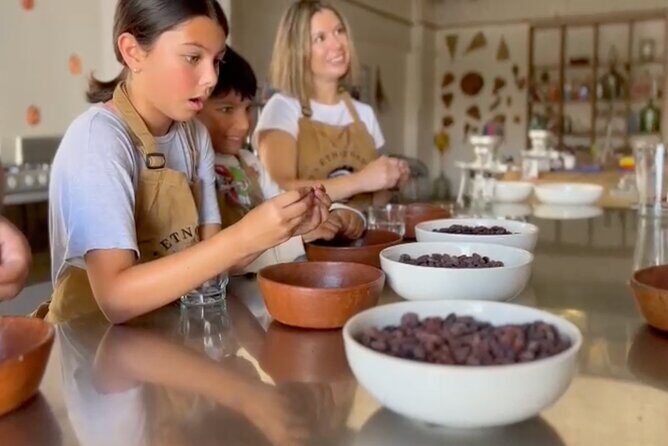
- Take-home chocolate: you design and leave with 150 grams made by you
- Small group size (max 6): more time at the workstations, fewer pauses
- Oaxaca cacao focus: learn why Criollo from the Pacific-side region matters
- Full process, not just tasting: grinding, mixing, and molding your own chocolate
- Bilingual setup: the class is offered in English
- Seasonal storytelling through food: the teaching connects chocolate to culture and traditions
Oaxaca-style chocolate: what you’re really making
This isn’t a quick candy demo. It’s a hands-on Oaxacan chocolate workshop built around how cocoa becomes flavor—then how those flavors become a product you can recreate at home. The class frames chocolate as both food and culture: a craft with history, and a sensory experience tied to memory, family, and local ingredients.
You’ll start with the bigger picture: chocolate’s story didn’t begin with Europe or Africa, according to what you’ll be taught. Southern Mexico is presented as the true discovery point. Then the class narrows to Oaxaca—where the cacao variety called Criollo is linked to high-quality beans grown in the tropical jungle area near the Pacific.
That matters for your expectations. If you only think of chocolate as sweet, you’ll leave thinking of it as a mix of aroma, roast, grind, and intention. And if you like food with meaning, you’ll appreciate the way the lesson ties chocolate to how people use it in daily life and special moments—whether as a drink, a treat, or part of broader traditions.
You can also read our reviews of more tours and experiences in Oaxaca City

Meet Tomás in Centro and get set up
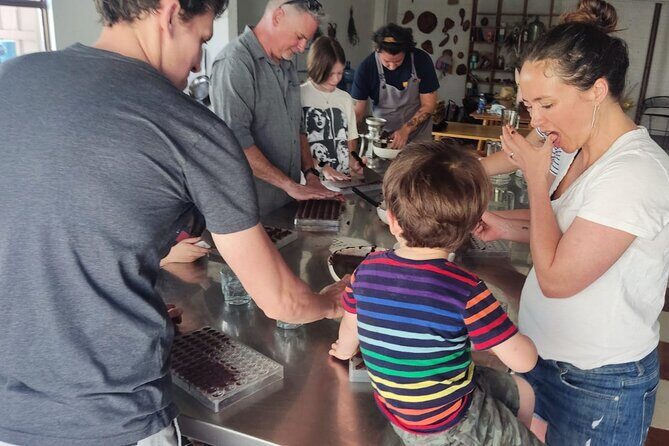
The workshop begins at TeoLabXicoténcatl 609, Centro, Oaxaca de Juárez. You’ll return there at the end, so you don’t have to worry about a long commute or a scattered “start here, finish there” day.
The class runs about 2 hours 30 minutes, and the group stays small—up to 6 travelers. In a small room, you’re more likely to get real attention at the workstations and fewer delays while equipment is shared.
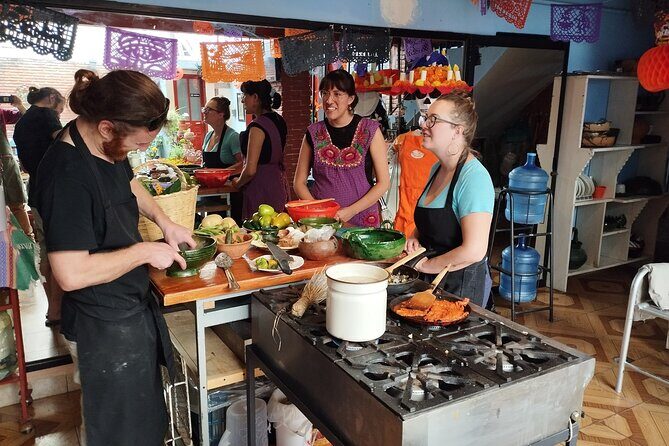
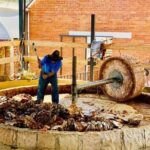
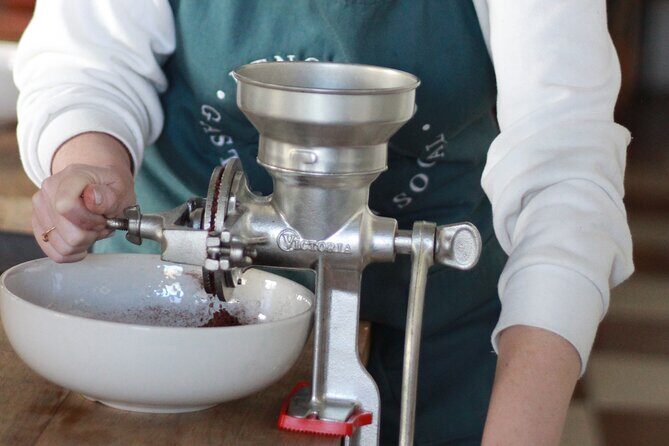
Before you start working, you’ll be outfitted for the task. You’ll use aprons, mills, stoves, and molds. That sounds basic, but it changes the whole feel of the experience. You’re not watching from a bench—you’re doing the steps that turn cacao into a take-home bar.
And yes, it’s in English, with a mobile ticket for entry. That combination is helpful in Oaxaca City, where you might be juggling Spanish outside your comfort zone.
Coffee, tea, and snacks before the chocolate work
A good chocolate class respects your taste buds. Here, you get coffee and/or tea on arrival (you can request which one you want) plus snacks made in the chocolate shop.
You’ll also have access to water, and the note that they do not use plastic bottles is a nice, practical touch. It’s the kind of detail that keeps the experience from feeling throwaway.
Timing matters here too. Having a hot drink and a small bite first helps you focus when the cacao aromas show up. Chocolate can be subtle before it’s sweet—so getting set up with a warm beverage makes your nose and palate more alert.
The cacao story: history, origins, and the Oaxaca lens
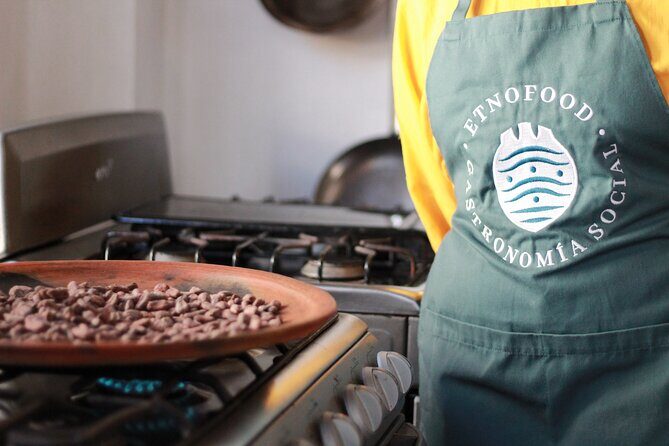
The heart of the teaching is the cacao story—how cocoa spread, how chocolate changed, and how Oaxaca became a key place in that evolution. You’ll hear about the last 300 years of transformation and how the popular idea of chocolate starting elsewhere doesn’t match the origin story you’re given.
Then comes the Oaxaca angle. The class connects top cacao to the southern Mexico environment, highlighting Criollo cacao from the jungle area near the Pacific. Even if you’ve had chocolate before, this framework helps you understand why Oaxaca chocolate often tastes different: it’s not only about sweetness. It’s about the bean, the process, and the choices people make.
There’s also a cultural thread to how the class talks about chocolate’s effects—energy, happiness, and clarity for passionate decisions. I’d treat that as a traditional belief and storytelling approach, not a medical promise. Still, it’s part of why people in Oaxaca talk about chocolate like it’s more than a dessert.
Designing your bar: how “flavor” becomes your choice
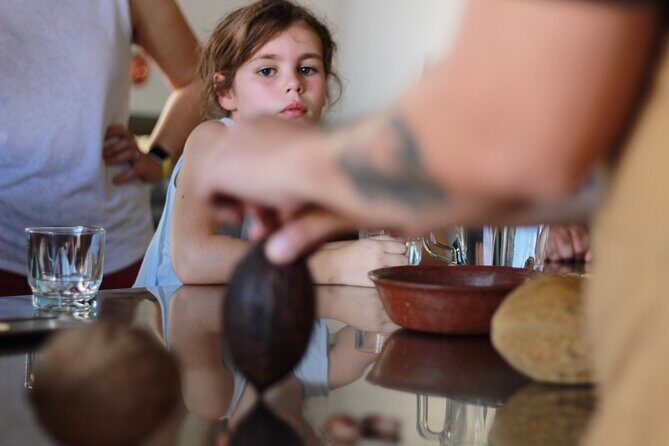
One thing I like about the workshop’s philosophy is how it makes design personal. You’re told that chocolate design depends on how you feel and how you want to affect the people you care about. That’s not a technical lecture. It’s a reminder that food is emotional, not just chemical.
In practice, you’ll do the steps needed to produce your own take-home chocolate—then you’ll package it as something you truly “made,” not just bought.
You’ll create a bar that becomes your reminder of Oaxaca—something you can share with family or bring to a friend who always asks what you did all day.

From beans to molds: what the hands-on steps feel like
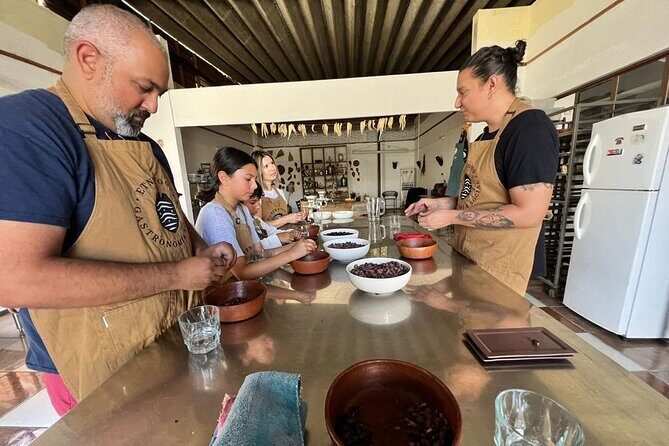
The magic of this class is that you work through the process. You’re not just tasting varieties; you’re moving from one stage to the next until you can see the chain of effort that makes chocolate.
The equipment list is your clue: mills for grinding, stoves for heating steps when needed, and molds for forming your final product. That combination means you’ll experience the “why” behind common chocolate decisions. For instance:
- Grinding affects texture and aroma release
- Heating and mixing influence how flavors come together
- Molding locks in the final shape so the result feels real, not temporary
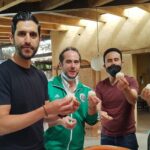
And because the class is small, you can ask questions without feeling like you’re slowing everyone down. Several people highlight Tomás’s interactive teaching—asking questions is encouraged, and that’s where the experience becomes memorable rather than mechanical.
You’ll also taste what’s being made along the way. That gives you feedback fast—so you understand what you like while the process is still happening.
Tasting along the way: what makes the class more than a craft
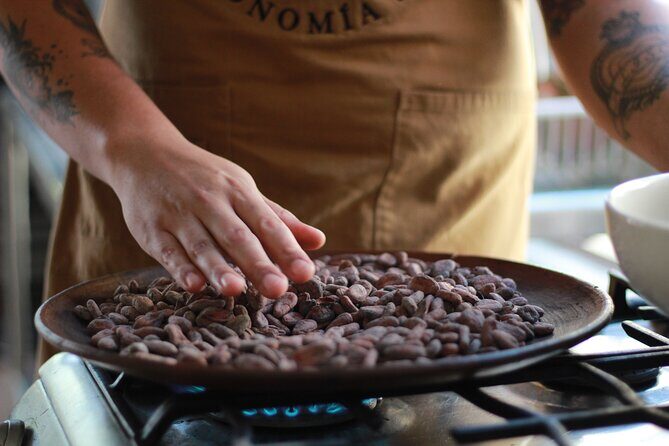
A chocolate workshop can become repetitive if it’s only making. Here, the tasting is part of the flow, including coffee/tea and snacks plus chocolates from the shop.
What stands out is how Tomás connects quality to local cacao. People who enjoy this class often mention the sense that the beans are pure and high quality, not generic couverture. That’s exactly what you want if you’re trying to understand Oaxaca chocolate rather than simply eating it.
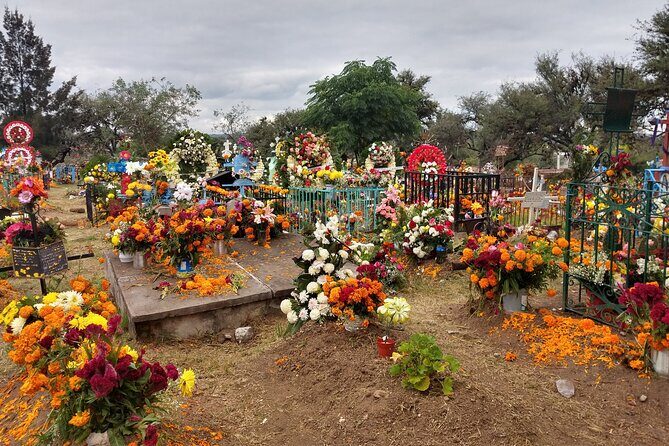
There’s also a cultural flavor to some of the tasting. In past sessions, Tomás has shared creations associated with Día de Muertos. If that season lines up with your visit, expect the chocolate to act like a story you can taste—spiced, shaped, and themed around tradition.
Time, pacing, and group size: why 2.5 hours works
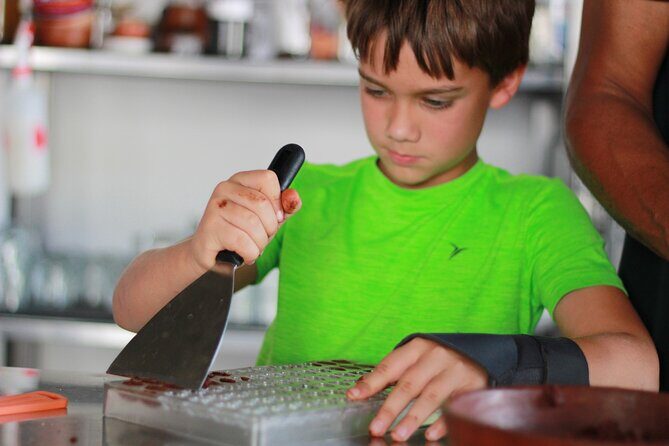
At 2 hours 30 minutes, the class has enough time to feel satisfying and hands-on, but it doesn’t drag. In a small group of 6, pacing stays fluid. You’re likely to spend more time at the stations and less time waiting for equipment.
That length is also useful if you’re planning a dense Oaxaca City itinerary. You can fit this into a day without turning it into an all-day commitment.
Practical note: since it includes hot drinks and tasting, you might want to avoid scheduling something super physically demanding right after. It’s not a workout. It’s a sensory, process-focused morning or afternoon.
Price and value: what $60.95 buys you
The price is $60.95 per person for about 2.5 hours. On its face, it’s not the cheapest food activity in Oaxaca City. But value comes from the details you get:
- You take home 150 grams of chocolate you designed
- You use real tools—mills, stoves, molds—rather than doing a basic mixing demo
- You get tasting, plus coffee/tea and snacks
- You get a small-group experience with Tomás teaching in English
If you’re choosing between a standard chocolate tasting and a workshop, this is the option that gives you something tangible to remember. You’re leaving with a bar you made and a clearer sense of why Oaxaca cacao tastes the way it does.
Who should book this class (and who might skip it)
This is a great fit if you want:
- A hands-on food experience in Oaxaca City
- A chocolate class that connects to Oaxacan culture and cacao origins
- Something you can actually share at home thanks to the take-home bar
It’s not the best match if you only want a quick snack or you’re short on time. Also, if you prefer purely Spanish-only instruction, this class being in English may or may not match your style—but English is offered, so you can enjoy it comfortably.
If you travel as a couple or small group, the max-6 size keeps it personal. Solo travelers often enjoy this kind of format because you get time with the guide without competing for attention.
If plans change, note that cancellation is free up to 24 hours before the start time.
Should you book the Oaxaca-style chocolate workshop?
Book it if you want your Oaxaca trip to include something you can taste, make, and explain later. The biggest win is the combination of hands-on chocolate production plus Tomás’s thoughtful storytelling about cacao and Oaxaca’s role in chocolate history.
Skip it if you want a cheap, drop-in tasting only, or if you expect a long, technical course that turns you into a full-time chocolatier. This is a skill-and-flavor workshop, not a multi-day training program.
FAQ
Where is the workshop located?
It meets at TeoLabXicoténcatl 609, Centro, Oaxaca de Juárez, Oax., Mexico, and it ends back at the same meeting point.
How long does the experience take?
It runs about 2 hours 30 minutes.
How much does it cost?
The price is $60.95 per person.
Is the class offered in English?
Yes, the workshop is offered in English.
How many people are in a group?
The activity has a maximum of 6 travelers.
What do I get to take home?
You will take home 150 grams of chocolate that you designed.
What drinks and snacks are included?
Coffee and/or tea are included, and you can request which one you want upon arrival. Bottled water is provided (without plastic bottles), and there are snacks made in the chocolate shop.
What equipment is provided for making chocolate?
You’ll be provided aprons, mills, stoves, and molds for the chocolate-making process.
What is the cancellation policy?
You can cancel for a full refund up to 24 hours in advance of the experience’s start time. If you cancel less than 24 hours before, the amount paid is not refunded.