REVIEW · MEXICO CITY
LGBTIQ+ History of Mexico private tour
Book on Viator →Operated by Frida Tours · Bookable on Viator
Mexico City tells its queer story in stone. This private LGBTIQ+ History of Mexico tour strings together pre-Hispanic, colonial, and modern landmarks, with clear explanations of how sexuality and gender were understood. I like that it makes ideas concrete, starting right in the Zócalo area.
I also like that it stays practical. You get snacks, bottled water, and a pulque tasting (or another beverage), plus a queer souvenir, all for a 3–4 hour walk-and-talk. It’s a neat mix of culture and comfort.
The only catch is simple: expect considerable walking and standing. Wear comfy shoes, and keep an eye on weather since the experience depends on good conditions.
In This Review
- Key highlights to look for
- Why this LGBTIQ+ History tour hits in Mexico City’s historic center
- Price and what you really get for $93.84
- Private tour details that make the stories land
- Stop 1: Zócalo and pre-Hispanic cosmology in plain language
- Stop 2: Coyolxauhqui and how indigenous memory treated same-sex practices
- Stop 3: Metropolitan Cathedral and colonial rules about sodomy
- Stop 4: Avenida Francisco I. Madero and the truth behind the Baile de los 41
- Stop 5: La Ópera and the Mexican Revolution chapter
- Stop 6: Centro Histórico and openly queer lives, art, and cruising
- Stop 7: Alameda Central and icon myths (Frida Kahlo, Chavela Vargas, Juan Gabriel)
- Stop 8: Marrakech Salón and early Pride protests and human rights fighters
- What the included pulque tasting adds to the day
- Timing, walking, and how to prepare so you enjoy it
- Who should book this tour
- Should you book this LGBTIQ+ History of Mexico private tour?
- FAQ
- How long is the LGBTIQ+ History of Mexico private tour?
- Is the tour offered in English?
- Do I need tickets or is admission covered?
- Is pickup available?
- What is included in the price?
- Is it really private?
- Are service animals allowed?
- What is the cancellation policy?
- What happens if the weather is bad?
Key highlights to look for
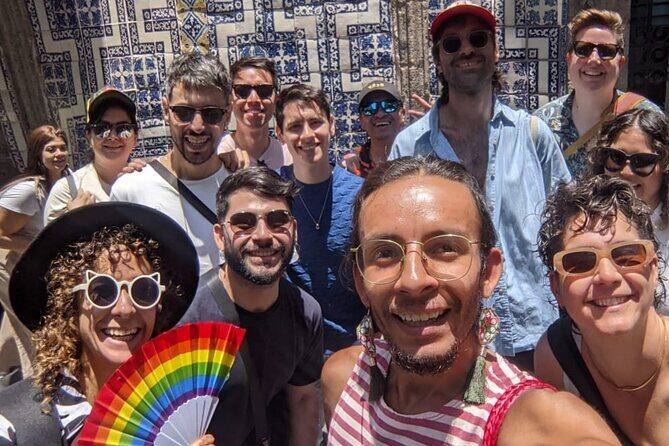
- Private pacing for your group, so you can ask questions without rushing
- Free admission at most major stops, keeping the cost predictable
- Pulque tasting plus snacks, which turns history into a real outing
- A guided narrative that links gender and sexuality to specific places, from the Zócalo to Marrakech Salón
- Diversity across eras, moving from pre-Hispanic beliefs to colonial punishment to modern activism
Why this LGBTIQ+ History tour hits in Mexico City’s historic center
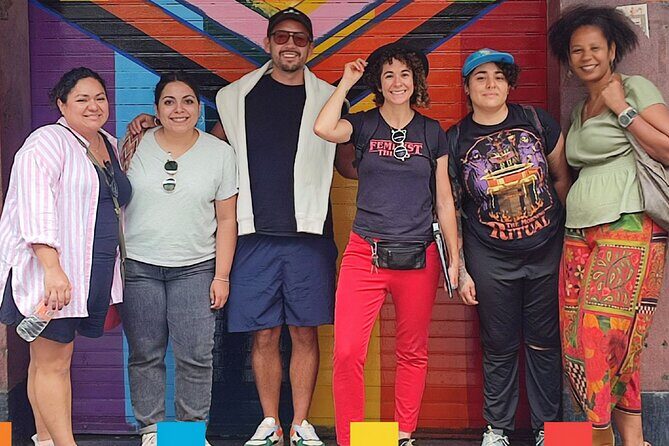
Mexico City’s Centro Histórico can feel like a museum that never closes. What makes this tour different is that it reads the city like a living script, where each square, cathedral, and avenue carries a chapter about gender and sexuality.
The format helps. It’s private, so you’re not stuck matching your questions to a big group timeline. That means you can slow down when the story turns specific, like when colonial laws come up or when the tour addresses myths around famous episodes in Mexico’s queer past.
I also like the straightforward scope: you’re in the center, walking between high-impact sites. This is not a “sit on a bus all day” kind of day. It’s more like: get your bearings fast, then learn how to see the city differently.
You can also read our reviews of more private tours in Mexico City


Price and what you really get for $93.84

At $93.84 per person, this tour is priced like a guided “experience package,” not just a stroll with a map. The value comes from three things you actually feel during the hours.
First, many stops include free admission, which matters in a city where ticket costs can add up quickly. Second, the tour includes snacks and bottled water, plus alcoholic drinks via a pulque tasting (or another beverage). Third, there’s a queer souvenir, which is small but meaningful—like a keepsake tied to the specific stories you heard.
Duration is listed as about 3 to 4 hours, which is a good window for the Centro Histórico. You get time to learn, pause, and still have energy left for dinner and a slow wander afterward.
If you choose the option with pickup, you also get private transportation (only for that version). For some people, that extra door-to-door ease is the difference between a fun morning and a stressful one.
Private tour details that make the stories land
This is a private activity, meaning only your group participates. That changes the tone of the tour. When the guide talks about topics that can be sensitive—religious punishment, social stigma, or the way queer lives were policed—you want room to ask follow-ups. With a private setup, you’re more likely to get answers that fit your questions rather than a one-size-fits-all lecture.
The tour also uses a mobile ticket, and you’ll get confirmation at booking time unless you’re booking very close to departure. The day prior, the guide texts the lead traveler to confirm pickup or meetup details. That’s a small thing, but it reduces that Mexico-city anxiety of wondering where exactly to stand.
One more practical point: you’ll be near public transportation, but the tour itself still includes a lot of walking and standing. The private format helps because the guide can keep a pace that works for your group, but you should still plan as if you’ll be on your feet.
Stop 1: Zócalo and pre-Hispanic cosmology in plain language
You start in the Zócalo, the center of the city’s civic life. Here, the guide sets the tone by looking back to pre-Hispanic cultures—like Aztecs, Mayas, Toltecs, and Totonacas—and explaining how cosmogony influenced ideas about sexuality.
This is valuable because it breaks a common habit: thinking gender and sexuality history starts with colonial religion. Instead, you get a bigger timeline and a more nuanced framing: that beliefs about bodies, spirit, roles, and desire weren’t uniform, and they weren’t all shaped by one later institution.
The vibe at the Zócalo also helps. You can see the scale of the public square around you. Even when the talk is theoretical, the setting makes it feel real.
Time at this stop is about 20 minutes, with admission listed as free. That short window is a plus for people who want a focused start without feeling like the tour drags.
Stop 2: Coyolxauhqui and how indigenous memory treated same-sex practices
Next is Coyolxauhqui, where the guide explains how native cultures understood homosexual practices, sexuality, and gender identity. This is a key chapter, because it pushes you to see queer history as part of the cultural record, not a modern invention.
What I like here is the “how they saw it” approach. Rather than only telling you what people did, the guide focuses on interpretation—how identity and behavior were understood through indigenous frameworks.
This stop is also about 20 minutes and lists free admission. That makes it easy to fit into a longer walk without worrying about extra costs.
If you care about context, this is one of the better points to ask questions. The guide’s framing can help you build a mental timeline for later stops, especially once colonial punishment enters the story.
You can also read our reviews of more historical tours in Mexico City





Stop 3: Metropolitan Cathedral and colonial rules about sodomy
Then comes a sharp turn: the Catedral Metropolitana de la Ciudad de México. The guide talks about diversity during colonial times and specifically addresses how sodomy was punished.
This part can feel heavy, and it helps to go into it with a realistic mindset. This isn’t “queer history as celebration” only. It includes the systems that controlled bodies and relationships, and the way religious and legal power shaped daily life.
Time is about 20 minutes with free admission. The length is short enough to keep it from turning into a long sermon, but long enough to give you names of key historical figures and make the logic of the period clearer.
Practical tip: look up when you’re standing there. Even if you’re focused on the story, that building scale can make the chapter feel more than words.
Stop 4: Avenida Francisco I. Madero and the truth behind the Baile de los 41
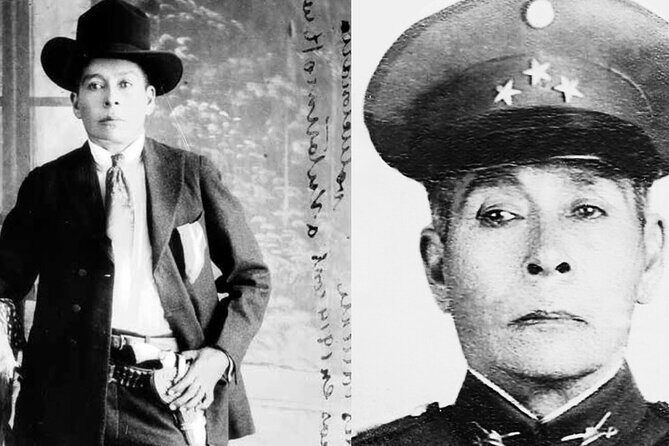
On Avenida Francisco I. Madero, the tour shifts to the early independent Mexico era. The guide talks about transgender heroes, intersexuality, Mexican dandies, and homosocial relationships.
Then you get the big myth-vs-reality conversation: what really happened in the Baile de los 41. This is one of the most interesting parts of the tour because it addresses how queer stories often arrive through scandal and rumor. The guide explains what you can take from the famous episode, and what you should treat carefully.
Time at this stop is about 40 minutes—longer than the earlier ones. That makes sense. Myth-busting takes time, especially when you want the story connected to social context rather than treated like a trivia question.
Admission is listed as free. So you’re paying for interpretation, not tickets.
Stop 5: La Ópera and the Mexican Revolution chapter
Next is La Ópera, where the guide covers diversity during the Mexican Revolution. The tour highlights Emiliano Zapata and includes a note about Zapata being the first transgender person to be officially recognized.
This is a fascinating angle, but it’s also one of those moments where your guide’s wording matters. You’ll want to listen for how the tour supports that claim and how it connects Zapata to gender identity discussions in later memory. If that topic interests you, this stop is worth your attention.
Time is about 20 minutes, and admission is included here. That’s helpful because it reduces uncertainty about entry.
Stop 6: Centro Histórico and openly queer lives, art, and cruising
Back in the Historic Center (Centro Histórico), the tour talks about diversity in modern Mexico. You also hear about the first open homosexuals in Mexican history and their artworks, plus how they related to international queer icons and the start of cruising.
This stop is a strong “connect the dots” moment. It links personal lives, art, and social spaces into a bigger pattern. Even if you know some famous names in Mexican queer culture, this kind of framing helps you see how cultural influence travels across borders and how communities grow around visibility.
Time is about 30 minutes, with admission listed as free. That’s a good pace: enough time for substance, not so long that you lose momentum.
If you’re a photo person, keep your phone handy, but don’t just take pictures. Let the guide’s story shape what you look at.
Stop 7: Alameda Central and icon myths (Frida Kahlo, Chavela Vargas, Juan Gabriel)
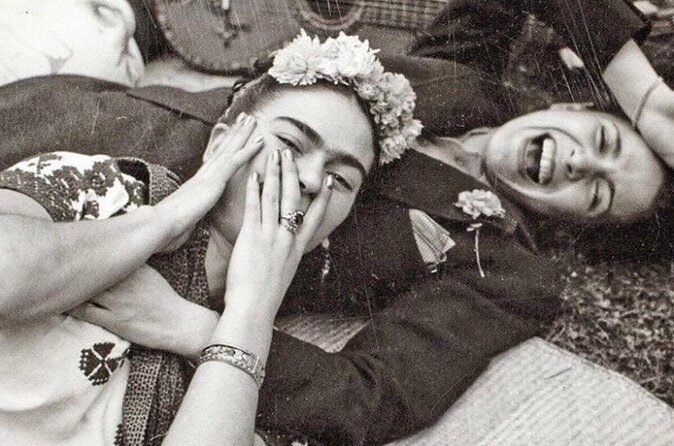
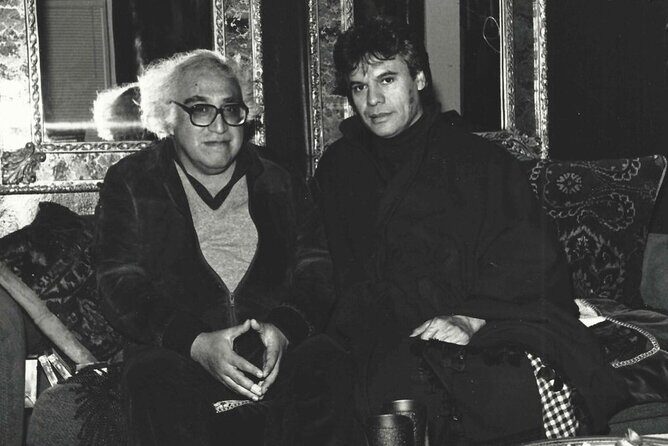
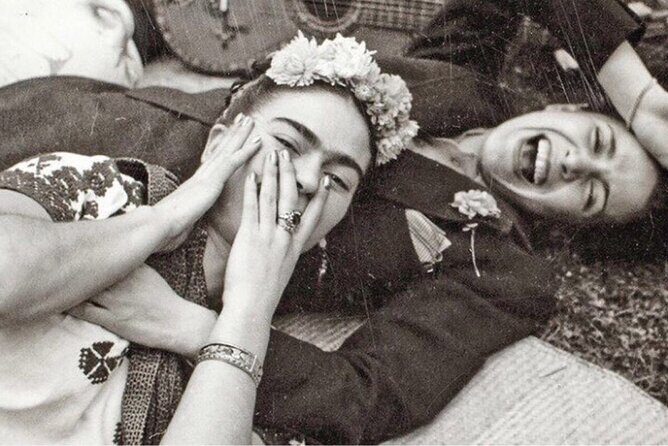
At Alameda Central, the tour focuses on famous queer icons of the country, plus their myths and truths. Names included in the tour description include Frida Kahlo, Chavela Vargas, and Juan Gabriel.
This is a fun stop, but it’s also where you should pay attention to the “myths and truths” angle. Icon stories travel fast, and rumor can harden into fact. A good guide helps you separate what’s supported by context from what’s just repeated because it’s catchy.
Time is about 40 minutes, which suggests the guide will give more detail here than at some earlier stops.
Admission is listed as not included. That doesn’t mean you’ll definitely pay extra, but it does mean the tour package may not cover any entry cost that could exist for specific parts of this stop. If you want zero surprises, you can ask the guide what’s covered before you go inside anywhere.
Stop 8: Marrakech Salón and early Pride protests and human rights fighters
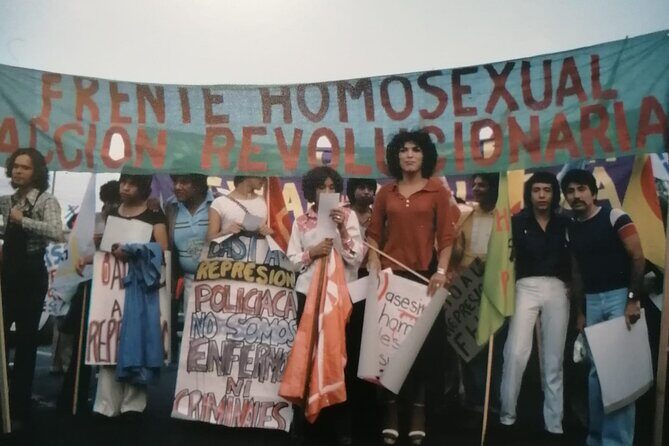
You end at Marrakech Salón, where the guide discusses the first Pride protests in Mexico and the main fighters for LGBTIQ+ human rights.
This ending matters because it brings the story to activism. You’ve gone from belief systems to colonial punishment to independence-era scandal to revolution-era change, then into modern visibility and icon culture. Finishing with protests helps the whole narrative feel grounded in action.
Time is about 20 minutes and admission is listed as free.
The tour ends at República de Cuba 18, and the guide invites you to a pulque in a nearby restaurant if you want to keep going. That’s optional, but it’s a nice way to turn the learning into a final social moment.
One more detail: the tour name suggests LGBTIQ+ history, and the stop choices support that. You’re not just seeing “pretty landmarks.” You’re seeing where queer visibility had to fight for space.
What the included pulque tasting adds to the day
A lot of city walking tours stop at “here’s the story.” This one adds a food-and-drink element through snacks and pulque tasting (or another beverage), plus water.
Why it matters: it helps you stay in “tour mode” without burning out. Centro Histórico walking can drain you fast. A planned break also keeps the tone from becoming too academic. You get the story, then you get something local and shared.
In one account tied to the guide’s style, Cami (from Frida Tours) was noted for being attentive and kind, with thoughtful care and even extra neighborhood-driving time. That kind of pacing pairs well with a tasting break because it keeps the energy steady instead of rushed.
Timing, walking, and how to prepare so you enjoy it
You’re on your feet for a few hours, and the itinerary moves between major points in the center. So plan like it’s a real outing, not a casual “pop out for an hour.”
Bring:
- Comfortable shoes (non-negotiable)
- Sun protection if the weather is bright
- A light layer if the evenings cool down after
Also, the tour is described as requiring good weather. If it’s canceled due to poor weather, you’re offered a different date or a full refund.
If you’re booking during a busy period, note that this experience is booked about 92 days in advance on average. That’s a good sign of demand. If you have fixed plans, don’t wait until the last minute.
Who should book this tour
This is a great match if you want:
- A private, narrative-driven tour instead of a self-guided checklist
- Queer history told through places you can stand in and look at
- A balanced mix of ancient frameworks, colonial repression, and modern activism
It’s also a good choice if you like cultural context over pure entertainment. The stops are short enough to stay moving, but the guide’s themes keep it coherent.
If you’re the type who hates walking or struggles with standing, you may want to think twice. You can still enjoy parts from a seated café nearby, but this tour is designed for people who can handle the rhythm.
Should you book this LGBTIQ+ History of Mexico private tour?
I’d book it if you want Mexico City’s queer story with structure. The stops cover a wide range of eras, and the guide’s approach ties sexuality and gender identity to real locations, not just abstract dates. The inclusions—snacks, bottled water, a pulque tasting (or another beverage), and a queer souvenir—make the price feel less like a pure “guide fee” and more like a full guided day.
I would skip or reconsider if you hate walking and standing, or if you’ll be in Mexico City only for a narrow window where weather could disrupt plans. The good news is that it’s only 3–4 hours, so even if you’re tired later, you won’t feel stuck all day.
FAQ
How long is the LGBTIQ+ History of Mexico private tour?
It’s listed as about 3 to 4 hours.
Is the tour offered in English?
Yes. English is listed as an offered language.
Do I need tickets or is admission covered?
Admission is listed as free for several stops. La Ópera has admission included, while Alameda Central lists admission as not included.
Is pickup available?
Pickup is available depending on the option you choose. You can depart from your accommodation with the private transport option, or meet at a designated point in the Historic Center.
What is included in the price?
The tour includes snacks, bottled water, alcoholic beverages including a pulque tasting (or another beverage), and a queer souvenir. Private transportation is included only in the option with transportation.
Is it really private?
Yes. It’s a private tour/activity, meaning only your group participates.
Are service animals allowed?
Yes. Service animals are allowed.
What is the cancellation policy?
Free cancellation is available up to 24 hours before the experience start time for a full refund. If you cancel within 24 hours, the amount you paid is not refunded.
What happens if the weather is bad?
The experience requires good weather. If it’s canceled due to poor weather, you’ll be offered a different date or a full refund.