The city has more ruins than you expect.
This hidden archaeology walk connects Mexico Tenochtitlán to Spanish conquest through real places in Mexico City’s Historic Center, even though you see everything from the street. I like the way the story links big history to small architectural clues you’d otherwise miss, and I also like that the pace keeps you moving without forcing long museum detours.
Two things I really appreciate: you get a clear narrative arc (from the Mexica capital to what came after) and every stop is easy to plug into a first or second day in the Centro Histórico. The main drawback to think about is that it’s mostly outside viewing, with short time windows at each point, so if you want deep, hands-on artifact study, you’ll likely want to add a museum visit later.
In This Review
- Key highlights you’ll feel fast
- Why hidden archaeology in CDMX feels different (and useful)
- Historic Center route: Mexico Tenochtitlán to Spanish rule
- Hospital de Jesús Nazareno: a short stop with strong atmosphere
- Museo de la Ciudad de México plus the Zócalo: big symbols, explained
- Archaeological windows at SHCP area: seeing what lies beneath
- Templo Mayor: how sacred space worked, from outside
- Centro Cultural España en México: the Mexica elite and an old university
- House of Tiles: a beauty break with meaning
- Price and value: what you’re really paying for
- Group size, language, and pace: how it will feel on the ground
- Reliability note: one bad experience to take seriously
- Who should book this tour?
- Should you book Hidden Archaeology in the CDMX?
- FAQ
- How long is the hidden archaeology tour in Mexico City?
- Where does the tour start and end?
- What is the price per person?
- Is the tour offered in English?
- Is this tour private?
- Are there admission tickets included for the stops?
- Will I enter the sites inside?
- Is the meeting point near public transportation?
- Is it suitable for travelers with babies?
Key highlights you’ll feel fast
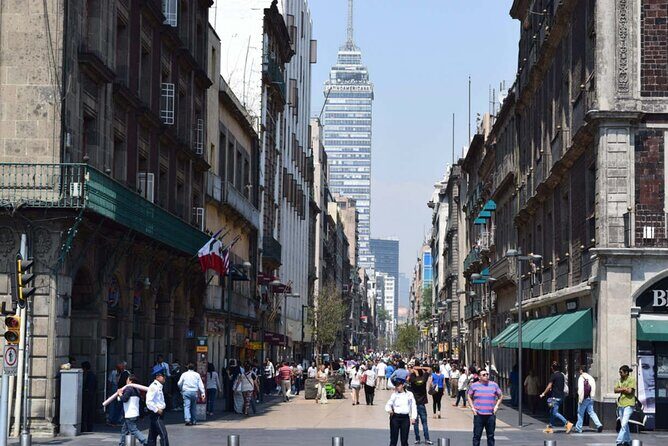
- Street-level archaeology: you read the city like a map of layers and time periods.
- A Mexico Tenochtitlán to Spanish conquest storyline: it’s not random stops; it’s a guided thread.
- Templo Mayor explained clearly: you learn how the sacred space worked without needing extra entry tickets.
- Archaeological windows at the former bishop’s palace area: a visual shortcut to what lies beneath.
- A classic finish near Palacio de Bellas Artes: you end in one of the most convenient central landmarks.
Why hidden archaeology in CDMX feels different (and useful)
Mexico City can be overwhelming on a first visit. The streets are busy, the buildings are layered, and it’s hard to know where the ancient capital ends and modern life begins. This tour helps you get your bearings fast by turning major names—like the Zócalo and Templo Mayor—into a guided story about what’s under the surface.
What makes this experience practical is that you’re not just looking at monuments. You’re learning how to notice: seams in architecture, site placement, and the way certain locations are tied to sacred or civic life. Even when you’re not stepping into a museum gallery, you’re still getting an interpretive framework that makes later independent exploring easier.
You can also read our reviews of more tours and experiences in Mexico City.


Historic Center route: Mexico Tenochtitlán to Spanish rule
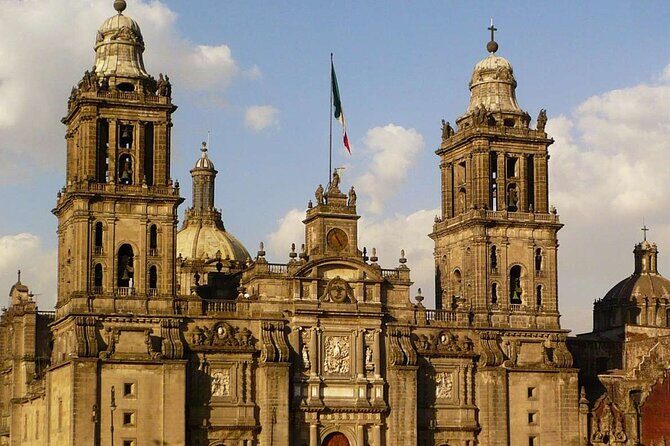
Your longest stretch is the Historic Center, and it’s where the tour’s title makes sense. You’ll visit several points of archaeological and historical interest that often get swallowed by the everyday rush of Centro Histórico. The focus is on imagining what Mexico Tenochtitlán was like and then understanding its fall at the hands of the Spanish conquerors and their indigenous allies.
One key detail: the sites are visited from outside, so you’re not relying on indoor exhibits to understand the day. That changes the way you should experience it. Instead of expecting artifact displays, treat each viewpoint like a clue. Look for what the guide points out, then connect it to the bigger story: where power sat, how the city was organized, and what changed after the conquest.
Time-wise, you’re there for about 1 hour 50 minutes, which is long enough to feel like you’re building a mental model, not just taking quick photos. Admission is listed as free for these stops, so you’re paying for guidance and context more than for entry fees.
Hospital de Jesús Nazareno: a short stop with strong atmosphere
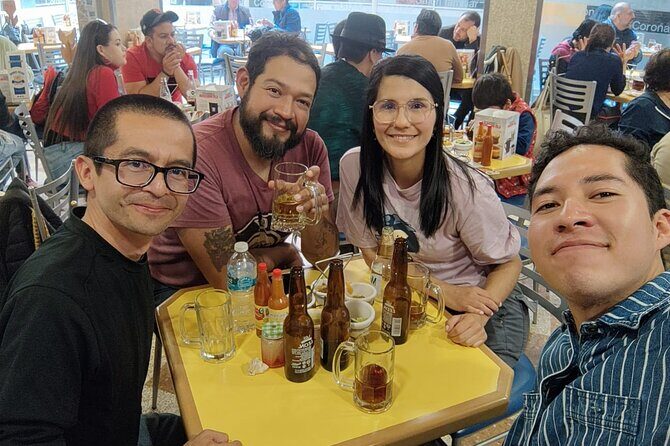
Next comes the Hospital de Jesús Nazareno, where the tour adds a different flavor to the archaeology theme. You’ll get the history of the hospital and why it matters, plus some of the site’s surrounding magic—meaning, the kind of stories people associate with it and the way place and memory overlap in Mexico City.
This is one of the stops you should treat as a palette cleanser. It’s only about 10 minutes, so you won’t lose the thread of the day, but you also won’t keep marching through only monumental ruins. If you enjoy history with local mood—how meaning gets attached to buildings over time—this brief visit does a good job.
Because you’re viewing from the street, keep expectations grounded. You won’t get a museum-style experience here; you’re getting the narrative hook.
Museo de la Ciudad de México plus the Zócalo: big symbols, explained
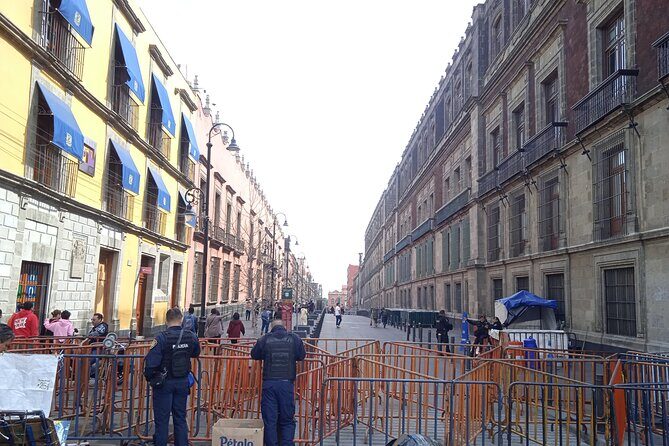
Then you’ll pass by the Museo de la Ciudad de México, the building that houses the story of Mexico City. It’s a quick 10-minute stop, but it’s useful because it frames the city as a continuing project, not a single lost era.
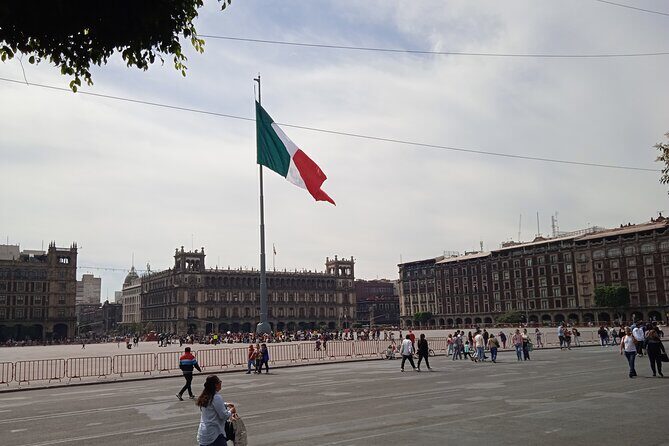
Right after that, you head to the Zócalo, where you’ll see relevant details of the iconic square in about 20 minutes. This is one of the places where Centro Histórico can feel like a postcard until someone gives you a way to read it. The value here is interpretation: the Zócalo isn’t just a central meeting point; it’s a civic stage that has repeatedly reflected shifts in power and identity.
If you’re planning to explore on your own after the tour, this is the stop you’ll likely come back to. When you understand what you’re looking at, the square feels less chaotic and more intentional.
Archaeological windows at SHCP area: seeing what lies beneath
One of the most interesting segments is around the Museo de Arte SHCP Antiguo Palacio del Arzobispado. Here you’ll focus on a set of archaeological windows in the area.
I like stops like this because they show the idea behind the tour without requiring you to do heavy logistics. You’re not asked to guess what’s underneath; you’re shown a way the city literally reveals layers. Even if you’re not a hardcore history buff, these kinds of windows help you understand why Mexico City’s archaeology feels “hidden”—because it’s often woven into later buildings and street-level spaces.
This is a 20-minute stop, so aim for quality attention over speed. Stand where the guide directs you, look for what’s visible through those openings, and connect it back to the earlier story you heard in the Historic Center.



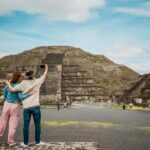

Templo Mayor: how sacred space worked, from outside
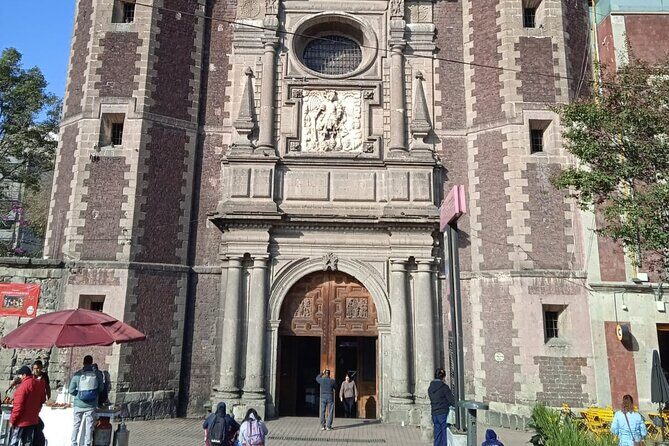
Next is the Museo del Templo Mayor, and this is a highlight for anyone who wants Aztec history that feels practical, not abstract. The tour explains how the sacred space of the Aztecs worked and what its structure was like, in about 30 minutes.
Since you’re seeing everything from outside, the teaching approach matters. You get an explanation that helps you build a mental picture: how the layout related to ritual space, and why the site’s design carried meaning. That makes the experience work even without a long entry ticket day.
If you’re already curious about the Aztec capital, this stop helps you move from curiosity to understanding. If you’re new to the subject, it provides a starter kit: vocabulary and structure cues you can use later when you visit Templo Mayor more extensively.
Centro Cultural España en México: the Mexica elite and an old university
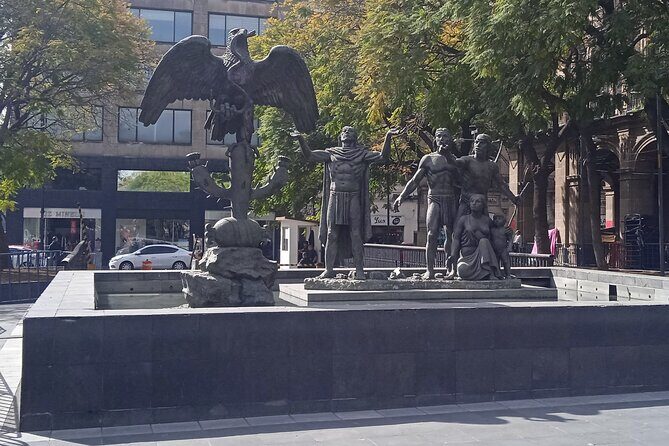
Then you’ll visit Centro Cultural España en México, and the tour frames it as the old university of the Mexica elite. That’s a compelling setup because it shifts how you think about education, status, and cultural institutions in the Mexica world.
This stop is about 20 minutes, so it’s not meant to replace deeper research. Instead, it gives you a story anchor: the idea that elite learning had a place in Mexica society before the colonial era reshaped everything. When a tour can give you a “first mental snapshot” like that, it pays off later when you start noticing names, institutions, and cultural buildings across the city.
Again, because the experience is street-level viewing, the goal is to connect the building and its historical role, not to treat it like a deep archive visit.
House of Tiles: a beauty break with meaning
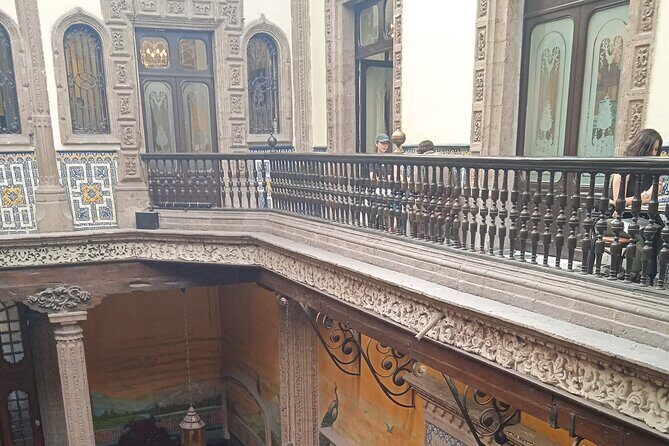
You’ll end with the House of Tiles, one of the most beautiful stops in Mexico City’s Historic Center. This part is about 15 minutes, and it works as a visual reset. The tour’s archaeology thread stays in the background, but your attention turns to craft, design, and the way colonial-era architecture can still feel like it’s in conversation with older layers.
This is a place where photos make sense, but don’t let the camera take over. Look at the details the guide points out, then connect it back to the idea of layers and reuse: how the city builds over itself, while still showing traces if you know where to look.
From there, the tour ends near Palacio de Bellas Artes, at the Plaza del Palacio de Bellas Artes area—handy if you want an easy dinner spot or want to continue sightseeing without crossing the whole city.
Price and value: what you’re really paying for
At $30.49 per person, this tour offers good value for a few reasons. First, it’s about 4 hours of guided storytelling in the center of Mexico City, where travel time costs you. Second, most stops are listed with free admission tickets, meaning you’re paying for the guide’s interpretation more than for paid entry fees.
You’re also getting a structure: an organized sequence from major anchor points like the Zócalo and Templo Mayor to smaller, concept-driven stops like the archaeological windows. When a walking tour includes context that you’d otherwise have to read up on yourself, it’s often worth paying even if you don’t love guided groups.
One more value angle: you get a coherent “starter education” in archaeology and history for a compact day. That’s useful if you’re visiting for a limited number of days. If you have time for independent museum visits later, the tour sets you up to understand what those places are trying to show.
Group size, language, and pace: how it will feel on the ground
This is a private tour, so only your group participates. That usually means you can expect less jostling and more comfortable pacing than big public group tours.
It’s offered in English, which matters if you’re not fluent in Spanish. Also, you’ll receive confirmation at booking, and you’ll use a mobile ticket. The experience is designed to be doable for most people, with the one big note: it’s not recommended for people with babies (and it also says preferably not going with babies). If you’re traveling with infants, this is likely not the calm, slow pace you’ll want.
In terms of time distribution, you’ll spend:
- the longest stretch in the Historic Center,
- a handful of shorter explanation stops around the center,
- and a final cluster of recognizable sights near Bellas Artes.
That pacing works best if you like guided walks and short “story scenes,” not if you want long museum time.
Reliability note: one bad experience to take seriously
The overall rating is strong (a 4.6 average, with 90% recommending). Still, one low-star case reported that the guide didn’t show up and no message was sent, even after a long wait at the meeting point.
I can’t predict whether that will happen to you. But I can suggest a smart safety habit: be at the José María Izazaga 129 meeting point a bit early, and keep your booking confirmation handy in your phone so you can quickly follow up if communication is missing.
Who should book this tour?
This tour is a good fit if:
- you want hidden archaeology themes without spending the whole day in museums,
- you like walking through Centro Histórico with a clear story,
- you want a guided explanation of Templo Mayor and how sacred space functioned,
- you’re in Mexico City for a limited time and want a strong overview.
It may not be your best choice if:
- you want mostly indoor museum time and artifacts,
- you need a very slow, stroller-friendly pace (it specifically says not recommended for babies),
- you dislike tours where many stops are short.
Should you book Hidden Archaeology in the CDMX?
I’d book it if you want an efficient, street-level way to understand how Mexico City’s past is still visible today. For the price, you get a guided sequence through major center landmarks plus the idea of archaeology-as-evidence, not just archaeology-as-exhibit. The Templo Mayor explanation and the archaeological windows stop are the kinds of moments that can change how you see the city the rest of your trip.
Just go in with the right expectations: you’re mostly outside, each stop is brief, and the day is about interpretation. If you want a single “wow” day that makes Centro Histórico make sense, this is a strong option.
FAQ
How long is the hidden archaeology tour in Mexico City?
It lasts about 4 hours.
Where does the tour start and end?
It starts at José María Izazaga 129 in Centro Histórico, and it ends at the Plaza del Palacio de Bellas Artes (Av. Juárez S/N area).
What is the price per person?
The price is $30.49 per person.
Is the tour offered in English?
Yes, it is offered in English.
Is this tour private?
Yes. It’s a private tour/activity, with only your group participating.
Are there admission tickets included for the stops?
Admission ticket information is listed as free for the stops mentioned in the schedule.
Will I enter the sites inside?
The tour notes that all sites are visited from outside.
Is the meeting point near public transportation?
Yes, it’s near public transportation.
Is it suitable for travelers with babies?
It is not recommended for people with babies, and it also says preferably not going with babies.