REVIEW · PUEBLA CITY
Hiking in Iztaccihuatl Volcano
Book on Viator →Operated by Hiking Puebla · Bookable on Viator
Volcano hiking with real drama starts here.
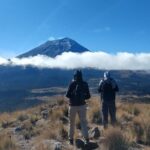
I love that this trail begins at Paso de Cortés inside Iztaccíhuatl–Popocatépetl National Park at about 3,500 meters, so you’re already getting big-mountain air and views from the first stretch. Two highlights for me are the close-up sight of Popocatépetl (with fumaroles) and the way the route changes as you climb, shifting from pine and oyamel forest into alpine scrub and then rocky volcanic terrain.
One thing to weigh carefully is altitude and pacing: you’ll finish around 4,000 m (optional up to 4,200), and the hike includes a solid 15 km on your feet. If you’re not used to higher elevations or long uphill walks, plan for a slower, steady day.
This is also set up in a way that feels low-stress for a long day: pickup around Puebla, an experienced guide, and multiple technical rest stops with included snacks and drinks. It’s a private tour, so your group hikes together and moves at a human pace.
In This Review
- Key Takeaways Before You Lace Up
- Why This Iztaccihuatl Hike Feels Special From the Start
- Route at a Glance: Time, Distance, and Elevation Reality
- The Forest Section: Pines, Oyamel, Mountain Roses, and Teporingo Chances
- Volcanic Views on the Way Up: Pico de Orizaba, Malinche, Sierra Negra
- Stop 1: Popocatépetl Up Close (Fumaroles Included)
- Stop 2: Iztaccihuatl and the Change in Terrain
- Guides Make the Difference: Carlos and Mario’s Pace and Care
- Included Snacks and Drinks: Small Breaks That Matter at 4,000 m
- What to Wear and Bring for 3,500–4,200 m Hiking
- Price and Value: Is $119.56 Worth a 12-Hour Volcano Day?
- Who This Tour Suits Best (and Who Should Think Twice)
- Should You Book This Iztaccihuatl Volcano Hike?
- FAQ
- What’s the duration of the hike?
- How far do we hike?
- Where does the hike start?
- What elevations should I expect?
- Will I get to see Popocatépetl?
- What’s included during the hike?
- Is pickup available from Puebla?
- Is the tour private?
- What language is the tour offered in?
- What’s the cancellation policy?
Key Takeaways Before You Lace Up
- Step into the park at 3,500 m for a fast shift from city to high-alpine hiking
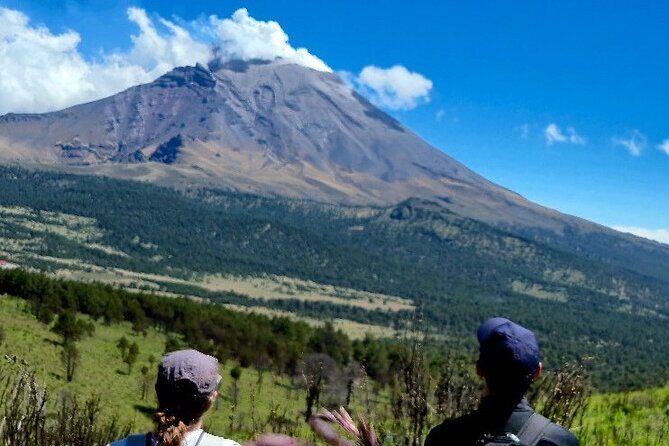
- Popocatépetl views during the ascent, including fumaroles and that towering presence
- Forest-to-volcano terrain change: pines, oaks, oyamels, mountain roses, then alpine scrub and rock
- 15 km total walking (up to 18 km option) with several hydration and food breaks
- Guide-led momentum with stops built in for rest, not just photos
- Optional extension to 4,200 m if you want the extra challenge
Why This Iztaccihuatl Hike Feels Special From the Start
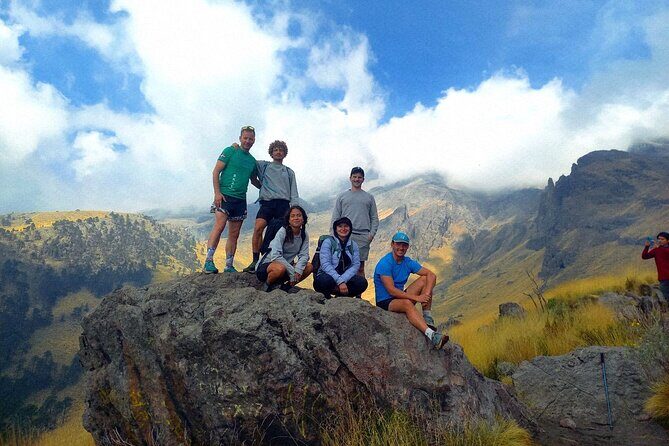
This isn’t a flat stroll that happens to run near a volcano. The whole setup pushes you into the best kind of effort: steady climbing through ecosystems that change with altitude. You start at Paso de Cortés (around 3,500 meters), and the air and footing already feel “different” before you even get the full view of the volcanoes.
What makes it compelling is the mix of nature and perspective. In the forest you’re surrounded by pines, oaks, and oyamels, and you might spot mountain roses and the endemic Teporingo rabbit (Mexico’s small, high-altitude rabbit). Then, as you climb, the terrain gradually gets harsher—alpine scrub first, then rocky and volcanic ground. It’s like watching the mountain’s altitude story unfold in real time.
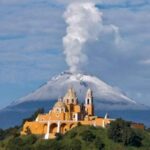
And yes, the volcanoes are the main event. During the ascent you observe Popocatépetl, including fumaroles, which gives you a sense of scale that’s hard to match from a viewpoint. It’s dramatic without needing any theatrics.
You can also read our reviews of more hiking tours in Puebla City
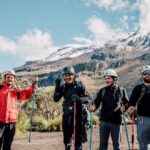
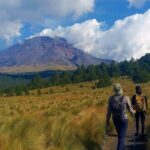
Route at a Glance: Time, Distance, and Elevation Reality
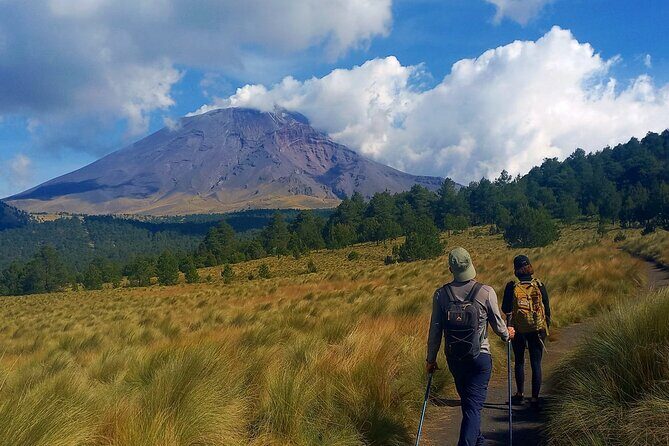
Expect a long day even though the core walking is about 7 hours. The total experience runs about 12 hours end-to-end, largely because you’re doing pickup and travel, plus the built-in technical stops.
Here’s the practical breakdown you should plan around:
- Distance: about 15 km, with an option to extend to 18 km
- Walking time: about 7 hours
- Start elevation: 3,500 m
- End elevation: around 4,000 m (optional up to 4,200 m)
- What changes on the hike: forests → alpine scrub → rocky/volcanic terrain
That last point matters. Going from tree cover to more exposed zones can change how you feel fast—bigger sun exposure, colder air, and different footing. Bring the mindset of a mountain hike, not a city walk.
The Forest Section: Pines, Oyamel, Mountain Roses, and Teporingo Chances
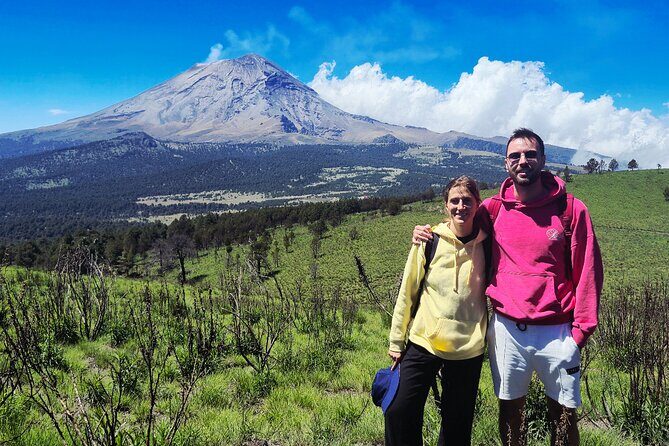
Early on, you’re hiking through a forest zone in the national park with pines, oaks, and oyamels. This is the part I’d bet most people remember fondly because it feels cooler and more “protected” than later stretches.
There’s also a strong wildlife/nature vibe here. The area is known for mountain roses and the Teporingo rabbit (also called teporingo). You likely won’t guarantee a sighting, but knowing it’s part of the ecosystem helps you look more actively—eyes scanning for motion in the brush and lower grasses instead of only watching the trail.
One more reason this section is worth your attention: you’re not just walking through trees. As you ascend, you get big views in the background—famous peaks and ridgelines become visible as the angle opens. The goal becomes double: keep moving, but also lift your head.
Volcanic Views on the Way Up: Pico de Orizaba, Malinche, Sierra Negra
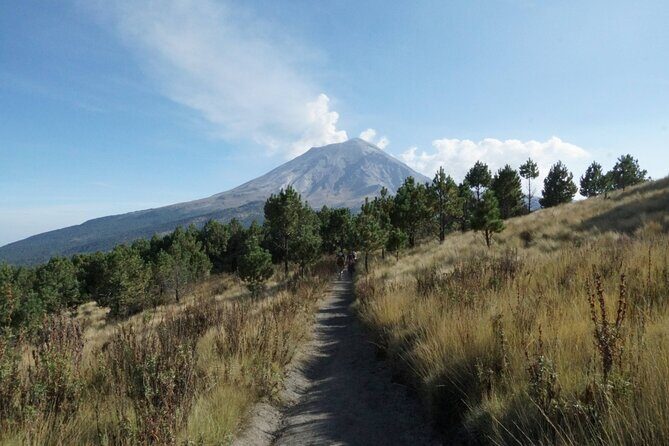
As you climb, your line of sight improves and the view becomes a map of central Mexico’s high peaks. You can see Pico de Orizaba (the highest mountain in Mexico), plus Malinche and Sierra Negra.
This is one of those “nice to have” features that becomes a highlight when you’re tired. When you’re working uphill, a good view break isn’t just scenery—it’s a mental reset. It turns the climb into something you’re measuring in moments, not just minutes.
Also, seeing multiple peaks helps you understand where you are. Even without a bunch of technical jargon, the mountain skyline gives you orientation fast.
Stop 1: Popocatépetl Up Close (Fumaroles Included)
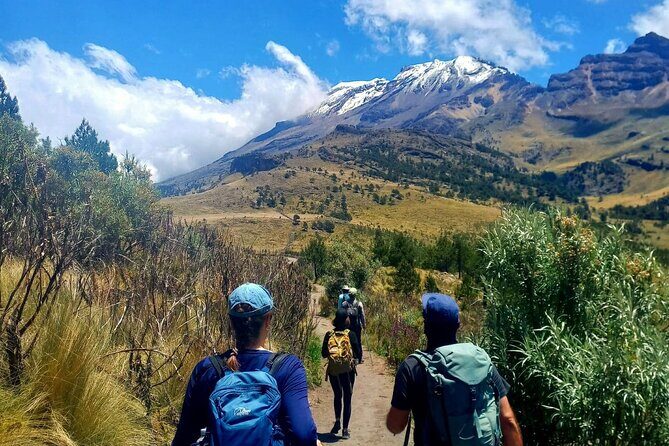
The hike’s first big stop is Popocatépetl. This is where you get that close-up feeling: the active volcano’s presence comes through in a very direct way, including fumaroles.
What I like about this stop is that it’s not just “look from far away.” During the ascent you’re observing it in a way that matches your changing altitude. That makes the volcano feel connected to the hike, not like a separate roadside attraction.
The practical takeaway: plan your time and energy so you can actually enjoy this stop. If you start too fast in the first hour, you’ll reach the best views already spent. Go steady early; the payoff comes later.



Stop 2: Iztaccihuatl and the Change in Terrain
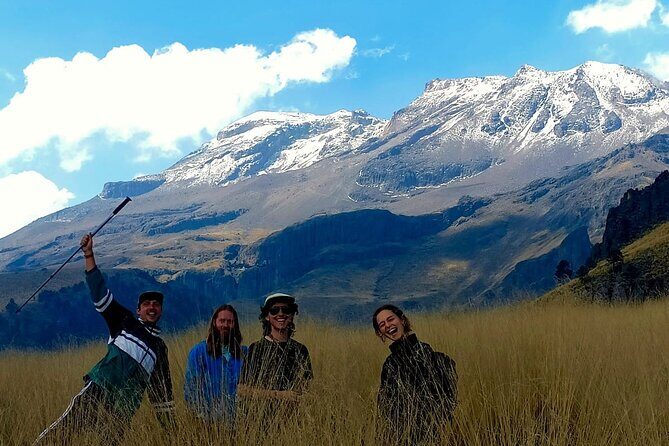
After the Popocatépetl stop, the trail keeps climbing toward Iztaccihuatl. What’s striking is how the route transforms as altitude increases:
- leafy forest gives way to alpine scrub
- then you reach rocky and volcanic terrain
That shift affects your body. Footing becomes less forgiving, and your muscles work differently on uneven rock and exposed slopes. This is where having proper shoes is not optional—it’s your comfort and safety.
The optional altitude extension to 4,200 m is for those who want to push a bit further. If you’re deciding whether to go for it, ask yourself this: are you still feeling strong after the main climb to around 4,000 m? If the answer is yes, the extension can feel like earning a bonus view and extra altitude experience.
Guides Make the Difference: Carlos and Mario’s Pace and Care
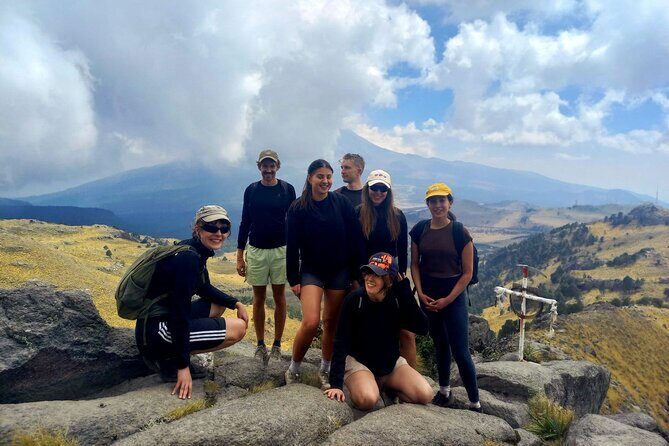
A big theme here is guide quality, and the names Carlos and Mario come up strongly. You want a guide who can keep the hike moving without rushing people. From what I’m seeing reflected in the guide feedback, the standout trait is reliability and considerate pacing.
You’ll also get multiple technical stops. These aren’t “just for pictures.” They’re built for rest, hydration, and to enjoy included foods—snacks, fruits, and energy drinks. That matters at high altitude because energy management is part of the experience.
If you’re the kind of hiker who likes structure (rather than wandering and guessing), this tour style helps. You focus on the trail and the views, and the guide handles timing and the flow.
Included Snacks and Drinks: Small Breaks That Matter at 4,000 m
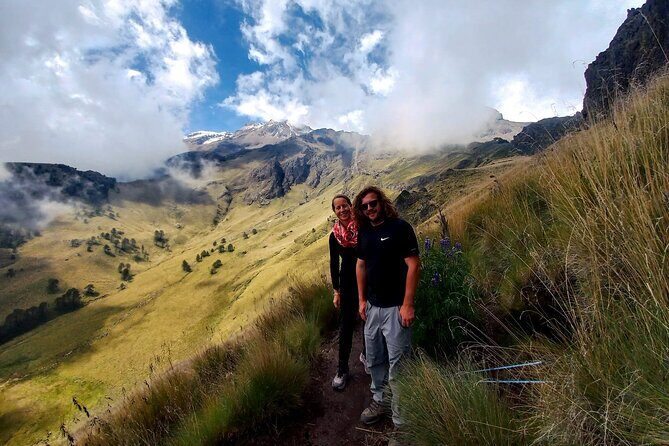
You get included foods during the hike—snacks, fruits, and energy drinks—plus several stops built into the day for resting and hydrating.
At altitude, this isn’t just convenience. It’s how you avoid the classic mistake of thinking you’ll feel fine until you don’t. The trail asks for steady effort, and food breaks keep you from dropping too low on energy.
Practical tip: treat every stop as part of the climb plan. Don’t skip the hydration because you feel okay. Your body can change quickly when you’re above 3,500 m.
What to Wear and Bring for 3,500–4,200 m Hiking
The tour calls for sports clothing and shoes. I’d interpret that as: wear what you’d use for a serious uphill day, not a casual sneaker.
Given you can go up to 4,200 m, layers matter because mountain weather can shift fast. Even if it’s sunny at the start, you may feel colder higher up. Dress for comfort on the uphill and warmth when you pause.
And don’t underestimate the shoes. Rocky volcanic terrain means you want traction and support. If you’ve been meaning to replace worn trail shoes, this is the kind of hike that reminds you why you shouldn’t wait.
Price and Value: Is $119.56 Worth a 12-Hour Volcano Day?
At $119.56 per person, the real question is what you get for the money: not just the hike, but the whole day’s structure.
Here’s the value math that makes sense:
- Pickup across most of Puebla saves time and hassle
- Private tour means your group isn’t competing with strangers for the pace
- English-speaking guide helps you understand what you’re seeing
- Technical stops plus included snacks, fruit, and energy drinks reduce the “extra costs” you’d normally add
- Two major volcano-focused viewing moments (Popocatépetl and Iztaccihuatl)
So yes, it’s not a cheap half-day. But if you want a guided, organized high-altitude hike that starts from your hotel area and feeds you through the climb, the price feels more like paying for reduced friction than paying for a ticket to scenery.
Who This Tour Suits Best (and Who Should Think Twice)
This is a good fit if you:
- want a guided high-altitude hike with built-in breaks
- like volcano views and want to see Popocatépetl during the climb
- enjoy changing terrain—forest, scrub, then rocky volcanic ground
- can handle a long day (about 12 hours total, with 7 hours walking)
It may be harder if you:
- dislike steep uphill trekking at altitude
- need a lot of time to rest and recharge (the schedule includes stops, but it’s still a climb)
- get uncomfortable with cold or exposure at higher elevations
Most travelers can participate, but the optional extension to 4,200 m should be treated as a decision point. If you’re unsure, you can likely keep the main plan and skip the extra altitude.
Should You Book This Iztaccihuatl Volcano Hike?
Book it if you want a guided mountain day that’s more than a single viewpoint. The real win is the combination of active volcano views, a trail that changes ecosystems as you climb, and a pace supported by rest stops and included snacks.
Hold off or choose carefully if altitude is your weak spot. The hike starts high, finishes high, and can go higher. If you can’t comfortably handle 3,500 m hiking, you’ll feel it.
If you’re flexible, in good weather, and ready for a serious walk, this is one of those days that turns a region into a memory.
FAQ
What’s the duration of the hike?
The total experience runs about 12 hours, with around 7 hours of actual walking.
How far do we hike?
You hike about 15 kilometers, with an option to extend to about 18 kilometers.
Where does the hike start?
It begins at Paso de Cortés in Iztaccíhuatl–Popocatépetl National Park.
What elevations should I expect?
You start around 3,500 meters. The hike ends around 4,000 meters, with an optional extension up to about 4,200 meters.
Will I get to see Popocatépetl?
Yes. During the ascent you observe Popocatépetl, including fumaroles.
What’s included during the hike?
The tour includes snacks, fruits, and energy drinks, plus several technical stops for rest and hydration.
Is pickup available from Puebla?
Yes. Pickup covers most of Puebla, including hotels and hostels. You share your accommodation name and/or address when booking.
Is the tour private?
Yes. It’s a private tour/activity, so only your group participates.
What language is the tour offered in?
The tour is offered in English.
What’s the cancellation policy?
You can cancel for a full refund up to 24 hours before the experience starts. If you cancel less than 24 hours before, it isn’t refunded. The tour also requires good weather and may be rescheduled or refunded if it can’t run.