REVIEW · MEXICO CITY
Mexico City: Gay Tales
Book on GetYourGuide →Operated by Mex at Max - Mexico City Tours · Bookable on GetYourGuide
Madero Street has a secret life. This 3.5-hour walk turns Mexico City’s Historic Center into a timeline of LGBTQ+ life, from public cruising culture to the censorship machine and the places it shaped. I like how the tour keeps pointing you back to real buildings and real addresses, not vague ideas.
What I really appreciate is the storytelling. Guide Carlos (when he’s leading) is praised for accurate info and for making the history easy to follow while you’re standing right in front of it. If you enjoy “how did this actually work?” history, this tour gives you that practical angle fast.
One heads-up: expect significant walking in mixed weather, and food or drinks aren’t included, so plan for comfort and a hydration break.
In This Review
- Key things you’ll love on this Mexico City gay history tour
- Madero Street has a secret life
- Price and value: $79 for 3.5 hours with real follow-up
- Getting oriented at the MIDE Museum area (and why it matters)
- Museo del Ejército: where LGBTQ+ stories intersect with authority
- Casa de los Azulejos and Pastelería Ideal: sightseeing that earns its place
- The Borcegui footwear museum: learning through what people wore
- Avenida Francisco I. Madero: the main street as a LGBTQ+ storyline
- La Casa del Pavo and the Palace-of-Countship stop: censorship has fingerprints
- Old National Theatre back door: the hookup story behind the architecture
- Porn cinemas, bath houses, and a former convent entered through a bakery
- How the community moved in the 1950s and why that shift matters
- Banamex Culture Palace and ending at Estanquillo Museum
- Who should book Mexico City: Gay Tales?
- Should you book this tour?
- FAQ
- How long is Mexico City: Gay Tales?
- What does it cost?
- Where do I meet the guide?
- Is the tour in English?
- What’s included in the tour price?
- Are food and drinks included?
- Is this tour suitable for children or mobility impairments?
Key things you’ll love on this Mexico City gay history tour
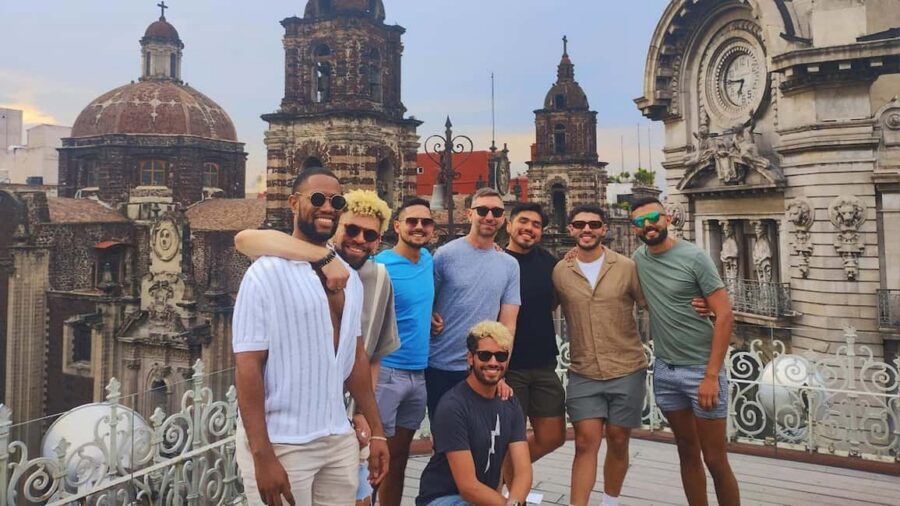
- Madero Street as a living timeline of LGBTQ+ life, not a list of dates
- Stops tied to censorship, “immoral” editions, and the rules that shaped public behavior
- Museum visits that connect material culture to queer milestones, like the footwear tied to Those 41 (1901)
- Easy-to-follow guidance in English, with a guide who explains what you’re seeing
- A finish at the Estanquillo Museum area after you’ve walked the core of the story
Madero Street has a secret life
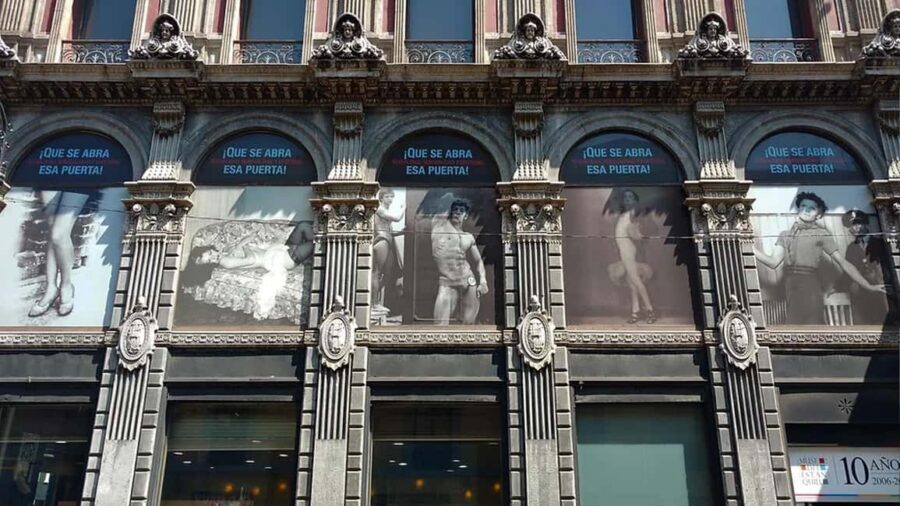
If you’ve only seen Mexico City through standard postcard routes, this tour offers a sharper lens. You’ll walk in the Historic Center area where LGBTQ+ life left marks—sometimes obvious, sometimes hidden in plain sight.
The focus is LGBTQ+ history along Madero Street, with detours to nearby sites that explain how community life shifted over time. The guide’s job is to connect the dots for you, so you’re not just looking at old walls—you’re understanding what happened around them.
And yes, you’ll cover some darker material too, like censorship and persecution. The goal isn’t shock. It’s context: how people survived, met, and built community in the face of pressure.
You can also read our reviews of more city tours in Mexico City
Price and value: $79 for 3.5 hours with real follow-up
At $79 per person for about 3.5 hours, this is a solid value if you want more than a casual stroll. You’re paying for a live guide, a walking route through major landmarks, and a structured way to understand what you’re seeing.
What adds real value is the digital side: you get a digital LGBTQ-focused map plus a collection of videos, sources, and resources you can use afterward. That matters because you’ll likely want to revisit a few names, buildings, and themes once you’re back in your hotel.
Also, you’re not buying an all-you-can-eat cultural experience. Food and drinks aren’t included, so you should budget for a drink/snack stop on your own if you need one.
Getting oriented at the MIDE Museum area (and why it matters)
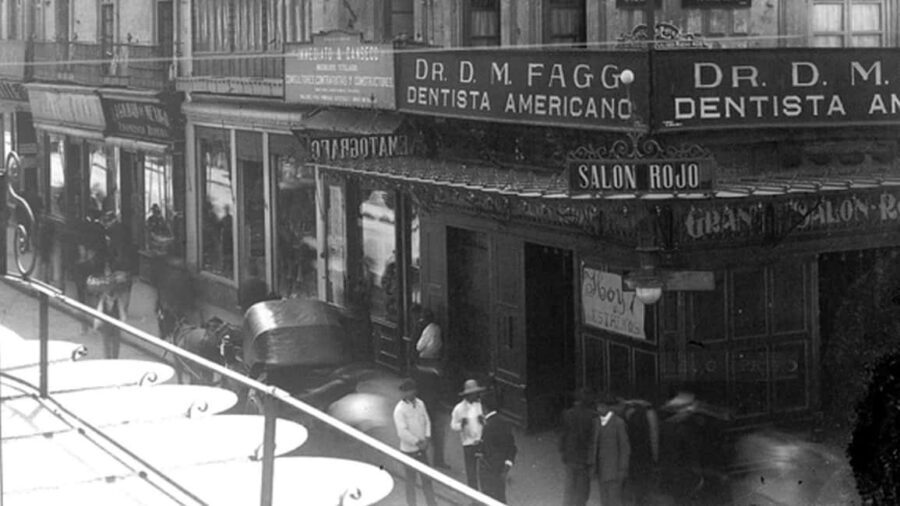
Your meet-up is outside the main entrance to the MIDE Museum, curbside. It’s about one block from Allende Metro station, which makes it easy to anchor your day.
Why this matters: the tour stays concentrated in the Historic Center zone. You won’t be commuting across town for niche stories. You’re starting where you can actually walk the city core and learn as you go.
Bring comfortable shoes. This is a walking tour with a significant amount of movement. Also bring sunscreen, a sun hat, and sunglasses—weather in the center can change fast, and you’ll spend long stretches outside.
Museo del Ejército: where LGBTQ+ stories intersect with authority
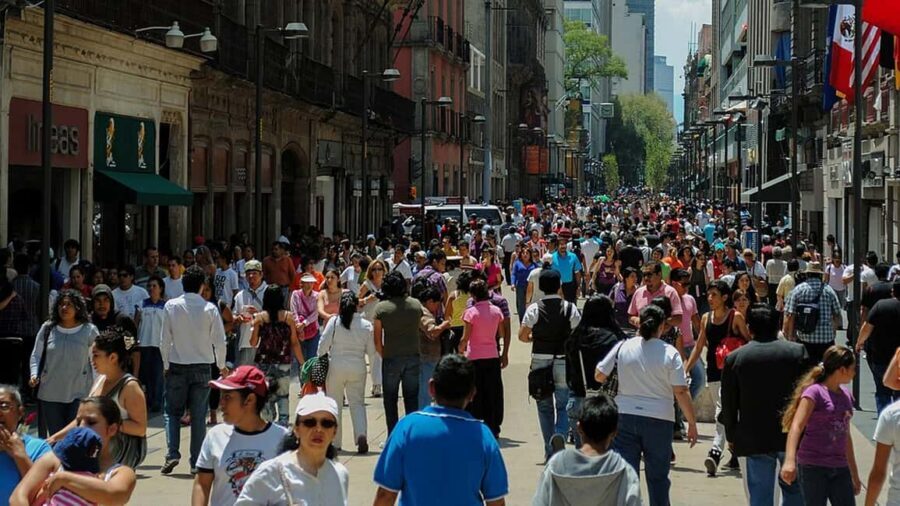
The first stop is Museo del Ejército y Fuerza Aérea Mexicanos, located in the former Ex-Capilla de Bethlemitas. You’ll have time for photos and a guided visit.
This is a smart opening because the tour doesn’t treat LGBTQ+ history as separate from mainstream institutions. Instead, it shows how LGBTQ+ people lived near power structures—and how those structures responded.
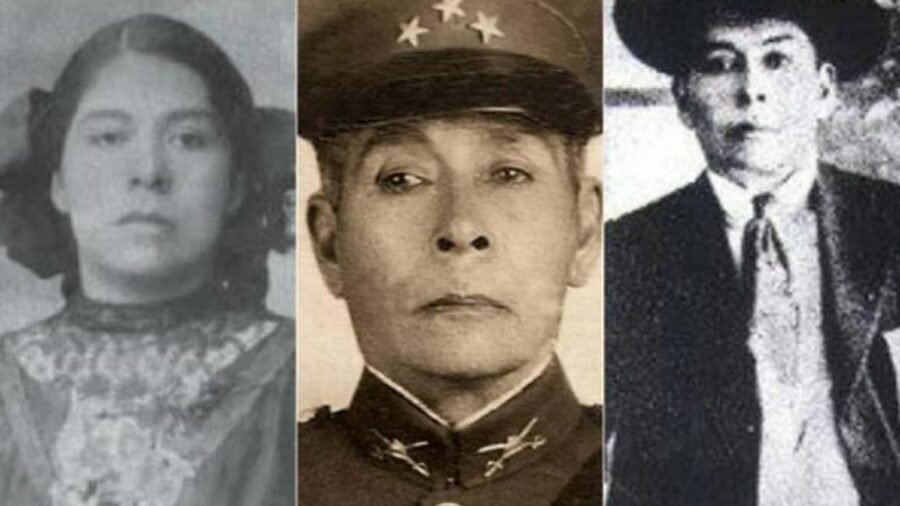
One of the key stories linked to the former military academy (now a museum) is the account of a first trans man who was unexpectedly recognized as a colonel by the army. The point isn’t just the headline. It’s what it reveals about identity, recognition, and the weird ways official history can record people.
If you like history that explains systems, you’ll enjoy starting here. It sets up the tour’s bigger theme: how rules, censorship, and public spaces shaped queer life.
Casa de los Azulejos and Pastelería Ideal: sightseeing that earns its place
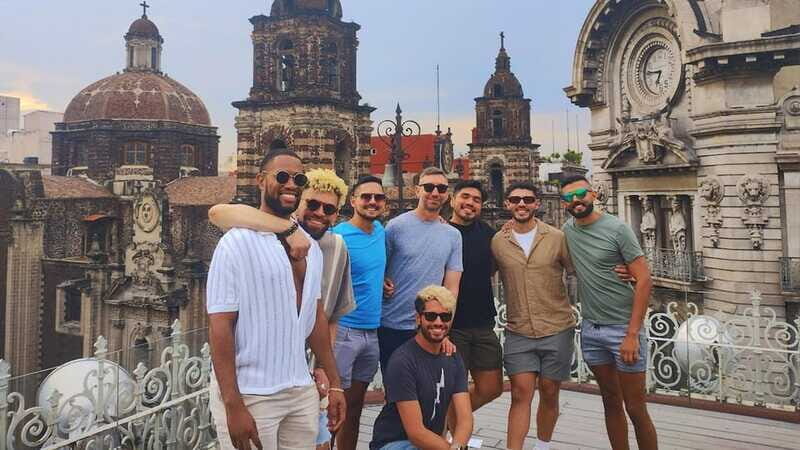
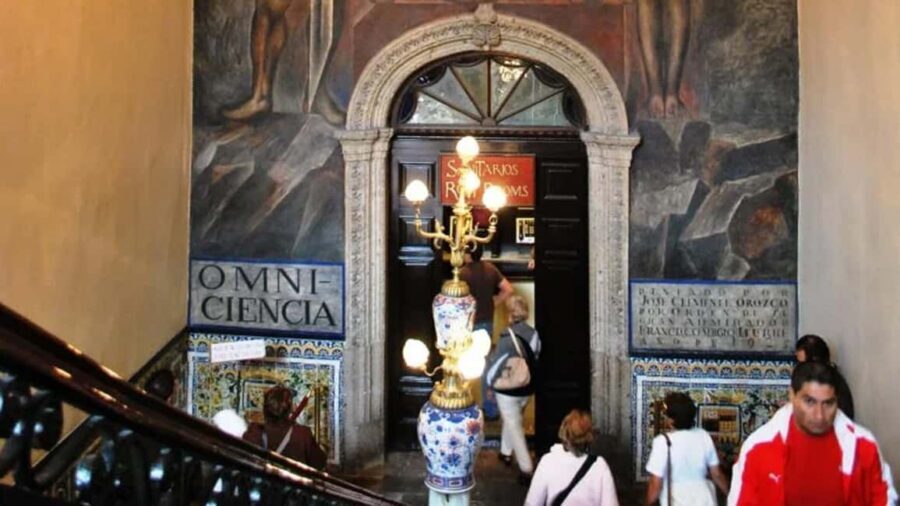
Next, you’ll pass through classic Central Mexico City landmarks, starting with Casa de los Azulejos. You’ll do a photo stop plus guided time.
Then it’s Pastelería Ideal, again with photo and guided visit time. These stops might look like pure sightseeing on first glance—pretty streets, iconic facades, a place you’d normally visit for atmosphere.
But on this tour, they’re part of a larger walk through the city’s social fabric. Your guide uses these spots to ground the story in the physical city: where people moved, where crowds formed, and how the Historic Center kept functioning as a meeting zone over decades.
If you’re the type who enjoys learning why a location matters beyond its Instagram value, this route will feel satisfying.
You can also read our reviews of more tours and experiences in Mexico City

The Borcegui footwear museum: learning through what people wore
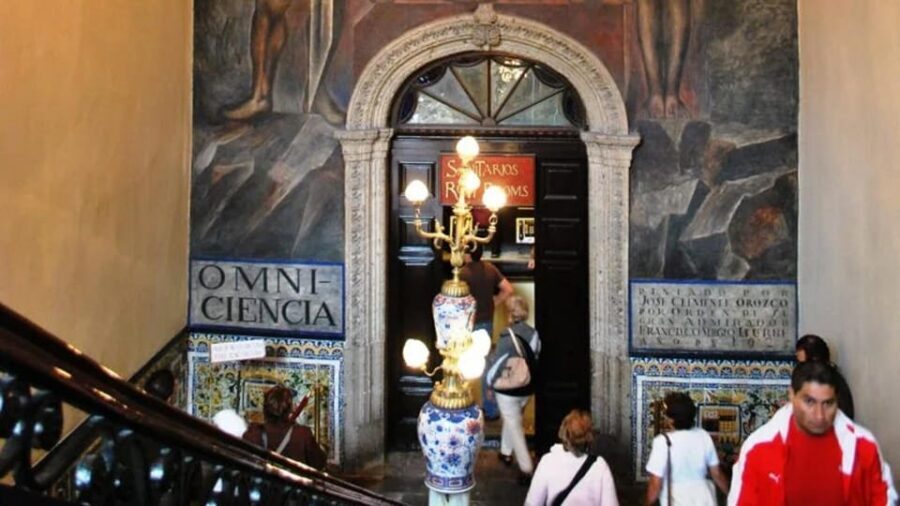
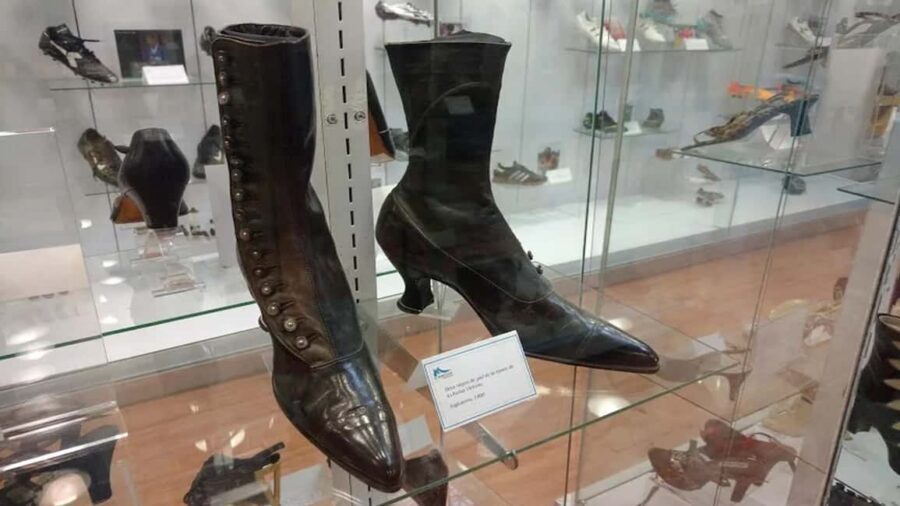
One of the most memorable stops is the Footwear Museum The Borcegui. You’ll spend time there with guided context.
This is where the tour connects clothing to a specific queer event: you’ll see replicas of high-heel shoes worn at the famous cross-dressing ball of Those 41 in 1901. It’s an instant reminder that gender play has deep roots here—and that performance culture has always had consequences.
Why this matters: material culture (like shoes) is a language. It helps you understand how identity, presentation, and public life collided—especially in a time when people’s bodies and clothing were easy targets.
If you want your history to feel tangible, this stop delivers.
Avenida Francisco I. Madero: the main street as a LGBTQ+ storyline
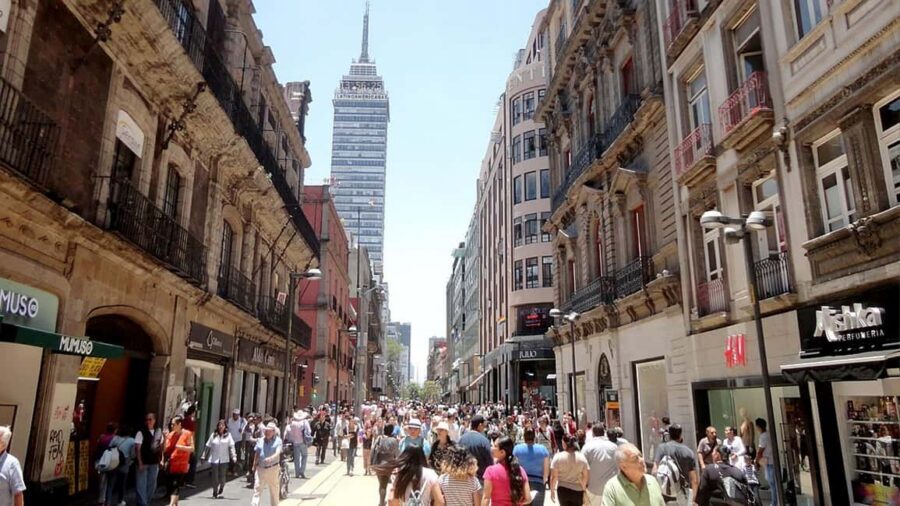
The tour then leans hard into Avenida Francisco I. Madero, one of the Historic Center’s most iconic thoroughfares. This segment is where the tour turns from “places you see” into “stories you follow.”
Along this stretch, you’ll learn about LGBTQ+ community activities across the 19th and 20th centuries, including references like the cruising culture known as the cruising lizards.
You’ll also encounter the city’s darker underlayers: the guide points you to places tied to the earliest pornographic cinema, early bath house culture, and Dr. Fagg’s office. You’ll hear how these spaces created a kind of street-level geography for meeting and recognition.
And you’ll learn something important about interpretation: your guide talks about how monuments and sites were read by queer men around the turn of the 20th century. That’s a key skill for you as a visitor. Once you learn to read the city this way, you start noticing patterns everywhere—doorways, entrances, where crowds formed, and why certain streets mattered.
La Casa del Pavo and the Palace-of-Countship stop: censorship has fingerprints
Next comes La Casa del Pavo, with photo stop and guided time. Right after that area, the tour addresses a recurring theme in the city’s LGBTQ+ story: censorship.
You’ll hear about the main office of censorship against immoral editions—and how that pressure helped create the conditions for underground community life and separate public identities.
The tour also describes the Palace of the Countship as a jewel in its own right, including a very specific detail that makes this stop memorable: it’s said to host some of the most talked-about restrooms in town, popularized nationwide by a store chain. It’s a quirky anecdote, but it also signals something real—where people went, how privacy was negotiated, and how public buildings could become “community infrastructure.”
If you’re used to thinking of censorship as only paperwork, this segment helps you see it as a lived reality with knock-on effects on spaces, routines, and meeting places.
Old National Theatre back door: the hookup story behind the architecture
Another strong moment comes when you visit a backstage door site of the Old National Theatre. The guide ties it to a specific kind of meeting: gay men hooking up in a bar connected to the theatre orbit, leading to what’s described as the biggest LGBTQ+ community presence in the country.
This isn’t just gossip energy. It’s a reminder that culture venues weren’t isolated from private life. In this city, entertainment and social life could overlap in very direct ways.
And it makes a difference for you as a reader of the streets. When you see a theatre building again later, you won’t just think show times. You’ll think thresholds, entrances, and where people could disappear long enough to connect.
Porn cinemas, bath houses, and a former convent entered through a bakery
As you keep walking, the tour references a sequence of places and patterns: the first bath house, the first porn cinema, and the presence of gay cinemas that were still operating at least into the later modern period.
Then comes a particularly cinematic-sounding stop: you’ll enter a former convent, and the way in is described as going through a bakery. Inside, you’ll learn about the life of the favorite seminarist of the Inquisidor-in-Chief.
That combination—religious power structures, food commerce, and LGBTQ+ coded movement—might feel like a strange set of associations. But that’s exactly why this kind of tour is worth your time. It shows you how the city uses reused spaces. Buildings change roles; people keep needing places to meet.
How the community moved in the 1950s and why that shift matters
The walk also includes the idea of movement over time. You’ll learn about why and where the community shifted in the 1950s, using city infrastructure clues along the way.
One example mentioned is the Pools’ Circuit Trolley area, connected to bath houses and pools circuit culture. You’ll also hear about places that kept working as informal hubs even after laws, morality campaigns, and public pressure changed the rules of the game.
This is one of the tour’s best takeaways for you: LGBTQ+ history isn’t only about events like trials or headline arrests. It’s also about the daily math of location—where you can move, where you can rest, where you can find privacy, and where transit takes you next.
Banamex Culture Palace and ending at Estanquillo Museum
As the tour continues, you’ll spend guided time at the Banamex Culture Palace, with time for photos and learning. This is another moment where you’re meant to connect the city’s polished cultural surface with the stories that ran underneath it.
Finally, you’ll finish at the Estanquillo Museum. You’ll have walked the core of the story’s Historic Center thread, so the ending feels like a natural landing point.
If you want a smart follow-on, plan a little extra time after the tour to read and browse on your own. The guide gives you names and themes; the museum time helps you turn those themes into something you can keep in your head.
Who should book Mexico City: Gay Tales?
Book this if you want:
- LGBTQ+ history tied to specific places you can point to later
- A walking route with a guide who tells stories in a way you can actually follow
- Context that links culture, censorship, and everyday meeting spots
It’s also a good fit if you like your history not just about identity, but about how communities functioned—where people went and why.
Avoid it if:
- You have mobility challenges and can’t handle sustained walking
- You’re traveling with children under 18, since it’s not suitable for them
Should you book this tour?
I’d book it if you’re the kind of visitor who enjoys walking into a place and realizing you’re standing on top of a story you never learned in school. The route stays focused on the Historic Center and on Madero Street, and the guide-led storytelling is the main reason this feels worth the money.
Two things make it an easy yes. First, you get guided context plus a digital map and resources after the walk. Second, the tour blends big themes—censorship, public/private space—with concrete details like the Those 41 footwear replicas and specific sites tied to early cinemas and bath house culture.
If you’re looking for a short, simple sightseeing lap, this won’t be that. If you want a walking tour that makes the city feel legible through LGBTQ+ history, Mexico City: Gay Tales is a strong pick.
FAQ
How long is Mexico City: Gay Tales?
It lasts about 3.5 hours.
What does it cost?
The price is $79 per person.
Where do I meet the guide?
Meet outside the main entrance to the MIDE Museum, curbside. It’s about one block from Allende Metro station in the Historic Center.
Is the tour in English?
Yes, the live tour guide speaks English.
What’s included in the tour price?
You get a walking tour with a guide, a digital LGBTQ-focused map of the Historic Center, and a collection of videos, sources, and resources to enjoy after the experience.
Are food and drinks included?
No. Food and drinks are not included.
Is this tour suitable for children or mobility impairments?
No. It isn’t suitable for people with mobility impairments, and it’s not for children under 18.