REVIEW · PUEBLA CITY
Town walking tour of the city
Book on Viator →Operated by Viajes Caravan · Bookable on Viator
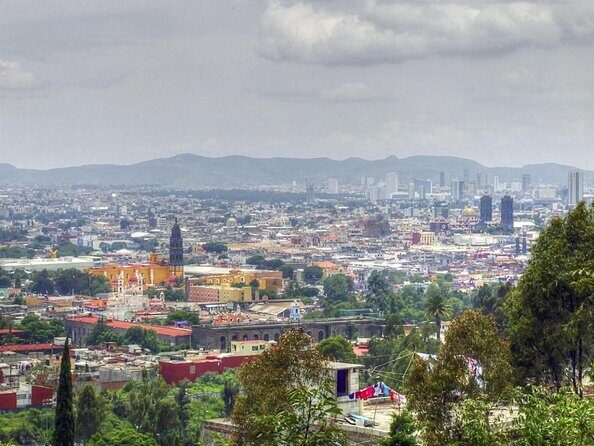
Puebla is one of those cities where a good walk turns into a crash course. This 2–3 hour route strings together the places you’ll hear about immediately, from the Zócalo to Puebla’s famous toad alley and the sweet stops on Calle de los Dulces.
I especially like how the guide-led pacing keeps things focused without feeling rushed. And I’m also a fan of the English-speaking guides—people like Josue, Renato, and Bere show up in the kinds of stories you’ll want, with strong history and folklore, plus real-life tips like where to eat mole poblano and churros.
One thing to consider: part of the route is built around sights where admission isn’t included, so you may want a little extra cash for the library and museum options depending on your interests.
In This Review
- Key highlights worth your attention
- Why this 2–3 hour Puebla walk is ideal for first-timers
- Getting oriented at Zócalo de Puebla (and why it matters)
- Puebla Cathedral: a quick exterior-and-inside rhythm
- Biblioteca Palafoxiana: what to do if the library pulls you in
- Callejón de los Sapos: folklore you can walk through
- Puente de Ovando and the old neighborhood feel in Analco
- Barrio del Artista: a short look with real street character
- Casa de los Hermanos Serdán: Revolution context, with optional admission
- Calle de los Dulces: a guided candy tasting break
- Mercado El Parían: crafts, shopping sense, and local texture
- Comfort tips so the walk feels easy, not tiring
- Should you book this Puebla city walking tour?
- FAQ
- How long is the Puebla city walking tour?
- What is the price per person?
- Is the tour in English?
- What’s included in the tour price?
- Are entrance fees included for every stop?
- Where does the tour start and end?
- How big are the groups?
- Do I need to print a ticket?
- What happens if the weather is bad?
- When will I get confirmation after booking?
Key highlights worth your attention
- Short, smart stops that build a clear picture of Puebla’s story without dragging.
- Guide quality and English level, with names you might meet like Josue, Renato, and Bere.
- Folklore touches like Callejón de los Sapos, which makes the walking route feel more human.
- Candy street time on Calle de los Dulces, where you get a guided tasting break.
- El Parían market visit, a practical way to see local crafts and souvenirs in one place.
- Flexible choice of indoor stops, since the Biblioteca Palafoxiana and Casa de los Hermanos Serdán admissions are not included.
Why this 2–3 hour Puebla walk is ideal for first-timers
If it’s your first time in Puebla, you want two things: an easy start and a route that helps you understand what you’re looking at. This tour does that by keeping the walk tight and the explanations clear. You’ll cover the historic core in about 2 to 3 hours, so it fits neatly into an afternoon or a morning before you branch out to churches, markets, and neighborhoods on your own.
For value, I like that the price includes a local guide and hits the main landmarks, not just a generic “street scenery” stroll. At $48 per person, it’s not a bargain tour, but it’s also not priced like a luxury experience. Given the number of stops—major squares, religious landmarks, a famous alley, a bridge area neighborhood, plus candy and a craft market—you’re buying time-saved context and direction.
Group size also matters for comfort. This runs with a maximum of 100 travelers, and the route is near public transportation, which makes it easier to get there and easy to plan around.
And here’s a small detail I appreciate: the tour uses a mobile ticket. Less fumbling with paper on crowded sidewalks.
You can also read our reviews of more walking tours in Puebla City
Getting oriented at Zócalo de Puebla (and why it matters)
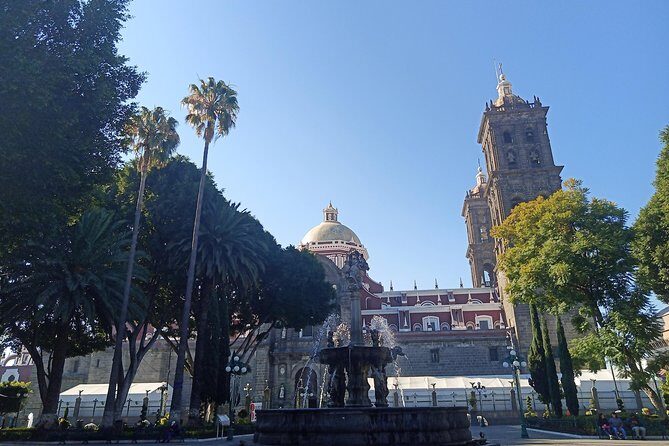
The walk begins at the Zócalo de Puebla, where the guide sets the stage with the story behind the city’s founding and the name Puebla de los Angeles. This is one of those spots where the architecture and layout can feel impressive, but the history can still be confusing unless someone connects the dots.
You’ll get about 15 minutes here, which is enough to understand the “why” without turning it into a lecture. The payoff is that, later, when you see other landmarks and street patterns, you’ll start noticing how Puebla’s identity shows up in the design.
Practical note: Zócalos can be busy. If you’re sensitive to crowds, go slow here. Let the guide talk, then take a couple minutes on your own to look at the details once you know what to look for.
Puebla Cathedral: a quick exterior-and-inside rhythm
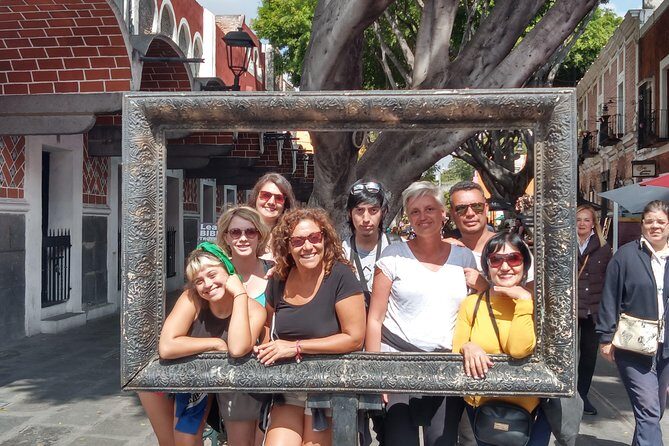
Next up is the Puebla Cathedral, with a short 10-minute tour. For many visitors, a cathedral can be either overwhelming or oddly under-explained. This stop hits the sweet spot: you’ll see the cathedral as a centerpiece, and you’ll get the kind of background that helps you recognize the symbolism rather than just the stone.
Because the time is brief, don’t expect a long sit-down worship visit. Instead, think of it as a guided orientation. If you want more time later, this tour helps you decide what deserves a deeper look.
Biblioteca Palafoxiana: what to do if the library pulls you in
The Biblioteca Palafoxiana is a highlight if you like history that’s more than monuments. You’ll spend around 20 minutes, and importantly, admission isn’t included.
That means you have a choice: treat it as a quick, guided entry, or plan to pay and go longer if it grabs you. The biggest value here is contrast. After the big open spaces and church architecture, a library stop shifts the focus to knowledge, preservation, and the intellectual life of the city.
If you enjoy museums and indoor collections, this is a good one to prioritize. If you prefer more time outdoors, you can still get something from the guided portion, then decide later.
Callejón de los Sapos: folklore you can walk through
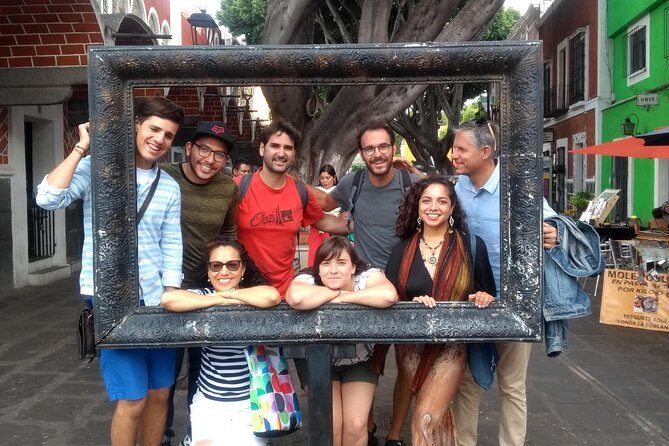
Then you’ll head to Callejón de los Sapos—the Toad Alley—with about 10 minutes on the walk-through. This is one of Puebla’s famous legends turned into a street detail you can experience at human scale.
I like this kind of stop because it’s memorable. It takes something odd and playful and gives it context. Once you know the story, the alley stops being a photo spot and becomes a little piece of living folklore.
Keep your camera handy, but don’t rush. Let your guide explain what’s behind the imagery, then take photos after.
You can also read our reviews of more city tours in Puebla City

Puente de Ovando and the old neighborhood feel in Analco

At Puente de Ovando, the guide connects you to the older neighborhoods of the city and the legend tied to this bridge area in Analco. You’ll have about 20 minutes, which is a comfortable length for a mixed stop: some walking, some explanation, and a chance to look around at the neighborhood texture.
This is where the city starts to feel less like a list of landmarks and more like a place where people have lived, worked, and told stories for a long time. Even if you’re not a “bridge legend” person, the neighborhood context makes the whole route feel more grounded.
Barrio del Artista: a short look with real street character
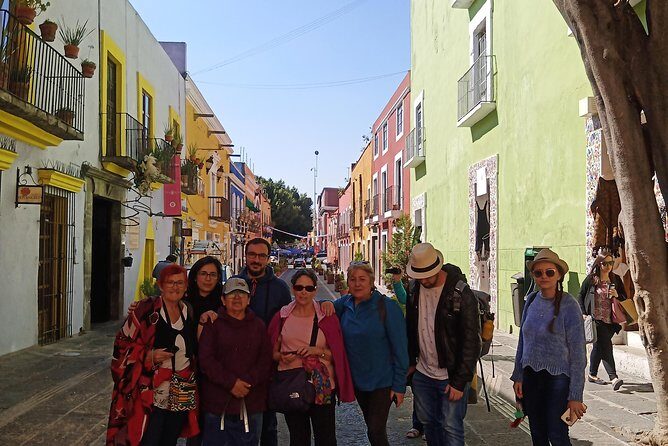
After that, you’ll pass through the Barrio del Artista for around 10 minutes. This is a quick hit, so think of it as a visual palette cleanser: street-level creativity, art-forward corners, and a neighborhood mood that breaks up the heavier stops.
Because time is short, the guide’s role is key here. You’ll get enough direction to understand what you’re seeing and why the area has that artist reputation, without turning it into a long detour.
Casa de los Hermanos Serdán: Revolution context, with optional admission
The route then turns to Museo Regional de la Revolución Mexicana Casa de los Hermanos Serdán. You’ll spend about 10 minutes on explanation, and admission isn’t included.
This stop is especially useful if you want a “map in your head” for Mexico’s Revolution. A quick, guided orientation helps you place what you see later on a bigger timeline. If you’re the type who loves reading placards and seeing objects, you may want to pay and extend the visit on your own time.
I find this approach smart: you get the context from the guide, then you choose how deep to go based on your energy.
Calle de los Dulces: a guided candy tasting break
One of the most enjoyable segments is La Calle de los Dulces, with about 20 minutes. This is the classic Puebla candy street on Santa Clara Street, and it includes a candy tasting.
Here’s why it’s worth building into the route: it’s not just sugar, it’s a break that keeps the tour human. Walking for hours can make every stop feel like another checkbox. A tasting moment resets your pace and gives you something fun to remember when the history starts to blur.
If you’re picky about sweets, you’ll still get the context of the place. And if you do like candy, this is the part you’ll probably talk about later.
Mercado El Parían: crafts, shopping sense, and local texture
The final major stop is Mercado El Parían, with about 20 minutes for a handicraft market visit. Admission is free for the tour stop itself, and you’re getting a guided orientation to how the market works.
I like ending (or nearly ending) here because the market is where you turn knowledge into souvenirs. It’s also practical. If you want small gifts, Puebla crafts are the kind you can actually spot and evaluate quickly: quality of materials, how items are made, and what feels local.
Because the time is limited, don’t expect a slow browse. Expect a guided walk-through and enough shopping time to grab a couple items if you want them.
Comfort tips so the walk feels easy, not tiring
This is a walking tour through Centro histórico, so plan for cobblestones and steady foot traffic. A few things make a big difference:
- Wear comfortable shoes, because you’ll be on streets for the full 2 to 3 hours.
- Bring water, especially if you do the cathedral and library visits back-to-back.
- Keep a flexible mindset about indoor stops. The Biblioteca Palafoxiana and Casa de los Hermanos Serdán have admissions not included, so your spending can vary.
Weather matters too. The experience requires good weather. If it’s canceled due to poor weather, you’ll be offered a different date or a full refund.
Language note: the tour is offered in English, and the vibe from past guides in this route is that they adjust well when questions come up. If you like to ask follow-ups, this kind of guide-led format is usually a good match.
Should you book this Puebla city walking tour?
I think this is a smart booking if you want your first taste of Puebla’s center without getting lost or missing the stories behind the big names. The best part is the balance: major landmarks plus smaller legend-driven details like Callejón de los Sapos, then a fun break on candy street, and a practical market ending.
You might skip it (or expect a lighter experience) if you already know the history and only want museum time, because the indoor stops with extra admissions are explained briefly rather than done at full depth. But if you want a guided roadmap for your day in Puebla, this tour offers solid value for the time you spend.
If you book, I’d suggest showing up ready to walk, wearing good shoes, and coming with a short list of interests. Guides like Josue and Renato are the type who can make the route feel personal, especially when you ask questions about architecture, folklore, or what to eat after.
FAQ
How long is the Puebla city walking tour?
It runs about 2 to 3 hours.
What is the price per person?
The price is $48.00 per person.
Is the tour in English?
Yes, the tour is offered in English.
What’s included in the tour price?
The tour includes a local guide.
Are entrance fees included for every stop?
No. Admission is not included for the Biblioteca Palafoxiana and the Museo Regional de la Revolución Mexicana Casa de los Hermanos Serdán. Other stops listed are free.
Where does the tour start and end?
It starts at Unnamed Road, Centro histórico de Puebla, 72000 Heroica Puebla de Zaragoza, Pue., Mexico and ends back at the meeting point.
How big are the groups?
There is a maximum of 100 travelers.
Do I need to print a ticket?
No. It uses a mobile ticket.
What happens if the weather is bad?
The experience requires good weather. If it’s canceled due to poor weather, you’ll be offered a different date or a full refund.
When will I get confirmation after booking?
Confirmation is received at the time of booking.