REVIEW · PUEBLA CITY
Puebla City Walking Tour – Including a fun Crossword challenge
Book on Viator →Operated by Tip Tours & DMC · Bookable on Viator
Puebla is a city that rewards slow walking. This 3-hour route gives you the big landmarks plus the smaller streets that explain how the place works. You’ll move through the UNESCO center with a local guide, then test what you notice with a crossword challenge.
I especially like the practical pacing. You hit major stops like the Puebla Cathedral and the Zócalo, then balance it with shopping lanes such as Callejón de los Sapos and Mercado el Parián.
One thing to plan for: the Capilla del Rosario / Templo de Santo Domingo stop may require an extra admission fee. Also, if you go heavy on the sweets early, you might feel a bit full by the end.
In This Review
- Key highlights to look for
- UNESCO Puebla on Foot: Getting Oriented Fast
- Price and Timing: Is $48.72 Worth 3 Hours?
- Meeting Point and Flow: From Av. Don Juan de Palafox y Mendoza
- Biblioteca Palafoxiana: The Included Culture Stop
- Stop 1: Calle de los Dulces (The Street of Candies)
- Stop 2: Callejón de los Sapos (Antiques and Colonial Corners)
- Stop 3: Puebla Cathedral (Where the City’s Big Faith Shows Up)
- Stop 4: Zócalo de Puebla (Puebla’s Heart in One Square)
- Stop 5: Capilla del Rosario and Templo de Santo Domingo (Expect an Extra Admission)
- Stop 6: Mercado el Parían (Talavera, Textiles, and Craft Shopping)
- Tip Tours & DMC: Staying On Track Without Feeling Rushed
- The Crossword Challenge: Learning Puebla the Fun Way
- What You’ll Learn From the Route (Beyond the Photos)
- Who This Tour Fits Best
- Should You Book This Puebla City Walking Tour?
- FAQ
- How long is the Puebla City Walking Tour?
- What is the price per person?
- What time does the tour start, and where does it meet?
- Is mobile ticketing used?
- What’s included in the ticket price?
- Is admission included for the Capilla del Rosario?
- How big is the group?
- Are kids allowed?
- What should I wear or bring?
Key highlights to look for
- Small group feel (max 10 people), so questions don’t get lost in the crowd
- UNESCO World Heritage orientation on foot, built for first-timers
- Street of Candies shopping plus a fun crossword game to keep you paying attention
- Catedral + Zócalo views that help you understand Puebla’s layout quickly
- Mercado el Parián for talavera, textiles, and craft souvenirs like onyx pieces
- Biblioteca Palafoxiana admission included, a great culture win without extra planning
UNESCO Puebla on Foot: Getting Oriented Fast
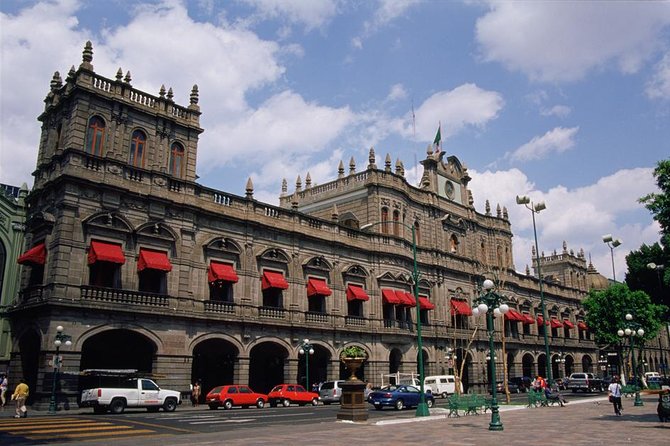
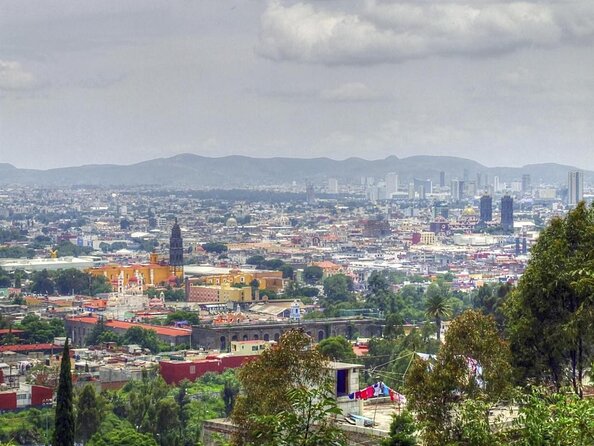
Puebla’s historic center can feel like a maze at first. The beauty is also the challenge: there are churches, plazas, and craft streets layered on top of each other, and it’s not always obvious what to see first. This tour solves that with a logical walking loop that hits the landmarks and the shopping streets in a sensible order.
I like that the route isn’t only about postcard views. You also get the streets that local shoppers use, especially the candy area and the artisan market zone. That means you leave with more than photos. You leave with a mental map.
You can also read our reviews of more tours and experiences in Puebla City.
Price and Timing: Is $48.72 Worth 3 Hours?
The price is $48.72 per person for about 3 hours. That sounds like a chunk, but you’re paying for two things that matter in Puebla: a guide to connect the dots, and included entry to Biblioteca Palafoxiana. When a tour bundles one paid cultural stop and keeps the rest free to explore, the math usually works out well.
Timing helps too. A 10:00am start lets you see the main sights in daylight without spending your whole day in transit. And because it’s walk-based, you avoid the hassle of transfers and you get to feel the city’s pace directly.
One practical note: this is not a hotel pickup. You’ll want to get yourself to the meeting point near the historic center on your own.
Meeting Point and Flow: From Av. Don Juan de Palafox y Mendoza
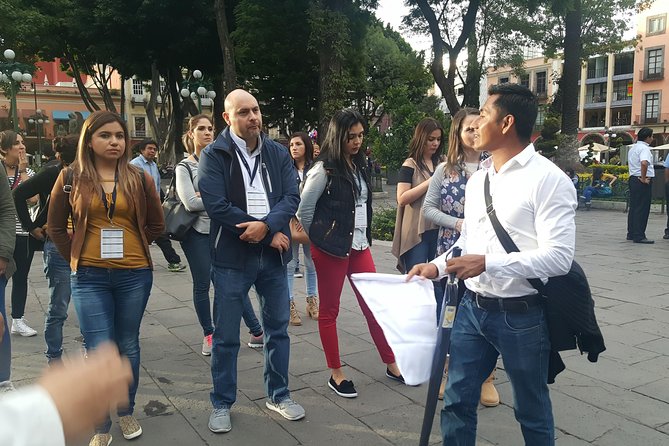
You’ll meet at Av. Don Juan de Palafox y Mendoza 14, in the Centro histórico area. The tour starts at 10:00am and ends back at the meeting spot, so you’re not left wondering how to get home when you’re done sightseeing.
This is a good setup if you’re trying to stay efficient. You can also plan the rest of your day right away—lunch, a museum detour, or a second walk to explore streets you liked most. Plus, since the company is based in the city center, you’re close to the places you’ll actually want to revisit.
Biblioteca Palafoxiana: The Included Culture Stop
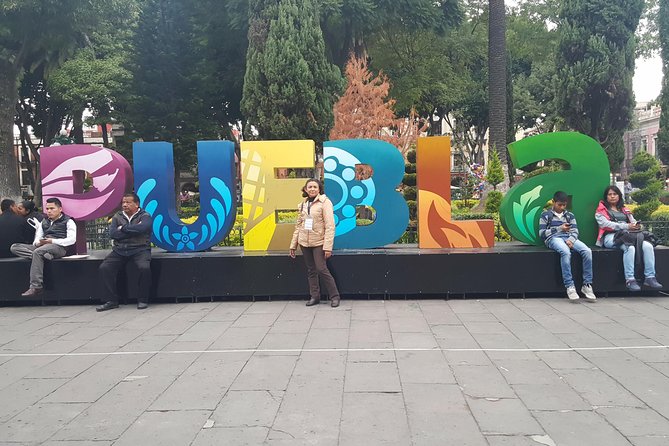
Your ticket includes admission to Biblioteca Palafoxiana. Even if you’re not the type who geeks out over libraries, this is one of those stops that makes Puebla feel special fast. Libraries are quiet, yes, but they also show how the city collected knowledge and identity over time.
Because admission is included, you don’t need to hunt for tickets or figure out timing yourself. Your guide’s job is to get you through the visit smoothly and keep the rest of the walking route on schedule.
Stop 1: Calle de los Dulces (The Street of Candies)
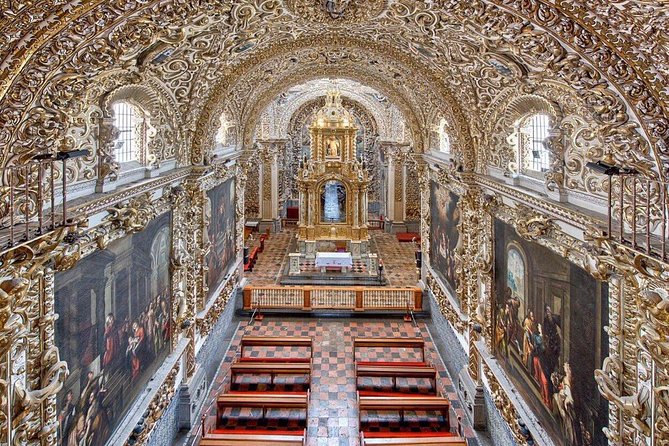
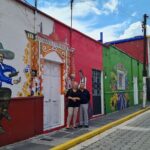
Calle de los Dulces is where you’ll find concentration—shops and makers focused on Puebla’s classic sweets. This lane is famous for candy flavors and variety that have been shaped over long periods, and the streetscape is built for people who want to compare, sample, and ask questions.
What I like here is the easy entry. You don’t need to know Spanish perfectly to enjoy the browsing—labels, displays, and the overall vibe do most of the work. If you want gifts to bring home, this is the start of your shopping plan.
Possible drawback: candy shops encourage impulse buys. If you know you’ll also want to pick up talavera and crafts later, keep your spending controlled early. It’s easy to overspend because everything looks giftable.




Stop 2: Callejón de los Sapos (Antiques and Colonial Corners)
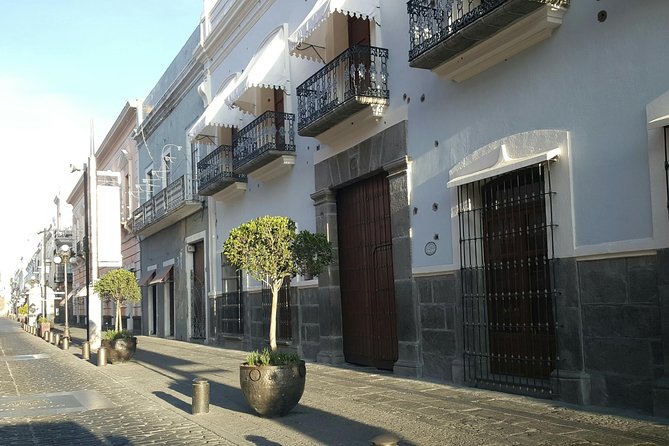
Next comes Callejón de los Sapos, a zone where you’ll see antique shops and colonial-era buildings. This stop has a different feel than the candy street. It’s slower, more browsing-focused, and more about architecture details and small finds.
If you like walking into a street and letting it set a mood, this is a nice shift. The alley gives you textures you may miss when you only stick to major plazas.
One consideration: antiquing can take time. If you’re the type who only wants photos and doesn’t want to stop at every shop, tell your guide you’d like a quick overview so you don’t get stuck. The tour pacing is designed to keep things moving, but your preferences matter.
Stop 3: Puebla Cathedral (Where the City’s Big Faith Shows Up)
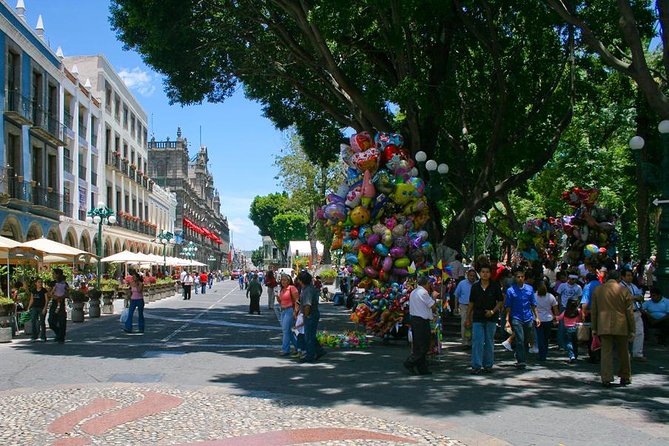
The Catedral Basílica de Puebla is a central stop for a reason. You’re seeing one of the most important pieces of the city’s religious and civic identity—the kind of landmark that also helps you understand why the surrounding plazas matter.
Even if you’ve seen grand cathedrals before, Puebla’s presence is strong because it anchors the whole area. It’s also a great point for photos that make sense later; after you see the cathedral and then step into the Zócalo area, the geography clicks.
Time is limited here, so don’t try to absorb everything at once. Pick one focus—facade details, tower lines, or the broader square perspective—and let the guide point out what to notice.
Stop 4: Zócalo de Puebla (Puebla’s Heart in One Square)
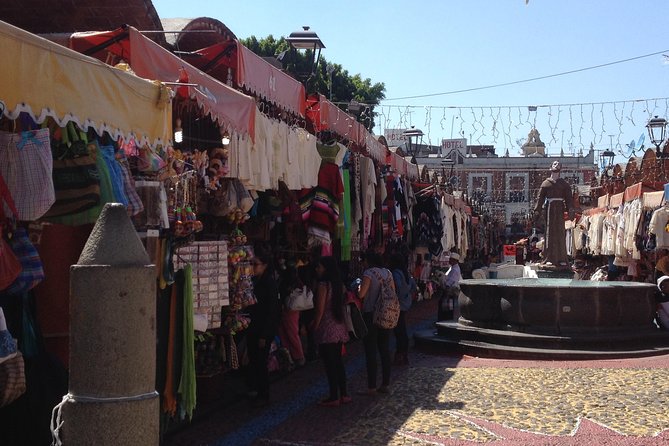
The Zócalo is the center of Puebla’s daily life. Here you’ll admire the cathedral area again from a different angle, plus the Palacio del Ayuntamiento and the portales (the arcaded walkways that give people shade and rhythm).
What I love about stopping at the Zócalo is how quickly it explains the city. You see how government and faith sit side-by-side, and you understand why the streets flow the way they do. It’s also an excellent break point if your feet are starting to complain.
Practical tip: keep your water handy. Squares can feel cooler early and then warm up fast as the day goes on.
Stop 5: Capilla del Rosario and Templo de Santo Domingo (Expect an Extra Admission)
The Capilla del Rosario, attached to the Templo de Santo Domingo, is a standout for Puebla’s baroque-era artistry. The chapel is known as a peak of barroco novohispano, and it’s widely associated with ornate religious craftsmanship.
One important consideration: admission is not included for this stop. So you should plan for an extra ticket cost here, even though the tour time and visit are part of the overall experience.
If you’re budget-sensitive, it helps to know ahead of time where the extra spending will happen. If you’re art-focused, this is often the payoff stop, so it’s worth making room for the ticket.
Stop 6: Mercado el Parían (Talavera, Textiles, and Craft Shopping)
Then you’ll shift from churches and plazas to shopping at Mercado el Parián. This market is built for souvenirs, including talavera, textiles, and other Puebla-style craft items. You may also find onyx pieces and regional keepsakes that are easier to buy than in scattered little shops.
I like this market stop because it’s structured. You’re not wandering aimlessly through storefront after storefront. A market has patterns—aisles, clusters, and price reality—so you can compare more confidently.
Possible drawback: markets can be overwhelming if you rush. Take it slow. Decide your one priority before you walk in: talavera for color, textiles for fabric choices, or stone pieces if that’s your thing.
Tip Tours & DMC: Staying On Track Without Feeling Rushed
The tour’s start point is tied to the Tip Tours & DMC meeting location (Centro de Atención a Visitantes area). That matters because it keeps the group gathered and moving, and it gives you a clear anchor for when the walk is beginning and ending.
With a maximum of 10 travelers, the group size stays manageable. You’re more likely to keep up, hear explanations, and actually enjoy the streets instead of getting separated in a crowd.
Also, if you have mobility limitations, this route still requires comfortable walking shoes. The tour is designed for most people, but it’s not a sit-and-watch option.
The Crossword Challenge: Learning Puebla the Fun Way
A fun detail here is the crossword challenge included with the tour. This is a clever format for turning sightseeing into something you remember. It’s not just a game for kids or bored adults—it’s attention practice.
Here’s the trick: during a walking tour, your brain can skim. Crossword clues slow you down. You start noticing names, details, and themes the guide brings up, and that makes the next stop easier to understand.
If you like trivia-style tasks, this will feel like a small adventure on top of the regular sightseeing. If you don’t, you can treat it like a gentle nudge to keep following the guide’s story.
What You’ll Learn From the Route (Beyond the Photos)
This tour works as an introduction because it connects Puebla’s visual identity with how people live and shop. You’ll see major religious landmarks, then immediately pivot to streets built around candy-making, antiques, and crafts. That creates a complete picture.
I also like the way guides can tailor the experience. A local guide named Karla has been highlighted for giving history in excellent English and adjusting to what people want to focus on. Even if you get a different guide, the expectation is clear: you should be able to ask questions and get answers that fit your interests.
One small caution: if the tour includes time for browsing lots of tempting shops, you might end up feeling full or over-supplied by the end—especially if you start sampling sweets in early stops. Keep a budget and consider saving some curiosity for your return walk afterward.
Who This Tour Fits Best
This is ideal if:
- You’re seeing Puebla for the first time and want a smart overview in just a few hours
- You like a mix of landmarks and shopping streets, not just one or the other
- You want a small-group guide experience that doesn’t feel chaotic
- You’d enjoy an interactive element like the crossword challenge
You might want a different plan if you’re trying to minimize ticket costs, because the Rosary Chapel admission is not included and the included stops still require some walking.
If you’re traveling with kids, note that children must be accompanied by an adult. Also, since it’s near public transportation, it’s not hard to reach if you’re already exploring around the historic center.
Should You Book This Puebla City Walking Tour?
Yes—if you want an easy, guided way to get oriented in Puebla’s historic center. For $48.72, you’re getting a guide-led loop that includes Biblioteca Palafoxiana admission, plus the big hits like the Cathedral and Zócalo and the fun side streets like Callejón de los Sapos and Mercado el Parián.
Book it with confidence if your goal is “see the best things and understand them fast.” Bring your walking shoes, keep an eye on the separate ticket at the Capilla del Rosario, and treat the candy and market time like part of the experience, not a sprint.
FAQ
How long is the Puebla City Walking Tour?
The tour lasts about 3 hours.
What is the price per person?
The price is $48.72 per person.
What time does the tour start, and where does it meet?
It starts at 10:00am at Av. Don Juan de Palafox y Mendoza 14, Centro histórico de Puebla. It ends back at the meeting point.
Is mobile ticketing used?
Yes, the tour uses a mobile ticket.
What’s included in the ticket price?
The tour includes a local guide and admission to Biblioteca Palafoxiana.
Is admission included for the Capilla del Rosario?
No. Admission for Capilla del Rosario / Templo de Santo Domingo is not included.
How big is the group?
The maximum group size is 10 travelers.
Are kids allowed?
Yes, but children must be accompanied by an adult.
What should I wear or bring?
Wear comfortable walking shoes and be ready for walking through the historic center.