REVIEW · MEXICO CITY
Guided tour of Mexico City: Teotihuacan, Guadalupe, and the Mexica city of Tlatelolco
Book on GetYourGuide →Operated by Turicard Tours · Bookable on GetYourGuide
Early mornings pay off here. This full-day tour strings together three major Mexico City-area stops with a real learning focus—especially at Guadalupe (the Basilica and the famous mantle) and Teotihuacan (Sun and Moon pyramids). I also like that you get a guided explanation at each key moment, and you’re not left guessing what you’re looking at.
The main drawback is simple: it’s not suitable for wheelchair users, and the day is long with plenty of walking on uneven ancient stone. Still, if you enjoy clear guiding and a structured pace, it’s a solid way to pack in big sights without turning your day into logistics homework.
In This Review
- Key takeaways before you go
- Basilica of Our Lady of Guadalupe: where the story is both religious and cultural
- Plaza de Tlatelolco: the three-cultures lesson you can actually connect to the map
- Obsidian workshop and tequila tasting: craft + a quick taste of Mexico
- Teotihuacan: Sun, Moon, and the Avenue of the Dead in guided time
- How the 9-hour schedule stays manageable (even with Mexico City traffic)
- Value at $63: what you’re really buying besides bus rides
- Who should book this tour—and who might not love it
- Should you book La Raíz Mexicana (Teotihuacan + Guadalupe + Tlatelolco)?
- FAQ
- How long is the tour?
- What are the pickup locations and times?
- Which main places are included?
- Is lunch included?
- What languages do the guides speak?
- Is the tour wheelchair accessible?
Key takeaways before you go
- Guadalupe in the Basilica: you’ll see the mantle with the Virgin image and learn why this site matters for both faith and Mexican identity.
- Plaza de Tlatelolco focus on three cultures: guided history in a place that helps you connect the Mexico before and after the Mexica.
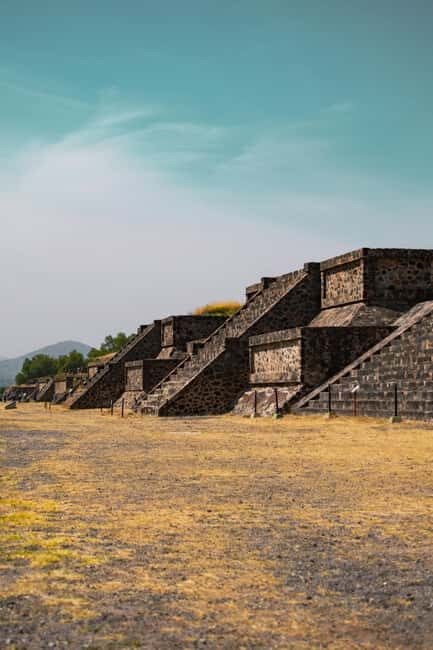
- Teotihuacan with expert context: Pyramid of the Sun, Avenue of the Dead, Pyramid of the Moon, plus Quetzalpapalotl/Feathered Shells.
- Obsidian craft stop + tequila tasting: you’ll learn about a very old material and then taste Mexico’s best-known spirit.
- A practical time plan: stops are long enough to actually see things, not just pose for photos.
- Pickup points are easy: meet at Hostal Amigo (7:30 am) or MIGA café (8:20 am), then you’re dropped back in the same area.
Basilica of Our Lady of Guadalupe: where the story is both religious and cultural
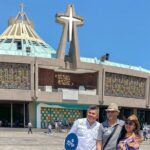
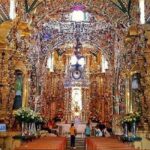
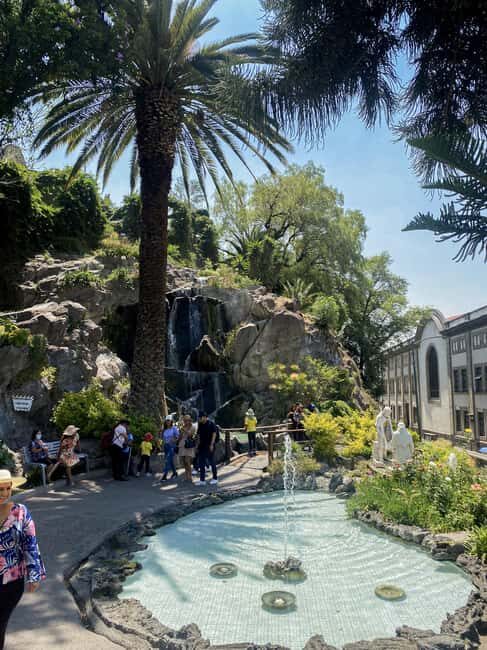
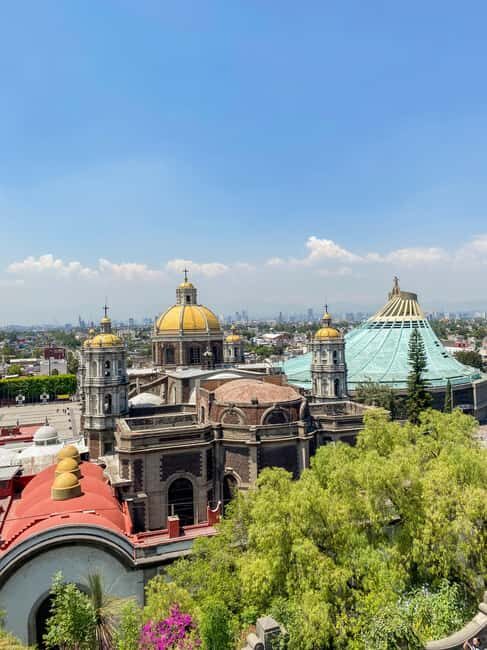
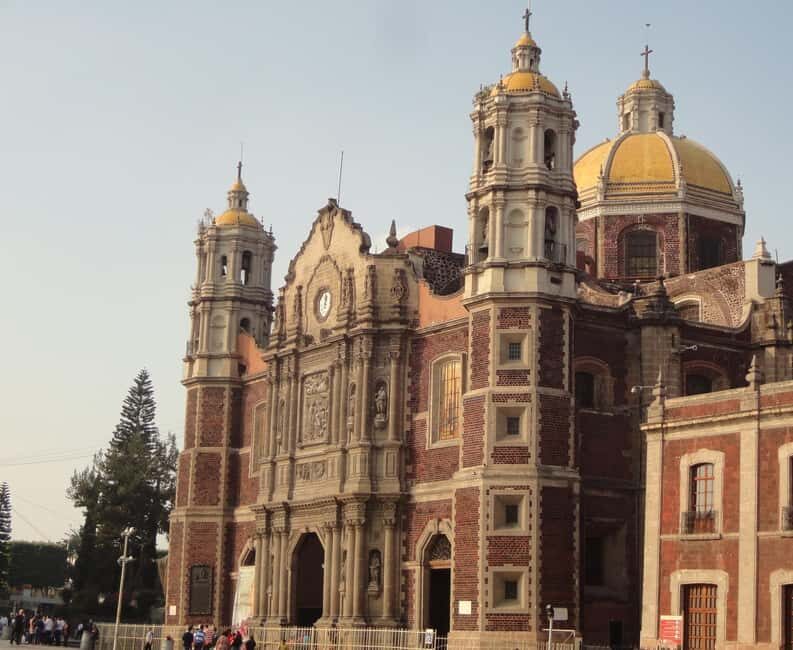
Your morning centers on the Basilica of Our Lady of Guadalupe, a place that’s still alive with devotion. The stop isn’t just a quick look around. You get a guided visit that includes seeing the mantle with the image of the Virgin, and the guide ties the story to why this site became so meaningful for Mexico—especially after the arrival of Christianity in the region.
What I like about this stop is that it’s taught in plain terms: you’re not only hearing the legend of Guadalupe appearing to Saint Juan Diego, you’re also learning how people understand identity, belief, and community through this place. Even if you’re not religious, the cultural weight lands. You’ll also get a sense of how the sacred and the public square overlap here—this is not a museum that stays quiet.
Practical note: the Basilica area can feel busy, and the time you’re given is designed for you to get oriented and still take in the details. Wear comfortable shoes. If you plan to take photos, keep your expectations realistic—some areas may limit what you can shoot, and you’ll be moving with a guide.
You can also read our reviews of more guided tours in Mexico City
Plaza de Tlatelolco: the three-cultures lesson you can actually connect to the map
After you leave the Basilica zone, you head to Plaza de Tlatelolco for a guided history walk focused on the three cultures. This is a great spot for first-timers because it turns “ancient Mexico” into something you can picture: you learn what was happening in the region before the Mexica rose to dominance, what came before, and how those layers overlap.
Tlatelolco is also a smart counterbalance to the big scale of Teotihuacan. Teotihuacan is huge and mythic-looking. Tlatelolco is more “human-scale,” and the stories help you understand how different peoples lived, traded, and ruled over time. The guided portion lasts long enough—about 45 minutes—to connect the main ideas, not just rush through names.
Then there’s extra time later that’s built around being comfortable in the area. You’ll have free time for shopping and “spirits,” and you also get time for lunch there (lunch inclusion depends on the option you select). This matters because Tlatelolco is one of those neighborhoods where walking and looking around helps the history stick. You can’t always do that on tight, no-break city tours.
If you’re picky about pacing, this is where the structure helps: you get the guided lesson first, then you have a block of personal time after the explanation.
Obsidian workshop and tequila tasting: craft + a quick taste of Mexico
One of the most interesting parts of this tour is the stop for obsidian—both the craft and the cultural context around it. You’ll visit an obsidian workshop, where you learn about this ancient material and how it was used. This isn’t just “look at rocks.” The goal is to give you a better sense of why obsidian mattered in Mesoamerican life.
Right after that learning moment, you’ll get a tequila tasting. That’s a fun reset in the middle of a long day. It also keeps the tour from becoming only lectures and monuments. You’ll get to taste something that connects past and present: a product of Mexico that people still make and celebrate, tied loosely to how workshop stops and demonstrations work in the country today.
What to know before you go: tequila tasting means you may not want to drive afterward, and it’s smart to sip water alongside it. If you’re the type who dislikes any alcohol, you can still enjoy the obsidian part—but you’ll want to plan how you handle the tasting portion.
The broader value here is that this stop gives you a different angle on history. Teotihuacan and Tlatelolco are about civilizations and cities. Obsidian is about skill—how people used materials and made objects that mattered.
Teotihuacan: Sun, Moon, and the Avenue of the Dead in guided time
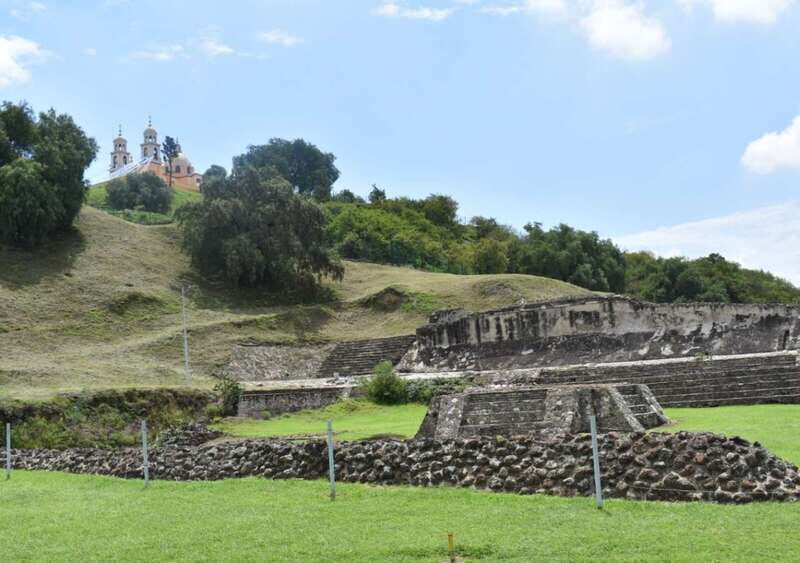
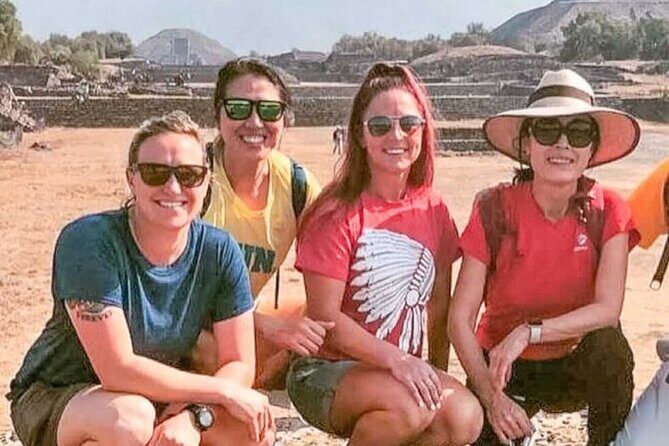
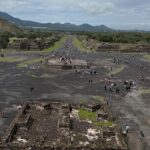
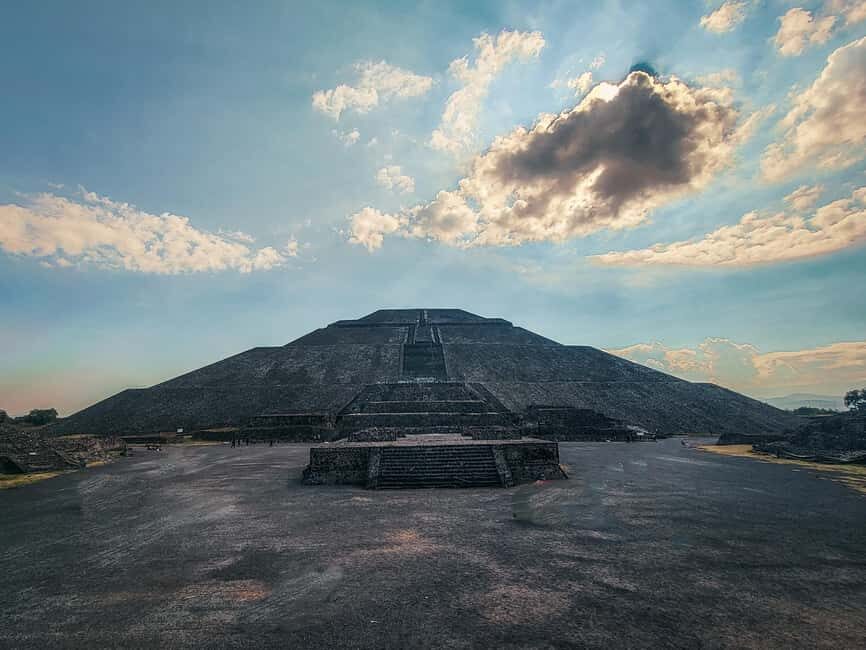
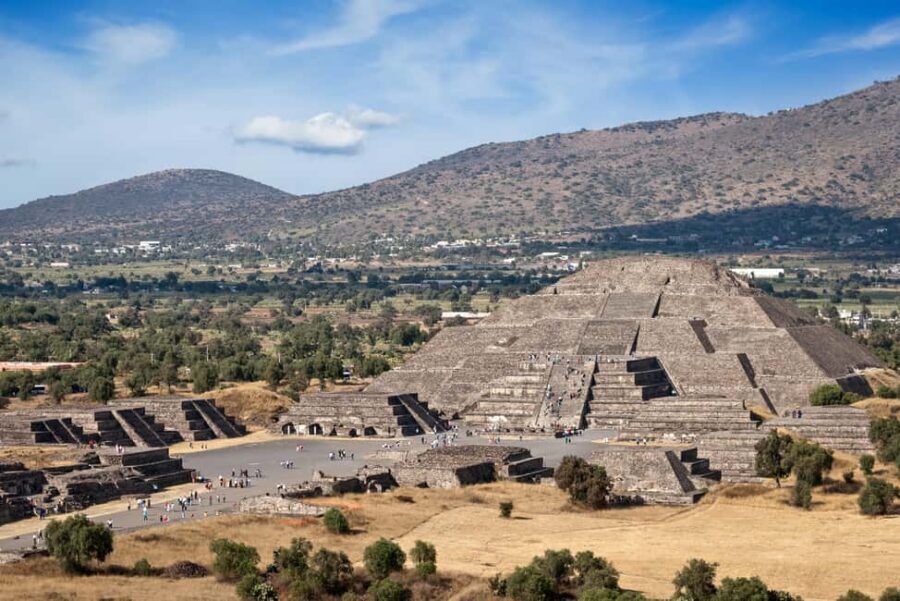
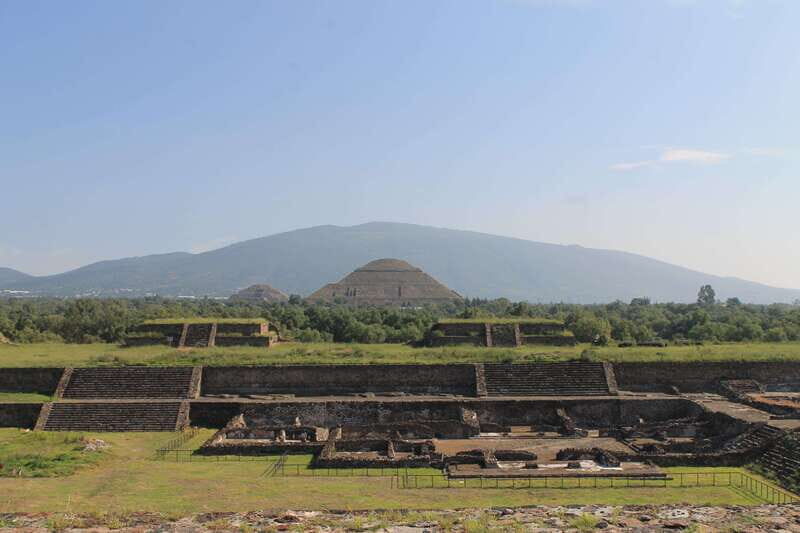
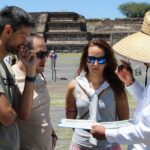
Then comes the big one: Teotihuacan. This is where your tour turns into real “wow, that’s enormous” territory. With an expert guide, you explore the Pyramid of the Sun, the largest pyramid in Mesoamerica, and then you walk the Avenue of the Dead, learning what it meant and how the site functioned as a religious and ceremonial city.
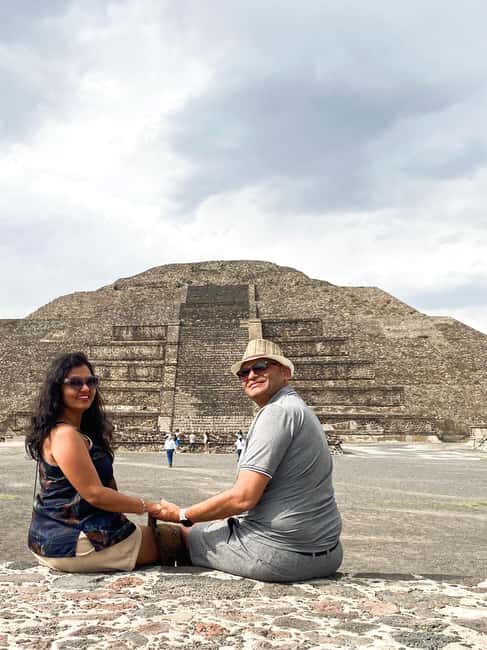
You also see the Pyramid of the Moon and the Temples of Quetzalpapalotl—often described as the Temple of the Feathered Shells. These stops are the kind where a guide genuinely matters. Without context, it’s easy to just admire shapes. With context, you start seeing symbols, patterns, and the reasons the builders oriented certain structures the way they did.
The time you get is built to cover the key parts—there’s a photo stop, a guided visit, and also some free time. Two hours on-site can sound short until you remember how quickly Teotihuacan eats up energy. You’ll walk, you’ll look up a lot, and you’ll want to pause for photos, especially around the main pyramids.
Practical tips for Teotihuacan:
- Bring sun protection. Even if it’s not scorching, you’re out in the open.
- Wear shoes with grip. Stone paths can be slick when you least expect it.
- Pace yourself on the rises. The viewpoints are worth it, but don’t rush.
This is the stop where the tour feels most “worth it.” If you’ve never done Teotihuacan with guidance, it’s one of those days where the guide turns the experience from scenery into understanding.
How the 9-hour schedule stays manageable (even with Mexico City traffic)
A long day can either feel smooth or exhausting. This one leans toward smooth, mainly because of the way it’s timed and coordinated.
You have a pickup with two options: Hostal Amigo at 7:30 am or MIGA café at 8:20 am. Then you’re on a coach with round-trip transportation, with breaks built into the itinerary between stops. The driver matters on a day like this, and the trip runs with a dependable rhythm—traffic is a fact of life here, and the driver’s job is to keep your schedule sane.
What I appreciate is that the tour doesn’t load you down with micro-stops. Each major attraction has a real guided block:
- Tlatelolco guided time first, then later free/shopping time and lunch area time
- Guadalupe guided time that lasts long enough to actually absorb the meaning
- Teotihuacan guided time plus enough extra time to wander for yourself
Also, you don’t have to handle entry lines the hard way. The tour includes skip-the-ticket-line benefits, which is a quiet lifesaver on days when lines grow fast.
One more note: it’s listed as Spanish and English with a live guide. Language coverage matters when you want more than just “this is old.” You want to know why.
From the experience, the combination of a clear guide and punctual driving is what makes the day feel organized rather than chaotic. People often remember the guide most—like Leo explaining things clearly while Sal handled punctual transportation through challenging traffic.
You can also read our reviews of more city tours in Mexico City

Value at $63: what you’re really buying besides bus rides
At $63 per person for a 9-hour tour, you’re paying for more than transportation. You’re getting:
- Round-trip coach/bus transportation
- A tour guide
- Entrance to Teotihuacan and its monuments
- Tlatelolco visit
- Entrance to the Sanctuary of Guadalupe
- Tequila tasting
- And an international/Mexican buffet lunch only if you select that lunch option
So even if you skip the lunch add-on, the pricing still makes sense because the cost is spread across major-site entries plus guiding plus the intercity travel inside the Mexico City region. If you do select the lunch option, you’re reducing the number of decisions you have to make mid-day.
What isn’t included is also important: lunch, food, and drinks are additional if you don’t choose the buffet lunch option. In other words, plan on spending extra unless you’ve specifically picked that lunch inclusion.
For me, the value calculation is simple: if you want three big history stops with guiding and you don’t want to figure out timing and entry logistics on your own, this price is reasonable. If you’d rather travel slowly with lots of independent wandering, you might feel this is a bit structured.
Who should book this tour—and who might not love it
This is a strong fit if you:
- Want Guadalupe and Teotihuacan in one day without planning every step
- Like guided context that helps you connect monuments to history
- Enjoy a mix of spiritual/cultural learning and hands-on moments like obsidian + tequila
- Prefer a tour pace where time at each stop is planned so you can see the essentials
It may be less ideal if you:
- Need wheelchair access (it’s not suitable for wheelchair users)
- Get stressed by a long day and a set schedule
- Prefer total freedom, where you can linger indefinitely at one viewpoint
For first-time Mexico City visitors, this tour is also a good “orientation day.” It gives you a mental map of the region’s layers: sacred sites, Mexica-era context, and the iconic scale of Teotihuacan.
Should you book La Raíz Mexicana (Teotihuacan + Guadalupe + Tlatelolco)?
If you want a day that hits the big symbols of Mexico—Guadalupe, the Mexica-linked world of Tlatelolco, and the massive ceremonial architecture of Teotihuacan—this is an easy yes. The best part is that the stops aren’t random. They’re guided in a way that helps you connect them, and the day includes a breather in the middle with obsidian craft and tequila tasting.
I’d especially recommend it if you appreciate good guiding. Names that stand out from the experience include Leo and Lily for explanation, and Sal for smooth, punctual driving. When those pieces click, the whole day feels controlled.
Book it if you’re okay with a structured 9-hour flow and plenty of walking. Skip it if you need mobility accommodations or you’re looking for a low-effort, sit-and-watch itinerary.
FAQ
How long is the tour?
The tour runs for about 9 hours.
What are the pickup locations and times?
You can meet your guide at Hostal Amigo at 7:30 am, or at MIGA café at 8:20 am. You’ll also be dropped off at those same locations.
Which main places are included?
The tour includes visits to the Basilica of Our Lady of Guadalupe, the Plaza de Tlatelolco, and the Teotihuacan site and its monuments.
Is lunch included?
Lunch is included only if you select the option with an international/Mexican buffet lunch. Otherwise, lunch and drinks are not included.
What languages do the guides speak?
The live tour guide offers Spanish and English.
Is the tour wheelchair accessible?
No. It’s listed as not suitable for wheelchair users.