REVIEW · MEXICO CITY
The best and most complete PRIVATE CITY TOUR through the Historic Center
Book on Viator →Operated by Jorge Barmoll George · Bookable on Viator
Historic Mexico City, neatly packaged in three hours.
This private tour threads together big symbols and street-level detail across the Historic Center, mixing politics, architecture, and human stories from the 16th through the 19th centuries. You’ll go from the Monumento a la Revolución down to the Zócalo and the Catedral Metropolitana, with frequent stops for photos and context so the city feels readable instead of random.
I like two things most. I really like the way the guide, Jorge Barmoll George, explains not just what you’re looking at, but why it matters—linking monuments and streets to the wider story of Mexico City. I also like the practical pacing: quick photo time at major viewpoints, plus real breathing room at places like the Cathedral and the Baroque stop at Santo Domingo.
One possible drawback: this is a walking tour through busy streets and older areas, so it needs moderate physical fitness. And while several stops are free-entry, some key sites (like the Monument and Bellas Artes) are listed as not included, so you should expect a couple of small “pay if you want” moments.
In This Review
- Key moments you’ll remember
- A private Historic Center walk built for first bearings
- Starting at Monumento a la Revolución: photos first, context second
- Alameda Central and El Quemadero: the park as a meeting point
- The Bellas Artes zone: Art Deco meets theatre culture
- Casa de los Azulejos: the tile palace plus an easy bathroom break
- Palacio Postal and Palacio de Minería: marble finishes and four meteorites
- Walking through Tacuba and Brazil: UNESCO style clues on the move
- Santo Domingo Plaza: Baroque church stop with photo breathing room
- From Zócalo to Templo Mayor: the city’s political center explained
- Catedral Metropolitana: exterior stories plus time inside
- Price and value: what $68.70 buys you in real time
- Tips to make the morning work (and avoid stress)
- Who should book this tour—and who should skip it
- Should you book this private Historic Center tour?
- FAQ
- Is this tour private?
- How long is the tour?
- What language is the tour offered in?
- Where does the tour start and end?
- What’s included in the price?
- Are entrance tickets included?
- Do I need a printed ticket?
- Is it suitable if I have mobility issues?
- Is the tour dependent on weather?
- What is the cancellation window?
Key moments you’ll remember
- Private and small-group feel: only your group goes, so the guide can tailor the flow
- Jorge’s teacher-style storytelling: connections between politics, architecture, and daily life
- Photo stops built into the timeline: you aren’t rushed at every corner
- Alameda Central + Inquisition history: the tour doesn’t skip the darker layers
- Palacio de Minería meteorites: four meteorites plus Manuel Tolsá’s Little Horse statue
- Zócalo to Templo Mayor overview: you’ll understand what you’re standing above
A private Historic Center walk built for first bearings
Mexico City can feel like a living puzzle: temples, palaces, theaters, and government buildings all layered on top of each other. This tour is designed to make that puzzle solvable in one morning by using a clear route and short, focused explanations at each stop.
It’s also a smart format if you don’t want a “museum-only” day. You get street-level context—how buildings and plazas reflect shifting power, taste, and ideology—without needing to spend half your vacation inside ticketed venues.
And because it’s private, you’re not fighting for time or volume. The guide can slow down for your questions, and the stops include time for photos rather than treating pictures as an afterthought.
You can also read our reviews of more city tours in Mexico City


Starting at Monumento a la Revolución: photos first, context second
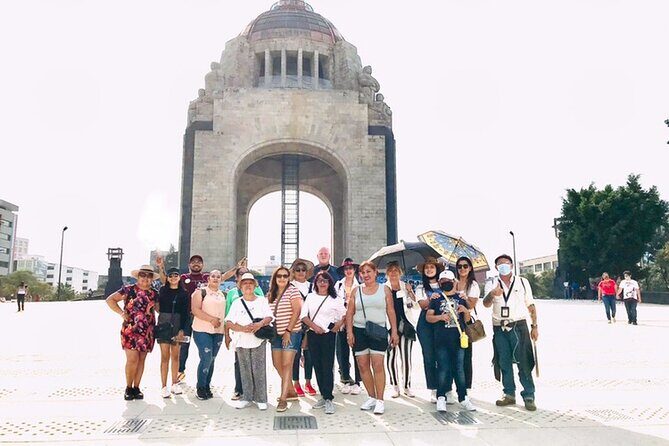
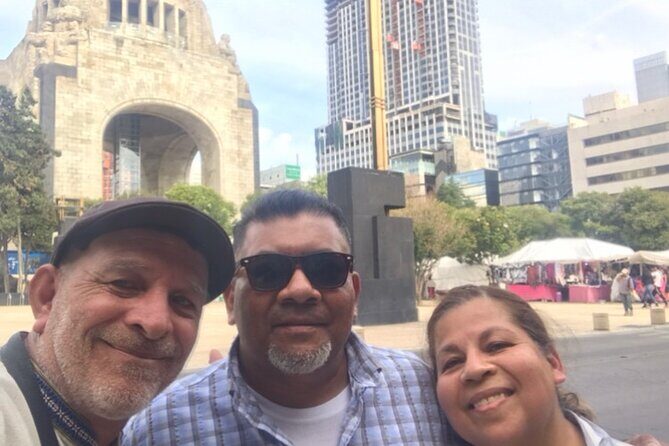
You meet at the Monumento a la Revolución, right in the Tabacalera area (Pl. de la República s/n). This is a strong opening anchor because the monument itself represents a plan gone sideways: it was originally meant to be a Legislative Palace, then the project shifted toward becoming a mausoleum.
Expect a short stop with an explanation and time for photos. The tour notes that admission isn’t included here, so if you’re the type who likes to go deeper inside a monument complex, you might plan for that cost separately.
What I like about this start: it sets the theme fast. Mexico City’s Historic Center isn’t just beautiful—it’s full of decisions, revisions, and political meaning. From the first stop, you’re being taught to look with intent.
Alameda Central and El Quemadero: the park as a meeting point
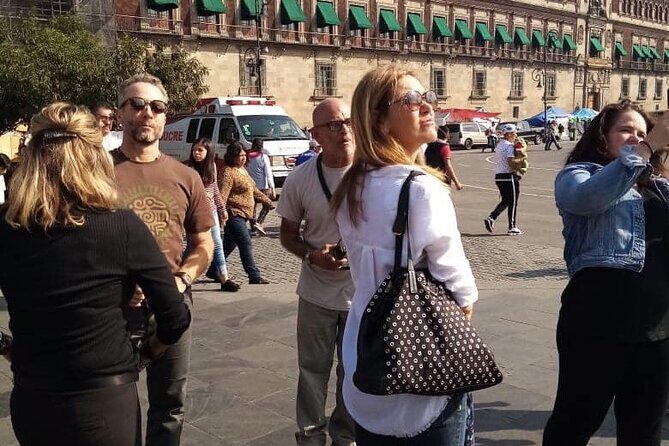
Next is Alameda Central, one of the city’s best-known historic parks. This isn’t just a pleasant pause. The park is framed as a meeting point of the city, and the guide uses that idea to connect the space to older social rhythms.
You’ll also visit El Quemadero de la Inquisición. This stop shifts tone. You’ll hear about the uses, customs, and practices from the Inquisition era—how punishment and control worked in daily life. It’s a short window, but it adds weight to a place many people otherwise pass through casually.
Practical note: this stop is listed as free admission, so you get the lesson without extra ticket friction. In a tour that keeps moving, that matters.
The Bellas Artes zone: Art Deco meets theatre culture
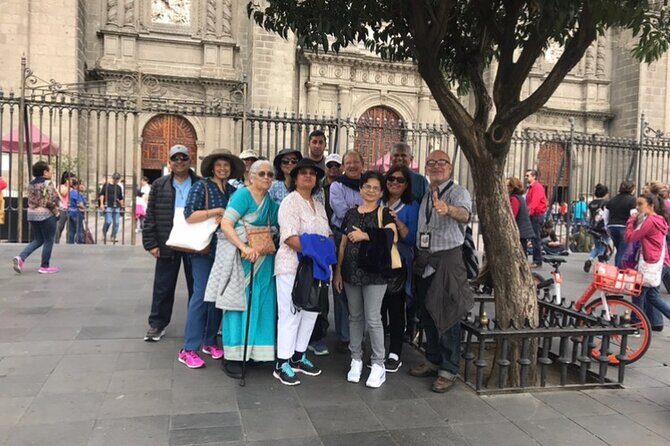
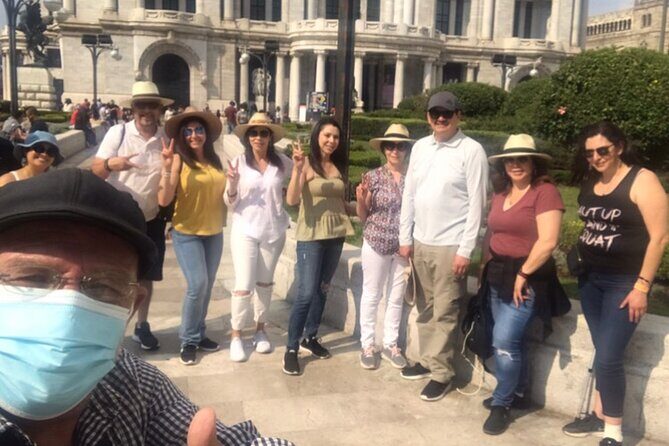
Then you head to Palacio de Bellas Artes. From outside, you’ll get the explanation and photo time, with a focus on how Mexican architecture and European styles blend—specifically the way Art Deco and Art Nouveau are said to intermingle in the building’s look.
Admission isn’t included for this stop, so you’ll mainly be experiencing the palace as a grand exterior landmark. Still, the explanation helps you read why it’s such a cultural magnet: theater, ballet, symphony, opera, and more are tied into why this building feels like a civic stage.
If you’re tempted to go inside, you may need to plan extra time and fees on your own. The value here is the orientation: you’ll know what you’re looking at before you decide whether to return for a full performance visit.
Casa de los Azulejos: the tile palace plus an easy bathroom break
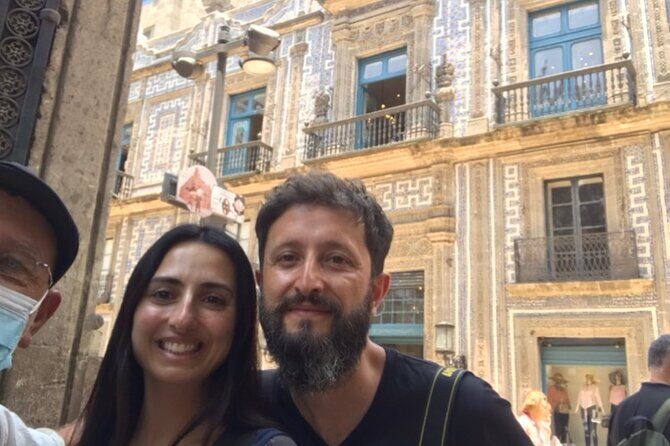
One of the most practical stops on the route is Casa de los Azulejos, also known as La Casa de los Azulejos (near the Pasaje Madero). This is where the tour adds both visual beauty and real-world convenience.
You’ll get a look at the interior of this historic viceregal palace. The tour also highlights it as a clean, suggested option to use the bathroom—something I always appreciate on a walking morning when you’re moving through older parts of town.
The guide also profiles the building’s history and its owners from the 16th century to the present day. That time span is part of why this stop works: you’ll see the palace not just as a postcard, but as a long-lived piece of property history.
Admission is listed as free here. So you’re getting an interior feel without an added ticket hurdle.
You can also read our reviews of more private tours in Mexico City




Palacio Postal and Palacio de Minería: marble finishes and four meteorites
At Palacio Postal (the Post Office), you’ll get a peek inside the luxurious French-style Neoclassical building. The tour describes fine finishes—marble, brass, and bronze—so it’s not just an exterior photo moment. There’s time for explanation and photos, and it’s listed as free admission.
Why this matters: a post office is a weirdly poetic place to explain how power shows up in infrastructure. You’ll likely leave thinking differently about everyday institutions.
Then comes Palacio de Minería, also free admission. Here you get two very “wow” elements:
- Inside: an exhibition of four meteorites, plus photo time
- Outside: Plaza de Minería and the statue of the Little Horse created by architect and sculptor Manuel Tolsá
Even if you’re not a science museum person, meteorites tend to pull people in. And pairing that with Tolsá’s famous work helps connect Mexico City’s identity to global knowledge—one more reason this stop feels like more than just another building.
Walking through Tacuba and Brazil: UNESCO style clues on the move
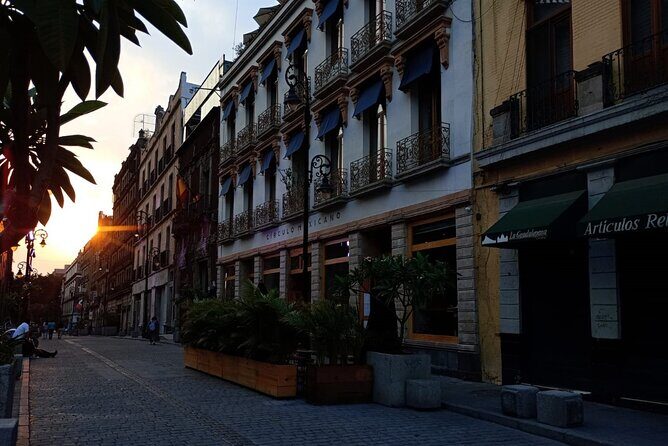
Next you’ll walk through historic streets—Tacuba and Brazil—making references to architectural styles of mansions, palaces, and churches from the 16th to the 19th centuries. The route is framed as part of what helped earn UNESCO recognition for the area.
This is a “read the street” segment rather than a ticketed attraction. You’re being taught to notice patterns:
- how façades signal status
- how churches anchor neighborhoods
- how different eras left their signatures side by side
Because it’s mostly walking, it suits you best if you like texture over speed. If you prefer to sit in one place and stare at one site for a long time, you might find this portion a bit brisk. But it’s exactly what helps the Historic Center make sense.
Santo Domingo Plaza: Baroque church stop with photo breathing room
You’ll pause at Plaza de Santo Domingo, with its Baroque church of the same name. Expect explanation and free time for photos. The tour notes about 25 minutes total for this stop, with admission listed as free.
Baroque architecture can look busy until someone points out the rhythm—arches, contrasts, ornament placement. This stop gives you that quick orientation so your photos look more intentional than just “there’s a church.”
This is also a good moment for a breather inside your walking day plan.
From Zócalo to Templo Mayor: the city’s political center explained
Now the tour hits the real gravity point: the Zócalo (Plaza de la Constitución). You’ll get an overview of the square and the Government Palace, plus explanation designed to help you understand why this plaza anchors the city’s identity.
Right after, you’ll move into the Centro Historico area for a panoramic overview of the archaeological zone of the Templo Mayor. You’re not described as doing a deep archaeological visit here—more like seeing and understanding what you’re standing near.
This pairing is smart. The Zócalo is power today; Templo Mayor is power in the earlier layers. Together, you get a sense of continuity and change without needing a full second trip just to make the timeline click.
Admission is listed as free for these segments, so you’re paying for guidance and interpretation, not tickets.
Catedral Metropolitana: exterior stories plus time inside
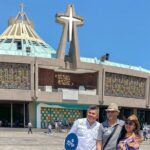
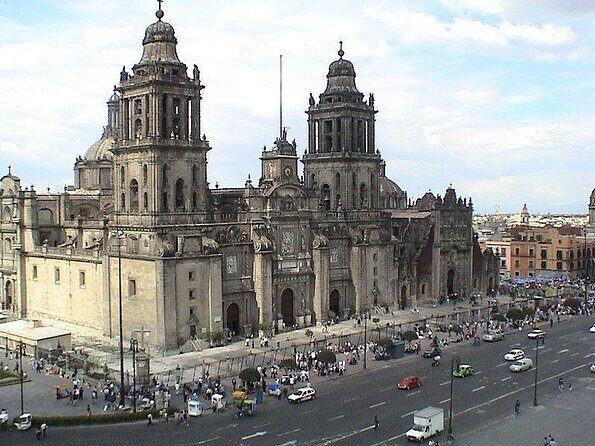
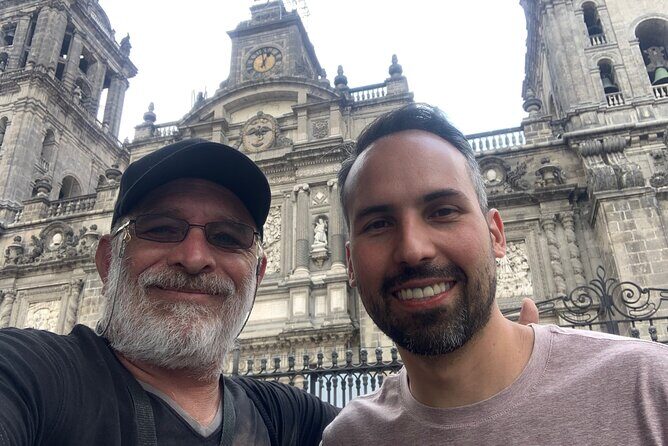
Finally, you end at the Catedral Metropolitana de la Ciudad de México. The tour gives an exterior explanation—its history and anecdotes—then offers time to enjoy the interior.
This is the stop where you’ll likely slow down most, because the Cathedral is meant for lingering: photos, quiet moments, and taking in the details at your own speed. The tour also frames a dedicated time window for interior exploration.
The end point is at the Cathedral area (P.za de la Constitución S/N, Centro Histórico de la Cdad. de México). This is a convenient finish too, because the Zócalo district gives you lots of nearby options to grab a meal or continue exploring.
Price and value: what $68.70 buys you in real time
At $68.70 per person for about 3 hours (and commonly booked around 28 days in advance), this isn’t a “cheap because it’s short” offer. It’s priced for a private guide plus a dense route with multiple major landmarks.
Here’s what you’re really paying for:
- Private pacing: you don’t share the “air time” with strangers
- Expert interpretation: the guide’s background as a former history teacher shows in how he connects stories and architecture
- Photo time at most major stops: you won’t feel like pictures are a last-second rush
- Multiple free-entry stops: Post Office, Palacio de Minería, Tacuba/Brazil walking segment, Santo Domingo, and Zócalo/Templo Mayor overview are listed as free admission
What’s not included is food, tips, and certain admissions like the Monumento y Museo de la Revolución and Palacio de Bellas Artes. That means your total day budget might rise a bit if you add interior access at those places.
Still, for many visitors, the value comes from the structure. You get a guided “map in your head” so you can pick which sights deserve a second, deeper return later.
Tips to make the morning work (and avoid stress)
This tour requires moderate physical fitness, and it’s not recommended for people with mobility problems. Plan for a walking-heavy day through central streets and plazas, with time spent moving between stops.
A few practical things help:
- Wear comfortable shoes. The day adds up faster than you expect in a 3-hour window.
- Bring sun protection like a hat and sunscreen, since you’ll have outdoor exposure.
- Use the bathroom when you can—Casa de los Azulejos is flagged as a clean option.
- Keep your expectations realistic: many stops are described as exterior explanations or brief interior looks, not long museum-style stays.
Also, the guide communicates and confirms the meeting point (WhatsApp came up in the experience stories). Still, keep an eye on your messages the day before so you know exactly where to start.
Who should book this tour—and who should skip it
You should book if:
- You want a Historic Center overview that connects landmarks to the bigger story
- You like history and architecture and prefer guided context over wandering blind
- You only have a couple of days in Mexico City and want your bearings fast
- You appreciate frequent picture pauses and practical timing
You might skip (or consider a different format) if:
- You can’t do moderate walking through older, busy areas
- You need long museum time at a single site (this tour spreads attention across many landmarks)
- You hate the idea of optional extra admissions at stops like the Monument and Bellas Artes
One more real-life note: one account mentions route flexibility if access changes due to protests. That kind of adaptability is useful in Mexico City, where street conditions can change quickly.
Should you book this private Historic Center tour?
If you want Mexico City’s Historic Center to make sense fast, this is a strong pick. The combination of Jorge’s teaching background, the tight three-hour structure, and the mix of major landmarks with smaller story beats (like El Quemadero) makes it feel like a guided orientation you can build on.
Just go in ready for walking, and budget for two possible ticket adds. If you do that, you’ll finish the tour with clear mental bookmarks—from Revolution-era symbolism to the Zócalo’s political heartbeat and the Cathedral’s interior space—plus a short list of what you’ll want to revisit on your own.
FAQ
Is this tour private?
Yes. It’s a private tour/activity, and only your group participates.
How long is the tour?
The duration is about 3 hours (approx.).
What language is the tour offered in?
The tour is offered in English.
Where does the tour start and end?
It starts at the Monumento a la Revolución (Pl. de la República s/n, Tabacalera, Cuauhtémoc) and ends at the Mexico City Metropolitan Cathedral area (P.za de la Constitución S/N, Centro Histórico de la Cdad. de México).
What’s included in the price?
Included: a water bottle.
Are entrance tickets included?
Not all of them. The Monumento y Museo de la Revolución and Palacio de Bellas Artes are listed as admission not included. Other stops are listed as free admission.
Do I need a printed ticket?
No. You’ll have a mobile ticket.
Is it suitable if I have mobility issues?
It’s not recommended for people with mobility problems. It also asks for moderate physical fitness.
Is the tour dependent on weather?
Yes. The experience requires good weather, and if it’s canceled due to poor weather, you’ll be offered a different date or a full refund.
What is the cancellation window?
Free cancellation is available up to 24 hours in advance for a full refund.