REVIEW · MEXICO CITY
Xochimilco: Eco Tour With Food
Book on GetYourGuide →Operated by De la chinampa · Bookable on GetYourGuide
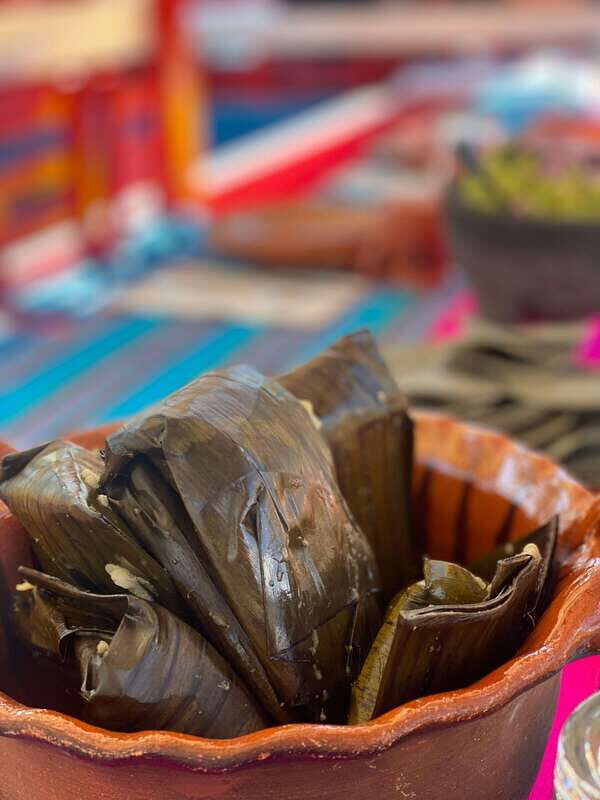
Peace and farm life on a boat. This Xochimilco eco tour in the Cuemanco area is special because you’re not just riding in circles for photos—you get a calm 3-hour trajinera rental plus a guided look at how chinampas (that ancient floating-garden-style farming system) feed people and support the local ecology. And yes, it pairs that slow boat pace with food that tastes like Oaxaca: Oaxacan chicken tamales in green sauce, guacamole, totopos, tamarind water, and café de olla. I also love the human scale here: it’s a private group setup, and a guide like Ricardo or Pauline can make the place feel understandable, not like a museum label.
One thing to keep in mind: the start of the day can include a brief stop for photos or an early visit, and the guide experience may vary a bit between English and Spanish. If you’re picky about clean translation or you prefer to skip any “quick tourist moment,” plan to ask questions early and set expectations with your guide right away.
In This Review
- Key things that make this tour worth your time
- Why Cuemanco’s canals feel calmer than the usual Xochimilco routine
- The 3-hour private trajinera rental: what you’re really buying
- Chinampas in plain language: how the system works on shallow lake beds
- What you’ll learn during the chinampa visit
- Can you get hands-on?
- Why this matters (beyond the photo)
- The Oaxacan meal: tamales, guacamole, tamarind water, and café de olla
- What’s on the plate
- When do you eat?
- A smart practical move
- Guided commentary: getting the most out of the boat ride
- What to bring (and what to skip) for a smooth canal day
- Bring
- Don’t bring
- Price and value for a private group up to 9 people
- Who this eco tour fits best (and who might not love it)
- Should you book this Xochimilco eco tour with food?
- FAQ
- How long is the Xochimilco eco tour with food?
- How many people is the group limited to?
- Where do we meet for the tour?
- What’s included besides the boat ride?
- What does the meal include?
- What languages is the live guide available in?
- What time can I start the tour?
- Is the tour wheelchair accessible?
Key things that make this tour worth your time
- 3-hour private trajinera time so you can actually relax, not rush.
- Cuemanco chinampa visit that explains how the farming system works on shallow lake beds.
- Sustainable planting focus with real examples of how locals tend crops today.
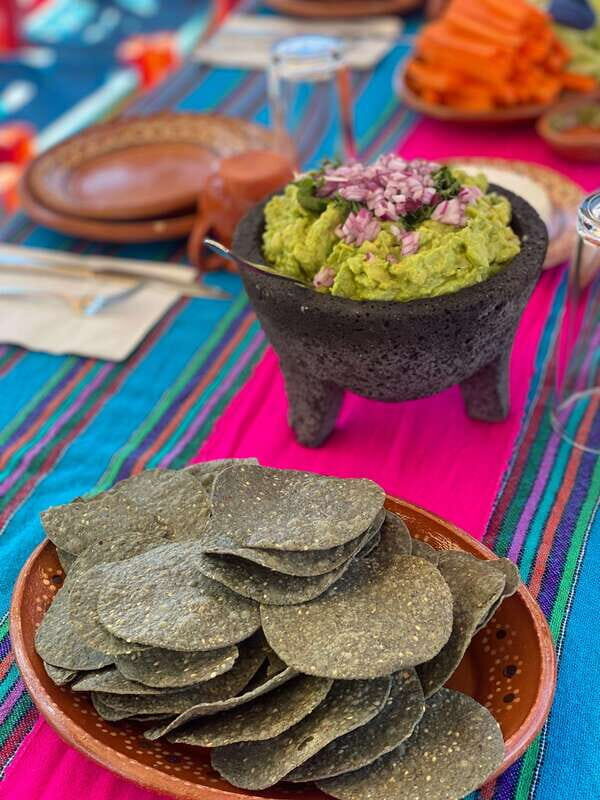
- Oaxacan onboard meal with tamales in green sauce, guacamole, totopos, tamarind water, and café de olla.
- Small-group pacing with a live guide in English or Spanish (varies by schedule).
Why Cuemanco’s canals feel calmer than the usual Xochimilco routine
Xochimilco can feel like two different worlds. There’s the loud, party-boat side that people expect. Then there’s the more grounded side—canals where the day moves slow and the point is survival, farming, and staying connected to the water.
This tour targets the quieter lane, in the Ecological Reserve Zone of Cuemanco, where the chinampa system is part of living agriculture, not just a story from the past. When you’re on the water here, you get breathing room. The canals give you that slow glide effect, and the guide’s commentary keeps you oriented: what you’re seeing is not random scenery; it’s tied to how food is grown in this ecosystem.
I also like that the tour isn’t pretending chinampas are stuck in history. The guide explains how those rectangular growing areas are used now and why the system still matters for ecological conservation. That makes the whole day feel practical. You’re learning something you can describe afterward without needing fancy background knowledge.
You can also read our reviews of more food & drink experiences in Mexico City



The 3-hour private trajinera rental: what you’re really buying
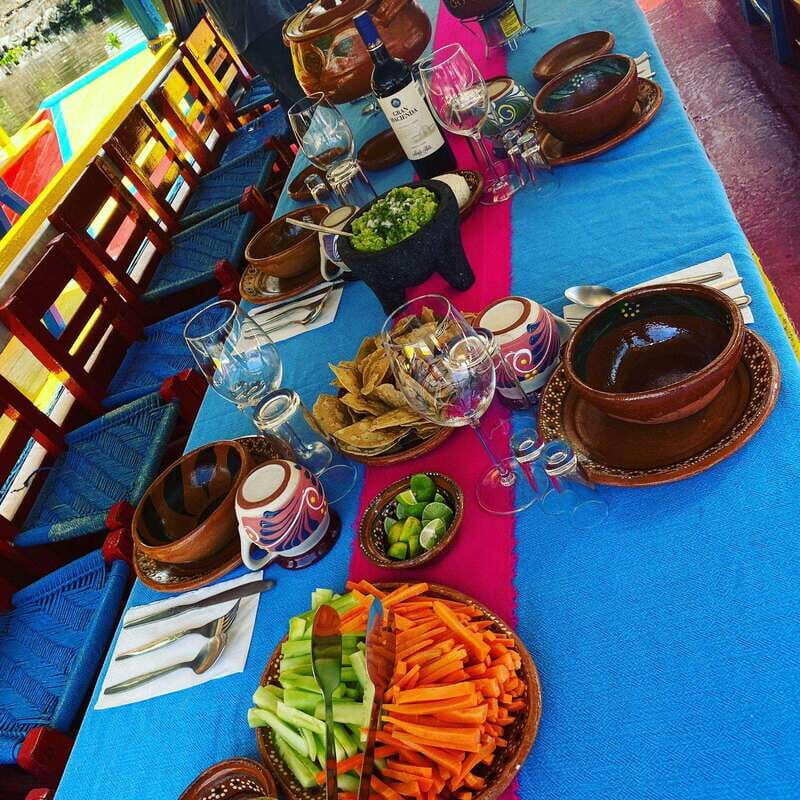
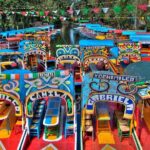
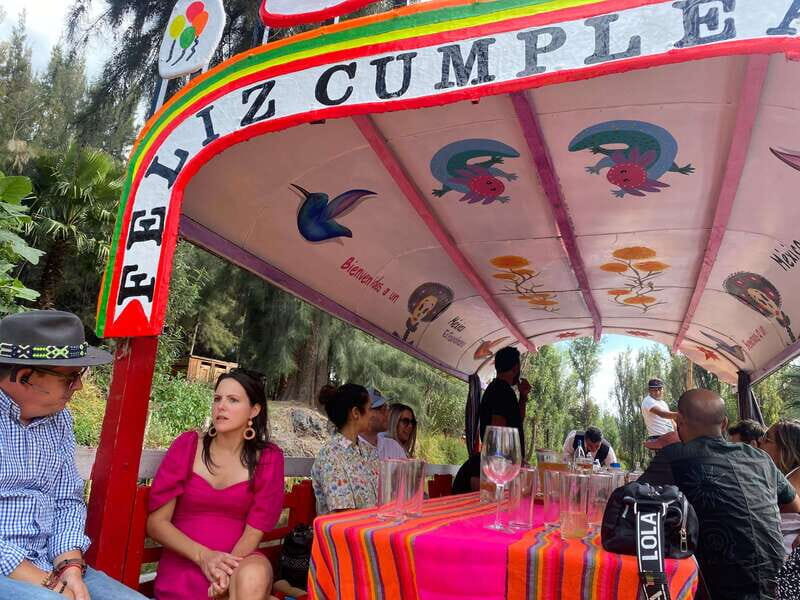
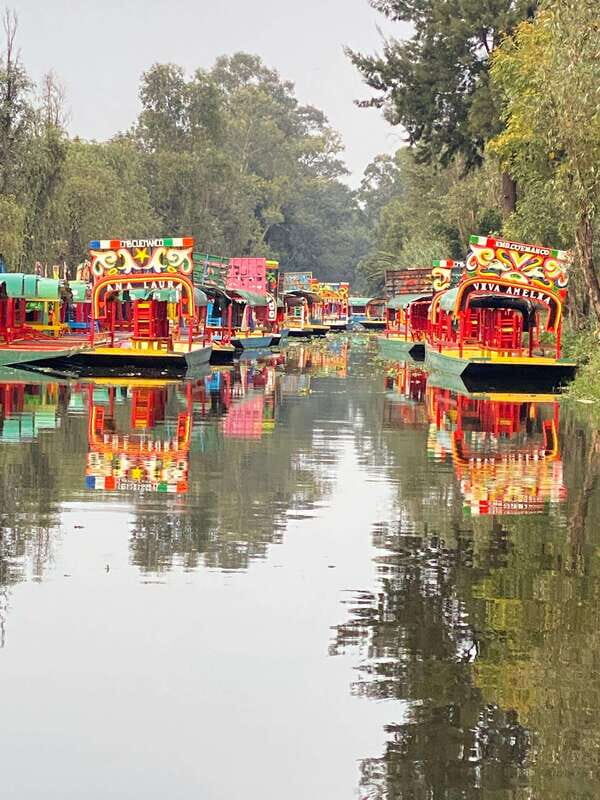
You’re paying for time on a traditional trajinera—a long, narrow wooden boat shaped for floating through the canal network. The important part is not the boat itself. It’s the duration.
A full 3 hours means you don’t feel trapped into constant movement. You can settle in, watch the water and banks change, and ask questions when something catches your eye. That matters because chinampa farming isn’t obvious at first glance if you only zoom through. More time helps you see patterns—how the growing areas are organized and how people use the water as part of daily work.
This is also a true private-group setup for a group of up to 9. For families, friend groups, and couples, that changes the vibe. You can talk with your guide without feeling like you’re sharing the same seat with 20 other people. It also makes it easier to match the pacing to your group: if you want more explanation before lunch or more quiet after the chinampa stop, you have more room to do that.
Practical note: the tour says you can choose the start hour after 11:00am. If mornings are your best energy time, you might still be fine, but don’t schedule anything tight right before. Boats and farm visits take a little time to settle.
Chinampas in plain language: how the system works on shallow lake beds
Here’s the core idea behind chinampas: crops grow on small, rectangular plots built on or within shallow lake areas. Think of it as productive land engineered right into a watery environment. In this tour, the chinampa visit is guided with a focus on both the “how” and the “why.”
What you’ll learn during the chinampa visit
You’ll get an explanation of:
- How chinampas were used as an agricultural system
- Why they were smart in their original setting
- How sustainable planting techniques connect to ecological conservation today
The guide also shows the practical side—how locals tend the crops. That means you’re not only hearing big concepts. You’re getting examples of daily work and how the farming rhythm fits the canal environment.
Can you get hands-on?
The tour information suggests you may have an opportunity to assist with small tasks as part of the learning experience. If that happens, treat it like a “helping, not training.” Your role is likely to be simple and supervised—so wear the right shoes and come ready to be flexible.
You can also read our reviews of more tours and experiences in Mexico City

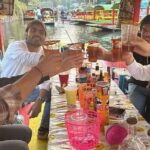
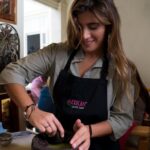
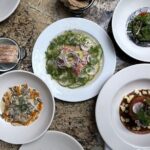

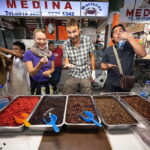
Why this matters (beyond the photo)
It’s easy to think of agriculture as something that happens far from cities. Chinampas flip that assumption. This system shows how food production can coexist with a wetland setting when it’s done with care. Even if you’re not a “food systems” person, the tour makes it feel grounded: the water, the plots, and the planting practices all relate.
And compared to a standard canal cruise, this chinampa piece is what turns the day from sightseeing into understanding.
The Oaxacan meal: tamales, guacamole, tamarind water, and café de olla
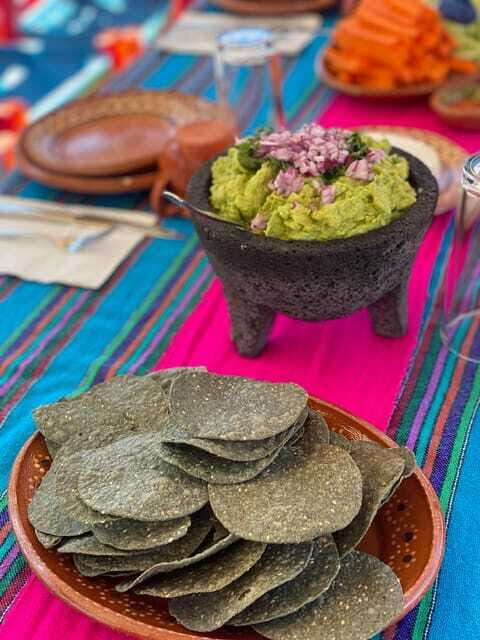
A lot of boat tours claim they include lunch. Here, the meal is one of the real reasons the day feels worth it.
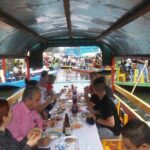
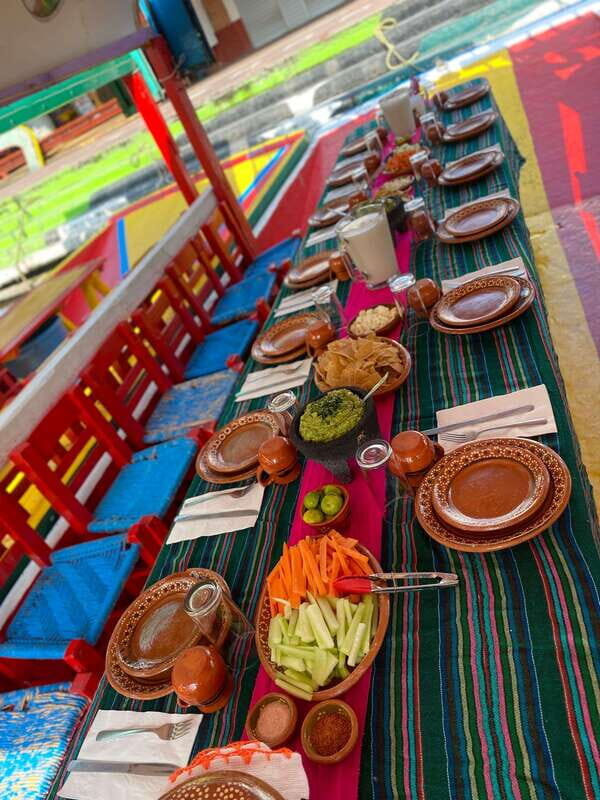
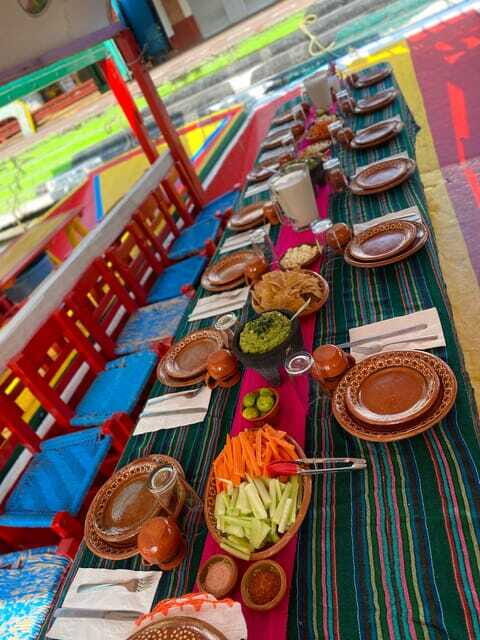
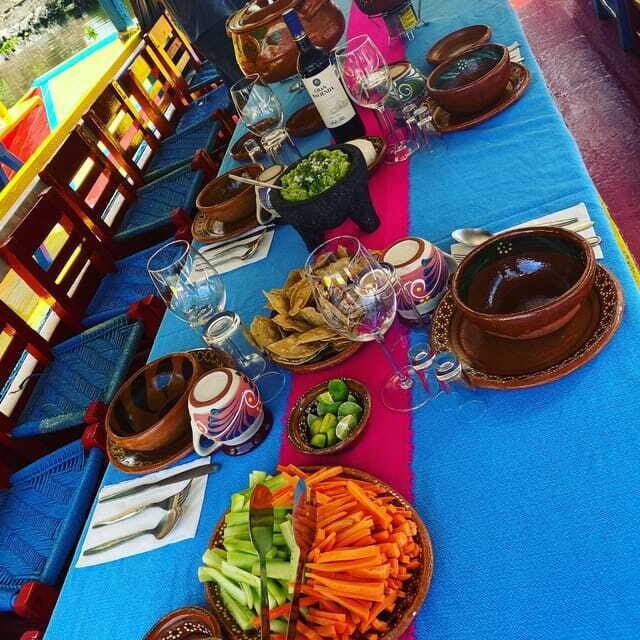
You’ll enjoy a table setting with earthenware—that detail matters because it makes the meal feel intentional, not like “food delivered so you don’t complain.” The menu also leans toward the flavors people actually travel for.
What’s on the plate
From the tour details, expect:
- Oaxacan chicken tamales in green sauce
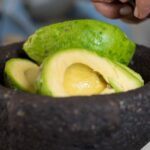
- Fresh vegetables and guacamole made with organic avocados
- Totopos chips for dipping
- A glass of fresh tamarind water
- Café de olla, the traditional Mexican coffee brewed with cinnamon and piloncillo
That mix hits a nice balance: savory food (tamales), creamy and crunchy sides (guacamole and totopos), and drinks that feel local and refreshing (tamarind) plus comforting (café de olla).
When do you eat?
The schedule is designed around the tour flow, and at least some guides may serve lunch as part of the day’s pacing, sometimes before you step into the chinampa area. The key point for you: plan to eat with the understanding that you’re on a shared time rhythm, not on a restaurant timetable.
A smart practical move
Bring a charged phone and use it for a quick food pic early if you want one. Once you’re out on the water, you’ll probably be busy looking at canals and asking questions.
Guided commentary: getting the most out of the boat ride
The tour includes a live guide in English and Spanish. In practice, this is where your experience can swing from good to “I’ll remember this later.”
You’ll hear cultural and historical insights while you float—especially about the origins and significance of the Xochimilco chinampas and how they work today. A major value of having commentary from a person who explains what you’re seeing is that you stop treating the canals like a scenery backdrop.
I also like that the guide’s job isn’t just talking at you. The tour includes time to relax and enjoy the environment. That balance keeps it from turning into a lecture on a moving boat.
One caution: there can be small issues with translation quality or the flow of early stops. If you’re relying on English or Spanish for understanding, ask a few targeted questions early—things like what you’re seeing in the growing plots or how planting works in this wetland setting. Guides can usually adjust on the spot when they know what your group cares about.
What to bring (and what to skip) for a smooth canal day
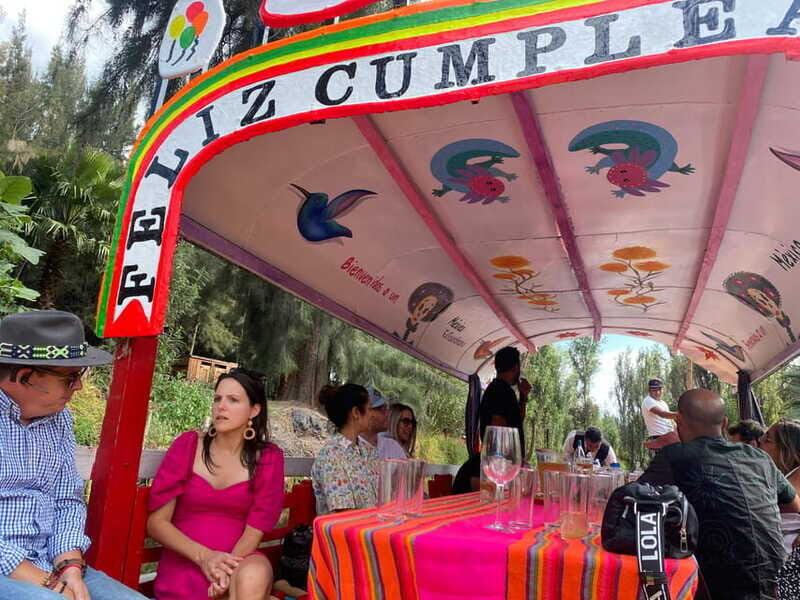
This tour is outdoors, on boats, and near farming areas. That means your comfort matters as much as your curiosity.
Bring
- Warm clothing (it can feel cooler on the water)
- An umbrella (weather can shift fast)
- Camera
- Water
- Biodegradable sunscreen and biodegradable insect repellent
- Comfortable clothes
- Waterproof shoes
- Cash
- A charged smartphone
If you’re prone to forgetting basics, double-check shoes and bug spray. Even on a calm day, the combination of water and greenery can make insects more noticeable.
Don’t bring
The tour info is clear about what’s not allowed:
- Weapons or sharp objects
- Swimwear
- Fishing
- Bikes or walking sticks
- Sprays or aerosols
- Littering
- Feeding animals
- Anything that risks safety or disturbance (like touching marine life, swimming, snorkeling, diving)
Also: speakers and other audio items are not allowed. The day is meant to be peaceful—so plan on enjoying the sounds of the canal and your group.
Price and value for a private group up to 9 people
The price is $554 per group up to 9 for about 3 hours. Let’s translate that into real decision math.
- If you fill all 9 spots: that’s about $61.50 per person
- If you’re a smaller group (say 4 people): it’s about $138.50 per person
So the “best value” scenario is clear: the tour shines when you can pack the group. Still, even if you’re not at 9, this is often a better deal than piecing together a private boat rental plus a paid cultural visit plus lunch separately.
What you’re getting for that money is the combo:
- 3 hours on a traditional trajinera
- A guided chinampa visit with explanations and possible small hands-on tasks
- A full meal with Oaxacan specifics (not just snacks)
That’s not “just a boat ride.” It’s the kind of half-day experience that prevents your Xochimilco visit from turning into a one-note party day.
Who this eco tour fits best (and who might not love it)
This tour is a strong match if you:
- Want a calmer Xochimilco experience than the typical music-and-party vibe
- Like hands-on learning tied to real local practice (chinampas, sustainable planting)
- Care about food that’s actually part of the cultural experience, not an afterthought
- Travel with a group and want a private guide instead of a crowd
It may feel less ideal if:
- You’re extremely sensitive to translation issues and hate any awkward communication gaps
- You strongly prefer skipping any early photo or start stops—because that’s something to watch for in how the day is paced
If you’re the type who likes structure (start at a set meeting point, guided explanations, set meal), you’ll likely appreciate the flow.
Should you book this Xochimilco eco tour with food?
If your goal is the real Xochimilco—canals, farming, and food that tastes like it belongs here—then yes, it’s a good call. The day’s biggest strength is the pairing: time on the water plus a chinampa visit with real context plus an Oaxacan meal you can eat without feeling like you’re settling.
I’d book it especially if:
- You can bring a group to get full value from the group price
- You want a private, guided alternative to the party-boat default
- You like learning how people use their environment, not just admiring it
Before you go, pack for comfort (warm layer, waterproof shoes, umbrella), and plan to ask questions early so you get the most out of the guide’s commentary.
If that sounds like your kind of day, this is the kind of Xochimilco experience you can talk about later without needing to explain what you even did.
FAQ
How long is the Xochimilco eco tour with food?
The tour duration is 3 hours.
How many people is the group limited to?
The tour is private for a group up to 9 people.
Where do we meet for the tour?
The meeting point is Embarcadero Cuemanco (EMBARCADERO DE CUEMANCO).
What’s included besides the boat ride?
You get a chinampa visit and history, plus a meal.
What does the meal include?
The meal includes Oaxacan chicken tamales in green sauce, fresh vegetables and guacamole, totopos chips, tamarind water, and café de olla.
What languages is the live guide available in?
The live tour guide is available in English and Spanish.
What time can I start the tour?
You can choose the start time after 11:00am.
Is the tour wheelchair accessible?
Yes, the tour is wheelchair accessible.