REVIEW · MEXICO CITY
Day of the Dead Tour in Mexico City
Book on Viator →Operated by Amigo Tours · Bookable on Viator
Día de Muertos looks different at night. This Mexico City tour pairs a panteón visit with a trajinera cruise through the chinampas, plus live mariachi. I like that the night cemetery isn’t just a stop for photos; your guide helps you understand why families build altars and how the ideas around death blend pre-Hispanic and Catholic traditions. I also like the Xochimilco part—when the music starts, the whole ride feels like a real celebration, not a sightseeing checkbox. One possible drawback: since you’re traveling at peak holiday time, expect real-world delays from traffic and queueing, which can cut into your time.
Timing matters here. The tour starts at 6:00 pm and runs about 7 to 8 hours, with round transportation and an active schedule. The group cap is up to 99 people, and that size can mean shuffle-and-wait moments, especially when you’re moving between vehicles and the water.
This can be a great fit if you want authentic Day of the Dead energy, even if it’s not a slow, intimate ritual. It may feel less satisfying if you want tons of quiet guided discussion every step of the way or if you’re the type who gets stressed when schedules slip. (And yes: I’ve seen mentions of guides by name like Gabe, Lilly, and Pamela, which is a reminder that guide quality can really shape the experience.)
In This Review
- Key highlights to know before you go
- Día de Muertos at 6:00 pm: the real reason this timing feels special
- Inside the group: buses, English guidance, and the traffic reality
- Panteón after dark: altars, dark paths, and what to look for
- Xochimilco by trajinera: chinampas, mariachi, and the reality of night cruising
- Food and drinks: set your budget because meals aren’t included
- Price and value: does $73 buy you enough?
- Who this tour suits best (and who should skip)
- My practical verdict: should you book this Day of the Dead tour?
- FAQ
- What time does the Day of the Dead tour start?
- How long does the tour take?
- Is the tour offered in English?
- Is food and drinks included in the price?
- What is included in the ticket?
- Does the tour include admission to the cemetery?
- How long is the panteón visit?
- How long is the trajinera ride at Xochimilco?
- Are children allowed on this tour?
- What is the maximum group size?
- Cancellation question
Key highlights to know before you go

- Nighttime panteón with family altars: see how local families honor ancestors, and get context on the mixed pre-Hispanic and Catholic views on death
- Panoramic Mexico City ride by iconic landmarks: you pass major sights on the way out, which helps you get your bearings fast for the night
- Xochimilco trajinera cruise (2 hours): glide through the canals and chinampas while live mariachi plays
- Mariachi is the star of the second half: the music adds momentum when the night cruise runs long or slows down
- Group size can affect how guided it feels: big groups mean less attention per person, especially if audio or meeting points get messy
- Food isn’t included: plan on buying snacks or dinner on your own at the stops
Día de Muertos at 6:00 pm: the real reason this timing feels special

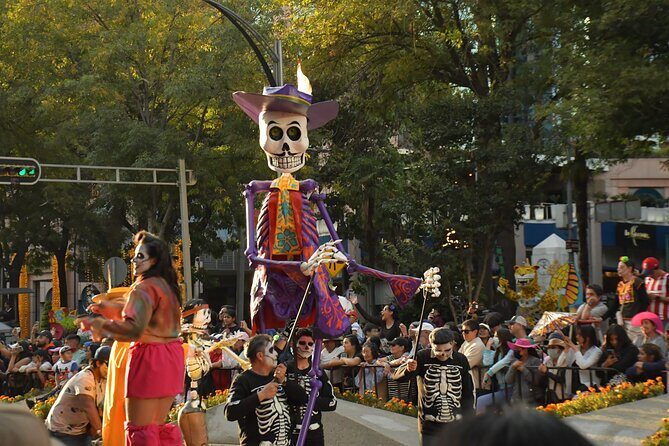
Starting in the evening is the whole point. Day of the Dead is meant to be seen in a different light—literally—when the panteón altars glow and the city’s main streets quiet down. Even if you’ve seen daytime photos online, night changes the mood: you’ll notice details you would normally miss, like candle arrangements, small offerings, and family-made altar elements.
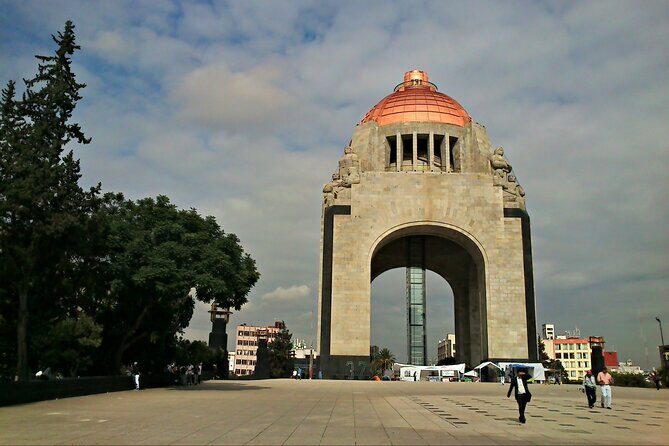
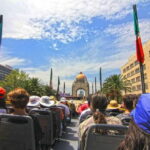
You’ll also get a city view layer before you hit the cemetery. On the ride out, you pass landmarks such as Monumento a la Revolución, Ángel de la Independencia, and Paseo de la Reforma. That matters because Mexico City can feel huge and confusing at night; the route gives you a quick sense of direction while you’re still fresh.
One more thing: you’re not just walking into a monument. This tour treats Day of the Dead as a living tradition—something happening now, with families and community energy. If you show up ready to look closely and ask questions, this experience rewards you.
You can also read our reviews of more city tours in Mexico City

Inside the group: buses, English guidance, and the traffic reality
This is an organized tour with round transportation from the meeting point, and it’s offered in English with a certified guide. You’ll start at 6:00 pm, but you should plan for earlier queueing. In practice, people have reported waiting begins well before the departure time, so I’d treat the pickup as a “show up early and be patient” situation.
The group size ceiling is 99 people, and that scale can change the vibe. With that many people moving together, the tour often becomes about logistics: where you line up, how fast buses load, and how quickly you’re herded to the next stop. Even when guides do a solid job, the crowd itself can limit how much personal attention you get.
Audio can also be an issue on long bus rides. If you end up sitting far from the guide, you might struggle to hear the explanation. My practical advice: sit toward the front if possible, or at least shift closer when you see the guide speaking.
Finally, the night involves holiday traffic. Mexico City celebrations can lock down streets, which can make the bus portion longer than you expect. That’s not a tour-specific flaw; it’s the holiday setting. Still, it means you should go in expecting that some of your time will be spent on the road and in boarding lines.
Panteón after dark: altars, dark paths, and what to look for
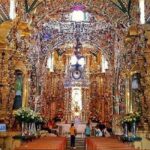
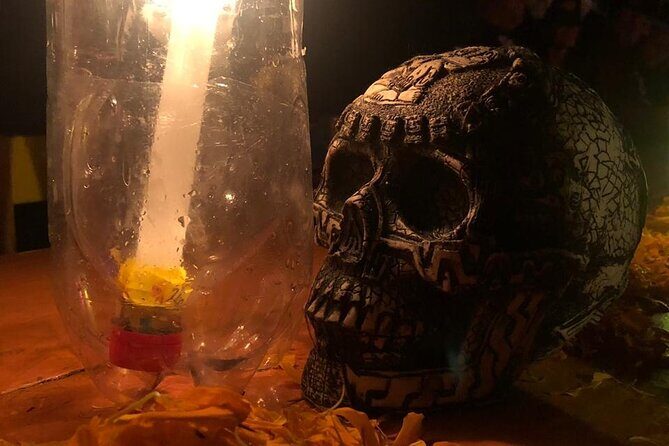
Your panteón stop is built around the part many visitors skip: being in a cemetery at night. You’ll have about 2 hours at the cemetery, and admission is covered. The big takeaway is what the altars represent. Families craft offerings to honor ancestors, and your guide explains how those ideas mix pre-Hispanic beliefs and Catholic practices around death.
What makes this stop special is the meaning. You’re not just seeing grave sites—you’re seeing living family work: decorations, offerings, and personal details. If you pay attention to the altar materials and setup, you’ll start to understand the symbolism fast, without needing a textbook.
Darkness changes how you explore. One practical risk in cemeteries at night is walking paths that are hard to read. I’d bring a small flashlight (or use your phone flashlight carefully) so you don’t accidentally step off track. Also wear shoes with real grip; the ground can be uneven and slippery.
If you care about photos, this is the time. But don’t treat it like a quick scroll. You’ll get the most out of it when you slow down and look for the altar elements your guide highlights. Those details are what turn the visit from pretty candles into a real cultural moment.
Xochimilco by trajinera: chinampas, mariachi, and the reality of night cruising
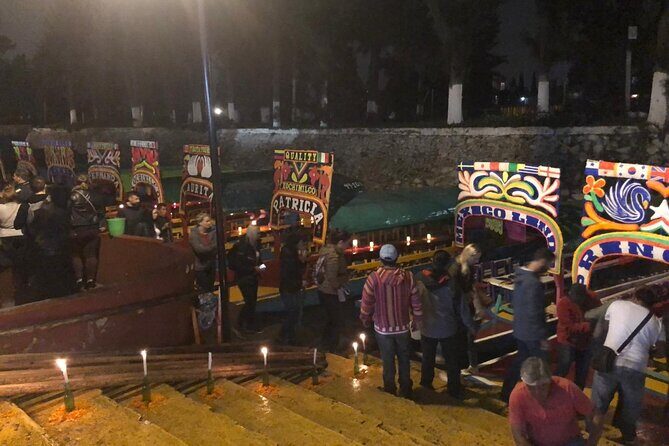
After the cemetery, the night shifts to Xochimilco—an area famous for its canals and floating gardens (the chinampas). You’ll enjoy a trajinera ride for about 2 hours, and live mariachi is part of the experience. This is where the tour becomes more social and musical, not just reflective.
The ride is the star. You glide through the canals, and chinampas and shore activity appear in flashes as the boats move. In darker conditions, you’ll see less “scenery” in the postcard sense, but the experience still works because of the music and the feeling of being on the water with others.
Dress for the water. Even if you start the night warm, canal breezes can cool you down fast. Bring layers you can actually manage on a boat, and consider a light rain layer just in case. When the weather shifts, it’s harder to enjoy the views—but the mood can still stay fun if you’re prepared.
Food and drink aren’t included in the tour price, but you’ll have opportunities to buy things at the stops. That’s important because some people come hungry from a long bus schedule. I’d plan on eating at least one snack during the evening, because “not included” here can turn into “I’m starving later.”
And yes, the mariachi matters. This is one of the most praised parts of the experience: the live band brings energy when you might otherwise feel tired from waiting and travel. If you’re a music person, you’ll probably feel like the second half was worth it just for that.
Food and drinks: set your budget because meals aren’t included
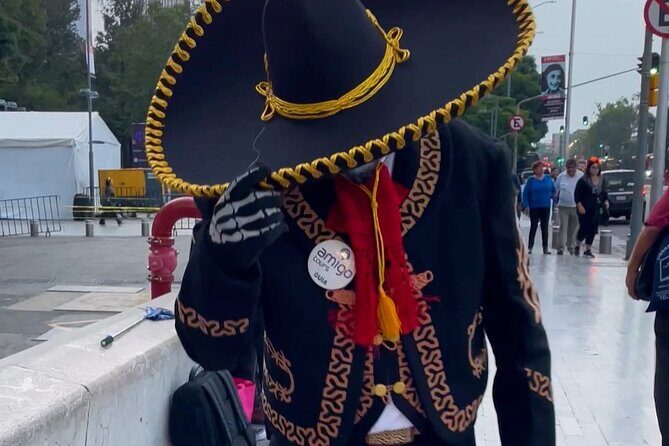
Food and beverages are not included. That can be fine if you go in with a plan, but it can be frustrating if you assume the night will be fully covered.
Here’s how I’d handle it:
- Budget for snacks or dinner during the panteón area and/or on the Xochimilco side.
- If you’re someone who gets cranky when hungry, eat earlier rather than waiting for the “ideal moment.”
- Keep cash or card ready for vendors. People do buy drinks and food during both parts of the night.
One more practical point: if you’re trying to time your meal around waiting lines, keep expectations flexible. A tour running on holiday logistics doesn’t always give you the kind of perfectly-timed free time that strict schedules do.
When you plan for this, the lack of included meals stops being a problem. When you don’t, you’ll feel it.




Price and value: does $73 buy you enough?

The price is $73 per person, for about 7 to 8 hours. What you do get is meaningful: round transportation from the meeting point, a certified guide, panteón admission, a trajinera boat ride, and a live mariachi performance. That’s a lot bundled into one evening, and it’s convenient if you don’t want to arrange transportation across town on a holiday night.
Where value can slip is in the time you spend traveling. If your day of music and altars gets squeezed by delays, it can start to feel expensive for what you actually see and hear. In the worst-case scenario, the bus time and waiting cut into your “museum-like” moments at the cemetery or reduce how much time you get to enjoy the canal ride.
So I’d judge value based on your tolerance for logistics:
- If you’re flexible and like the idea of a structured night that’s mostly pre-planned for you, $73 can feel fair.
- If you have low patience for delays, or you want tight timing down to the minute, this might not feel like a bargain.
The one thing that helps is the included mariachi and the fact that you’re getting two big Day of the Dead-style settings: a cemetery at night and a canal celebration in Xochimilco.
Who this tour suits best (and who should skip)
This tour makes the most sense for you if:
- You’re in Mexico City for a limited time and want a single-night Day of the Dead experience that covers both panteón and Xochimilco
- You like guided context—understanding why altars are built and what the symbols mean
- You’re happy to end the night with live music and a relaxed social vibe on the water
It’s a weaker fit if:
- You want a small-group, quiet, deeply guided experience with lots of personal attention
- You’re very sensitive to missed minutes due to traffic or loading delays
- You’re expecting fully planned meals or drinks as part of the ticket
There are also clear eligibility notes: the tour says children under 12 aren’t permitted, and it has a maximum group size of 99. If you’re traveling with kids or you’re looking for an ultra-custom pace, you’ll want to look for a different format.
One last “fit” detail: you’ll be riding on a busy holiday schedule, so if you want to keep control of your night, go in with a backup plan for how you’ll handle delays without ruining your mood.
My practical verdict: should you book this Day of the Dead tour?
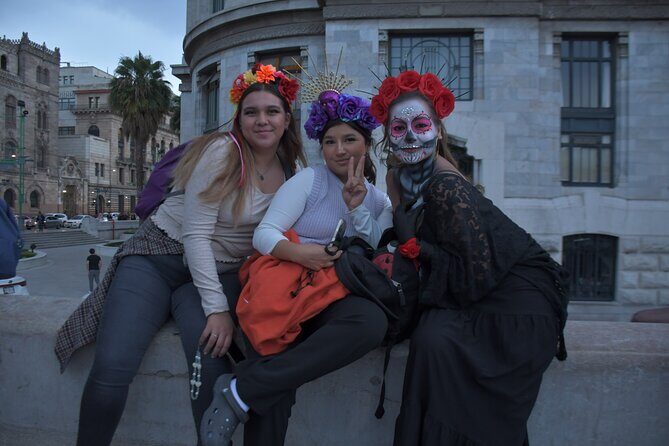
If your goal is a classic Mexico City Día de Muertos night with altars at a panteón and a trajinera ride with mariachi, this tour can deliver real magic—especially in the second half. I especially like it for people who don’t want to navigate Xochimilco logistics and who appreciate live music as part of the celebration, not an add-on.
But I’d be honest about the tradeoff: it’s a large-group, holiday-traffic tour. That means waiting is part of the package, and your time at each stop may swing depending on how the night goes. If you’re the type who needs a tight schedule, you may feel shortchanged.
My advice: book it only if you can handle “night logistics” with good humor. If you can, you’ll likely walk away with the kind of memory that isn’t just photos—it’s sound, candlelight, and a shared celebration.
FAQ
What time does the Day of the Dead tour start?
It starts at 6:00 pm.
How long does the tour take?
It runs about 7 to 8 hours.
Is the tour offered in English?
Yes, the tour is offered in English.
Is food and drinks included in the price?
No. Food and beverages are not included.
What is included in the ticket?
Round transportation, a professional certified guide, entrance to the panteón, a trajinera boat ride at Xochimilco, and a live mariachi performance.
Does the tour include admission to the cemetery?
Yes. Entrance to the panteón is included.
How long is the panteón visit?
You’ll spend about 2 hours at the panteón.
How long is the trajinera ride at Xochimilco?
You’ll spend about 2 hours on the trajinera ride.
Are children allowed on this tour?
Children below 12 years old are not permitted.
What is the maximum group size?
The tour has a maximum of 99 travelers.
Cancellation question
Can I cancel for a full refund?
Yes. You can cancel up to 24 hours in advance for a full refund.