REVIEW · MEXICO CITY
Mexican Bread Interactive Master Class
Book on Viator →Operated by What To Do In Mexico City · Bookable on Viator
Sweet bread lessons beat museum time.
This Mexico City workshop turns bread into an experience you can smell, touch, and share. I like that it’s hands-on with a professional baker, and I also like the calm outdoor terrace setting while you work and bake. With English instruction and a small group, you get room to ask questions instead of watching from the sidelines.
One thing to plan around: the sample breads are seasonal. Pan de Muerto shows up in October and November, and Concha is listed from February until September—so your exact menu depends on when you go.
In This Review
- Mexican Bread Interactive Master Class: Key takeaways
- Rooftop Breadmaking in Mexico City: What the 2.5 Hours Really Feel Like
- What You’ll Learn: Mexican Sweet Breads and the Meaning Behind Them
- The Workshop Flow: How the Class Keeps You From Standing Still
- Pan de Muerto vs Concha: Choosing the Right Time for Your Bread Craving
- The Terrace + Coffee Finish: Why the Setting Is Part of the Lesson
- Price and Value: Is $71.82 Worth It?
- Practical Details That Make or Break Your Experience
- Who This Bread Class Is Best For
- Should You Book It?
- FAQ
- How long is the Mexican Bread Interactive Master Class?
- Is the class offered in English?
- What breads are included during the year?
- Where does the class meet?
- How big is the group?
- Do I get a mobile ticket?
Mexican Bread Interactive Master Class: Key takeaways

- Professional baker-led instruction focused on the bread-making process, not just a quick demo
- Small groups (max 12) so you can actually participate and get help
- Terrace time in Mexico City while you bake, plus coffee to finish
- Seasonal bread options like Pan de Muerto (Oct–Nov) and Concha (Feb–Sep)
- English instruction with a mobile ticket for easy arrival
- Food + culture in the same lesson, including social customs tied to baking and eating
Rooftop Breadmaking in Mexico City: What the 2.5 Hours Really Feel Like
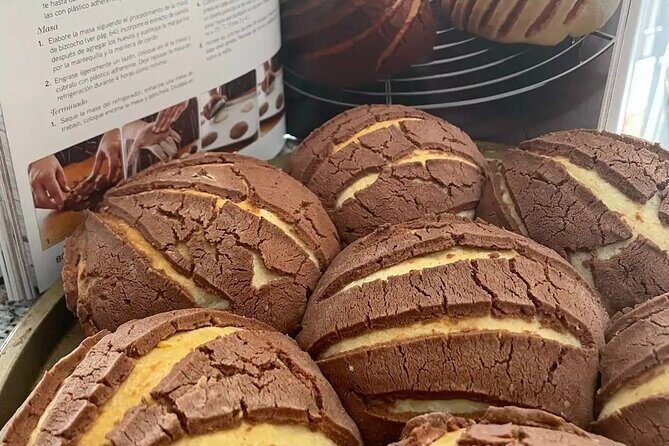
This is the kind of class that works because it’s practical. You don’t just learn facts about Mexican sweet breads; you make them. The format is built for a relaxed, hands-on pace for about 2 hours 30 minutes, which is long enough to get real momentum and short enough that you won’t feel stuck waiting around.
The vibe is specifically tied to the outdoor terrace in Mexico City. Even if your day is packed with sightseeing, this kind of break helps. You get fresh air, a slower rhythm, and the simple payoff of bread warm from the oven (or at least baked during the session).
I also like the small-group cap: 12 travelers maximum. That matters for bread classes because dough can be forgiving, but technique still benefits from a second set of eyes. In this setup, you’re not lost in a crowd.
You can also read our reviews of more tours and experiences in Mexico City

What You’ll Learn: Mexican Sweet Breads and the Meaning Behind Them
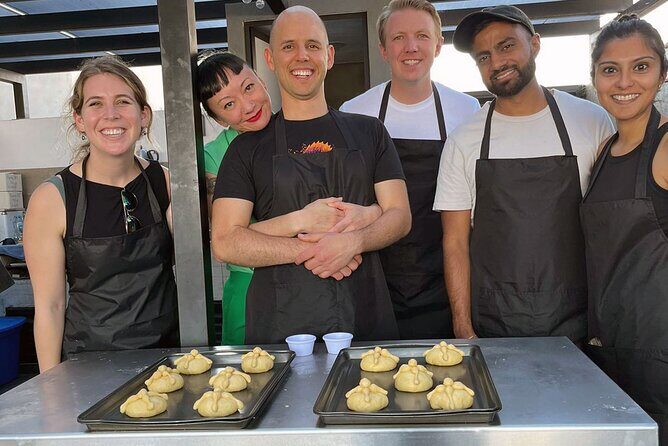
The workshop centers on Mexican sweet breads, with the baker guiding you through what makes them distinct. The key phrase here is that you’ll learn about the different breads, then put that knowledge to work. That pairing is where the class becomes memorable.
Here’s what the sample menu shows:
- Pan de Muerto (available October & November): tied to Day of the Dead traditions
- Concha (available February through September): Mexico’s go-to sweet bread often served with coffee
Even if you’re not a bread geek, these names carry weight. Pan de Muerto isn’t just a “dessert bread,” it’s a cultural symbol. Concha is popular because it hits a sweet spot: recognizable shape, comforting flavor, and an easy match with hot coffee.
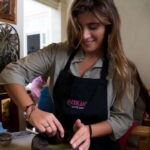
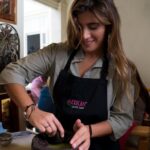
A strong moment from instructor feedback: Elizabeth is described as cheerful and the kind of teacher who explains what each process means. That’s more valuable than it sounds. When someone tells you what you’re doing and why it matters, you learn faster and you’re more likely to get good results instead of guessing.
The Workshop Flow: How the Class Keeps You From Standing Still
Because this is an interactive master class, expect a real “do this, then this” rhythm. You’ll bake with full instruction—so plan to roll up your sleeves (not literally, but wear clothes that you don’t mind getting a little flour-adjacent).
A typical sequence in a hands-on bread class like this usually includes:
- learning what bread you’re making and what gives it its character
- active mixing and shaping steps with guidance
- baking and finishing, while the instructor keeps an eye on consistency and timing
- sitting down afterward to eat what you made, paired with coffee
The practical advantage: you learn by doing, not by watching. And because the instruction is individualized, you’re less likely to end up with a batch that’s uneven, underbaked, or just not quite right.
One more note from instructor style: the class is described as friendly and welcoming, with explanations of each step. That matters most when you’re unfamiliar with Mexican sweet breads. You want clear cues you can follow, plus permission to ask questions without feeling rushed.
Pan de Muerto vs Concha: Choosing the Right Time for Your Bread Craving
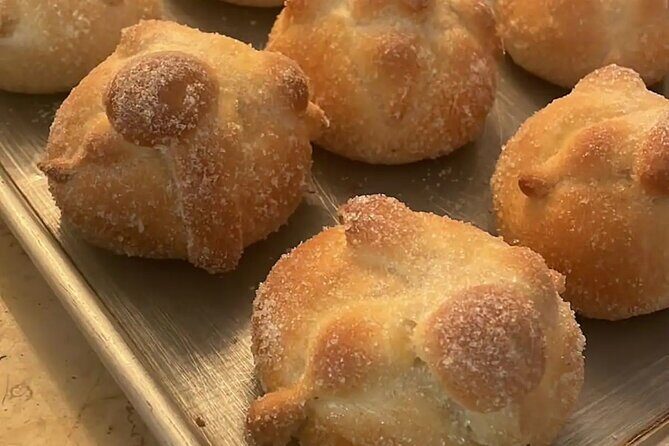
If you’re booking around a specific bread name, timing matters here. The class lists Pan de Muerto for October and November and Concha from February through September.
So your decision boils down to: are you traveling in a season that matches the bread you want most?
- If you want Pan de Muerto, you’ll likely need an October or November date. This is the bread that’s connected to Day of the Dead, so it can feel extra meaningful if you’re in Mexico City during that period.
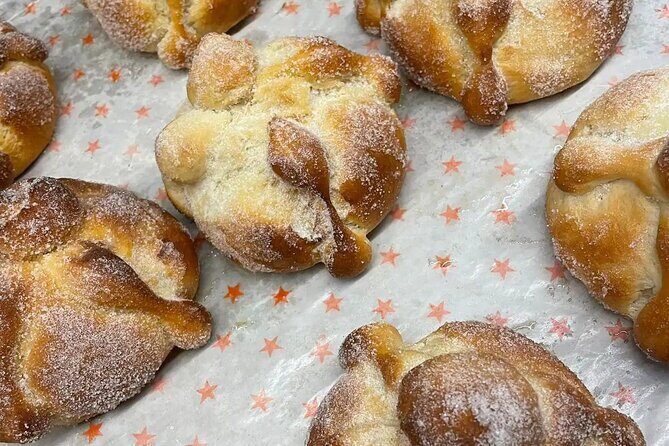
- If you want Concha, the class aligns best from February to September. It’s the bread many people picture when they think of sweet Mexican baking, and pairing it with coffee is basically part of the experience.
If you go in a “wrong” month for your favorite bread, you won’t necessarily lose the value of the class—you’ll still learn Mexican sweet bread methods—but you might not get the specific sample dessert you were dreaming about.
The Terrace + Coffee Finish: Why the Setting Is Part of the Lesson
This class isn’t held in a sterile kitchen box. The described experience includes a tranquil outdoor terrace in Mexico City while you bake. That small detail changes how the whole thing feels.
Food classes can sometimes feel like lab work. Here, the terrace setting adds a softer pace: you’re working with dough and scents, then finishing with a coffee pairing. It’s a simple formula—hands-on baking, then eating what you made—but it lands because the atmosphere is calm and you can actually enjoy the moment.
And that taste moment matters. Learning a recipe is one thing. Eating the result right away helps you understand the balance of sweetness, texture, and aroma. It also helps you connect the bread to everyday Mexican habits—having something sweet with coffee, sharing snacks, and slowing down to enjoy the work you just did.





Price and Value: Is $71.82 Worth It?
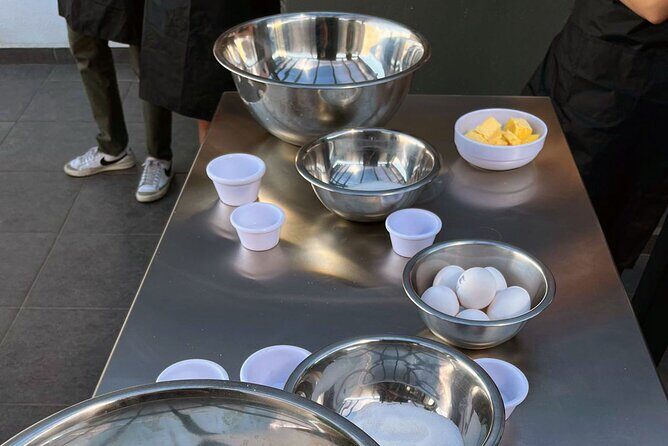
At $71.82 per person for about 2.5 hours, you’re paying for a few things at once:
- instruction from a professional baker
- active participation (not just watching)
- a small group size (max 12)
- a terrace-based experience with coffee and the bread you make
- English-language guidance
If you compare this to paying for a standalone food tour, you’re likely getting more “hands-on time.” And if you’ve ever taken a cooking class where you mostly chop ingredients and wait, you’ll appreciate this one’s focus: baking and learning technique with full instruction.
Could it be overpriced if you only want a quick snack and zero effort? Yes. If your goal is to eat, not learn, you might be happier elsewhere. But if you want a skill you can repeat at home, the value makes more sense.
Practical Details That Make or Break Your Experience
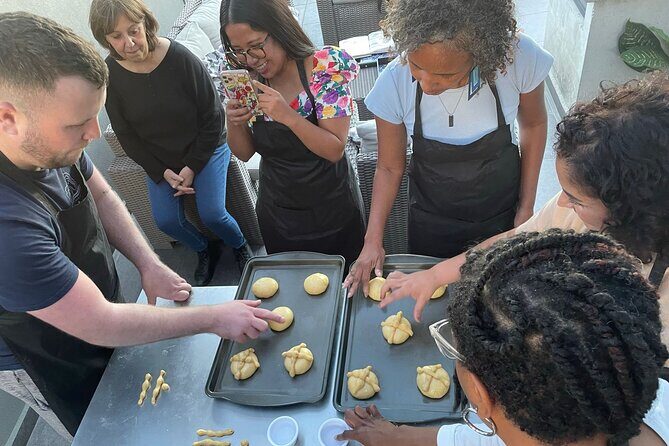
This workshop uses a mobile ticket and is offered in English. It also caps at 12 travelers, which usually means the teacher can keep a closer eye on the group.
Your start location is listed at:
Cto. Interior Mtro. José Vasconcelos 76, Colonia Condesa, Cuauhtémoc, 06140 Ciudad de México, CDMX, Mexico
It ends back at the meeting point, so you’re not left figuring out where to go next. The meeting point is also described as near public transportation, which helps if you’re combining it with other Mexico City plans.
What I suggest you do:
- Arrive with enough time to settle in and get comfortable before baking starts.
- Wear something flexible. Bread work is messy in the best way, and you don’t want to worry about your clothes.
- Come hungry, but don’t come so full that you can’t enjoy the coffee-and-bread finish.
- If you care about Pan de Muerto vs Concha, match your date to the season listed.
Who This Bread Class Is Best For
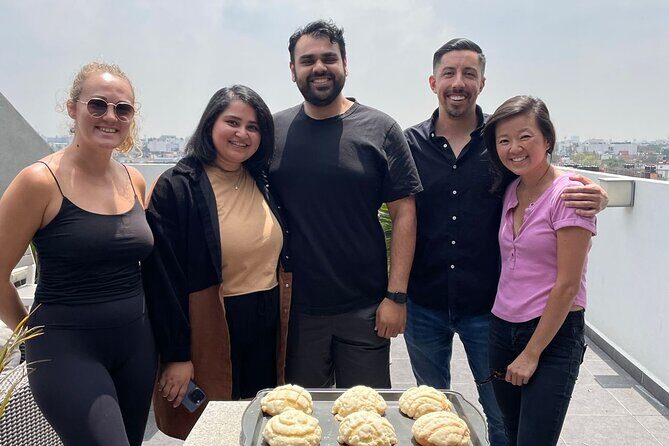
This works best if you fit one (or more) of these:
- You like learning by doing, not just listening
- You’re curious about Mexican sweet breads and want context behind the flavors
- You want a small-group food activity with actual instruction
- You enjoy social, relaxed experiences where you can talk, not just line up
It might not be your perfect match if:
- You only want savory cooking (this class is focused on sweet breads)
- You dislike hands-on food work and prefer tasting-only experiences
- You booked purely for a specific bread name without checking the season
Should You Book It?
Book it if you want a skill-based Mexico City food moment: bake Mexican sweet bread with a pro baker, get explanations you can follow, and finish with the bread paired with coffee. The terrace setting helps, and the small-group limit keeps the experience personal.
Skip (or consider a different class) if you’re visiting only for quick bites, or if you’re set on Pan de Muerto and your travel dates fall outside October–November. In that case, you can still enjoy the session, but your timing won’t line up with that particular dessert bread.
If you’re choosing between “another walking tour” and “a hands-on food class,” this one leans toward the kind of memory you’ll talk about later—because you made it.
FAQ
How long is the Mexican Bread Interactive Master Class?
It runs about 2 hours 30 minutes.
Is the class offered in English?
Yes, the class is offered in English.
What breads are included during the year?
Pan de Muerto is available during October and November, and Concha is available from February until September.
Where does the class meet?
The meeting point is Cto. Interior Mtro. José Vasconcelos 76, Colonia Condesa, Cuauhtémoc, 06140 Ciudad de México, CDMX, Mexico, and the activity ends back at the meeting point.
How big is the group?
The class has a maximum of 12 travelers.
Do I get a mobile ticket?
Yes. The tour uses a mobile ticket.