REVIEW · OAXACA CITY
Private Day Tour including Artisan Villages of Alebrijes and Black Pottery
Book on Viator →Operated by Circuitos por México · Bookable on Viator
Craft hands, not copycats. This private 7–8 hour Oaxaca day tour strings together black pottery and alebrijes in a way that feels practical: you get real studio time, then a quick hop to the next craft world. I like that you’re not stuck in a big bus shuffle, and you can ask questions while artisans show their process. I also like the mix of hands-on watching plus context stops like a 16th-century church and ceramics museums. The main drawback to plan around is that on some days you may see more retail than active making—like pottery studios that are less “in production” at the moment you arrive.
A strong guide makes this one work. Guides such as Gerardo, Juan, and Fransisco (with drivers like Jesús) can turn a route of stops into a day with stories you’ll remember, including market details and how the craft scenes link up across towns.
In This Review
- Key Highlights You’ll Care About
- What This Tour Really Is: A Craft Day With Built-In Context
- Doña Rosa Studio and Black Pottery: Watch the Draft-and-Burnished Process
- 16th-Century Church and Ceramics Museums: Why the Context Stops Matter
- Alebrijes in San Martín Tilcajete: The Wood, the Carving, the Character
- Ocotlán de Morelos Craft Stops: Pottery, Weaving, and Market Energy
- Markets and Lunch: The Part That Keeps the Day Enjoyable
- Guides, Drivers, and the Smooth Rhythm of a Private Route
- Price and Value: Is $221 Per Person Reasonable?
- Who This Tour Fits Best (and Who Might Want a Different Option)
- Should You Book This Artisan Villages Tour?
- FAQ
- How long is the private artisan villages tour?
- Is hotel pickup included?
- Is this tour private or group-based?
- What language is the tour offered in?
- What stops are included for black pottery?
- Do you also visit alebrijes?
- Is there a market stop?
- What’s the cancellation policy?
Key Highlights You’ll Care About
- Doña Rosa Studio black pottery demo: see traditional draft-and-burnished techniques up close.
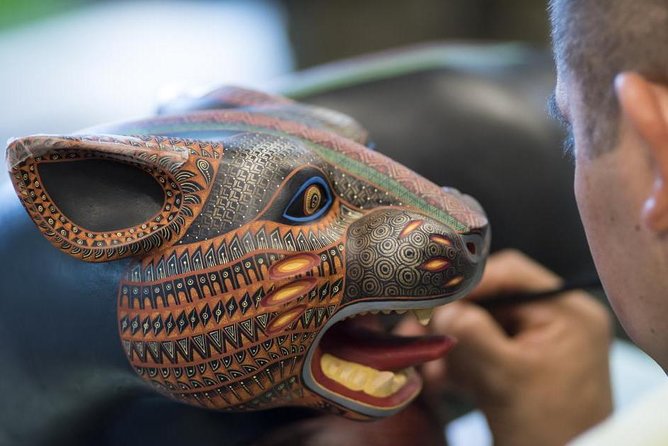
- Alebrijes at San Martín Tilcajete: watch how wooden animals get carved and painted.
- Ocotlán de Morelos craft trail: ceramics plus weaving stops, often paired with a market visit.
- Friday market timing: if your day matches, you can catch the weekly market in Ocotlán de Morelos.
- Hotels get you moving fast: pickup and drop-off keep your day from turning into logistics.
What This Tour Really Is: A Craft Day With Built-In Context
This is the kind of Oaxaca tour that works best when you want two things at once: firsthand craft viewing and enough background so the work makes sense. Instead of bouncing around only for photos, you’re guided through the “how” behind the objects—black pottery methods, carved wood figures, and textiles—then topped off with landmarks and museum space.
The private format matters. When you’re on your own group schedule, it’s easier to slow down where your interest is strongest. If you love pottery, you can linger near the demonstration. If you’re more into alebrijes and the play of colors on carved wood, you can spend your attention there. And because pickup is included, you’re less likely to lose your best daylight to getting started late.
That said, don’t expect every stop to run like a full-time workshop class. Oaxaca craft towns often have studios and market areas that function as both work spaces and sales spaces. You’ll usually see real process, but the level of active making can vary by day and timing—one reason I’d consider this a watch-and-learn tour, not a guarantee of constant hands-on production at every single table.
Doña Rosa Studio and Black Pottery: Watch the Draft-and-Burnished Process
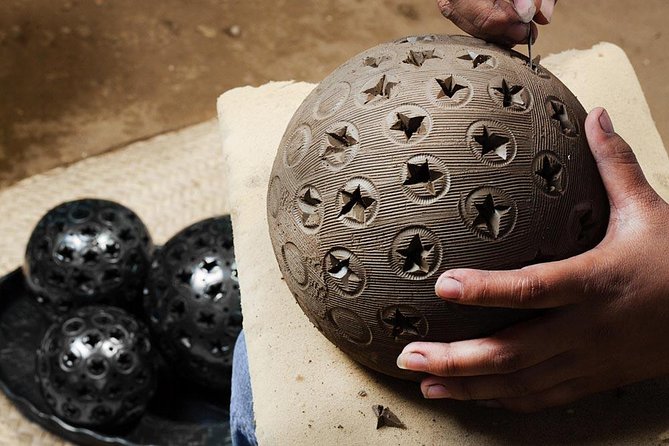
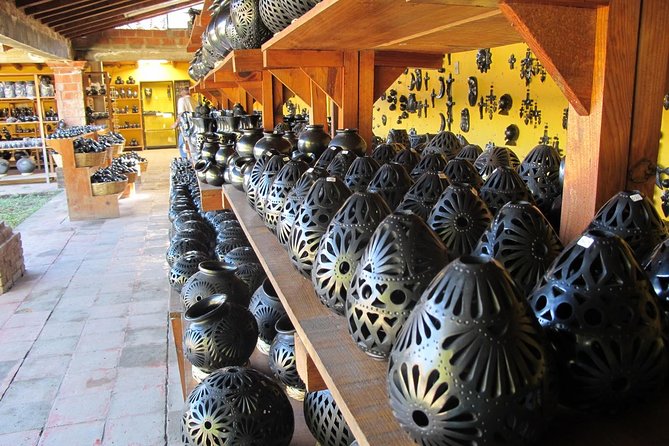
Your anchor stop is Doña Rosa Studio, where you’ll see black pottery made using pre-Hispanic techniques described as draft and burnished. Even if you’ve seen black ceramics before, there’s a difference between seeing a finished piece and watching how the maker thinks through form and surface.
What I like about this stop for your day: it gives you a foundation. Once you understand the “why” of black pottery—the way the technique shapes the surface and how the finished look is achieved—you’ll spot more meaning in the rest of the craft route. The studio also puts you in direct conversation mode. If your guide is the kind who can translate what’s happening step-by-step, you’ll get more than visual content.
Practical tip: bring an extra-minute mindset. Studio demos can be quick, but your best moments are usually the small ones—how tools move, how the maker talks about surface, and how the object transitions from rough shape to something that looks polished and deliberate. If you’re the type who loves close-up observation, this is where you’ll feel satisfied.
16th-Century Church and Ceramics Museums: Why the Context Stops Matter
A craft day can get repetitive if every stop is only “here are the products.” This tour adds pauses for place. You’ll see a beautiful 16th-century church, plus a Museum of Ceramics and the State Museum of Popular Art.
Those stops do two useful jobs for you:
First, they anchor the crafts in Oaxaca’s long timeline. Black pottery and carved figures aren’t just souvenirs; they’re part of a broader regional identity that grew and changed over time. Second, museums reset your energy. After a few hours of moving between studios and markets, stepping into museum rooms gives you a chance to sit, look slowly, and build connections between objects and the people who make them.
If you’re short on patience for indoor sightseeing, focus on what helps you connect the dots. Look for exhibits that explain materials, regional styles, and the role of popular art in daily life. Then you’ll enjoy the stops instead of simply tolerating them.
Alebrijes in San Martín Tilcajete: The Wood, the Carving, the Character
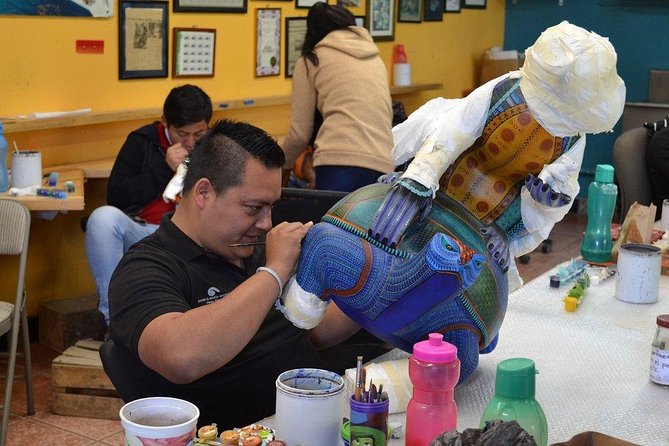
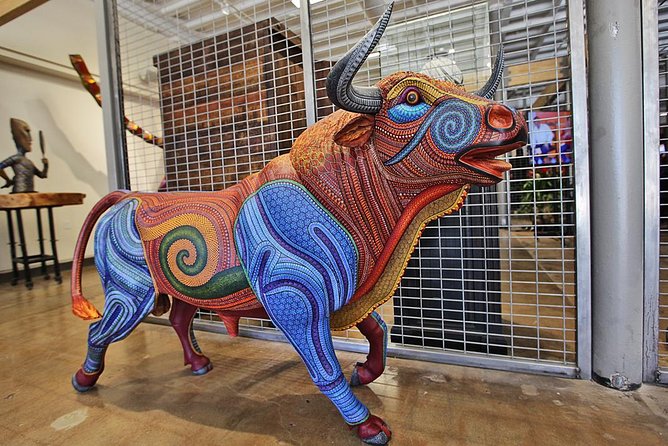
Alebrijes are one of those Oaxaca crafts that can feel instantly recognizable: quirky wooden animals with bold paint. But the “wow” deepens fast when you see the carving stage and how the final personality is created.
On this route, you may visit Jacobo Angeles Alebrijes in San Martín Tilcajete, where the figures are hand carved and painted. This is a great match for your curiosity because you can compare the animal forms to what you’ll later see in finished products. You start to notice that alebrijes aren’t just random decoration. There’s structure in how the pieces are shaped, and style in how colors and details are applied.
A smart way to enjoy this stop: keep asking yourself what you like. Is it the facial expression? The way the body lines flow? The color placement? If you do that, you’ll get more out of the demo because your attention becomes selective—and selective attention is where learning happens.
Also, keep an eye on pacing. Some days you’ll have time to browse. Other days you’ll be more “watch, then move.” With a private tour, your guide can help you balance buying with actually seeing the work.
Ocotlán de Morelos Craft Stops: Pottery, Weaving, and Market Energy
Another highlight is the stretch through Ocotlán de Morelos, where ceramics and other crafts show up in a more village-forward way. In at least one version of this day, the route includes stops connected to Maestro Jose Garcia Antonio for red clay ceramics, plus markets such as Mercado Ocotlán and La Cocina de Frida (an indoor market and restaurant area). You may also see Palacio Municipal Ocotlán murals.
Here’s why you’ll likely enjoy this part: it feels like you’re moving through “craft plus community,” not only craft manufacturing. Markets make that difference. A shop can sell. A market shows how people live with those crafts in the real rhythm of the town.
If your tour day lines up with a Friday, you may catch the weekly market in Ocotlán de Morelos. That’s a big plus because markets add atmosphere and variety—more textures, more colors, and more opportunities to see how crafts get displayed and sold.
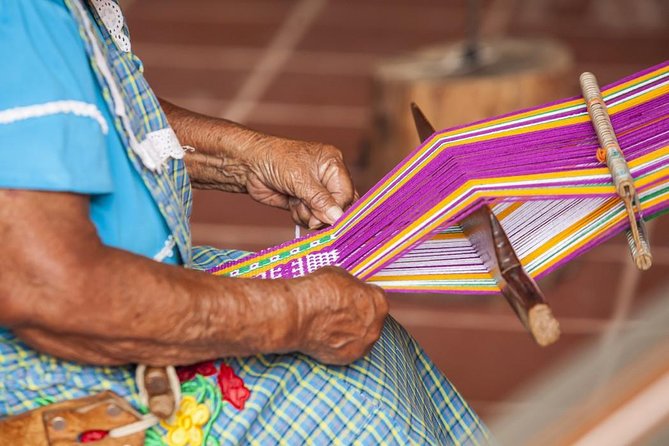
Weaving also appears on this route, with a stop at Mercado Santo Tomás Jaliez, where woven cotton products are highlighted. If textiles are your thing, this is a good counterbalance to wood carving and pottery. You’ll feel the difference in skill sets right away.
Quick note on expectations: markets can be crowded and time-sensitive. If you want shopping time, decide early what you’re looking for so you don’t lose an hour of “just looking” when your schedule is moving.
Markets and Lunch: The Part That Keeps the Day Enjoyable
One of the most underrated elements of a long craft day is lunch timing. This tour typically includes a stop for a nice lunch along the way. I like that, because it keeps you from turning hungry and grumpy while trying to watch demonstrations.
When you eat during a day like this, do two things:
- Pick something easy to eat while still sitting comfortably for a bit.
- Don’t over-plan your next stop while you’re chewing. Let the guide take the lead on timing.
If you’re the type who gets motion sickness, markets and driving can add up. Eating earlier in the day can help you enjoy the ride between towns and keep you steady for the museums after.
Guides, Drivers, and the Smooth Rhythm of a Private Route

A big part of the praise for this experience is how it feels with a guide. You’ll see names like Gerardo, Juan, and Fransisco tied to knowledge and a friendly pace, and drivers like Jesús who keep the driving portion handled so you can focus on the day.
Here’s what that means for you, practically:
- You’ll get more out of craft demos when the guide translates what you’re seeing.
- You’ll make better decisions about where to spend time when the guide can recommend based on your interests.
- You won’t be stuck trying to solve timing issues alone.
Private doesn’t just mean fewer people. It means you can treat the day like a conversation with a plan, not like a checklist.
Price and Value: Is $221 Per Person Reasonable?

At $221 per person for about 7 to 8 hours, the value hinges on what you want most: depth in craft observation or just a quick souvenir circuit.
For most people, it’s worth it if:
- You want pickup and drop-off from your hotel (saving time and stress).
- You care about the process more than only the finished items.
- You like having a guide who helps you connect craft, materials, and place.
If you’re mainly shopping for a few items and you don’t care about demos, you might feel the cost more sharply. But even then, the day includes multiple craft-oriented stops plus museums and a church, which broadens the experience beyond a single shopping zone.
My take: this is priced like an organized, private craft day with enough stops to feel full, but not so crowded you can’t enjoy the learning parts. If you compare it to the “cheaper but stressful” alternative of figuring out everything yourself, the price starts to look more sensible.
Who This Tour Fits Best (and Who Might Want a Different Option)
This tour fits best if you:
- Like crafts with a strong maker story behind them (pottery techniques, carving, weaving).
- Want a private feel with a clear route and built-in context stops.
- Enjoy markets and don’t mind that a few stops may shift between studio and shop mode depending on what’s happening that day.
You might want a different option if you:
- Need constant “hands working right in front of you” at every stop.
- Dislike shopping floors that sometimes take over studio time.
- Want a highly structured museum-only day with no market energy.
If you’re traveling with seniors, families, or anyone who appreciates a guided pace, this format usually works well because the route is planned and transportation is handled.
Should You Book This Artisan Villages Tour?
If you’re excited by Oaxaca crafts and you want the day to feel like more than a photo mission, I’d book this. The strengths are clear: black pottery at Doña Rosa, alebrijes carving and painting, and a tour rhythm that includes museums and a 16th-century church so the day has meaning, not just movement.
I would book with one mindset adjustment: be open to the reality that some studio moments may be more about process explanation and product display than nonstop active production. If you keep expectations flexible, you’ll still get a satisfying craft day—especially if your guide is the kind who turns demos into clear, human stories.
FAQ
How long is the private artisan villages tour?
It runs about 7 to 8 hours.
Is hotel pickup included?
Yes. Pickup and drop-off at your hotel are provided, and you can add your address if your hotel isn’t listed.
Is this tour private or group-based?
This is a private tour/activity, so only your group participates.
What language is the tour offered in?
It’s offered in English.
What stops are included for black pottery?
You’ll visit Doña Rosa Studio, where artisans show black pottery using pre-Hispanics techniques of draft and burnished.
Do you also visit alebrijes?
Yes. The tour focuses on artisans tied to alebrijes, including visits to wood carving and painting places in San Martín Tilcajete.
Is there a market stop?
A weekly market in Ocotlán de Morelos may be included if your day lines up, and there are also market stops like Mercado Ocotlán and related indoor market areas.
What’s the cancellation policy?
You can cancel for a full refund up to 24 hours before the experience’s start time.