REVIEW · MEXICO CITY
Private Historical Tour in San Miguel de Allende and Guanajuato
Book on Viator →Operated by Daniel Mendívil Olvera · Bookable on Viator
San Miguel de Allende and Guanajuato in two days.
This private historical tour turns big-name stops into a clear story about colonial power, silver mining, and the Catholic Church’s influence—set in walkable squares, convent walls, and dramatic viewpoints. You get private transportation and pickup options, so you spend less time figuring logistics and more time noticing the details that matter.
I especially like the way this tour gives you context for what you’re seeing. The guide, Daniel Mendívil Olvera, focuses on the connections between buildings and the people who shaped them, and the experience can flex to your group’s pace and needs. That’s a big deal if you’re traveling with parents, prefer slower strolling, or have questions that pop up while you’re standing right in front of the artwork.
One consideration: some key sites have admission fees or you may need to budget for tickets on top of the tour price. Also, it’s a trip with real driving time from Mexico City, so plan for a bit of road comfort rather than expecting every minute to be on foot.
In This Review
- Key Things You Should Know
- A Private 2-Day Route From Mexico City: San Miguel and Guanajuato
- San Miguel de Allende Day 1: Convents, Government Squares, and Jardin Allende
- Stop 1: Templo y ex-convento de la Santa Cruz de los Milagros (45 minutes)
- Stop 2: Palacio de Gobierno Casa de la Corregidora (1 hour)
- Stop 3: Plaza de la Soledad (45 minutes)
- Stop 4: Jardin Allende (1 hour)
- Guanajuato Day 2: Diego Rivera, El Pipila, and the City’s Quirky Geometry
- Stop 1: Museo Casa Diego Rivera (30 minutes)
- Stop 2: Monumento Al Pipila (20 minutes)
- Stop 3: The Alley of the Kiss (20 minutes)
- Stop 4: Guanajuato School of Mines (20 minutes)
- Why the Silver-Mining and Catholic Thread Matters
- Daniel Mendívil Olvera: The Guide Makes the Difference
- Price and What You Actually Get for $350 Per Group
- Practical Tips That Make the Day Smoother
- Who Should Book This Tour, and Who Might Skip It
- Should You Book This Private History Tour?
- FAQ
- How long is the tour?
- What’s the group size limit?
- Is pickup included?
- Is the tour in English?
- Are meals included?
- Are admission tickets included for all stops?
- What is the cancellation policy?
Key Things You Should Know
- Private group (up to 5): only your people in the car and on the guided stops.
- Pickup is offered, including airport pickup: helps if you’re arriving and want a smooth start.
- Two big history themes: Catholic influence and silver-mining wealth show up across both towns.
- Several stops are free, two are ticketed: you’ll want to handle admission on arrival for the paid museums/sites.
- Viewpoints and architecture by design: places like El Pipila and the Alley of the Kiss make the town’s layout make sense fast.
- Daniel Mendívil Olvera’s flexibility: pacing and explanations can adjust to your group’s interests and needs.
A Private 2-Day Route From Mexico City: San Miguel and Guanajuato
If you only have a short window, this is one of the more efficient ways to do San Miguel de Allende and Guanajuato without feeling rushed. The tour is designed around two days, with private transportation included and a pickup option that can also work from the airport. That matters because these towns are famous for their hills and foot-friendly centers, but getting there and between them is where a lot of trips fall apart.
You’ll also like the structure: Day 1 is all about San Miguel de Allende’s colonial core—church-adjacent complexes, government buildings, and the public squares that still shape daily life. Day 2 shifts to Guanajuato’s dramatic city geography, including a mirador, a postcard-famous alley, and institutions tied to mining and education.
And yes, you will spend time driving. That’s not a bug; it’s how you earn the time saved from charting routes, parking, and ticket lines on your own. If you’re the kind of person who hates logistics eating your vacation, the private car pays you back quickly.
You can also read our reviews of more private tours in Mexico City

San Miguel de Allende Day 1: Convents, Government Squares, and Jardin Allende
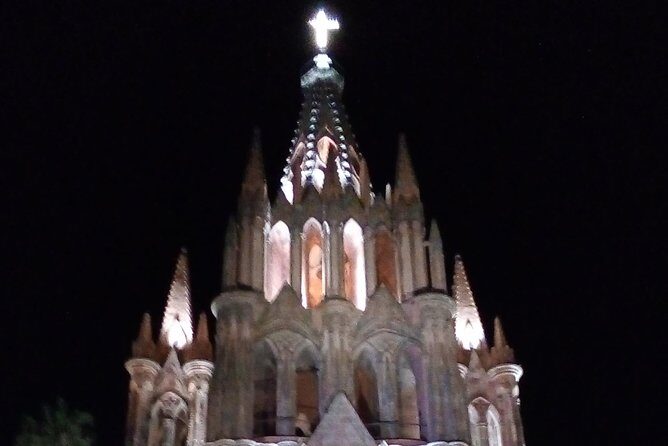
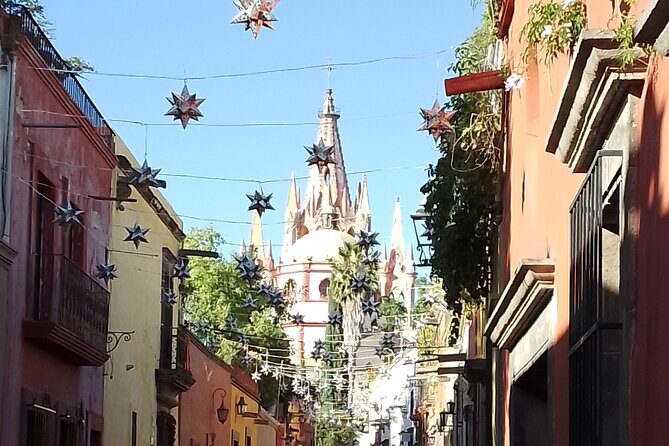
San Miguel de Allende is often described as pretty—true—but the best way to experience it is to treat it like a historical puzzle. On this day, each stop explains a different piece: religious life, civic power, and how independence-era figures fit into the same streets.
Stop 1: Templo y ex-convento de la Santa Cruz de los Milagros (45 minutes)
This is a 16th-century convent complex. That early date is the point: you’re looking at how colonial religious life was organized long before later city growth. Expect a slower, more observant visit. With places like ex-convents, the details—layout, structure, and the way the site worked as a living system—tell the story better than just passing by the facade.
Admission isn’t included here, so build a little budget and time margin for entry.
Stop 2: Palacio de Gobierno Casa de la Corregidora (1 hour)
This stop is free and it plays a practical role in your understanding of San Miguel. The Palacio de Gobierno is tied to civic administration and the stories around private power—think miner and landowner influence—and it sits in the orbit of major religious spaces and a central square with fountains.
What I love about this kind of stop: it links the “church buildings” vibe to the real question of who held authority. You start to see that religion wasn’t just spiritual. It was also social structure, education, and community leadership, all intertwined with wealth from mining.
Stop 3: Plaza de la Soledad (45 minutes)
This square is also free, and it’s more than a pretty pause. Plaza de la Soledad connects to the former city center and includes references to a former hospital and university institutions tied to clergy. In other words, this is civic life and religious influence meeting in public space.
If you like learning by walking in circles (literally), this is a good stop. The square’s role helps you understand why these towns grew where they did, and why certain buildings cluster the way they do.
You can also read our reviews of more historical tours in Mexico City





Stop 4: Jardin Allende (1 hour)
Jardin Allende is where the day’s theme comes together. You get San Miguel’s cathedral-like Gothic style idea, plus important independence-era connections. This stop also includes Ignacio Allende’s military house museum, and the Centro Cultural el Nigromante with artwork by David Alfaro Siqueiros and other notable monuments and buildings.
A practical way to use this hour: don’t just rush from photo spot to photo spot. Treat it as your “orientation stop” for the town’s meaning. The architecture here helps you understand how European styles were interpreted locally, and why independence history is part of the same visual language as churches and public buildings.
Admission is free for this block, so it’s also the best payoff per minute.
Guanajuato Day 2: Diego Rivera, El Pipila, and the City’s Quirky Geometry
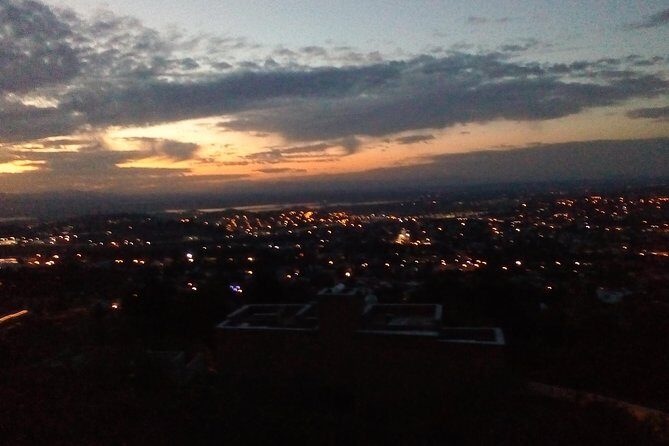
Guanajuato can feel more surprising than San Miguel at first glance. The streets and levels don’t behave like a flat-grid city. This day leans into that reality with stops that show you why people love Guanajuato: the views, the built-in photo lines, and the institutions tied to mining and religion.
Stop 1: Museo Casa Diego Rivera (30 minutes)
This is a ticketed admission stop, and it’s short on purpose: you’re not trying to live inside a museum. You’re using it as context.
Even in a brief visit, the idea of a birthplace house museum works well here. It adds a modern cultural layer after you’ve been thinking about colonial structures and mining wealth. Diego Rivera is part of Mexico’s larger artistic story, and pairing him with today’s Guanajuato landmarks helps you see that the city’s identity didn’t start and stop in the mining era.
Admission isn’t included, so plan for entry cost.
Stop 2: Monumento Al Pipila (20 minutes)
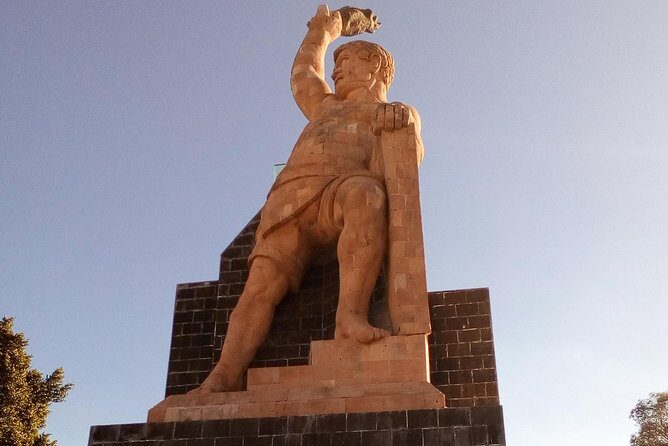
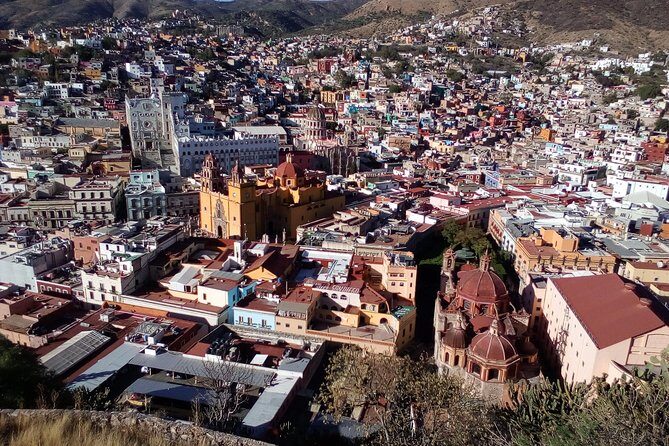
This is a free stop and it’s strongly tied to the best reason to visit Guanajuato: the mirador effect. You’ll be looking over the city from the Monumento Al Pipila area, right by a funicular that connects toward the city center.
Even if you only have 20 minutes, this is one of the places where Guanajuato’s layout clicks. From above, you finally understand the dramatic hills, the vertical neighborhoods, and why the streets feel like they’re climbing into the past.
Stop 3: The Alley of the Kiss (20 minutes)
This is free and it’s famous for a reason. The Alley of the Kiss highlights Guanajuato’s architecture and geography: balconies are positioned so people can line up for a chance to kiss from one side to the other.
It’s not just a gimmick. The alley makes the town’s geography and social life feel physical. It’s a reminder that in Guanajuato, streets and buildings aren’t separated from daily human behavior. They shape it.
Stop 4: Guanajuato School of Mines (20 minutes)
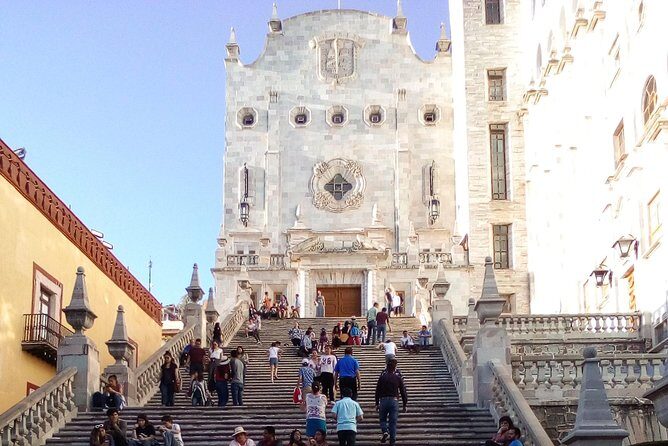
Also free, and this stop is key to understanding the silver-mining theme. The Guanajuato university is presented as a strong example of the mining world meeting religious life—two worlds that shaped daily routines, priorities, and wealth.
This is where you connect the dots from the day before. San Miguel gives you religious and civic power in colonial space. Guanajuato shows you what mining institutions look like when education and faith are intertwined.
Why the Silver-Mining and Catholic Thread Matters
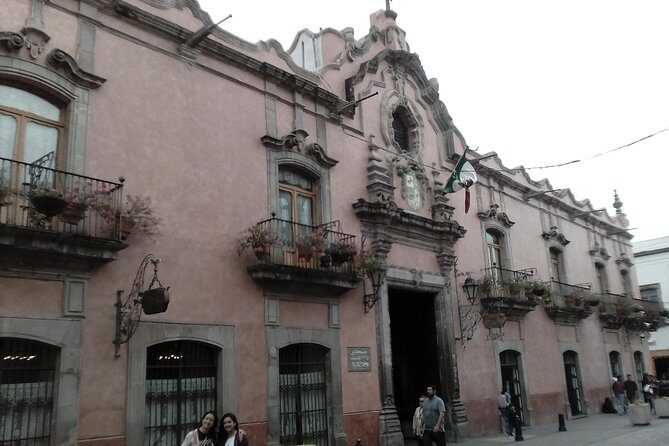
If you take one thing from this itinerary, let it be this: these towns didn’t just grow because they were pretty. They grew because they were systems—mining, government, education, and religion all reinforcing each other.
In San Miguel, you see convent-era facilities and civic buildings wrapped into central squares. In Guanajuato, you see mining-era education made visible through the School of Mines, plus the city’s steep layout that helped shape work and settlement patterns.
When your guide points out these connections, the buildings stop being “random monuments” and start acting like evidence. That’s the real value of a private guided format: you’re not just touring. You’re building a mental map of how the pieces fit.
Daniel Mendívil Olvera: The Guide Makes the Difference
This tour is private, so your guide isn’t a background figure. Daniel Mendívil Olvera is at the center of how you get value from the day. The consistent pattern is that he doesn’t treat the route like a checklist.
A big strength: clear, patient explanations that can slow down for your group. If you’re traveling with someone who doesn’t speak English, this matters a lot. The tour can pause and give time for translation so the history lands properly, not just as vague sightseeing commentary.
He’s also flexible in how the day flows. If you want more time in a place, or you realize you’d rather shift the emphasis, the tour tone supports that. And if you’re someone who likes to ask questions while standing in front of the real thing, you’ll get answers rather than a rushed, scripted speech.
Finally, the car matters more than you might think on a multi-hour itinerary. The comfort and cleanliness make the long driving segments easier, and a relaxed start helps you enjoy the walking and viewpoints when you arrive.
Price and What You Actually Get for $350 Per Group
At $350 per group (up to 5 people), this tour isn’t priced like a budget bus day trip. You’re paying for something specific: private transportation plus a guided historical route with pickup options.
Here’s how I think about value in plain terms:
- If you’re going as a couple or small group, the per-person cost becomes easier to justify because you’re sharing the private car cost.
- You’re not spending energy on directions, parking strategy, and piecing together a workable plan across two towns.
- You do get guided context at each major stop, not just a driver dropping you off.
The main “cost wrinkle” is that several sites have admissions not included—especially the places where you’d expect a ticketed entry like a major museum or an older convent complex. Meals and lodging are also not included, so you’re still planning your own food and hotel night(s).
So is it worth it? For most people, yes—if you like history with real explanations and you want the convenience of a private, guided format rather than self-driving and figuring it out as you go.
Practical Tips That Make the Day Smoother
A few planning ideas will help you get the best experience out of this route.
First, budget for admission tickets at the stops that list admission not included. On Day 1, that includes Templo y ex-convento de la Santa Cruz de los Milagros. On Day 2, that includes Museo Casa Diego Rivera.
Second, wear shoes for a walking day. Even when stops are 20 to 60 minutes, you’ll still do street walking, and both towns are built around slopes and historic centers where surfaces vary.
Third, bring a flexible mindset for pacing. This is a private tour, and part of the value is that you can adjust your focus. If you want more time to look, ask questions, or slow down for photos, the guide’s approach is designed to support that.
Lastly, think about meals as part of your planning. Meals aren’t included, but the experience works well when you use the day for walking and sightseeing and then eat like a local afterward.
Who Should Book This Tour, and Who Might Skip It
This private historical tour is a strong fit if you:
- want a guided explanation of San Miguel de Allende and Guanajuato rather than just wandering
- value convenience and prefer private pickup and transportation
- travel with family members and appreciate a pace that can adapt to slower walkers or language needs
- like the mix of architecture, independence-era references (like Ignacio Allende’s story), and the mining-and-faith thread
You might consider a different style of trip if:
- you want a fully self-guided experience where you control every stop down to the minute
- you’re sensitive to paying separate admissions for ticketed sites
- you strongly dislike driving time from Mexico City
If you want structured sightseeing with breathing room and a guide who can explain what you’re seeing in real time, this route makes sense.
Should You Book This Private History Tour?
I think it’s an easy yes for people who want more than a photo run. The itinerary is built around places that explain each other: colonial power and civic space in San Miguel, then Guanajuato’s city design plus mining-era education and big-city viewpoints.
The deciding factor for me is the guide experience. Daniel Mendívil Olvera’s patient, flexible approach can turn two days into a coherent story, not scattered stops. Add in private transportation and pickup, and the tour becomes a low-stress way to see a lot.
If you’re the type who likes history served with clear, practical context, book it and plan to spend your attention—not your time figuring things out.
FAQ
How long is the tour?
It’s about 2 days.
What’s the group size limit?
The tour is for a private group of up to 5 people.
Is pickup included?
Pickup is offered. Airport pick up is also available.
Is the tour in English?
Yes, it is offered in English.
Are meals included?
No, meals are not included.
Are admission tickets included for all stops?
No. Admission is not included for some sites, including Templo y ex-convento de la Santa Cruz de los Milagros (Day 1) and Museo Casa Diego Rivera (Day 2).
What is the cancellation policy?
Free cancellation is available. You can cancel up to 24 hours in advance for a full refund.