REVIEW · CENTRAL MEXICO
Coffee Museum and Coffee Tour el Cafe-tal apan
Book on Viator →Operated by Museo y Tour del Cafe by El Cafe-tal apan · Bookable on Viator
Coffee in the clouds.
This 4-hour experience in Coatepec mixes a hands-on coffee museum with a real plantation visit, plus a 4×4 ride through the countryside. You’ll learn how coffee goes from processing steps to the cup, then see how shade-grown Arabica lives inside a bigger ecosystem with lots of plant and animal life. It’s the kind of tour that makes coffee feel less like a product and more like a process you can picture.
What I like most is the museum’s clear, step-by-step approach to quality coffee—especially the wet and dry processing plants—and the fact you’re not stuck inside. The plantation portion adds another layer: you get to walk pathways on the property, spot the kind of biodiversity coffee farms depend on, and pause for photos by a waterfall.
One consideration: the food included is tacos and beverages, described as simple, not a long multi-course meal. If you’re hoping for an all-day foodie plan, this tour keeps it focused on coffee and the experience around it (and alcohol is not included, though it can be purchased).
In This Review
- Key things that make this coffee tour work
- Museo del Cafe: where processing becomes real
- The guide-led pace: questions are part of the plan
- 4×4 ride to the plantation: faster access, more scenery
- Shade-grown Arabica and a biodiversity-focused walk
- Coffee tasting: three coffees plus a real reason to pay attention
- Tacos and included beverages: simple, but it keeps you going
- Duration, group size, and why the tour feels manageable
- Price and value: what you’re paying for
- Who should book this tour (and who might skip it)
- Should you book Coffee Museum and Coffee Tour el Cafe-tal apan?
- FAQ
- How long is the Coffee Museum and Coffee Tour?
- How much does it cost?
- Where does the tour start and where does it end?
- What will I see at the coffee museum?
- Is there a coffee plantation visit, and how do you get there?
- What’s included for food and drinks, and is alcohol included?
- Is it offered in English, and what’s the cancellation policy?
Key things that make this coffee tour work
- Museum stops that explain wet vs. dry processing so you can connect what you saw to what you taste.
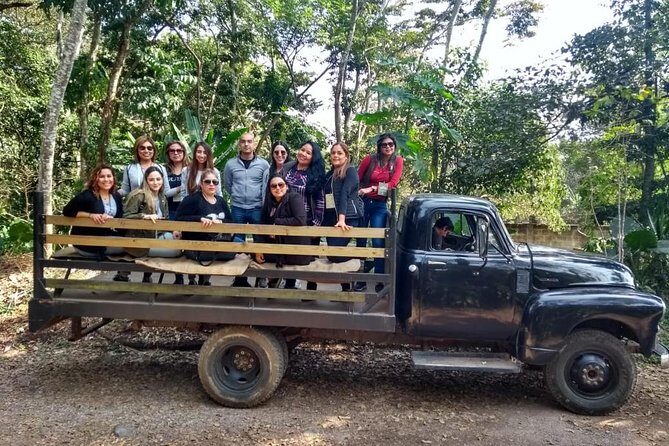
- 4×4 vehicle transport between the museum and plantation, which helps you get into the working coffee area efficiently.
- Shade-grown Arabica in a living ecosystem, with the tour highlighting a large mix of flora and fauna.
- A waterfall photo moment, giving you a memorable break after the learning and walking.
- Three coffee tastings plus tacos and included beverages, so you get payoff instead of just information.
- Small group feel (max 30), which usually makes it easier to ask questions during the guide-led parts.
Museo del Cafe: where processing becomes real
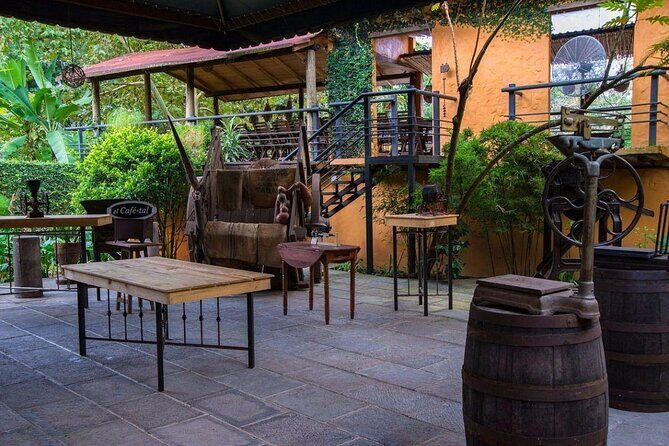
Your tour starts at Museo del Cafe, El cafe-tal apan, along the Coatepec–Trancas road. This is a smart setup because you get your bearings early, then you’re ready for the plantation without feeling rushed. Plan on the full experience being around 4 hours, and keep your schedule flexible enough for time on pathways and photo stops.
Inside the museum, the big value is how it explains coffee beyond the usual coffee-store story. You’ll see the wet processing plant and the dry processing plant, which are the two key paths used to process harvested coffee. The museum also includes antique rooms and spaces that help you understand where coffee’s methods and traditions come from, not just what happens in a modern factory.
A practical way to think about this: when you later taste coffee at the plantation, you’ll have a framework. You’ll be able to ask yourself things like, Did this coffee likely come from a wet or dry process? Does the flavor profile match what I learned about processing steps? Even if you don’t get super technical, having the mental map makes the tasting more fun and more meaningful.
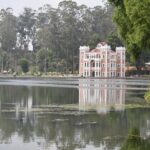
The museum grounds also play a role. There are green areas and gardens, plus a souvenir shop and parking. That means if you come early or your group finishes one section a bit ahead of pace, you still have pleasant space to wait without it feeling awkward. The gardens are also useful for photos, especially if you’re traveling with someone who wants both learning and scenery.
If you’re the type who likes to understand the why—not just watch the what—this museum format works well. It’s not just posters. It’s walkthrough spaces tied to the production story.
You can also read our reviews of more museum experiences in Central Mexico
The guide-led pace: questions are part of the plan
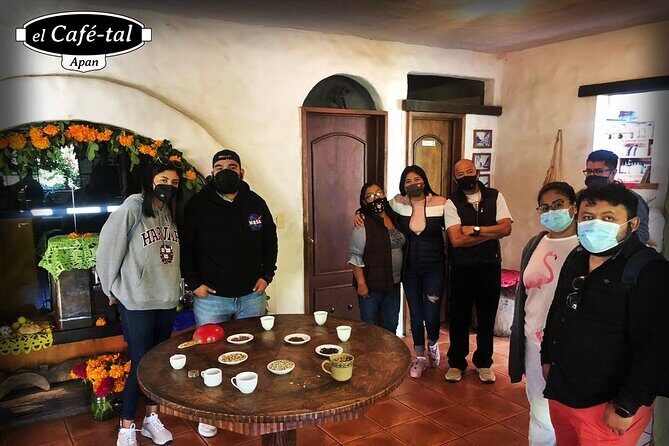
The tour is led by a professional guide, and the experience is structured to be step-by-step rather than a fast lecture. That matters more than it sounds. Coffee processing can get confusing fast if you’re trying to figure it out on the fly, and a clear rhythm helps you follow without feeling lost.
I also appreciate how the tour is built to keep you moving between learning and doing. You’re not only staring at displays. You see processing spaces, then you go outside to the plantation ecosystem and later taste coffee. The pace keeps the tour from turning into a museum-only day that ends with a single, quick sample.
One small tip: if you want the most out of the museum, ask one simple question early. Something like, What is the main difference I should notice between wet and dry processed coffee? Then, when you reach the tasting, you can focus on noticing that one thing rather than trying to judge everything at once.
4×4 ride to the plantation: faster access, more scenery
After the museum visit, you transfer to the coffee plantation aboard 4×4 vehicles. This is practical travel design: instead of relying on slow local roads or long transfers on foot, the tour uses the vehicle to get you into the working coffee area in a reasonable chunk of time.
It also changes the feel of the day. Museums can be calm and indoors. The 4×4 portion adds movement and perspective. You’re traveling through the region that produces coffee, not just observing it from one viewpoint.
What to expect during this part: you’re going to spend time getting from the museum to the plantation, and the vehicle ride is part of the overall “coffee country” experience. If you’re sensitive to bumpy roads, take that into account for your comfort. Otherwise, it’s a fun way to break up the learning and keep the day from feeling like only walking and reading.
You’ll also get the sense that this isn’t just a show farm. The tour is designed around seeing how coffee grows in its environment, which is where the biodiversity piece comes in.
Shade-grown Arabica and a biodiversity-focused walk
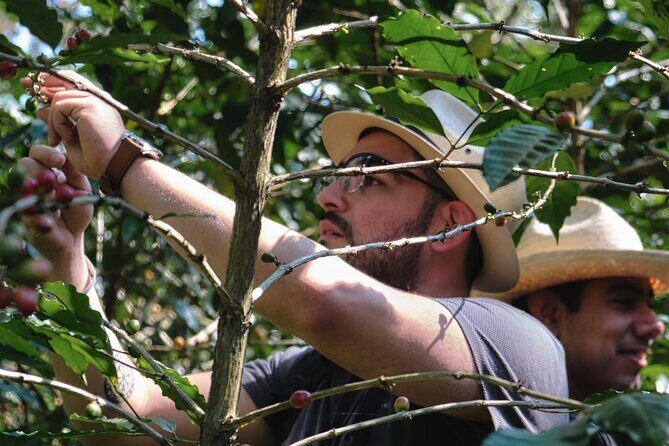
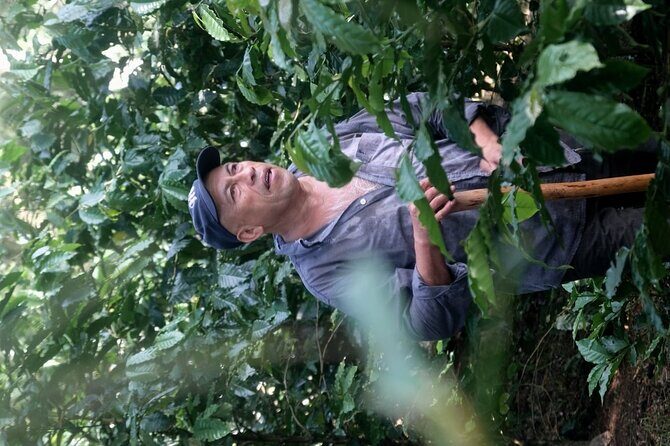
The plantation visit centers on typical shade-grown Arabica. That’s a big deal because shade-grown coffee isn’t only about taste or tradition—it’s also about ecology. The tour specifically highlights the property as a kind of biodiversity habitat, mentioning more than 300 species of flora and fauna.
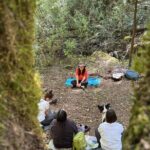
That number helps you understand what you’re looking at. Instead of treating trees and birds as background scenery, the tour frames them as part of the living system coffee depends on. For you, that means the walk on the pathways becomes more than a stroll. It’s a chance to notice relationships—how farm structure, shade trees, and wildlife can fit together.
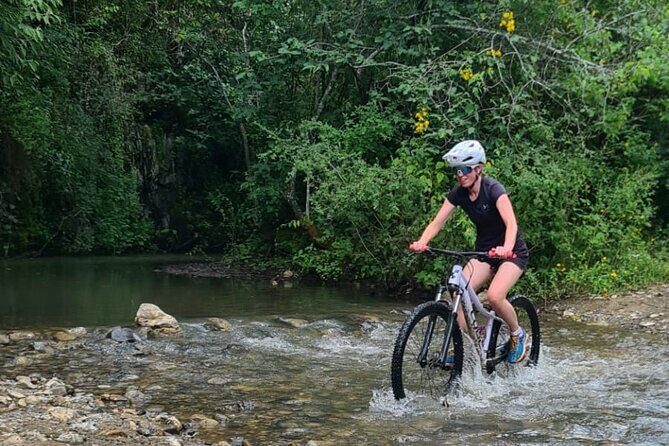
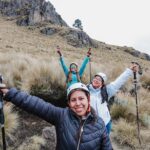
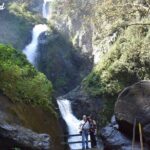
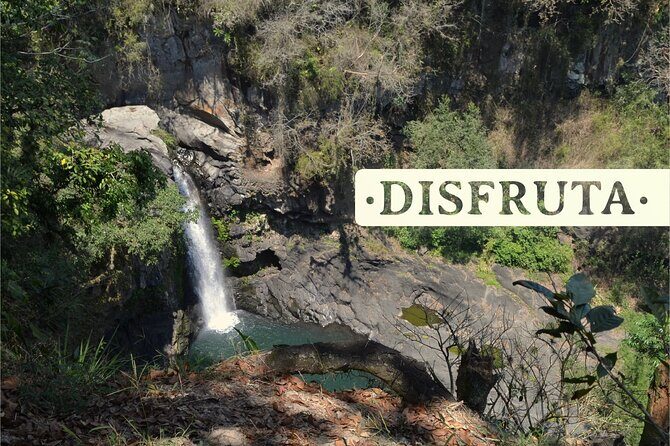
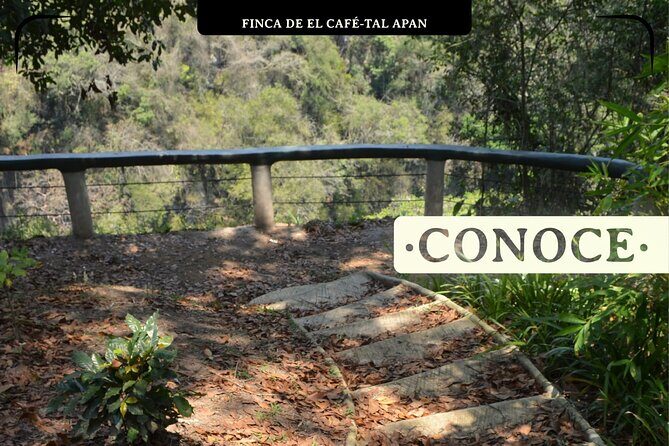
You’ll walk pathways to enjoy the ecosystem, with a chance to photograph and marvel at a waterfall. That waterfall stop is one of the best “memory anchors” in the whole tour: you learn, you taste, and then you end up with a scenic payoff.
A quick practical note: pathway walking in a plantation setting usually means you’ll want comfortable shoes and a bit of attention to footing. It’s not presented as a technical hike, but it is a farm environment with natural surfaces.
If you like nature walks but also care about culture and production, this middle section is where the tour earns its keep. It connects coffee to place, not just coffee to flavor.
Coffee tasting: three coffees plus a real reason to pay attention
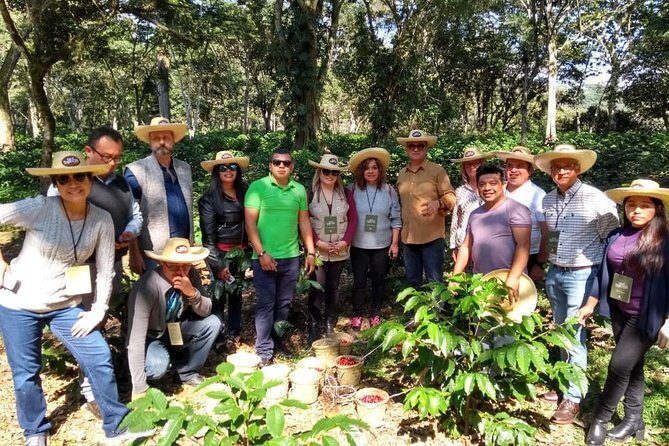
After the plantation time, the tour brings you to the tasting portion. You’ll sample three kinds of coffee. The key here isn’t only the sampling—it’s timing.
You taste after you’ve seen processing (wet and dry) and after you’ve learned about shade-grown growth in a biodiversity environment. So you can start matching your senses to what you learned earlier. The tasting becomes a mini “feedback loop” for your brain: processing steps you saw earlier and the farm approach you just experienced now show up in flavor.
You can also treat the tasting like a structured exercise instead of a casual sip. Choose one coffee to focus on for aroma. Choose another for acidity (sharpness vs. smoothness). Choose the third for the overall balance you notice in the cup. You don’t need to be a coffee expert. The value is that you’ll come away with something you can actually remember.
One more practical point: alcohol is not included. The tour includes beverages, but if you want beer or something stronger, it’s listed as available to purchase. Keeping this in mind helps you plan your budget if you’re the type who likes a cocktail with tours.
You can also read our reviews of more tours and experiences in Central Mexico

Tacos and included beverages: simple, but it keeps you going
Once tasting wraps up, you’ll get a meal of tacos plus beverages. This part is intentionally straightforward. The tour is coffee-first, so don’t expect a culinary production. Still, the takeaway is that you don’t leave hungry after a 4-hour mix of museum time and plantation walking.
The tacos are described as simple but rich, which is exactly what you want on a day like this. You need fuel, not a formal dining schedule. And since the group stays together, meals also help the pace feel smooth instead of turning into a separate search for food in Coatepec.
If you’re dietary sensitive, the tour data doesn’t spell out options. So your best move is to review any details you get at booking time and ask about substitutions if that matters to you.
Duration, group size, and why the tour feels manageable
The tour runs for about 4 hours, which is a very workable time window in Central Mexico. It’s long enough to do museum learning, get out to a plantation, and taste coffee with food. It’s also not so long that you need a full day sacrificed.
The group size max is 30 travelers. That’s big enough to keep it lively but small enough that you can usually hear the guide and ask questions without feeling completely lost.
You can also get a mobile ticket, which helps if you don’t want paper in your daypack. And it’s offered in English, so the explanations and guide-led Q&A should land clearly.
One more detail: the tour is often booked in advance (with an average around 20 days). I’d treat that as a signal to reserve early, especially if you’re visiting during peak season or on a weekend.
Price and value: what you’re paying for
At $54.42 per person, this tour isn’t a bargain-basement price. But it’s also not just a coffee sample and a quick drive.
You’re paying for:
- A guided visit to the coffee museum
- Access to museum processing spaces and themed rooms
- Transportation to the plantation via 4×4 vehicles
- A plantation walk focused on shade-grown Arabica and ecosystem notes
- Coffee tasting of three kinds
- Tacos and beverages
- Taxes and fees bundled into the cost
In other words, you’re buying structure. The guide turns the experience into a story you can follow, and the included tastings plus food help you get a full “day value” feeling instead of only a snack-and-sit tour.
If you’re in Coatepec and you want an efficient way to learn real coffee processing and see a working-style plantation ecosystem, this price starts to make sense. If you only want a quick tasting and you’re happy reading about processing on your own, you might find cheaper options. But for most coffee lovers, the guided museum + plantation combo is the point.
Who should book this tour (and who might skip it)
You’ll probably love this tour if you:
- Care about how coffee actually gets processed and why different steps matter
- Want both museum learning and time outdoors
- Enjoy shade-grown coffee and nature-focused farm visits
- Like a guided explanation where questions are part of the experience
- Prefer a “complete package” with tasting and food rather than piecing together the day yourself
You might want to skip it if you:
- Only care about coffee drinking and don’t care about processing or farm ecology
- Want a longer, multi-meal food experience
- Are looking for a very technical roasting class (this tour is focused on museum processing and plantation context)
Families can participate, with the note that children must be accompanied by an adult. The day is about walking and learning, so it’s usually easier with calm kids who can handle museum time.
If you’re staying downtown Coatepec, there’s also an option to combine the coffee tour with a hostel stay, and that option includes transport to the coffee museum. That can simplify logistics if you’re building a short visit and want fewer moving parts.
Should you book Coffee Museum and Coffee Tour el Cafe-tal apan?
Book it if you want a coffee day that feels real: processing in a museum, a working plantation walk in shade-grown Arabica country, and tasting paired with learning. The tour’s best strength is how it connects the steps you see to the coffees you taste, plus it ends with tacos and included beverages so you’re not left scrambling.
I’d especially recommend it if you’re traveling with someone who likes coffee but also wants scenery and nature. You’ll get both without needing separate tours.
Just go in with the right expectations: it’s a guided coffee experience, not a gourmet food crawl. If you’re good with that trade-off, this is a strong value play for Coatepec.
FAQ
How long is the Coffee Museum and Coffee Tour?
The tour is about 4 hours.
How much does it cost?
It costs $54.42 per person.
Where does the tour start and where does it end?
It starts at Museo del Cafe, El cafe-tal apan (Carretera coatepec-trancas km 4.0 localidad el grande, 91607 Veracruz). It ends back at the same meeting point.
What will I see at the coffee museum?
You’ll visit the coffee museum and learn about coffee origins and processing, including the wet processing plant and dry processing plant, along with antique rooms and garden areas. There’s also a souvenir shop on site.
Is there a coffee plantation visit, and how do you get there?
Yes. You’ll visit a shade-grown Arabica coffee plantation and take a tour on pathways. You also travel between the museum and plantation in 4×4 vehicles, with a photo stop by a waterfall.
What’s included for food and drinks, and is alcohol included?
The tour includes coffee tasting, beverages, and tacos. Alcoholic drinks are not included, but they are available to purchase.
Is it offered in English, and what’s the cancellation policy?
The tour is offered in English. Cancellation is free up to 24 hours in advance for a full refund.