REVIEW · CENTRAL MEXICO
From Oaxaca : Monte Alban & More… All Included Guided Tour
Book on GetYourGuide →Operated by Mexico Kan Tours · Bookable on GetYourGuide
Morning views change everything.
This is a tight, well-paced Oaxaca day that starts at Monte Albán early enough to feel the place without the worst of the heat. I especially like the combination of a guided ruin visit plus a ceramics stop in Atzompa, because you leave with culture you can actually see being made. One thing to keep in mind: you’ll do some walking and there are hills, so comfortable shoes matter more than you might expect.
I also like the human scale here: a small group capped at 10, with a certified guide speaking English and Spanish. Add hotel pickup and drop-off in Oaxaca city, air-conditioned van transport, and all entrance fees, and the day feels low-stress even when the schedule is full. The main trade-off is time in transit and a long day overall, at 8 hours.
Timing is the secret sauce. You’ll arrive at Monte Albán when the views are at their clearest and the crowds are still thin, which makes it easier to notice details you’d otherwise rush past.
In This Review
- Monte Albán: The People of the Clouds, Up Close
- Atzompa Ceramics Studio: Ancient Motifs With a Modern Hand
- Oaxacan Lunch in Oaxaca de Juárez: Fuel for the Museum Walk
- Santo Domingo Museum: Dominican Walls, Zapotec Treasures
- Price and Value: Why $189 Can Make a Hard Day Easy
- The Schedule in Plain Language (and How to Prepare)
- Who Should Book This Tour (and Who Might Think Twice)
- Should You Book It? My Take
- FAQ
- How long is the tour?
- What places are included on the route?
- Do I get hotel pickup and drop-off?
- What’s the group size?
- What languages is the guide available in?
- Is lunch and food included?
- What should I bring?
Monte Albán: The People of the Clouds, Up Close
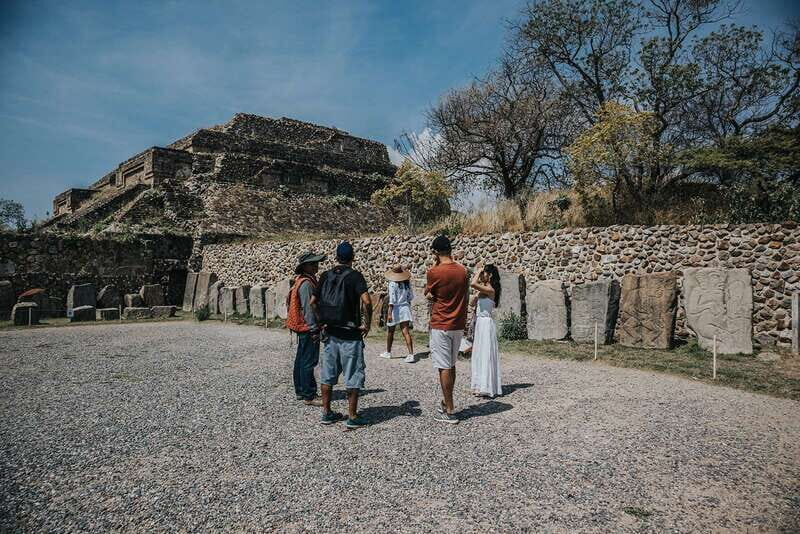
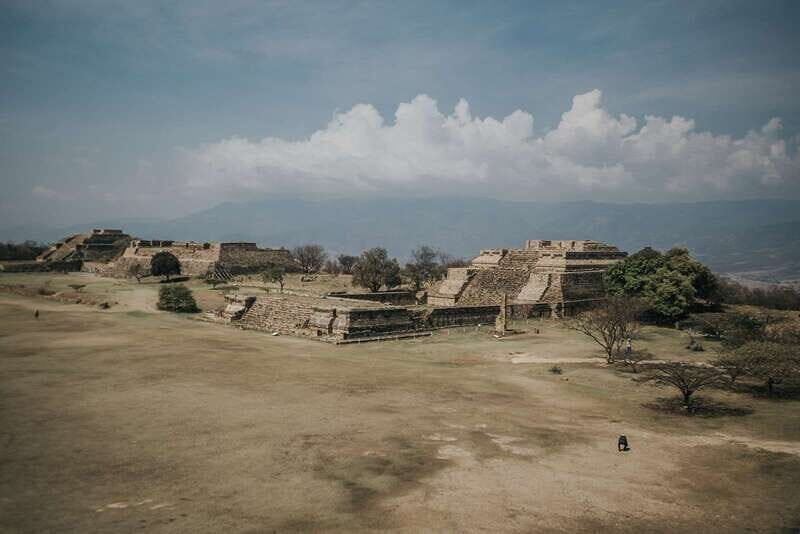
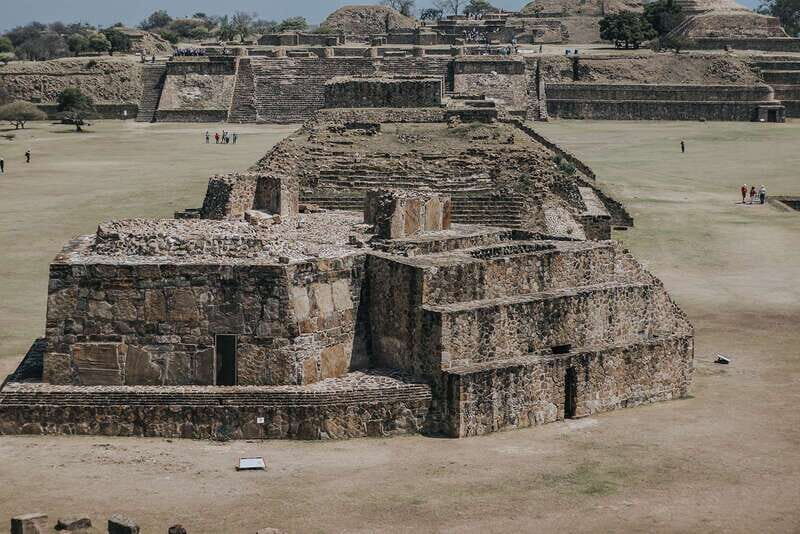
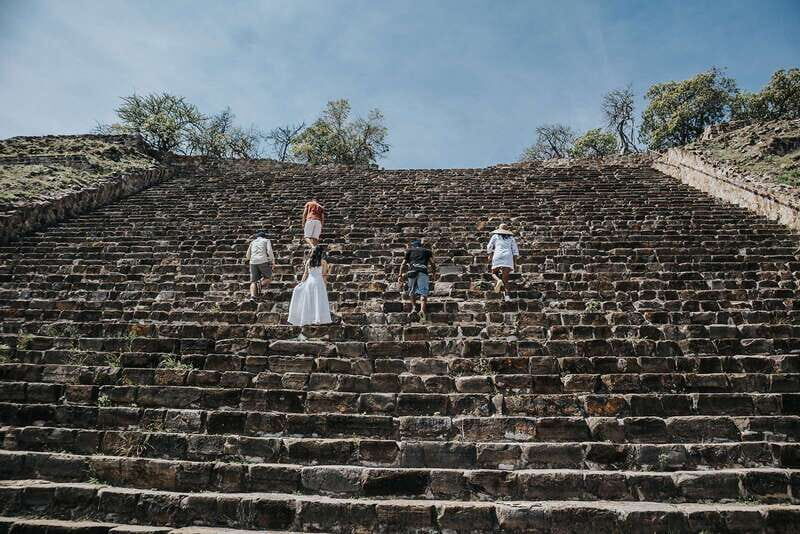
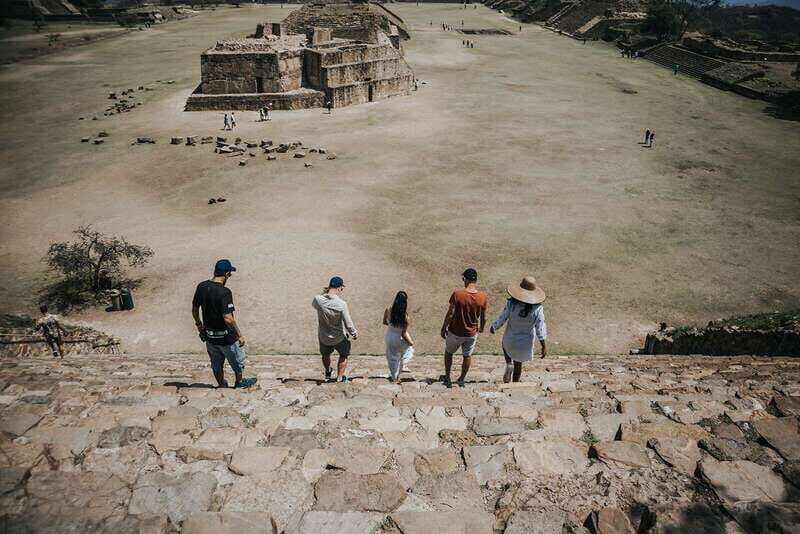
Monte Albán sits on a hilltop that dominates Oaxaca’s Central Valleys, and that “up high” feeling is part of the lesson. This was the center of Zapotec religion and political power for centuries, so the site isn’t just pretty ruins. It’s the kind of place where you start seeing why people built on sky-level ground.
Your visit is guided (about 3 hours) with time for sightseeing and walking. The guide’s role is huge here, because Monte Albán can look like scattered stones if you’re only reading signage. With a good explanation, the layout and symbols start to click, and you spend less time guessing.
The view from the top is also practical, not just scenic. You can see how modern Oaxaca spreads away to the south and how villages dot the hills in other directions. That helps you understand the old logic of the place: controlling sightlines, gathering people, and turning the terrain into power.
Early timing matters. Going in the morning means you beat the bulk of the crowds and the day’s heat, so you can slow down and look around instead of just surviving the walk. If you care about photos, this is the best part of the schedule to chase, because the light and the cooler air make everything feel easier.
What to watch for during the walk:
- How the site’s elevation changes what you notice (you’ll catch more alignment and scale).
- The way the guide connects structures to Zapotec life and beliefs.
- The views toward the modern city, so you get orientation fast.
Atzompa Ceramics Studio: Ancient Motifs With a Modern Hand
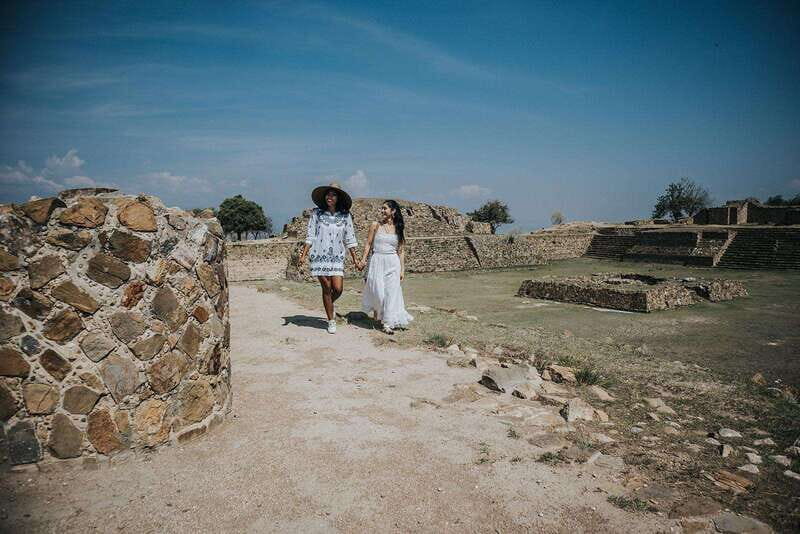
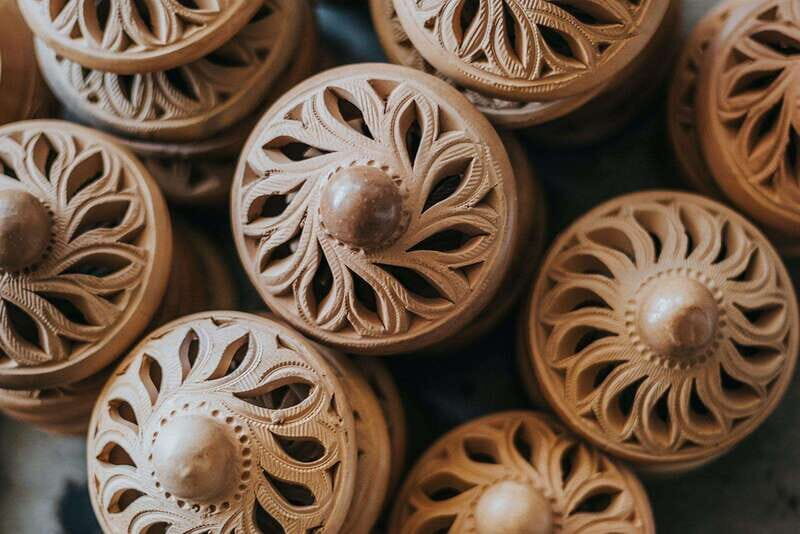
After Monte Albán, you head to Atzompa, known for carrying forward ancient traditions through ceramics. This stop is more than a museum-style viewing, because you’re visiting the studio of a famous artist who works at the intersection of old and new.
The key idea to understand is continuity. Atzompa was historically one of the barrios of Monte Albán, and it also has its own ceremonial hilltop with ancient temples in the middle of town. In other words, the ceramics aren’t floating in space. They’re tied to place, memory, and repeated practice.
At the studio, you’ll see traditional elements and building techniques blended with the artist’s own style and modern touches. The result is high-quality work, but more importantly, you’ll notice how ancient motifs and symbolism keep showing up in the artistic process. That’s the real value: you get a story of how meaning survives even when forms evolve.
A practical note: studios have their own pace. This isn’t a fast “look and go” stop. The benefit is time to ask questions and take your time observing materials and methods, especially since you’re with a guide who can translate context into plain language.
If you’re the kind of person who loves craft, you’ll likely enjoy this part as much as the archaeology. It also breaks up the day nicely—moving from monumental ruins into hands-on creativity.
You can also read our reviews of more guided tours in Central Mexico


Oaxacan Lunch in Oaxaca de Juárez: Fuel for the Museum Walk

Then it’s back to Oaxaca de Juárez for lunch, with about an hour on the table. This matters more than it sounds, because the afternoon museum is in a historic building and you’ll want energy for the walk and explanations.
The lunch is described as delicious Oaxacan dishes, and the tour includes lunch plus snacks and drinks. In my view, that’s a smart package for a day like this: when you’re already paying for guide time and entries, you don’t want to spend extra time hunting for food or settling for something mediocre.
The restaurant is also a highlight in the overall experience quality. One detailed review mentioned the meal felt high-end, and that matches the way the rest of the tour is built—this is designed to feel like you’re cared for, not rushed.
After lunch, you’ll visit the Santo Domingo Museum. Having time to digest (and not sprint back out the door) makes the afternoon feel more relaxed and educational.
What I’d do if you’re planning for taste and timing:
- Eat at a comfortable pace; don’t try to “finish fast” because your museum walk comes next.
- Take a moment right after lunch to recharge your feet before getting back into the historic building.
Santo Domingo Museum: Dominican Walls, Zapotec Treasures
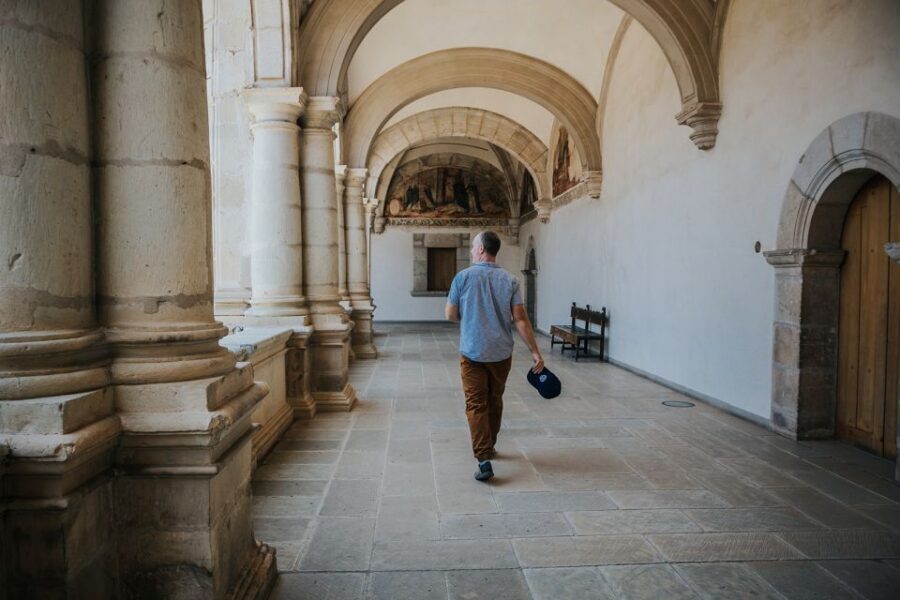
The Santo Domingo Museum sits in the old Dominican monastery, and that setting turns the visit into more than just a gallery stop. The architecture alone gives you a sense of Oaxaca’s layered past, and the walk through the museum area helps you reset after lunch.
Your guided museum time is about 2 hours, focused on cultural heritage. The exhibition is highlighted as exceptional, with treasures from the tombs of Monte Albán included in the display. That connection matters: it links the morning archaeology to what you see in the glass cases later.
If Monte Albán helped you understand the scale and setting of Zapotec power, the museum helps you grasp the artifacts and the human side of that power. It’s the kind of pairing that prevents the day from turning into “see rocks, then leave.”
Also, the museum stop is well-timed. It’s long enough to matter, but not so long that you feel drained. Since you’re already walking in the morning, the mix of guided explanations and calmer viewing time works.
One subtle but important benefit: the museum gives you a chance to learn with less effort than climbing ruins. You can focus on interpretation and context while sitting with objects rather than pushing through uneven ground.
Price and Value: Why $189 Can Make a Hard Day Easy
At $189 per person for an 8-hour tour, you’re paying for a full day package rather than just transport. In practical terms, you’re getting:
- Hotel pickup and drop-off within Oaxaca city
- Air-conditioned van rides
- A certified guide in English or Spanish
- All entrance fees
- Lunch, snacks, and drinks
- Guided visits at multiple stops
That’s the value equation. Most DIY days in Oaxaca start cheap and then get expensive once you add drivers, tickets, and the time cost of organizing everything. Here, you buy time savings and a coherent route in one shot.
The small group size (limited to 10) also changes the feel of the day. Smaller groups tend to mean you get more attention, and it’s easier for a guide to steer conversations based on what people are actually interested in. That’s especially useful for families and kids, since explanations can be adjusted to keep everyone engaged.
One review specifically called out a guide named Paola as incredible at balancing fun and education for a family traveling with two children ages 8 and 10. That kind of skill is hard to replicate on your own, because it’s not just facts—it’s pacing, tone, and attention to what kids can handle.
The Schedule in Plain Language (and How to Prepare)
This day runs from a morning pickup at 8:30 am, then finishes with a return drop-off sometime between 4 and 5 pm.
Here’s what the flow means for you:
- Monte Albán first keeps you fresh for the walking and rewards you with better conditions.
- Atzompa ceramics right after gives you variety, so the day doesn’t feel like archaeology nonstop.
- Lunch at Oaxaca de Juárez resets your energy and keeps the pace realistic.
- Santo Domingo Museum last uses the afternoon’s time for guided interpretation, linked to what you saw earlier.
In terms of physical prep, the tour lists one clear requirement: bring comfortable shoes. That’s not just a generic line. You’ll be walking at Monte Albán, then moving again through the monastery museum environment.
A good strategy for the day:
- Wear shoes you can trust on uneven ground and hills.
- Keep your expectations flexible for a full day; you’re not just “seeing one place,” you’re collecting a connected story of Oaxaca.
- If you like photography, prioritize Monte Albán, because timing and views are the main advantage.





Who Should Book This Tour (and Who Might Think Twice)
This is a strong fit if you want a guided, culture-heavy day without doing logistics research. The blend of archaeology, ceramics, food, and museum context is exactly the kind of combo that helps first-timers connect the dots quickly.
It’s also a good choice for families. One review mentioned that the guide made sure kids were having as great a time as the adults, which is a real concern on longer tours. With a small group size, the guide has a better chance of keeping the whole crew engaged.
You might think twice if:
- You dislike long days and expect a short, low-walking outing.
- You want total free time with no schedule. This tour is structured, by design.
For most people—especially first visits—this hits a sweet spot: enough time to feel the major highlights, with a pace that keeps the afternoon from turning into “just getting through it.”
Should You Book It? My Take
If you’re coming to Oaxaca and want an easy way to see Monte Albán, Atzompa ceramics, and the Santo Domingo Museum in one coherent day, I’d book this. The early start is the smart move, the ceramics stop adds real cultural texture, and the museum ties everything together with artifacts connected to Monte Albán.
The price feels fair because it includes guide time, entries, transport, and meals—so you’re not paying extra to make the day work. And with small-group limits, you’re more likely to get the kind of guided experience that turns sites into stories rather than checkpoints.
FAQ
How long is the tour?
The tour lasts 8 hours.
What places are included on the route?
You’ll visit Monte Albán, a ceramic studio in Atzompa, have lunch in Oaxaca de Juárez, and tour the Santo Domingo Museum.
Do I get hotel pickup and drop-off?
Yes. Pickup and drop-off are included from your hotel in Oaxaca city, and the vehicle will wait in front of your accommodation.
What’s the group size?
The tour is a small group limited to 10 participants.
What languages is the guide available in?
The live guide is available in Spanish and English.
Is lunch and food included?
Yes. Lunch, snacks, and drinks are included.
What should I bring?
Wear comfortable shoes, since there is walking during the visit.