REVIEW · MEXICO CITY
Walking Tour in Historic Center CDMX
Book on Viator →Operated by Educando con Cultura · Bookable on Viator
One walk, a whole timeline of Mexico City. This guided trek through the Historic Center strings together art, politics, and religion in a way that feels practical, not textbook-y. You start at the Museo Mural Diego Rivera and finish at Templo Mayor, with stops that show how the city grew, fought, and rebuilt.
I especially like how the tour uses big landmarks to make sense of Mexican identity fast. You’ll see the famous Rivera mural message about God not existing, then follow that thread through arts, power, and city-making. Another thing I like is the small group feel and the steady pacing: guides such as Delta, Diego, Jorge, and Jaime are reported to manage time well while answering questions clearly in English.
The main drawback to know up front: this is not a long sit-down museum day. Visits are brief at each stop, so if you want deep, hour-long looks inside one place, you may leave wishing for more time somewhere.
In This Review
- Key highlights worth your attention
- A 3-hour walk that gives you a CDMX timeline fast
- Museo Mural Diego Rivera: where the controversy starts
- Alameda Central: sculptures and the city’s public rhythm
- Palacio de Bellas Artes: a palace with light and shadow
- Palacio Postal and Palacio de Mineria: politics and money in stone
- Palacio Postal
- Palacio de Mineria
- Museo Nacional de Arte: the one-hand sculpture and the building itself
- Teatro de la Ciudad and Esperanza Iris’s tragic story
- Centro Cultural España: going down to the Aztec-noble school ruins
- Museo del Templo Mayor: models, worldview, and conquest
- How to make the most of a fast, stop-heavy tour
- Who this tour suits best in Mexico City
- Should you book this Historic Center CDMX tour?
- FAQ
- How long is the walking tour?
- How much does the tour cost?
- Is the tour offered in English?
- Where do we meet and where does the tour end?
- Are admission tickets included?
- What group size should I expect?
- Are service animals allowed?
- Can I cancel for a full refund?
Key highlights worth your attention
- Diego Rivera’s controversial mural message sets the tone right away, including the God does not exist line.
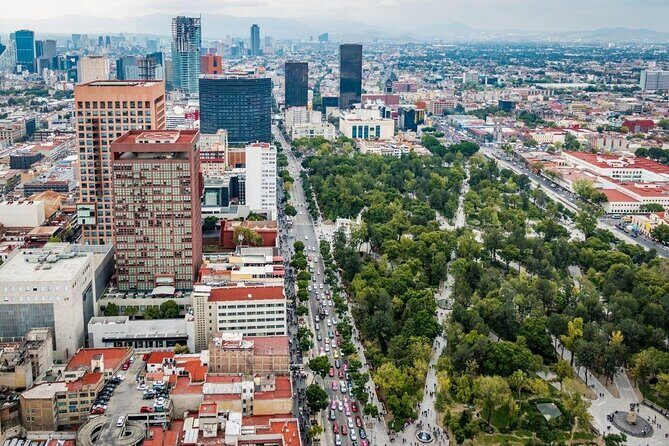
- Alameda Central gets you oriented with sculptures in one of the city’s best-known public spaces.
- Palacio de Bellas Artes is treated as a story of contrasts, not just a pretty building.
- Porfirio Díaz–era ambition shows up at Palacio Postal, side by side with silver-era context at Palacio de Mineria.
- Aztec Tenochtitlan models and worldview bring the Templo Mayor area into sharp focus, including what the Aztecs believed and how conquest unfolded.
A 3-hour walk that gives you a CDMX timeline fast
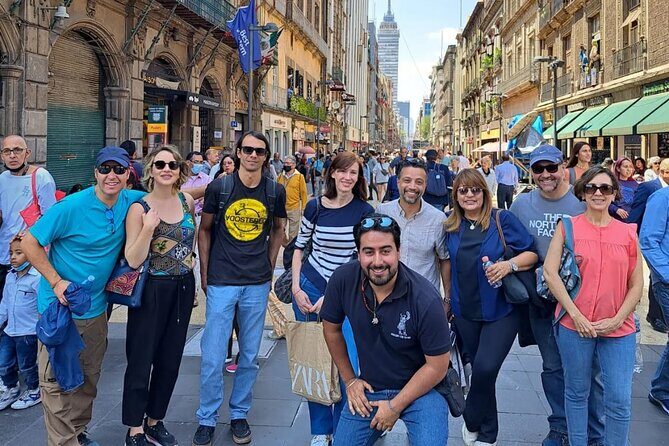
This tour is built for people who want the “main ideas” of Centro Histórico without spending your whole day hopping between locations. You’re out roughly 2 hours 30 minutes to 3 hours 10 minutes, and that time includes stops for museum and monument entrances, guided explanations, and walking between them.
The price is $83.64 per person, and the value comes from two things. First, a certified guide does the connecting work for you—linking murals, architecture, and political shifts into one flow. Second, a lot of entry is handled for you: several major museums and sites list admission included, and a couple of others are free for the group.
You’ll also want to plan for a moving day. This works best when you go in ready to look fast, ask questions, and accept that each place gets an introduction rather than a full-on deep dive.
You can also read our reviews of more walking tours in Mexico City


Museo Mural Diego Rivera: where the controversy starts
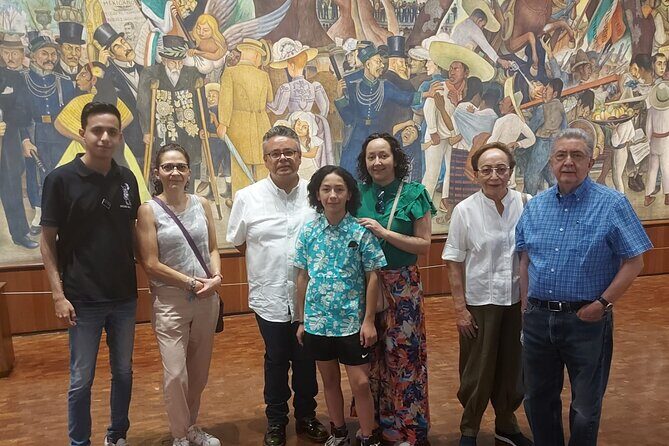
You begin at the Museo Mural Diego Rivera, and right away you get why this tour is more than sightseeing. The mural is highlighted as being censored because Diego Rivera includes the phrase God does not exist. That’s not a random detail—it’s a marker of how public art, politics, and belief collide in Mexico.
From there, you focus on the mural’s changing cast of characters and what they represent in Mexico’s political, cultural, and ideological shifts. Think of this stop as your “context engine.” If you’ve ever wandered into museum buildings without knowing what to look for, this is designed to fix that.
Practical tip: take a moment to track what the guide points out. Even in a short about 25-minute slot, noticing a few key figures helps the later stops click much faster.
Alameda Central: sculptures and the city’s public rhythm
Next comes Alameda Central, described as the first public park in America. That’s a big claim, and the point isn’t just trivia. The park is a great place to reset your senses after the intense mural messaging.
You’ll spend about 10 minutes looking at the classical sculptures and getting a feel for how people use the space—where locals pause, stroll, and treat the park as part of daily life. In a city where history can feel heavy, this stop gives you breathing room.
If you want photos, keep an eye on sightlines from the sculptures to the surrounding streets. The guide usually helps you spot what matters so you’re not just taking random shots while moving on.
Palacio de Bellas Artes: a palace with light and shadow
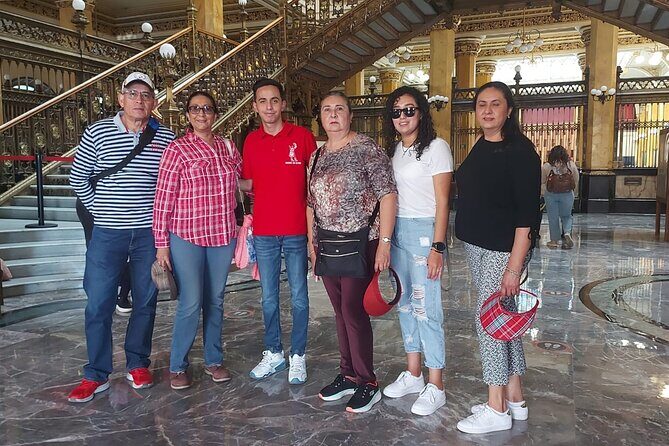
Then you step into one of the city’s most emblematic landmarks: Palacio de Bellas Artes. This is the kind of place where your reaction changes depending on the hour, the angle, and what you already know. The tour frames it as a walk through contrasts—light parts and darker parts of its meaning.
You’ll get around 20 minutes, including an explanation of the palace’s history and why it matters to everyday Mexico City. Even if you don’t consider yourself an architecture person, the guide’s job here is to show how the building reflects cultural shifts and national identity.
Quick advice: give yourself permission to look upward. Facades and ornament can be hard to notice when you’re rushing, but the time here is short, so move your eyes first. The guide’s explanation is timed to help you catch what’s important.
Palacio Postal and Palacio de Mineria: politics and money in stone
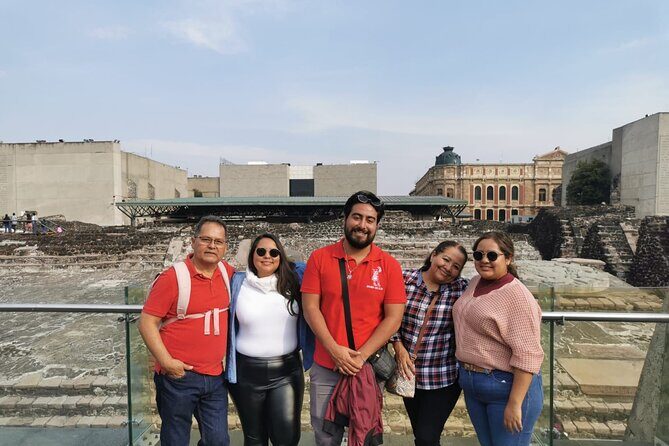
After Bellas Artes, the tour shifts into power and modernization through two very different buildings.
You can also read our reviews of more historical tours in Mexico City




Palacio Postal
At Palacio Postal, you’ll hear how it ties into Porfirio Díaz’s project to beautify and modernize Mexico City. This is where architecture stops being just pretty shapes and becomes a record of what leaders wanted the city to represent.
Palacio de Mineria
Then comes Palacio de Mineria, where the framing turns to silver and export identity—Mexico continues to be the first country in silver exports. The guide connects that economic story back to what you’re seeing.
Together, these stops are quick (think about 15 minutes for Palacio Postal and about 10 minutes for Palacio de Mineria). That can feel short, but it’s also the point: you’re getting the why behind the façade, not a full museum day.
If you’re the type who loves details, keep asking questions during the walk. Guides like Diego and Jaime are reported to handle oddball questions well, and that’s where the short stops become more satisfying.
Museo Nacional de Arte: the one-hand sculpture and the building itself
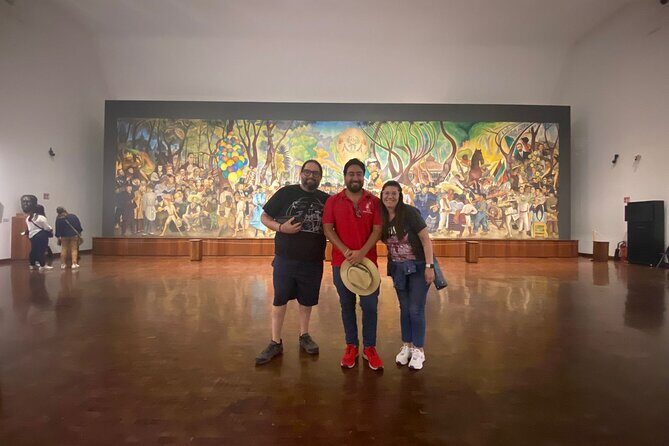
At Museo Nacional de Arte, the tour focuses on two things: a particular sculpture made by the artist with one hand, and the architectural details around it. That’s a very specific pairing, and it’s smart for a fast walking tour.
You’ll spend about 10 minutes here, which means the guide can point you to the exact features to notice—so you don’t waste time wandering looking for the “main thing.”
Practical tip: if you’re curious about art technique, this is one of the spots where that interest pays off quickly. Even a brief stop can feel worthwhile when someone guides your eyes.
Teatro de la Ciudad and Esperanza Iris’s tragic story
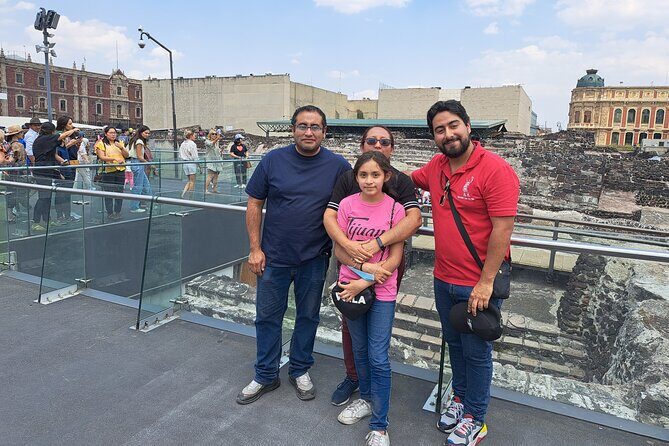
Next is Teatro de la Ciudad, and this is where the tour shows its emotional side. You’ll get a look at the history of theater in Mexico, plus the tragic story of Esperanza Iris.
It’s also a lesson in how spaces change. Opposite the theater, you’ll see what was once an asylum for women labeled insane in the 18th century. That contrast—performance and confinement across the street—lands hard, and the guide’s explanations help you place it in historical context.
This stop is about 15 minutes, and it’s listed as admission free for the tour. Since it’s shorter and more story-driven, it’s a good place to slow down your pace. Take a breath before moving on.
Centro Cultural España: going down to the Aztec-noble school ruins
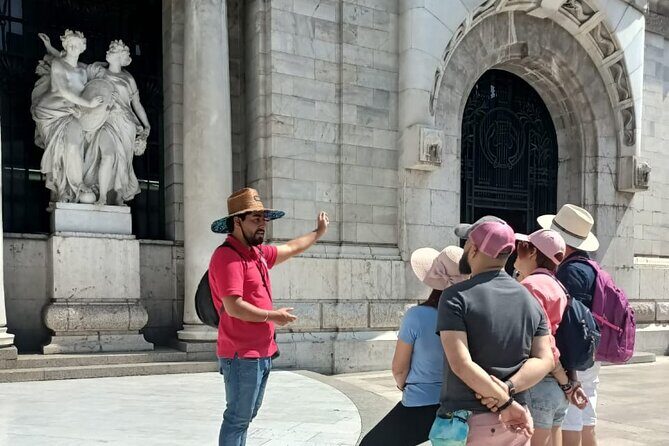
Now the tour takes a downward turn—literally. At Centro Cultural España en México, you go down to see the ruins of what was a school for the sons of Aztec nobles. The guide frames it like stepping into the underworld, with layers of time beneath your feet.
You’ll spend about 20 minutes here, and this stop is special because it connects daily learning and elite education in Aztec society to the later history you’ve been seeing above ground.
Practical note: underground spaces can feel cooler or dimmer depending on the areas you enter. Dress for comfort, not just style, and expect brief but concentrated explanations rather than long exploration time.
Museo del Templo Mayor: models, worldview, and conquest
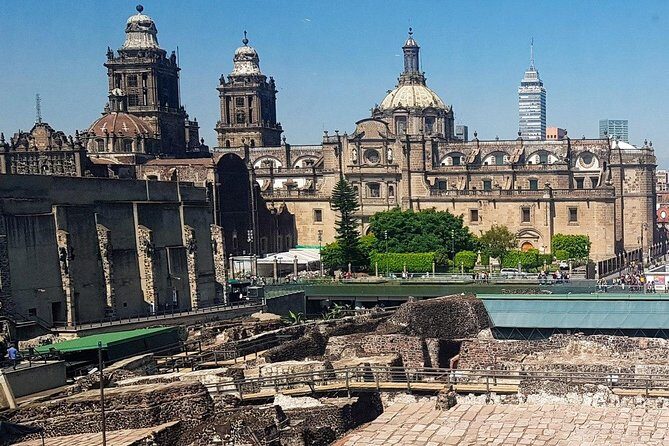
The final stop is the Museo del Templo Mayor area, where the tour reaches its biggest historical scope. You’ll learn—through models—how the Aztecs built their city of Tenochtitlan, and how they viewed the world. The tour also covers sacrifices and how the conquest was achieved.
You’ll spend about 25 minutes, and it doesn’t end the moment you leave the museum halls. The tour concludes with explanations from the outside as well—looking at the main temple area through models and connecting everything back to how Tenochtitlan was constructed.
This is the stop where the entire route starts to feel like one story. The mural’s political ideology. The palaces and modernization plans. The theater and social contrasts. Then the Aztec foundation beneath the city’s later layers.
One practical thing: this topic is intense. If you’re sensitive to discussions of sacrifice and conquest, you might want to arrive with a calmer head and let the guide set the pace.
How to make the most of a fast, stop-heavy tour
This is a walking tour designed to cover a lot of ground in a short window. That’s great if you want orientation. It’s less ideal if you expect to linger.
Here’s how to enjoy it more:
- Wear comfortable shoes. You’re moving between major sites and streets, with short time windows.
- Arrive early in your mental schedule. Start fresh so the story threads land.
- Use the guide’s explanations to “aim” your eyes. When time is tight, you’ll get far more from looking at what you’re told to notice.
- Expect brief visits. Many people come away happy, but the tradeoff is that you won’t have long stretches inside each building.
Also, plan your food day accordingly. Lunch and drinks aren’t included, so eat before or after on your own.
Who this tour suits best in Mexico City
This tour fits well if you:
- Want a guided overview of Central CDMX that connects art, power, and indigenous history
- Prefer English explanations and appreciate a guide who manages time
- Like museum stops but don’t want one location to eat your entire morning
- Travel with adults who want a structured route (guides have been noted for adapting pacing for travelers in their 60s and 70s)
It may not be ideal if you:
- Want to spend a full half-day inside one museum
- Need lots of quiet time without commentary
Should you book this Historic Center CDMX tour?
If your goal is to understand the big story of Mexico City fast, I think this is a strong bet. The route starts with Diego Rivera’s controversial mural message, builds through major architectural landmarks, and ends with Tenochtitlan’s worldview at Templo Mayor. That arc makes the city feel less random.
My “yes, but” advice:
- If you like depth, pair this with a return visit to one or two places later on your trip.
- If you’re booking through any third-party marketplace, double-check what you’re purchasing and who the service provider is. One reported warning in recent feedback mentions trouble tied to a reseller, so protect yourself with clean confirmations and screenshots.
Overall, this is a good-value way to get bearings in Centro Histórico. You’ll leave with names, themes, and a clearer mental map—plus a story that holds together from Rivera to the Aztecs.
FAQ
How long is the walking tour?
It runs for about 2 hours 30 minutes to 3 hours 10 minutes.
How much does the tour cost?
The price is $83.64 per person.
Is the tour offered in English?
Yes, it’s offered in English.
Where do we meet and where does the tour end?
The meeting point is at Museo Mural Diego Rivera, Calle Colón Balderas s/n, Colonia Centro, Centro, Cuauhtémoc, 06040.
The tour ends at the Templo Mayor Museum, Seminario 8, Centro Histórico de la Cdad. de México, Centro, Cuauhtémoc, 06060.
Are admission tickets included?
For this tour, admission tickets are included for several stops (including Museo Mural Diego Rivera, Alameda Central, Palacio de Bellas Artes, Palacio Postal, Palacio de Mineria, and Museo Nacional de Arte). Two stops are listed as free for the tour: Teatro de la Ciudad, Centro Cultural España en México, and the Museo del Templo Mayor.
What group size should I expect?
The tour has a maximum of 25 travelers.
Are service animals allowed?
Yes, service animals are allowed.
Can I cancel for a full refund?
Yes. You can cancel up to 24 hours in advance for a full refund.