Mexico City has a fast way of grabbing you. This 4 to 5 hour tour stitches together Centro Histórico landmarks, Aztec Templo Mayor remains, and the Museo Nacional de Antropología in one smooth arc of seeing. I especially like how the route pairs the big political-and-religious center (Zócalo, cathedral) with the artifacts that explain how Mexico got here, and how you also get a scenic drive through Chapultepec. One drawback to note: schedule hiccups can happen if a guide is delayed, and the museum situation can be out of the operator’s control on rare days.
Here’s what you can expect: a guided walk around Mexico’s main square and key churches/palaces, then an easy shift into a vehicle for the longer views along Paseo de la Reforma and through Chapultepec. The tour is built for people who want major sights without spending the whole day hopping between neighborhoods on their own. Group size is capped at 16, and English is available on request.
In This Review
- Key highlights before you go
- Why this route works: from Zócalo to Anthropology Museum
- Fine Art Palace: the “palace-with-a-punch” intro
- Zócalo and Templo Mayor remains: the city’s main square story
- Palacio Nacional views: Diego Rivera on the walls
- Museo del Templo Mayor: what the Great Temple area tells you
- Catedral Metropolitana: engineering on swampy ground
- Paseo de la Reforma and Chapultepec Park: big views, fewer chores
- Museo Nacional de Antropología: why this museum stop is the main event
- Guide style, group size, and what your questions can do
- Price check: does $44 feel fair for 4 to 5 hours?
- Practical expectations: timing, weather, shoes, and schedule wiggle room
- Who this tour suits best
- Should you book this tour?
- FAQ
- What’s the duration of the Walking Mexico City Tour with Anthropology Museum?
- What’s included in the price?
- Do I need to pay for food and drinks?
- How long do I spend at the Anthropology Museum?
- Is the tour in English?
- What’s the group size?
- What’s the cancellation window?
Key highlights before you go
- Centro Histórico in a focused loop: Zócalo, Palacio Nacional area views, Templo Mayor museum, and Catedral Metropolitana
- A real museum stop is included: Museo Nacional de Antropología admission is included if you select that option
- Chapultepec Park gets screen-time: first and second sections, with a roll call of sights like Chapultepec Lake and Papalote Museo del Niño
- Paseo de la Reforma connects the city’s “levels”: big monuments like the Ángel de la Independencia and the Diana along the way
- Small group feel: max 16 travelers, so questions are more likely to get answered instead of rushed
- Some guides are truly top-tier: Juan Castro has been praised for explaining Mexico’s origins and evolution
Why this route works: from Zócalo to Anthropology Museum
This tour is designed like a timeline you can walk through. You start in the capital’s original heavyweight zone—where political power, religious power, and Indigenous history all collide—then you shift to the museum that explains the deeper backstory with actual objects.
That pairing matters. If you only see buildings in the historic center, you’ll notice impressive facades and big names. If you also see what the museum preserves, the landmarks start making more sense: where the artwork came from, what everyday life looked like across Mesoamerica, and how the present connects to the past.
Also, the “walk + vehicle” mix is practical. Mexico City distances can feel long when you’re on your feet all day, especially with uneven sidewalks. Here, the route gives you a strong walking core, then breaks things up with a scenic drive through Chapultepec and along Paseo de la Reforma.
You can also read our reviews of more walking tours in Mexico City


Fine Art Palace: the “palace-with-a-punch” intro
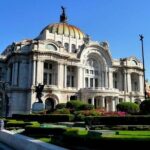
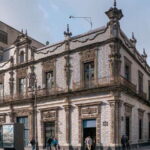
The first stop is the Fine Art Palace—a place worth lingering at even if you’re not a hard-core architecture person. Expect an eclectic mix of art deco and renaissance style, plus visual details like Carrera and Mexican marbles.
You’ll also see something that’s described as an impressive Tiffany curtain. That kind of detail signals this isn’t just a generic photo stop. It’s a cultural building with big-city swagger, and it gives you something to look at right at the start of the day—before the tour throws you into the Zócalo scale.
Why it’s a good opening: it trains your eye. After this, the different styles and eras you’ll see later in Centro Histórico start to feel more legible instead of chaotic.
Zócalo and Templo Mayor remains: the city’s main square story
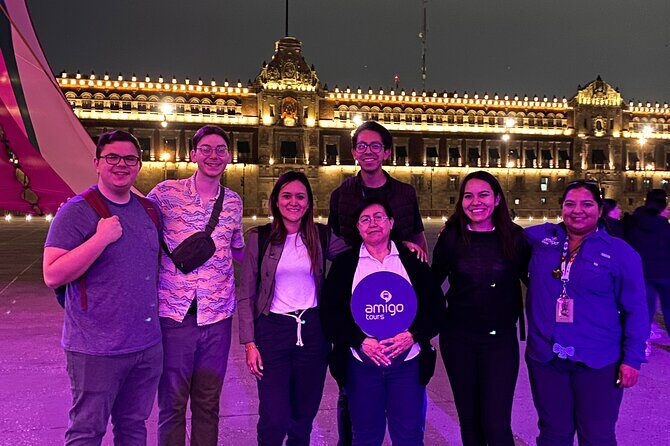
Then you hit the heart: Zócalo. This is the “world’s 3rd largest square” kind of place—huge, central, and surrounded by the buildings that symbolize national power. You’ll be looking at the National Palace, City Hall, Justice Palace, and the Cathedral.
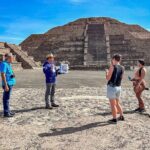
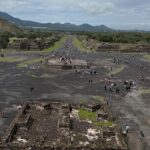
What makes Zócalo more than just open space is what’s under and around it. The area is tied to the Aztec Empire and the Templo Mayor remains. In plain terms: you’re standing in a space that has been important for centuries, not just since the colonial period.
The tour schedule gives you about 1 hour here, plus time to take in the scale. Admission for this Zócalo stop is free, which is nice because it keeps more of your budget focused on the big-ticket museum moment later.
One practical consideration: Zócalo is busy and visually intense. If you’re prone to information overload, use the guide’s pace. Ask one question early—like what you should notice first—then let the rest land gradually.
Palacio Nacional views: Diego Rivera on the walls
Next comes Palacio Nacional de México. This is the seat of Mexico’s federal executive power, so the setting alone brings gravity. But the reason to care is what’s inside it: masterpieces by Diego Rivera, including fresco work that illustrates Mexico’s history and the richness of Mesoamerican cultures.
You’ll get a panoramic view here for about 25 minutes. Admission is listed as not included for this specific stop, so don’t plan on an extended interior visit unless the day’s access works out a certain way.
Even without a long museum-style walk-through, this stop is valuable because Rivera’s frescoes are a direct bridge between politics, art, and identity. Think of it as a “big picture” chapter in paint.
Museo del Templo Mayor: what the Great Temple area tells you
From politics and cathedral-adjacent symbolism, you shift to a different kind of power: the old spiritual and civic hub. The tour includes the Museo del Templo Mayor, tied to the Great Temple of Mexico.
The key concept here is the layout. You’re looking at an enclosure that includes constructions, buildings, towers, and a patio—the physical space where activity happened, enclosed by walls with doorways that led to main roads. That detail matters because it helps you picture Templo Mayor not as a single monument, but as a functioning complex.
Time is tighter than at the anthropology museum: you get about 15 minutes with a panoramic view, and admission is not included.
My advice: treat this stop as orientation. You’re getting the “what and where” so that when you later see artifacts in the Anthropology Museum, your mental map has context.
You can also read our reviews of more city tours in Mexico City

Catedral Metropolitana: engineering on swampy ground
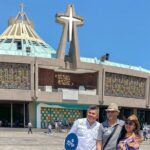
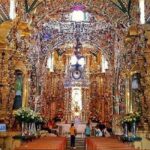
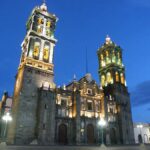
After the Aztec-era context, you land in a colonial masterpiece: Catedral Metropolitana de la Ciudad de México. The tour highlights the dedication to the Assumption of the Blessed Virgin Mary and calls out the main altar in Churrigueresco style.
The standout note is engineering. The cathedral is described as an outstanding work given the ground is swampy, and it’s also noted as one of the top ten largest temples constructed during the colonial period. It’s the seat of the First Archdiocese of Mexico, which adds another layer: this isn’t just an old building, it’s institution-heavy.
Location tip: it’s on the north side of Plaza de la Constitución—easy to align with your Zócalo sense of place.
You’ll have about 25 minutes, and admission is free for this stop. That free access is a win if you like squeezing value from the time you paid for.
Paseo de la Reforma and Chapultepec Park: big views, fewer chores
Now the tour changes gears. You’ll pass through Paseo de la Reforma, one of Mexico City’s most famous streets. The route notes that this corridor connects the Historical Center, the Financial Center, the Cultural area, and Mexico City’s largest park: Chapultepec Park.
You’ll see landmarks along the way such as the Ángel de la Independencia, the Diana, and Christopher Columbus. This is where the city’s modern axis shows up—wide streets, major monuments, and long sightlines you can’t really get from the older historic lanes.
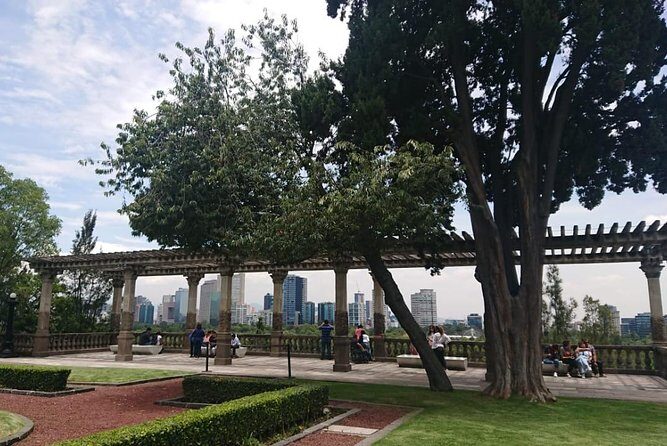
Then comes the park time. You’ll pass through the 1st and 2nd sections of Chapultepec Park, described as an urban forest with 8 museums, more than 100 fountains and monuments, and even boats to row in the lakes. You also get a sense of why locals treat this place like a giant outdoor living room: children’s areas, walking paths, and zones for taking a breath.
The tour specifically calls out sights you can appreciate from the route, including:
- Tamayo Modern Art Museum
- Chapultepec Lake
- Auditorium
- La Casa de los Pinos
- Chapultepec Fair
- Composers Fountain
- Papálotl Museo del Niño
- Tlaloc Fountain
Important expectation: this is “passing through” rather than a full day inside each museum. So if you’re hoping to shop, snack, and do deep dives in every stop inside Chapultepec, you’ll probably want to plan that separately.
That said, it’s a strong way to see what makes Chapultepec feel like a different city inside the city—especially if you’re only here for a short visit.
Museo Nacional de Antropología: why this museum stop is the main event
The day’s big target is Museo Nacional de Antropología, and it’s included if you pick the option where admission fee is included. You’ll get about 1 hour inside.
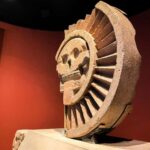
This museum is described as one of the most important museum sites in Mexico and the Americas, built to house and display the archaeological legacy of Mesoamerica’s peoples and to reflect Mexico’s ethnic diversity today.
In practical terms, that means the museum isn’t just a cabinet of cool objects. It’s designed to help you connect objects to cultures and time periods. If you’ve just stood at Zócalo watching history pile up in one direction, the Anthropology Museum gives you the “why” behind what you saw.
How to use your hour well: pick one or two areas that match your curiosity—religion, everyday life, sculpture, or chronology—and let the guide point you toward what to look for first. With only about an hour, you’ll get more satisfaction by focusing than by sprinting.
Also, this is the best moment for relief. Walking in Centro can be intense. The museum visit is typically calmer, and it’s a great place to slow your brain down.
Guide style, group size, and what your questions can do
This tour runs with a professional guide and a maximum of 16 travelers. That group size is a real advantage in Mexico City, where answers get swallowed fast in larger crowds.
Some guides have been praised specifically for clear, history-to-now storytelling. One guide named Juan Castro has been highlighted for insights into the origins and evolution of the Mexican people and the nation. Another set of guides, Gabriela and Jesús, received praise for being friendly, informed, and making it easy to feel the history tied to the sights.
One English-related note: the tour is offered in English, and it states English guide only under request. So if English is a must, ask when you book.
If you’re the type who likes to ask one smart question—like how Rivera’s fresco themes relate to the museum’s artifacts—this tour is set up for that. The small group helps your guide stay responsive instead of reciting a script at high speed.
Price check: does $44 feel fair for 4 to 5 hours?
At $44 per person for about 4 to 5 hours, the value depends on two things: what you’d pay for on your own, and how much you want to avoid logistics.
Here’s what’s included:
- Professional guide
- Hotel pickup and drop-off for selected hotels
- Air-conditioned vehicle
- Anthropology Museum entrance fee (if you select the option)
Not included: food and drinks.
That inclusion list is where the price earns its keep. The Anthropology Museum is the big cost center on many itineraries, and having it bundled—plus a guide to interpret what you’re seeing—turns your time into more than checkboxes.
Also, hotel pickup and the air-conditioned vehicle reduce stress. Mexico City heat and traffic can chew up energy. Getting transported between the historic center and Chapultepec without wrestling with directions can be worth a lot on day one.
If you’re traveling solo and you don’t mind walking, you can DIY some of the Centro stops. But if you want context, comfort, and a tight route that doesn’t eat your whole afternoon, this price is fairly practical.
Practical expectations: timing, weather, shoes, and schedule wiggle room
The tour operates in all weather conditions, so dress accordingly. The one consistent tip is to wear comfortable shoes. Centro pavements and sidewalks can be uneven, and you’ll be on your feet for major chunks of the day.
Plan for a little schedule flexibility. One person reported a late guide arrival that pushed the tour behind time and caused disappointment. That’s not something you can control, but you can protect yourself by not stacking the tour right before something irreversible later that day.
If you’re checking in with a tight itinerary—like a dinner reservation—you’ll sleep better with a buffer window.
Food and drinks are not included, so you’ll want to plan a snack or arrange lunch on your own before or after. If you go into the museum hungry, you’ll feel it.
Who this tour suits best
This tour is a good fit if you:
- Want to see major Centro landmarks without mapping on your own
- Care about the connection between Aztec-era sites and what museums preserve
- Prefer a guided story instead of wandering with only a guidebook
- Like a mix of walking and vehicle time
- Want a cap of 16 travelers for a more conversational pace
It may be less ideal if you:
- Want a long, slow museum visit at a leisurely pace
- Need exact timing with no wiggle room later in the day
- Are expecting food included (it isn’t)
Should you book this tour?
I’d book it if you’re short on time and you want the best “two-zone” combo: the historic core for context, then the Anthropology Museum for the meaning behind it. The route is set up to get you oriented fast and keep you moving without feeling like you’re sprinting the whole day.
Skip it or consider a different option if you’re the type who wants to spend multiple hours inside museums, because this includes just about 1 hour at the Anthropology Museum and tight viewing windows at other stops.
If you do book, my biggest advice is simple: wear good shoes, have a plan for a snack, and give your schedule a little breathing room. Then you’ll get the payoff—those big historic images plus the artifacts that explain them.
FAQ
What’s the duration of the Walking Mexico City Tour with Anthropology Museum?
It runs about 4 to 5 hours.
What’s included in the price?
The tour includes a professional guide, hotel pickup and drop-off (selected hotels), an air-conditioned vehicle, and Anthropology Museum entrance fee if you select the option.
Do I need to pay for food and drinks?
No. Food and drinks are not included.
How long do I spend at the Anthropology Museum?
You’ll have about 1 hour at Museo Nacional de Antropología.
Is the tour in English?
It’s offered in English, and it notes English guide only under request.
What’s the group size?
The tour has a maximum of 16 travelers.
What’s the cancellation window?
You can cancel for a full refund up to 24 hours before the experience starts.