REVIEW · MEXICO CITY
Anthropology Museum Tour: Discover Pre-Hispanic Treasures
Book on Viator →Operated by Vibe Adventures · Bookable on Viator
Pre-Hispanic Mexico shows up fast. This guided tour of the National Museum of Anthropology in Mexico City is built around turning big, famous objects into a story you can actually follow. In about three hours, you’ll move through two floors packed with ancient art, ethnographic exhibits, and even human remains, with time to focus on standout works like the Olmec Group of Figures and the 22-ton Aztec Sun Stone.
What I like most is how the guide turns museum chaos into a route you can manage. You’ll get real context around the museum’s key pieces instead of just reading labels, and the showstopper stops are the kind you remember afterward (especially the Olmec Group of Figures and the Sun Stone).
One heads-up before you go: there’s no fast line. Tickets are handled on arrival, so you may sit and wait a bit depending on the day.
In This Review
- Key highlights worth aiming for
- National Museum of Anthropology: why this stop feels like a reset button
- Entering the museum at the right address in Polanco
- Your 3-hour walk-through: what you’ll actually do inside
- Two floors of artifacts and human remains: how guidance changes the experience
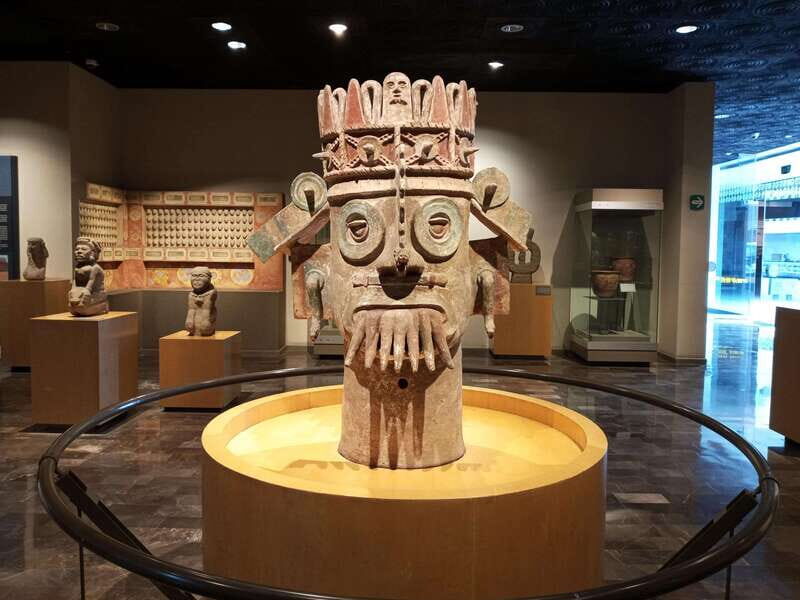
- Olmec Group of Figures: the stop that turns heads
- The Aztec Sun Stone: 22 tons and why that matters
- Ethnographic exhibits: the bridge to present-day indigenous communities
- Guide quality: Diana, Clara, Ivan, Silvia, and Maida
- Price and value: $50 for a guided ticketed museum hit
- Group size, fixed timing, and why it affects your comfort
- What to bring so nothing slows you down
- Should families and kids book this?
- Should you book this Anthropology Museum Tour?
- FAQ
- How long is the Anthropology Museum tour?
- What is included in the price?
- What is the meeting point?
- Is the tour offered in English?
- Is this a small-group tour or a private tour?
- Can a small-group tour be customized?
- What should I bring with me?
- Is there a fast line for entry?
- Do I need travel insurance?
- What if the tour is canceled due to weather?
Key highlights worth aiming for

- Olmec Group of Figures: a focused look at one of the museum’s most talked-about pre-Hispanic art moments
- Aztec Sun Stone at 22 tons: a heavy-hitter stop that anchors the visit in world-history scale
- Two floors, one guided route: you’ll see more without getting stuck wandering
- Ethnographic exhibits too: you’ll connect ancient Mexico with today’s indigenous communities
- Guides who can tell the story: past guests praised guides like Diana, Clara, Silvia, Ivan, and Maida for clarity and pacing
- Admission and guided entry included: you pay once for the guide plus the museum ticket
National Museum of Anthropology: why this stop feels like a reset button
The National Museum of Anthropology sits right in the middle of Mexico City’s best “first-week” plans for good reason. This is one of those museums where you don’t just look at objects. You try to understand what people valued, how they represented beliefs, and how art communicates power. The building itself helps: it feels open and intentional, not like you’re being herded through a maze.
On a guided visit, that matters. Without a plan, museums like this can turn into a blur of rooms and labels. With a guide, you’re steered toward the pieces that unlock the rest of the collection. You also get help with museum language. Even if you’re comfortable reading Spanish or museum signage, guided interpretation makes it easier to connect what you see across different eras.
You can also read our reviews of more museum experiences in Mexico City

Entering the museum at the right address in Polanco
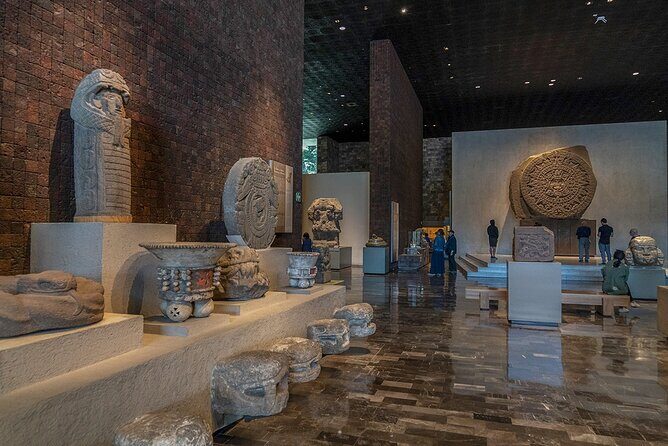
Your meeting point is at the museum itself: Museo Nacional de Antropología, Av. P.º de la Reforma s/n, Polanco, Bosque de Chapultepec I Secc, Miguel Hidalgo, 11560 Ciudad de México, CDMX, Mexico. The good news is the site is described as near public transportation, which is a big deal in Mexico City where traffic and parking can be unpredictable.
A practical move: have your phone ready and include a valid contact number with the international prefix if you’re asked for it. The tour notes explain the guide may need it for pickup. That’s not just paperwork. When schedules are tight and groups meet at large attractions, having a working number reduces last-minute stress.
This tour also uses a mobile ticket. Bring it up on your phone so you’re not scrambling for it once you arrive.
Your 3-hour walk-through: what you’ll actually do inside
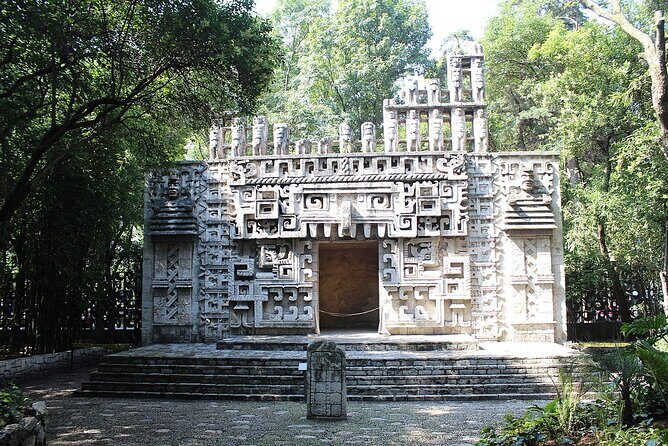
Plan on roughly three hours. That’s a smart length for this museum because it’s long enough to hit the headliners and still short enough that you can stay awake and engaged. Most of your time is spent inside with a guided visit, with a route designed to cover key areas instead of trying to see everything.
The visit is split across two floors, and the museum doesn’t only show art. You’ll also see ethnographic exhibits focused on contemporary indigenous communities, plus ancient human remains displayed as part of the collection. In other words, this isn’t a “just pretty objects” stop. It’s designed to show pre-Hispanic cultures in context, then keep the conversation going into the present.
If you’re the type who gets overwhelmed, three hours with a guide is a good fit. If you’re a museum super-planner who wants to read every sign and sketch everything, you might feel rushed. For that style, you might prefer more solo time.
Two floors of artifacts and human remains: how guidance changes the experience
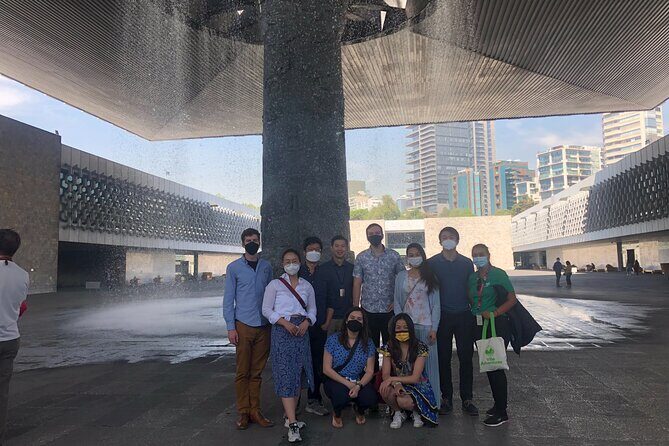
One review complaint stood out: at least one group felt the guide’s explanations didn’t go much beyond what was already on the informational signs. That’s a reminder that guide quality can change how satisfying the “guided” part feels.
Here’s how to make sure you get the best version of the experience:
- Ask your guide a follow-up question when you see a major object, not just what it is, but what it meant to the culture.
- If you love symbolism, tell the guide you want connections between art and belief.
- If you’re history-first, ask for a simple timeline explanation linking what you’re seeing on one floor to the other.
When guides are strong, the tour stops feel less like disconnected exhibits and more like a chain. Several past guests praised guides for exactly that: connecting artifacts into a clearer story and making the visit feel like history rather than trivia.
Olmec Group of Figures: the stop that turns heads
The itinerary highlights the Group of Figures from the Olmec culture, and I get why. Even if you know only the basics, this kind of artwork has a way of pulling your attention because it looks intentional, not generic. The guide’s job here is to help you slow down and see what matters: form, meaning, and why the piece is singled out as a key part of the museum’s reputation.
A guided look is worth it for this stop because the museum’s scale can tempt you to skim. With a guide, you’ll have someone steering your gaze and giving a reason to care, which is the difference between seeing an object and understanding it.
If you’re visiting with someone who gets impatient with museums, this stop can also act like a “checkpoint.” It’s the moment that often makes people say, okay, this is different.




The Aztec Sun Stone: 22 tons and why that matters
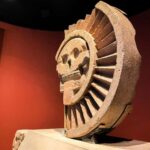
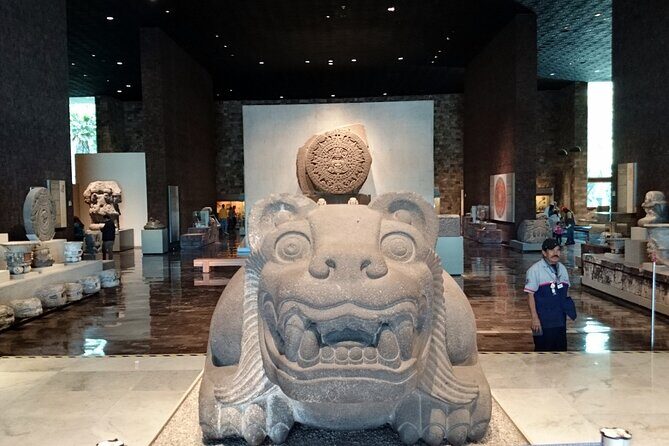
Few things in the museum world are as instantly memorable as the 22-ton Aztec Sun Stone. It’s the kind of object that changes your sense of scale. You’re not just looking at something historical. You’re looking at something that had physical weight and required major effort.
On a guided route, this becomes more than a photo moment. The tour frames it as a key element in world history, which helps you place it in a bigger story rather than treating it like an isolated relic. Even if you already know the basics, a guide can give you the “why this is famous” explanation that makes the visit click.
If you like museum highlights, this is likely your anchor point. Once you’ve seen it and understood what the guide is emphasizing, the rest of the collection tends to feel more connected.
Ethnographic exhibits: the bridge to present-day indigenous communities
A lot of people come to this museum thinking it’s only about the ancient past. But the tour also includes ethnographic exhibits showing Mexico’s contemporary indigenous communities. That’s not an afterthought. It changes how you interpret the ancient artifacts.
Here’s why that matters for you: when you see modern cultural continuity alongside pre-Hispanic collections, the museum feels less like a sealed-off chapter and more like an ongoing conversation. You’ll likely leave with a more grounded view of how identity, tradition, and belief systems can echo through time.
It’s also a good way to keep your brain engaged on a long day. After intense ancient displays, the ethnographic section offers a different angle and a calmer pace.
Guide quality: Diana, Clara, Ivan, Silvia, and Maida
This tour lives or dies on the guide’s storytelling. The strongest praise in the reviews points to guides who explain clearly and pay attention to what the group needs. Names that came up repeatedly included Diana, Maida, Clara, Ivan, and Silvia.
Here’s what those different guide styles can mean for you:
- If you want history that feels alive, Diana was described as making the history come to life.
- If you want someone who adjusts to your interests, Maida was praised for tailoring the tour to needs.
- If you want thorough and approachable explanations, Clara was noted as informative and courteous.
- If you want an expert historian feel, Silvia was praised as an expert historian who used charming, relatable explanations.
- If you want a very academic tone, Ivan delivered a highly knowledgeable tour, though one review pointed out it wasn’t especially kid-friendly.
The takeaway: if you have specific goals (kids, fast overview, deeper context, religious beliefs, art focus), tell your guide early in the visit. You’ll get more out of the three hours.
Price and value: $50 for a guided ticketed museum hit
At $50 per person for about three hours, the value comes from two things you get together: a guide service plus entrance tickets and a guided visit to the museum. That’s helpful because at major museums, the ticket and timing can be a headache when you’re coordinating a group.
This is also the kind of museum where a good guide can “save” you time. Instead of spending your energy figuring out where to start, you’re pointed to the best places quickly. Several strong reviews praised guides for showing the best areas and giving context, which is exactly what makes the fee feel fair.
One practical consideration: small-group tours are limited (up to 12). Private tours can be customized. If you’re traveling with family, bringing older relatives, or you want slower pacing, the private option is the safest bet.
Group size, fixed timing, and why it affects your comfort
There are two formats:
- Small-group tours: up to 12 travelers, and the departure time is fixed.
- Private tours: your group only, any size, and timing can be adjusted.
That fixed departure for small groups can be a plus if you like structure. It can also be a drawback if your day is packed and you’d rather flex the schedule. One review mentioned a time change earlier than expected and a request to merge with another group, which signals that on certain days the operator may try to manage crowding and group logistics.
If you want total control, book private. If you’re happy with a guided route and you don’t mind sharing the museum energy with a small crowd, the small-group format can work well.
What to bring so nothing slows you down
The tour suggests you bring:
- Personal ID (digital or paper copy is fine)
- Travel insurance details, especially since medical coverage is expected for participation
- Comfortable clothes and shoes
- Hat/cap, sunscreen, and sunglasses (Mexico sun is strong)
- Cash, in case you want to buy something and a merchant doesn’t take cards
- A good mood and curiosity
In real terms: comfortable shoes matter here. Even with a guided route, you’ll cover ground inside and outside the main exhibit areas.
Should families and kids book this?
This museum can be intense. The tour includes human remains, and the guide style can be more historical than playful. One review specifically noted the tour wasn’t kid-geared and felt almost professorial, even though the guide was very knowledgeable.
So here’s my practical advice:
- If your kids enjoy museums and can handle serious topics, go for it.
- If your kids get restless fast, consider private so you can ask for pacing adjustments and spend more time at fewer stops.
- Either way, tell the guide you’re bringing children. A good guide can often adapt explanations without changing the content.
Should you book this Anthropology Museum Tour?
Book it if you want a guided, time-efficient route through Mexico City’s National Museum of Anthropology, with attention on major pieces like the Olmec Group of Figures and the Aztec Sun Stone. If you’re starting your trip and want one strong “orienting” museum, this is a smart use of your first day.
Skip or rethink it if you prefer total independence, hate waiting outside before entry, or you know you’re a slow reader who wants to spend hours with no structure. Also consider your expectations for the guide: if you want explanations that go far beyond the labels, choose the format that gives you the most room to ask questions (often private).
If you do book, do one simple thing that pays off: arrive with questions ready. Three hours is not enough to master a museum, but it is enough to understand what to notice. With the right guide, you’ll leave with that feeling that the exhibits finally made sense.
FAQ
How long is the Anthropology Museum tour?
It runs for about 3 hours.
What is included in the price?
The tour includes the guide service and entrance tickets plus a guided visit to the National Anthropology Museum.
What is the meeting point?
The meeting point is at Museo Nacional de Antropología, Av. P.º de la Reforma s/n, Polanco, Bosque de Chapultepec I Secc, Miguel Hidalgo, 11560 Ciudad de México, CDMX, Mexico.
Is the tour offered in English?
Yes, English is offered for the tour.
Is this a small-group tour or a private tour?
Both are available. Small-group tours have up to 12 travelers, and private tours are only your group.
Can a small-group tour be customized?
No. Small-group tours are not customizable. Private tours can be customized within the default duration and route limits.
What should I bring with me?
Bring personal ID, comfortable shoes and clothes, and sun protection like a hat/cap, sunscreen, and sunglasses. Cash can also help if you want to buy something.
Is there a fast line for entry?
No. It does not include a fast line, and tickets handled upon arrival can involve waiting time.
Do I need travel insurance?
Travel insurance is required according to the tour terms, covering injury, emergency medical expenses, and damage or loss of personal property.
What if the tour is canceled due to weather?
This experience requires good weather. If canceled due to poor weather, you’ll be offered a different date or a full refund.