REVIEW · OAXACA CITY
Monte Alban & More… All Included Guided Day Tour from Oaxaca
Book on Viator →Operated by Mexico Kan Tours · Bookable on Viator
Ancient ruins in the morning, handmade art by afternoon. This 8-hour guided day strings together Zapotec-era Monte Albán, the ceramics traditions of Atzompa, and Oaxaca’s classic history stops in a smart route. I like that the tour keeps the group small (max 10) and the pacing feels doable for a full day.
I especially like the hands-on feel of Atzompa ceramics—watching traditional coil-building and wood-fired kiln steps up close. I also like that Monte Albán admission is included, so you’re not juggling ticket hassles before you get to the big views.
One possible drawback: this is very much a “good walking + good weather” day. If you’re sensitive to hills at Monte Albán or the heat, plan ahead and keep water handy.
In This Review
- Key Highlights You’ll Care About
- Why Monte Albán Still Feels Like a Big Deal
- Getting Started: 8:30 Pickup, Mobile Ticket, and Comfort Tips
- Stop 1: Monte Albán and the Moment It Clicks
- Stop 2: Atzompa Ceramics—Tradition Meets a Living Studio
- Lunch in Oaxaca: Food That Keeps the Day Moving
- Stop 4: Santo Domingo Museum in a Dominican Monastery
- How Long Does It Really Take?
- Guides Make or Break the Experience (And This One Has Strong Ones)
- Value Check: Is $189 Good for What You Get?
- Who Should Book Monte Albán & More?
- Should You Book It?
- FAQ
- Will I be picked up from my hotel?
- What time does the tour start?
- How long is the tour?
- Is the tour in English?
- How large is the group?
- Is Monte Albán admission included?
- Is there a place to meet if I’m not using pickup?
- Do I need a printed ticket?
- What happens if the weather is bad?
- Is there free cancellation?
Key Highlights You’ll Care About
- Max 10 people means more time with your guide, less rushing.
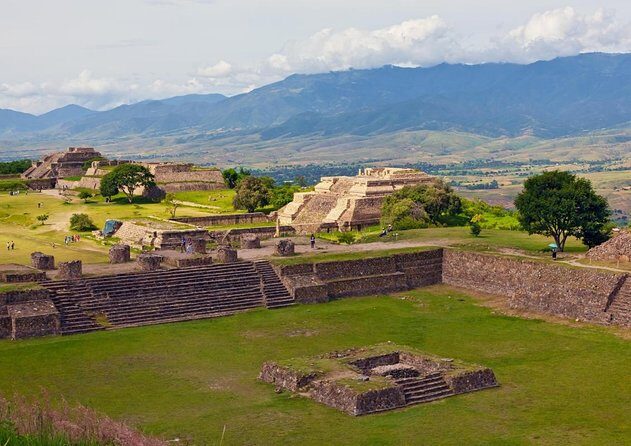
- Monte Albán admission included gets you straight into the most famous (and most meaningful) hilltop ruins.
- Atzompa ceramics studio visit connects ancient motifs to modern work.
- Santo Domingo Museum adds context in a stunning Dominican monastery setting.
- Lunch is built into the plan so you’re fed without scrambling.
- English-guided with a professional host, plus pickup available.
Why Monte Albán Still Feels Like a Big Deal
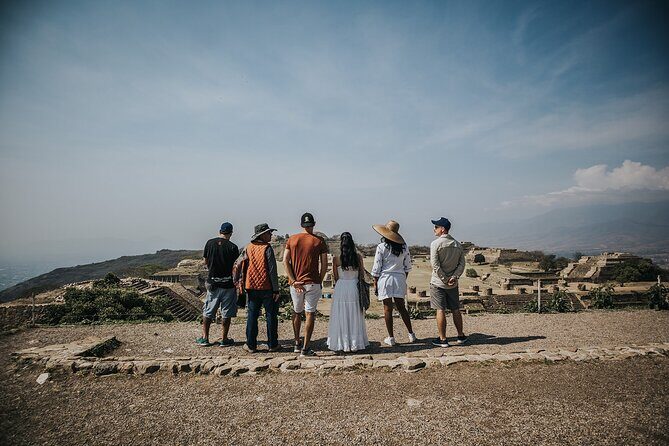
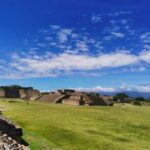
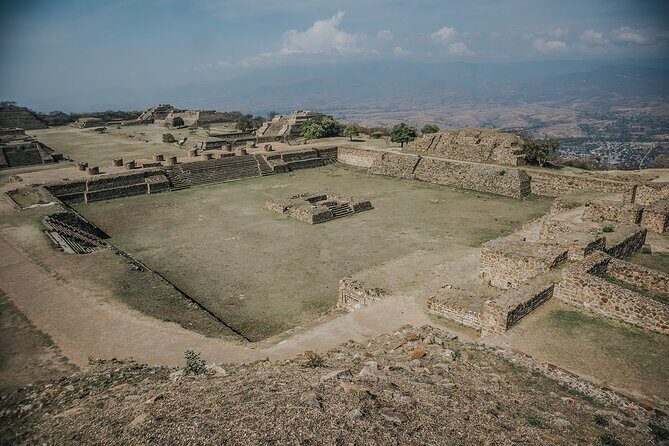
Monte Albán sits on a hill and makes you slow down. The setting alone helps: you get wide views over Oaxaca’s region and it’s easier to imagine how a major Mesoamerican city could dominate trade, politics, and culture from up high.
What makes this tour work is that it doesn’t treat Monte Albán like a quick photo stop. You get a proper guided walk through the ruins, with enough context to understand what you’re seeing—stone architecture, plaza layouts, and how the Zapotec story fits into the wider region.
And you’re not trapped in a crowd. With a small group (up to 10), the day feels more like a guided conversation than a conveyor belt.
You can also read our reviews of more guided tours in Oaxaca City

Getting Started: 8:30 Pickup, Mobile Ticket, and Comfort Tips
The day starts around 8:30 am. Pickup is offered, where your guide meets you in front of your accommodation. If you’re not using pickup for some reason, there’s a clear meeting point: Jaguar Yuú Café Dalias, 209, entre Belisario Domínguez y Palmeras, Reforma, 68050 Oaxaca de Juárez.
You’ll get a mobile ticket, which is convenient—no paper to lose, no ticket desk line dance.
Here’s how I’d prepare, practically:
- Wear shoes you’re happy to walk in on uneven stone and dirt (Monte Albán can be slippery if damp).
- Bring sun protection. A long morning plus a hill site can cook you fast.
- Pack a light layer. Early starts can feel cooler at first.
- If you like buying crafts, bring some extra cash. Ceramics and artisan work can get addictive.
Also note: the tour is run in English, so you’ll get clear explanations rather than relying on guesswork.
Stop 1: Monte Albán and the Moment It Clicks
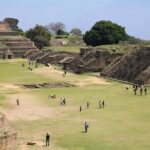
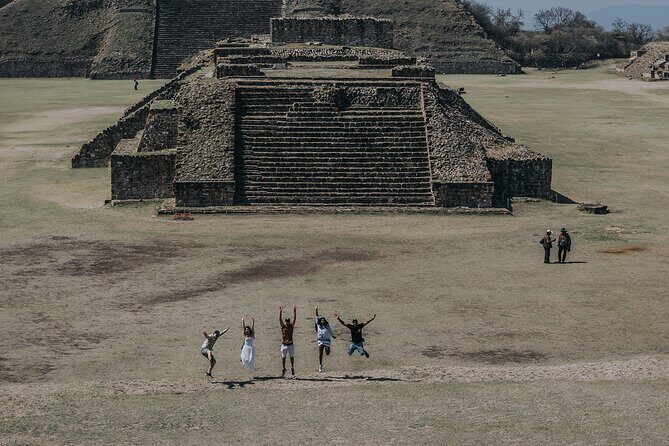
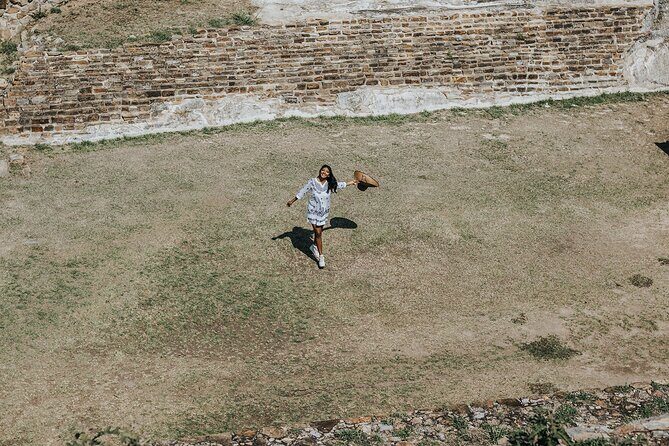
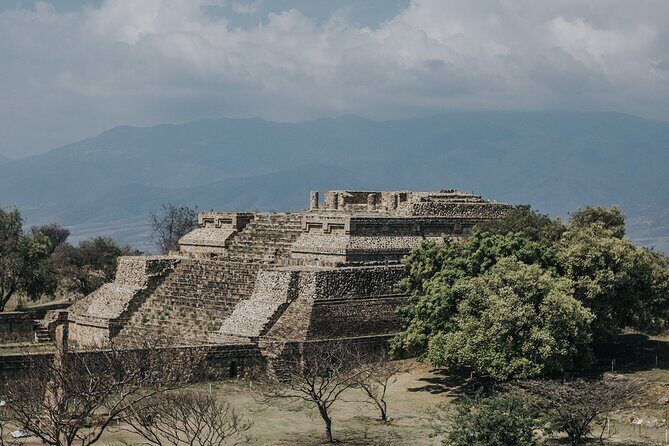
Monte Albán is one of the oldest and most influential ancient cities in Mesoamerica. The tour includes admission here, and you spend about 2 hours on-site.
What I find most valuable about having a guide for Monte Albán is that the ruins stop being random ruins. You learn how the place functioned, what the key structures suggest, and why the architecture matters. When you have that framing, the site’s layout starts to make sense—plazas, monumental buildings, and the way the hilltop position shapes daily life.
You also get time to explore the wider grounds on your own after the guided portion. That’s a good mix: guidance first, then your own pace to walk, look, and absorb. One more bonus from the small group size: you’re more likely to feel like you have space to think, not just snap and move.
Possible drawback to consider: you’re going to climb and walk outdoors. If your mobility is limited, you may want to go slow at your own pace and ask the guide where the easiest routes are.
Stop 2: Atzompa Ceramics—Tradition Meets a Living Studio
After Monte Albán, the route shifts from ancient stones to living craft in Atzompa, spending another 2 hours.
Atzompa is known for ceramics, and what makes it more than a simple souvenir stop is the way the visit connects old techniques to modern expression. Historically, Atzompa was one of Monte Albán’s barrios, and it still feels tied to place: there’s a ceremonial hilltop with ancient temples, and the town keeps its traditions going.
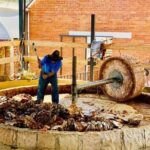
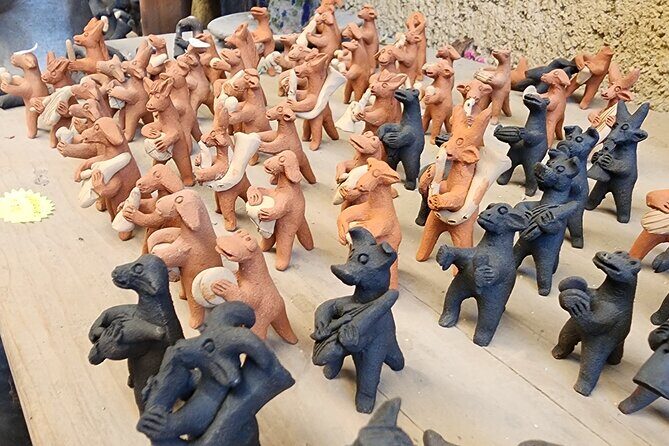
You’ll visit a ceramic studio run by local artists—one name that comes through clearly is Adrian Martinez (with his partner Janette). In the studio, you can see the process: coil-building and wood-fired kiln firings. The real payoff is seeing how artists keep ancient motifs and symbolism while also adding their own modern touches.
This is where the tour feels most “Oaxaca” to me. Instead of just reading about culture, you watch how craft is made—slow, deliberate steps that reflect generational knowledge.
Practical tip: if you’re serious about ceramics, ask questions about materials, firing, and design symbolism. The studio visit tends to be the part where conversation flows, not just a quick showroom tour.
Lunch in Oaxaca: Food That Keeps the Day Moving
After Atzompa, you return to Oaxaca for lunch, with about 2 hours allocated. The plan is straightforward: eat Oaxacan dishes and reset before the museum portion.
One thing I like about building lunch into the schedule is timing. You’re not hunting for food while your group is still transporting from site to site. Also, lunch in Oaxaca often includes the flavor range—moles, regional specialties, and dishes built around local ingredients—so it becomes part of the cultural story, not just a break.
Many days like this also use a sit-down restaurant setting with strong views over the city. What matters most for you: you’ll be fed well enough to handle more walking after lunch, and the timing gives digestion a chance before heading to the museum.

Stop 4: Santo Domingo Museum in a Dominican Monastery
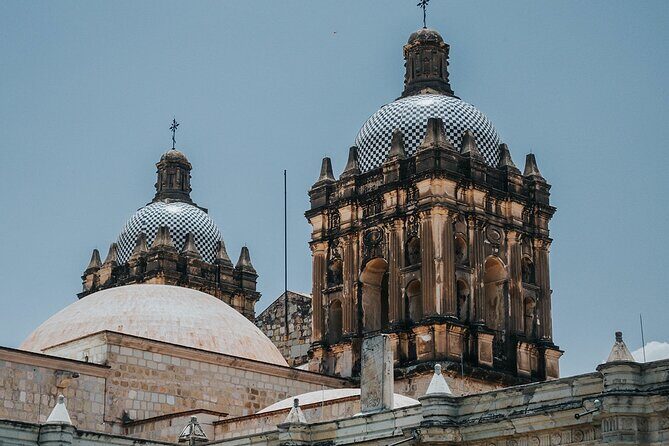
After lunch, the day lands at the Museum of Santo Domingo, set in an old Dominican monastery. This is another 2-hour stop.
This part works for two reasons:
- The building itself is a character in the story—architecture and quiet halls that change the feel of your day.
- The museum’s focus connects Oaxaca’s cultural heritage, including treasures linked to the Monte Albán world.
The museum visit is especially useful if you want to understand not only the ancient city, but also what came after it. You’re looking at how artifacts were preserved and how different communities contributed to the region’s long timeline.
And because it’s indoors, it can be a relief from the sun and heat you already worked through on the hill.
How Long Does It Really Take?
The tour is about 8 hours total. With two hours each at Monte Albán and Atzompa, plus lunch and the Santo Domingo museum, the timing is structured like a full-day culture circuit—not a “quick hit.”
You start at 8:30 am, which helps. Going early at Monte Albán tends to feel calmer, and you get the hardest walking done before midday heat.
Group size also affects how the day feels. With up to 10 people, you should get fewer bottlenecks, and your guide can manage questions without losing the schedule.
Guides Make or Break the Experience (And This One Has Strong Ones)
The biggest reason this tour gets high marks is the human factor: the guides do real guiding.
One guide name that shows up is Ivan, described as professional, kind, and patient with questions. He also has a deep connection to local history and can explain the Zapotec region in a way that makes the ruins feel legible. Another guide name that appears in English-day experiences is Paola, also praised for clear historical explanations and a calm pace.
Even if your guide isn’t the same person, the format is built for interaction: you’re not just following. You can ask why something matters, and you get explanations while driving as well as at each stop.
Value Check: Is $189 Good for What You Get?
At $189 per person, this is not a cheap day trip—but it isn’t priced like a luxury private charter either.
Here’s how the value adds up:
- Admission is included for Monte Albán.
- You get a guided experience at the major stops, not just transportation.
- You visit an artisan ceramics studio, which adds hands-on cultural value.
- Lunch is included in the plan, so you’re not paying for meals separately mid-excursion.
- The group is kept small (max 10), which usually means better time with your guide.
If you’re the kind of traveler who likes context—why the ruins look like that, and how modern Oaxaca carries old symbolism—this price starts to make sense fast.
If you’re only after quick sightseeing and you hate guided structure, you might find cheaper DIY options. But for a first-time Oaxaca cultural day, the “all-in-one” flow is the point.
Who Should Book Monte Albán & More?
This tour is a great fit if:
- You want Monte Albán with real context, not just scattered photos.
- You care about Oaxaca crafts, especially ceramics with traditional techniques.
- You like a small group and an English-speaking guide.
- You want a full day that combines ancient history, modern culture, and a museum stop.
It might be less ideal if:
- You have trouble walking on uneven outdoor ground.
- You’re very sensitive to heat or long days.
- You prefer to travel completely on your own schedule (this has a clear, timed route).
Because it depends on good weather, you should also be flexible. If conditions are bad, you’ll be offered another date or a refund.
Should You Book It?
I’d book this tour if you want a single day that connects the dots between ancient Oaxaca and what’s still made today. The strongest reasons are the Monte Albán guide-driven walk, the Atzompa ceramics studio with real process details (coils and wood-fired kilns), and the added context from Santo Domingo inside a historic monastery.
The main reason to pause is physical comfort: you’ll walk on hills and do outdoor time before shifting indoors. If that’s manageable for you, this is a solid way to spend a day in Oaxaca without feeling rushed or disconnected.
FAQ
Will I be picked up from my hotel?
Yes. Pickup is offered, and the guide meets you in front of your accommodation.
What time does the tour start?
It starts at 8:30 am.
How long is the tour?
The duration is about 8 hours.
Is the tour in English?
Yes, it’s offered in English.
How large is the group?
The tour has a maximum of 10 travelers.
Is Monte Albán admission included?
Yes. Admission Ticket Included for Monte Albán is part of the tour.
Is there a place to meet if I’m not using pickup?
Yes. The meeting point is Jaguar Yuú Café Dalias, 209, entre Belisario Domínguez y Palmeras, Reforma, 68050 Oaxaca de Juárez.
Do I need a printed ticket?
No. You’ll have a mobile ticket.
What happens if the weather is bad?
The tour requires good weather. If it’s canceled due to poor weather, you’ll be offered a different date or a full refund.
Is there free cancellation?
Yes. You can cancel for a full refund up to 24 hours in advance. Canceling less than 24 hours before the start won’t be refunded.