REVIEW · OAXACA CITY
First Day in Oaxaca – Guided Walking Tour
Book on Viator →Operated by Oaxacan Journey · Bookable on Viator
Oaxaca clicks into place fast. This 2-hour, English-friendly walking tour is a smart first stop in town, mixing food culture with standout architecture and ending at a less-visited museum. I love that it keeps the group small (max 10) and lets you move at a comfortable pace between major sights and local markets, all in the historic Centro area.
Two things I really like: you get free admission at every listed stop, and you’ll get a guide who knows how to connect the dots between what you see and what it means in daily Oaxaca life. In the reviews, guides like Gilberto (and also Beto) come through as engaging hosts who answer questions and keep the walk feeling welcoming rather than rushed.
One drawback to think about: it’s outdoors and it’s timed for good weather, so if rain or harsh conditions roll in, you may need to adjust plans. Also, bottled water is not included, so plan to buy or bring your own.
In This Review
- Key highlights worth your time
- A focused first-day walk across Oaxaca City’s core
- Mercado 20 de Noviembre and the Pasillo del Humo smell test
- Mercado Benito Juárez near the Zócalo: spices, mole, and chapulines
- The Oaxaca Zócalo: architecture first, then music
- Teatro Macedonio Alcalá: Art Nouveau exterior and a Louis XV-style interior
- Museo de Filatelia de Oaxaca: a quiet stamp story with a world-first detail
- Is $21.41 good value for this 2-hour walk?
- Pace, group size, and how it affects your enjoyment
- Where this tour fits in your Oaxaca plan
- Should you book this first-day walking tour?
- FAQ
- How long is the walking tour?
- Where does the tour start?
- Where does the tour end?
- What time does the tour start?
- Is the tour offered in English?
- How many people are in the group?
- What’s included in the price?
- Is bottled water included?
- Do I need a printed ticket?
- What if the weather isn’t good?
Key highlights worth your time

- Mercado 20 de Noviembre and the Pasillo del Humo smokehouse vibe with tasajo, cecina, and chorizo
- Mercado Benito Juárez near the Zócalo, opened in 1894, with mole pastes, mezcal, cheeses, and chapulines
- Oaxaca Zócalo framed by the Cathedral of Santo Domingo and the Government Palace, with marimba bands and street music
- Teatro Macedonio Alcalá exterior details you can spot from the street, plus its Louis XV-style interior vestibule
- Museo de Filatelia de Oaxaca: a stamp-and-postal history collection inside a colonial house with calm courtyards
- Small-group format (up to 10) plus an included umbrella and a 5:00 pm start time
A focused first-day walk across Oaxaca City’s core

If your first afternoon in Oaxaca feels like an overload of streets and names, this tour helps you get your bearings quickly. You start near the historic center and you finish at a museum that most casual visits skip. That matters, because Oaxaca rewards repeat attention: once you know the layout and the landmarks, your next days feel easier.
You’ll also notice the tour is built for real viewing, not just passing by. The stops are tight—each is set for about 20 minutes—so you get enough time to look closely, ask questions, and still keep the energy up.
And yes, it’s a walking tour, so wear shoes you trust for cobblestones and uneven sidewalks. The tour’s size (max 10) keeps things human, especially if you’re traveling solo or don’t want to shout over a crowd.
You can also read our reviews of more walking tours in Oaxaca City



Mercado 20 de Noviembre and the Pasillo del Humo smell test
This is where your Oaxaca instincts get trained. Mercado 20 de Noviembre is famous for the Pasillo del Humo, the smokehouse corridor where grilled meats come through with that coal-fired aroma that hits before you even decide what to eat.
What makes this stop special is the mix of food and history. This is a 19th-century landmark, and you can feel that age in the market’s layout and long-running reputation. Your guide points you toward the kinds of dishes people order on repeat—tasajo, cecina, and chorizo—served with handmade tortillas and salsas. Even if you’re not buying a full meal at each stop, just watching how the food is prepared and served helps you understand the logic of Oaxacan flavors.
Two practical notes:
- Arrive ready to smell and taste in your head. If you’re sensitive to smoke, keep your first few breaths gentle.
- Keep your expectations flexible. Markets are lively and imperfect—part of the charm.
This stop is scheduled for about 20 minutes, and it’s long enough to understand what people are buying without feeling like you’re trapped in a line.
Mercado Benito Juárez near the Zócalo: spices, mole, and chapulines
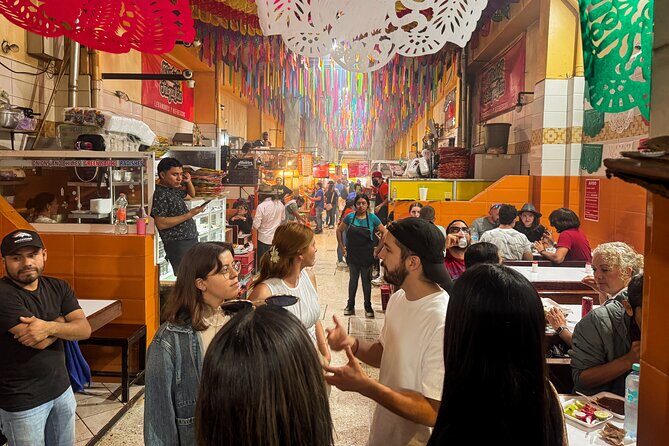
Next you head to Mercado Benito Juárez, right by the Zócalo. This is a covered market that opened in 1894, which gives it that older-city feel compared with places that seem more like modern food halls.
This stop is a flavors-on-display crash course. You’ll see stalls stacked with fresh produce, spices, chocolate, mole pastes, cheeses, mezcal, and chapulines—fried grasshoppers. If you’ve never seen chapulines in person, this is your chance to at least observe them on the menu, even if you decide not to try them.
Why I think this market is worth your time: it’s not only about snacks. It’s about ingredients and the everyday food system. Oaxaca cooking has roots in specific pantry items—mole components, chiles, chocolate, and the spices people use to build flavor. Seeing those items in one place helps you later when you’re choosing what to order.
A small consideration: this is also a popular area, so expect more foot traffic than at some quieter streets. The good news is you’re not on your own; your guide keeps the group moving and helps you focus on what’s most meaningful.
The Oaxaca Zócalo: architecture first, then music
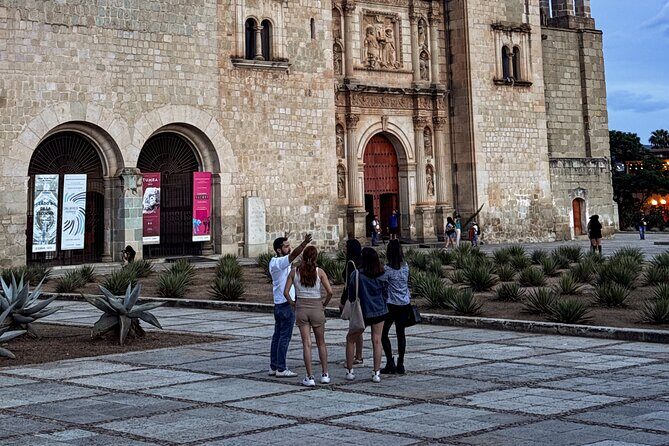
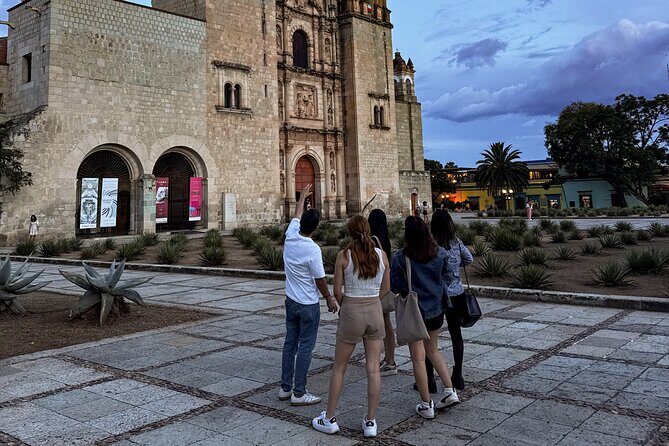
By the time you reach the Zócalo, your brain has shifted from food mode to city mode. The plaza is the heartbeat of Oaxaca City, the Plaza de la Constitución, surrounded by major landmarks and shaded by old trees.
The Cathedral of Santo Domingo and the Government Palace form a dramatic backdrop, with colonial arcades framing the space. Even if you don’t go inside anything, just standing there helps you understand why this area anchors the city.
Then there’s the soundscape. Marimba bands and street performers often add a soundtrack while people sit, talk, and watch daily life roll through. This stop is less about buying something and more about slowing down just enough to notice the atmosphere.
A practical tip: take a minute before the guide moves on to pick a spot with a view of multiple sides of the square. From there, you’ll start seeing how the streets branch out and where you might want to wander next after the tour.
Teatro Macedonio Alcalá: Art Nouveau exterior and a Louis XV-style interior

If you like architecture, Teatro Macedonio Alcalá is a stop that rewards close attention. The building dates to 1909 and mixes Art Nouveau with French-influenced design. From the street, one of the easiest details to spot is the green-and-rose cantera façade.
Your guide also highlights the Louis XV vestibule inside, with marble stairs and ornate ceilings lit by gilded cherubs and allegorical art. Even if you’re not attending a performance that day, seeing the space during this guided viewing connects the building’s former uses to its present role.
This theater has an identity beyond entertainment. It originally functioned as a casino and opera house, and today it hosts performances and supports recognition of ethnic and artistic heritage. That means your visit isn’t just decorative—it helps you understand how Oaxaca treats culture as part of everyday life, not a separate museum topic.
Time here is also about 20 minutes, so you’ll get enough time to appreciate the exterior and interior features your guide wants you to notice, without turning it into a long detour.
You can also read our reviews of more guided tours in Oaxaca City



Museo de Filatelia de Oaxaca: a quiet stamp story with a world-first detail
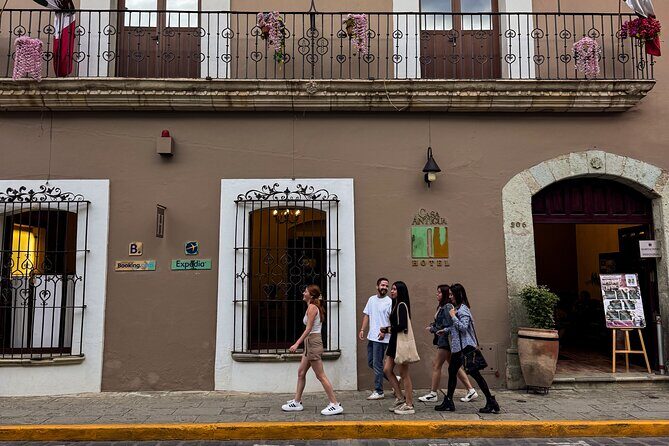
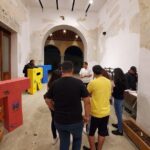
Your tour ends at the Museo de Filatelia de Oaxaca, a stamp and postal history museum that most first-timers don’t stumble into on their own. You finish there, which is nice because it gives you a calm landing after market sights and city energy.
This museum sits in a colonial house, with tranquil courtyards that make the space feel more like a break than a checklist item. The theme is globally focused but presented with local personality. You’ll see the art and history of stamps and postal systems from around the world.
One detail I’d circle in your mind: the collection includes the very first stamp ever issued in the world. That’s the kind of fact that makes a small museum feel like a real discovery, even if you’re not a stamp person.
Because it’s a museum, the pace naturally slows down. If your feet are tired, this ending choice helps you recharge and still feel like you got something memorable.
Is $21.41 good value for this 2-hour walk?
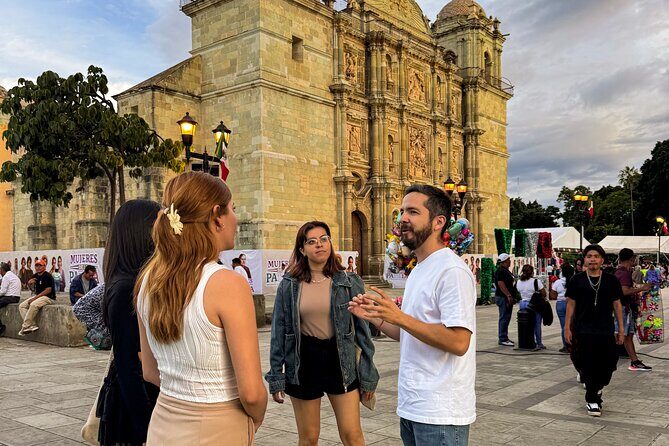
At $21.41 per person for about 2 hours, this tour is priced like a smart introduction rather than a splurge. Here’s why it’s good value based on what you actually get:
- Admissions are included for each stop on the itinerary. That reduces the annoying “extras” feeling and makes the tour easier to budget.
- The group is kept small (up to 10), which helps you hear your guide and ask questions without standing behind taller people.
- You get a mobile ticket and English availability, which helps if you’re not traveling with a Spanish-speaking partner.
- You also get an umbrella included, a practical touch for a city where weather can change.
What’s not included is equally important: bottled water isn’t part of the package. Since markets mean you might want to snack, and walking means you’ll likely want to hydrate, I recommend you plan to buy water near your first market stop or carry your own.
For tour timing, it starts at 5:00 pm. That’s often a sweet spot in cities—cooler than midday and closer to the hour when street music starts to feel lively. It can also mean some sights are more “evening city” than “museum quiet,” but that matches the tour’s style.
The big picture: for a first day, this is a tidy way to cover major landmarks plus food culture in a short time—without the mental overhead of planning five separate stops yourself.
Pace, group size, and how it affects your enjoyment
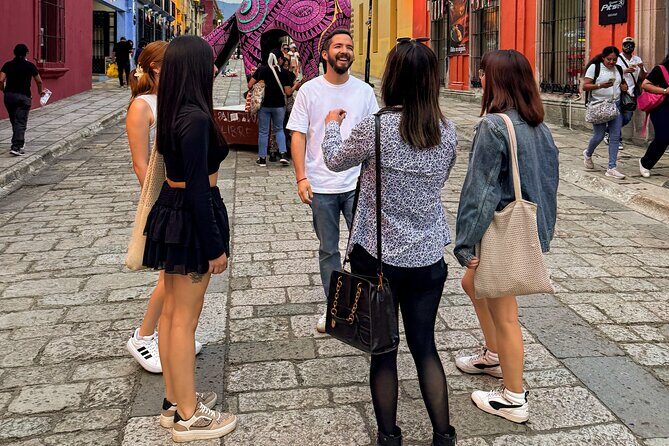
This is the kind of tour that works best when you treat it like a guided orientation, not a race to see everything. The structure is built for an even rhythm: short segments at each place, then movement before your attention drifts.
In the feedback you can see a pattern: people appreciated that the walk didn’t feel rushed. That’s a big deal on a city tour, because fast pacing often turns landmark viewing into photo-only moments.
Since the tour runs with a maximum of 10 people, it’s also easier for your guide to manage the group and keep everyone together. If you want to ask questions about what you’re seeing—like what a dish is, or why a building looks the way it does—this setup is more conducive than large group tours.
One more practical thought: start with a small plan for meals. You’ll see so much food that hunger can pop up fast. Decide in advance whether you want to do serious eating at one market and light tasting at the other.
Where this tour fits in your Oaxaca plan
This is ideal on day one. Not because it covers every inch of the city, but because it gives you:
- a clear sense of Centro’s layout,
- key landmarks you can return to later, and
- a menu vocabulary for what to look for in markets (mole, chocolate, mezcal, chapulines, grilled meats).
It also pairs well with an evening follow-up in the same area. Once you know where the Zócalo and markets sit, you can plan your own walk afterward without feeling lost.
If you only have one afternoon and want a high-confidence start, this checks the most important boxes: food culture, major sights, architecture, and a calm ending museum.
Should you book this first-day walking tour?
Book it if you want an easy, organized introduction to Oaxaca City that mixes food culture with real architectural highlights, and you like getting your bearings quickly. The small group size, included umbrella, and included admissions make it a practical deal, especially for a first day.
Skip or reconsider if you’re traveling with very limited walking ability or if weather worries you—this experience requires good weather, and it’s outdoors. Also, if you hate food smells from markets, start mentally prepared for smokehouse grilling aromas at Mercado 20 de Noviembre.
If you’re okay walking for about two hours and you want your first afternoon to feel structured but not stiff, this is a solid choice.
FAQ
How long is the walking tour?
It’s approximately 2 hours.
Where does the tour start?
The tour starts at Saint John of God Parish, C. de Ignacio Aldama 217, Oaxaca de Juárez, Oaxaca.
Where does the tour end?
The tour ends at the Museo de Filatelia de Oaxaca (MUFIC), located at de la Constitución 201, RUTA INDEPENDENCIA, Centro, Oaxaca de Juárez.
What time does the tour start?
The start time listed is 5:00 pm.
Is the tour offered in English?
Yes, it’s offered in English.
How many people are in the group?
The maximum group size is 10 travelers.
What’s included in the price?
Included items are an umbrella and the admission fee for the scheduled stops.
Is bottled water included?
No, bottled water is not included.
Do I need a printed ticket?
No. The tour uses a mobile ticket.
What if the weather isn’t good?
This experience requires good weather. If it’s canceled due to poor weather, you’ll be offered a different date or a full refund.