REVIEW · MEXICO CITY
Mexico City: Monarch Butterfly Sanctuary Day Tour
Book on GetYourGuide →Operated by Dielinguue · Bookable on GetYourGuide
Monarchs make people quiet. This day tour takes you out of Mexico City and into Michoacán’s Sierra Chincua, the butterflies’ winter home, with guided time to hike, photograph, and learn how this sanctuary protects an animal that matters to Mexico, the U.S., and Canada. You also get a stop tied to the iconic 100 dollar bill photo location.
I especially like the way the guides connect what you see to why it exists. In the group I studied, guides such as Michelle and Antonio were praised for being professional and for translating what you’re looking at into clear butterfly life-cycle and migration context. I also like that you’re not rushed through the forest.
The main drawback is simply the schedule: it’s a long day with early pickup, big road time, and some bumpy stretches. Plan for fatigue, and don’t assume the ride will be smooth the whole way.
In This Review
- Key highlights worth planning for
- The real draw: monarchs in Sierra Chincua, not just a sign on a road
- Getting out of CDMX: pickup points, long driving hours, and bumpy reality
- Sierra Chincua sanctuary time: guided walking, rules that protect the moment
- The story stop: the 100 dollar bill photo location and why it’s more than trivia
- Food tastings and markets in Michoacán: where the day turns local
- Axolotls as a bonus detour: the kind of surprise you remember
- What to bring for comfort: warm clothes, insect repellent, and practical camera planning
- Price and value: what you’re paying for at $262 per person
- Who this monarch day tour is best for (and who should skip it)
- Should you book this monarch butterfly day tour?
- FAQ
- How long is the Monarch Butterfly Sanctuary day tour?
- Where does pickup happen in Mexico City?
- How long do you spend at the sanctuary?
- Are meals included?
- What’s included in the price?
- What languages are the guides?
- Are drones allowed?
- What should I bring and wear?
Key highlights worth planning for
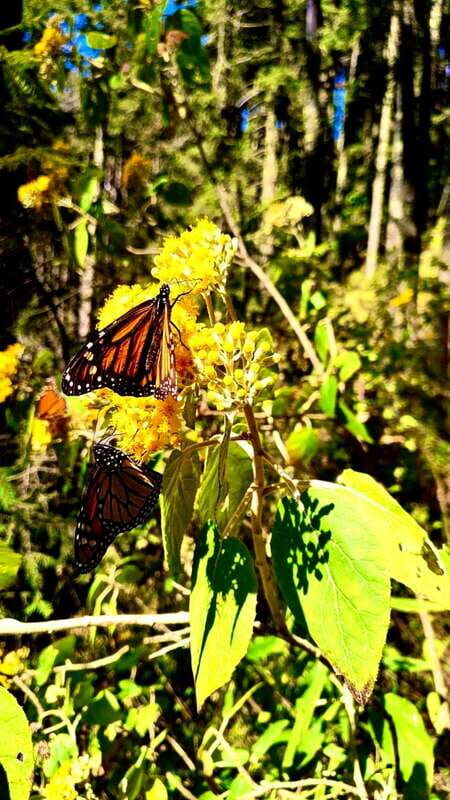
- Sierra Chincua monarch viewing in their winter habitat, with guided walking time (and lots of photos)
- Conservation context: you’ll hear how the butterflies connect Mexico to the U.S. and Canada
- The 100 dollar bill photo stop adds a fun, recognizable waypoint to the day
- Michoacán food tasting and markets for a taste of local culture, not just a nature trip
- Axolotl sightings as a possible bonus when the guide finds the chance to detour
The real draw: monarchs in Sierra Chincua, not just a sign on a road

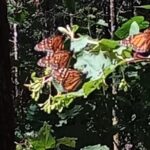
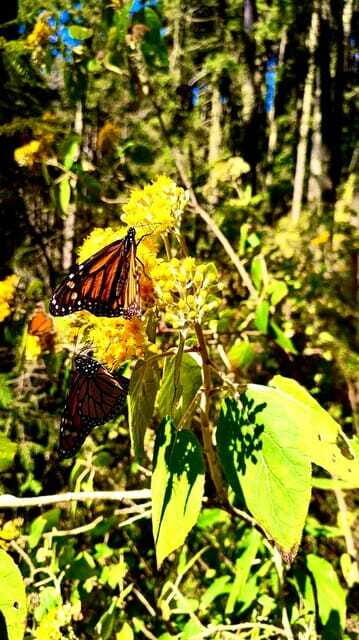
The Monarch Butterfly Sanctuary is one of those places that earns its hype. When the conditions line up, you’re walking in a forest where monarchs cluster naturally for the winter, and the feeling is part wildlife show, part hush-the-mouth wonder.
What makes this tour work for me is the mix of nature and meaning. You’re not only there to take pictures; you get explanations about why monarchs are so important to ecosystems and how conservation shaped today’s sanctuaries. That context turns a cool sight into something you understand.
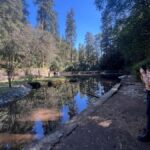
And yes, it’s a magical-looking forest. The guided time gives you a chance to slow down and notice details like how the butterflies gather and how the team protects the habitat so the show keeps happening year after year.
You can also read our reviews of more city tours in Mexico City

Getting out of CDMX: pickup points, long driving hours, and bumpy reality
This is a day tour with real transit time. Expect an early start, because you’re leaving Mexico City for Michoacán and you’ll be on the road for much of the day.
You can start from one of three pickup points in CDMX: The Angel of Independence, Fuente de Cibeles, or Fuente de Cibeles-area convenience depending on your selection. If you stay in a hotel or rental, pickup is included from your lodging in CDMX, and you coordinate the exact pickup time after booking. The expectation is you’ll be ready about 10 minutes early.
The ride is where you should set your expectations. One guest flagged that tollways may not be included in the price, so it’s smart to have some extra cash on hand just in case. Another theme in the driving notes: roads can be rough and slow, with average speeds reported around 5–10 mph in parts. That means a nap helps, and comfortable clothing for the temperature swings matters.
If you get carsick easily, you’ll want to plan for it even though the transportation is described as comfortable. The tour uses private or small groups, which can make the experience feel calmer, but the route itself is still a long, moving day.
Sierra Chincua sanctuary time: guided walking, rules that protect the moment
Once you reach the sanctuary area, you get about 5 hours of guided time with walking and sightseeing. This is the heart of the day, and it’s also where the tour’s rules start to matter.
You’ll hike and explore with a guide who helps you understand what you’re seeing in the monarchs’ winter home. Based on the guide styles highlighted by past participants, the better guides don’t just point out butterflies. They explain what brings monarchs here, how the life cycle works, and how the sanctuary system protects the migration and reproduction process.
You also get a chance to see monarchs in their natural habitat, not in a controlled exhibit. That’s why the guidelines are strict: no touching plants, no touching butterflies, no littering, and no smoking. You’ll be happier if you treat the viewing like a respectful wildlife moment, not a hands-on attraction.
One practical point: access can be limited by government rules. A past participant noted they didn’t realize how far they would be from the nesting site due to limits on how close visitors can get. You still get plenty of chances to see and photograph, but temper expectations if you’re picturing close, crowd-free cuddles.
The story stop: the 100 dollar bill photo location and why it’s more than trivia
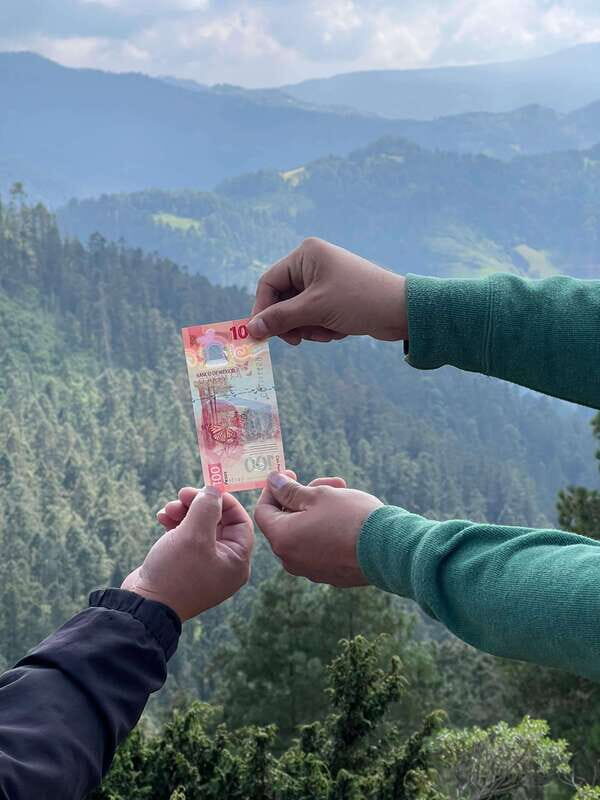
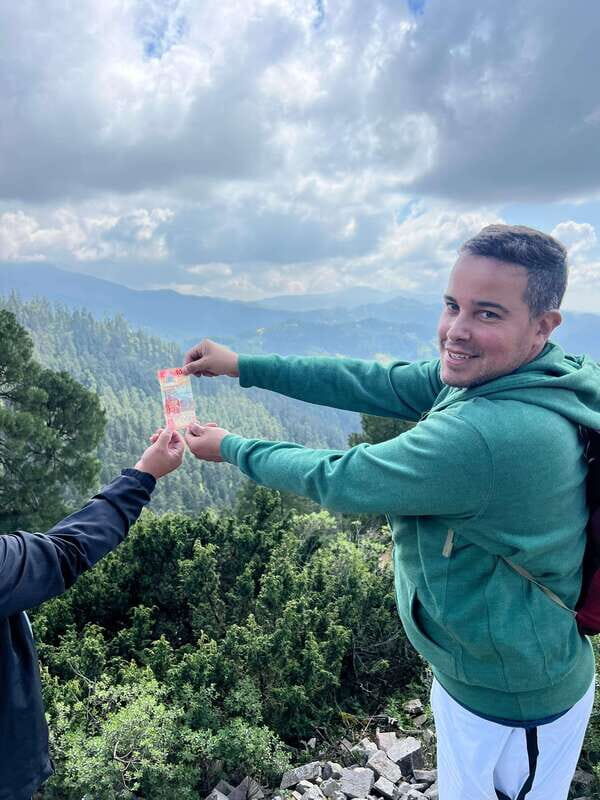
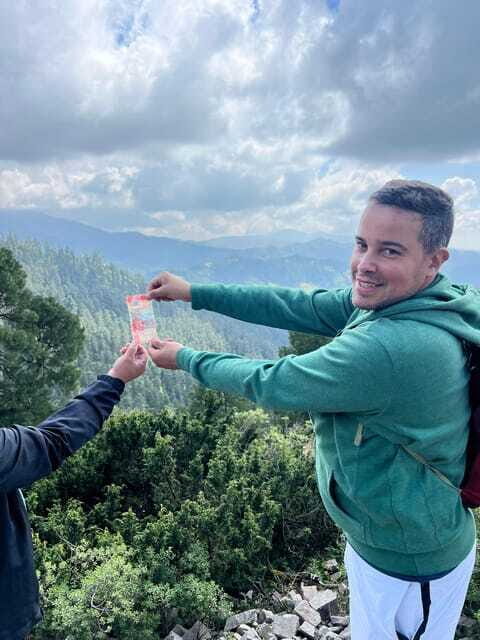
The tour includes a visit to the place where the photo for the 100 dollar bill was taken. This is an oddly satisfying kind of stop: it’s recognizable, it ties your day to something bigger than Michoacán, and it gives your brain a bookmark so you remember the drive and the landscape you passed along the way.
More importantly, this stop helps break up the day. After hours on the road and a focused chunk of forest time, a defined sightseeing point gives you a mental reset. It also adds variety to a trip that could otherwise feel like only hiking and watching.
If you like tying travel to pop-cultural references, this is a fun checkbox. If you don’t care about that, you can treat it as a simple photo-and-stretch stop before the food tasting portion.
Food tastings and markets in Michoacán: where the day turns local
After the sanctuary, you shift to the human side of Michoacán. The tour includes about 1 hour for food tasting and a market visit, including a regional food stop and an arts and crafts market visit.
This part matters because it keeps your day balanced. Monarchs can take over your whole day emotionally, but food and crafts remind you where you actually are: a real region with daily life, vendors, and traditions.
Expect to spend on meals beyond what’s included. The tour information suggests meals and beverages cost about 300 Mexican pesos on your own. The tour does include water and a snack, so you’re not totally on your own for early comfort, but you should still plan for at least one paid meal during the day.
One past participant specifically mentioned the food at the sanctuary area as good with a view of the valley. Even if you don’t care about views, that’s a helpful clue: this isn’t just a quick grab-and-go stop. It’s set up so you can eat and breathe after the hike.



Axolotls as a bonus detour: the kind of surprise you remember
One of the most delightful extras mentioned in the experience notes is an axolotl sighting detour when the guide finds the chance. People reported a guide making an extra move to show wild axolotls, which turns the day from one big nature focus into a two-species wildlife highlight.
I wouldn’t treat this as guaranteed. But if axolotls are on your personal wish list, this is the kind of day where the guide’s local effort can pay off.
Even if you never see them, the broader theme is the same: the guides are watching for moments you might otherwise miss, and they’re willing to adjust in reasonable ways to enhance your experience.
What to bring for comfort: warm clothes, insect repellent, and practical camera planning

This day is outside and involves walking. Plan for temperature differences and for a forest setting where small discomforts become big ones fast.
Bring:
- Comfortable shoes for uneven ground and hiking
- Warm clothing since the forest conditions can feel cooler than the city
- Camera (and consider extra memory/battery)
- Water (even though water and a snack are included)
- Biodegradable sunscreen and insect repellent
Also remember the “no-touch” culture inside the sanctuary. If you want great photos, shoot without getting close enough to disturb butterflies or plants. That also keeps you safer and reduces the chance of accidentally breaking sanctuary rules.
And because drones are not permitted, a regular camera plus a steady stance beats tech you can’t use.
Price and value: what you’re paying for at $262 per person
At $262 per person, this tour isn’t cheap, especially when meals aren’t included. But the price starts to make sense when you break it down into what you’re getting.
You’re paying for:
- Round-trip private transportation from CDMX with pickup coordination
- Entrance to the sanctuary experience
- A guided tour during the core viewing and walking time
- Water and a snack
- Focus on conservation learning and sanctuary history
The biggest cost driver is the distance and time from Mexico City. You can’t shortcut physics here. The long road and the need for trained guides to interpret what you’re seeing justify a higher price than a quick city museum tour.
The also-important cost note: tollways may not be included based on one direct comment. So while the listed price covers key parts, I’d budget a little extra for the practical stuff you only learn once you’re in motion.
If you’re the type of traveler who values guided interpretation (not just looking), this is a strong value. If you only want casual nature time with zero structure, you may feel the price more sharply.
Who this monarch day tour is best for (and who should skip it)
This experience fits well if you want:
- A structured day with guidance through the forest
- Time outdoors that mixes hiking with education
- A more private or small-group feel compared to big bus tours
It’s not a match for everyone. The tour data lists many health and mobility limitations, including people with mobility impairments, wheelchair users, and those with heart problems, respiratory issues, epilepsy, and insect allergies. It’s also flagged as not suitable for people who are affected by altitude sickness, plus several weight and age limits.
If you fall into any of those categories, you should treat the “not suitable” note as a firm stop sign, not a suggestion.
If your main issue is stamina, plan for a 12-hour day and early start. One strong theme from the experience notes is that the butterflies are worth the effort, but the day is still long. Bring patience and a snack for your own rhythm.
Should you book this monarch butterfly day tour?
If you want a true monarch sanctuary day with a guide who explains what you’re seeing, I’d book it. The combination of Sierra Chincua wildlife viewing, education about monarch importance across borders, and a chance to add Michoacán food and market culture makes it feel like more than a one-note nature trip.
I’d hesitate only if you hate long car days, rough roads, or cold forest walking. This tour is a commitment. Also, if you need guarantees about closeness to the butterflies or easy access, you should know that government rules can limit how close visitors get.
If that all sounds like your kind of travel, you’ll likely come away with the butterflies in your memory and a better grasp of why protecting them is such a big deal.
FAQ
How long is the Monarch Butterfly Sanctuary day tour?
The duration is 12 hours.
Where does pickup happen in Mexico City?
Pickup can be from The Angel of Independence or Fuente de Cibeles. Lodging pickup is also included from hotels or airbnbs in CDMX, with the exact time coordinated after booking.
How long do you spend at the sanctuary?
You get about 5 hours for the Monarch Butterfly Sanctuary Sierra Chincua visit, guided tour, sightseeing, and walking.
Are meals included?
Meals and beverages are not included. The tour information suggests about 300 Mexican pesos as an approximate amount.
What’s included in the price?
Included are rounded private transportation, entrance, water and snack, and a guided tour of the Monarch Butterfly Sanctuary, plus insights on monarch importance and a visit to Sierra Chincua.
What languages are the guides?
The live tour guide is available in Spanish and English.
Are drones allowed?
No, drones are not permitted.
What should I bring and wear?
Bring comfortable shoes and warm clothing, plus a camera, water, biodegradable sunscreen, and insect repellent. You should also follow sanctuary rules like no touching plants and no littering.