REVIEW · MEXICO CITY
Mexico City: Historic Center Walking Tour with Murals
Book on GetYourGuide →Operated by Walking Tours México Aztlán · Bookable on GetYourGuide
Mexico City’s murals tell stories fast. This walking tour strings together the kind of landmarks that made Mexican muralism world-famous, then explains what you’re seeing through art history and the social context behind it. Two things I especially like: the guide-led focus on symbolism (not just facts) and the way the route helps you connect mural work to culture and politics.
One practical consideration: your building stops can shift by day. The Ministry of Public Education is closed on Tuesdays, so the tour swaps to the Diego Rivera Mural Museum that day, and you’ll enter three key sites total.
In This Review
- Key points to know before you go
- Why a mural-focused walk beats a quick stop
- Starting at the Former College of San Ildefonso
- Antiguo Colegio de San Ildefonso murals: what to look for
- Museo de Sitio de la Secretaría de Educación Pública: public art with a purpose
- Tip for this stop
- Palacio de Bellas Artes: where mural art meets a headline building
- Quick heads-up
- Diego Rivera Mural Museum: following Rivera and Kahlo through art
- Timing and walking logistics for a 3-hour plan
- The guide makes the difference
- What this tour is best for
- Value: where your time and ticket money actually go
- Final call: should you book this Mexico City mural tour?
- FAQ
- What’s the duration of the tour?
- Where does the tour start?
- Which sites are included during the tour?
- What’s included and what isn’t?
- What languages is the guide available in?
- Is flash photography allowed?
Key points to know before you go
- Balaam leads with historian-and-archaeology expertise, and he’s known for making the art easy to follow
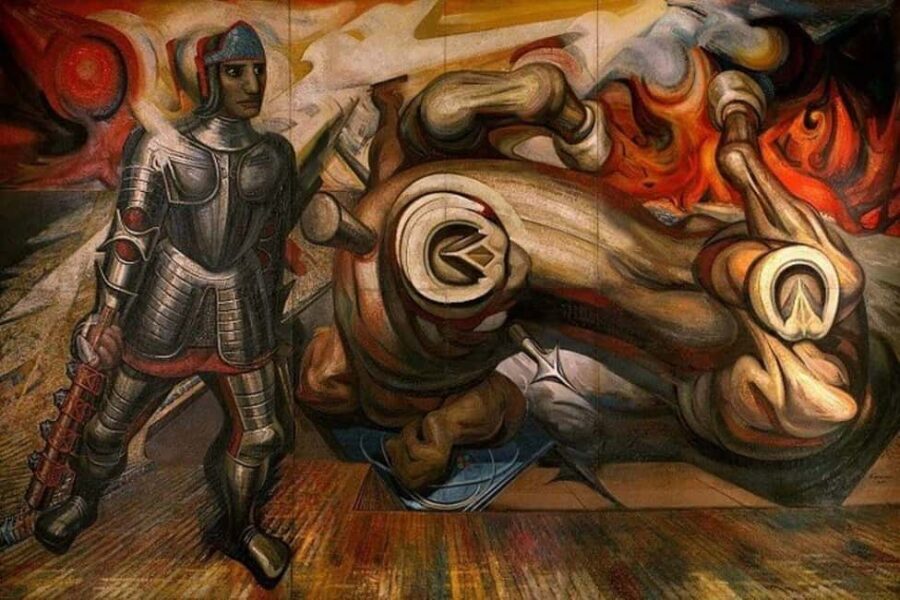
- You’re seeing four murals as part of a tight 3-hour walk through Mexico City’s core
- You learn symbolism and context behind each work, not just who painted what
- Diego Rivera and Frida Kahlo’s love story shows up through the art
- No flash photography keeps the experience respectful and museum-friendly
- Tuesday schedules change because the Ministry of Public Education is closed
Why a mural-focused walk beats a quick stop
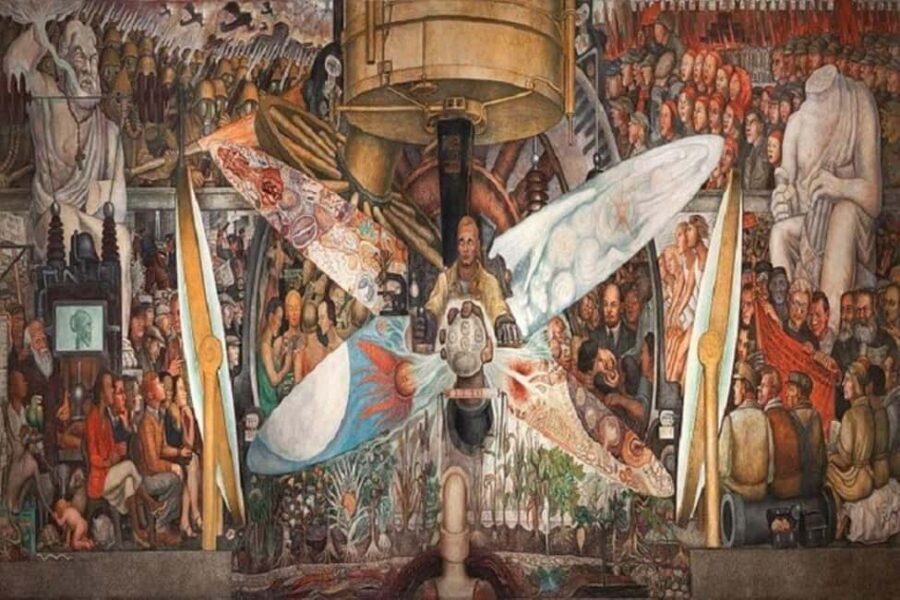
Walking tours of big sights can be hit-or-miss. This one feels built for people who want meaning, not just photos. In a few hours, you move through the historic center in a way that helps murals stop feeling like random wall art and start feeling like public storytelling.
The best part is the guide’s approach. You don’t just look at brushstrokes. You learn how the murals reflect Mexico’s history and culture, and how the political and social climate helped shape what artists were trying to say. That’s the kind of context that makes you notice details you’d otherwise skip.
I also like how the tour format stays practical. It’s timed for walking and interior viewing, with museum tickets included so you can focus on seeing, not paperwork.
You can also read our reviews of more walking tours in Mexico City

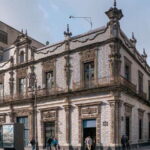

Starting at the Former College of San Ildefonso
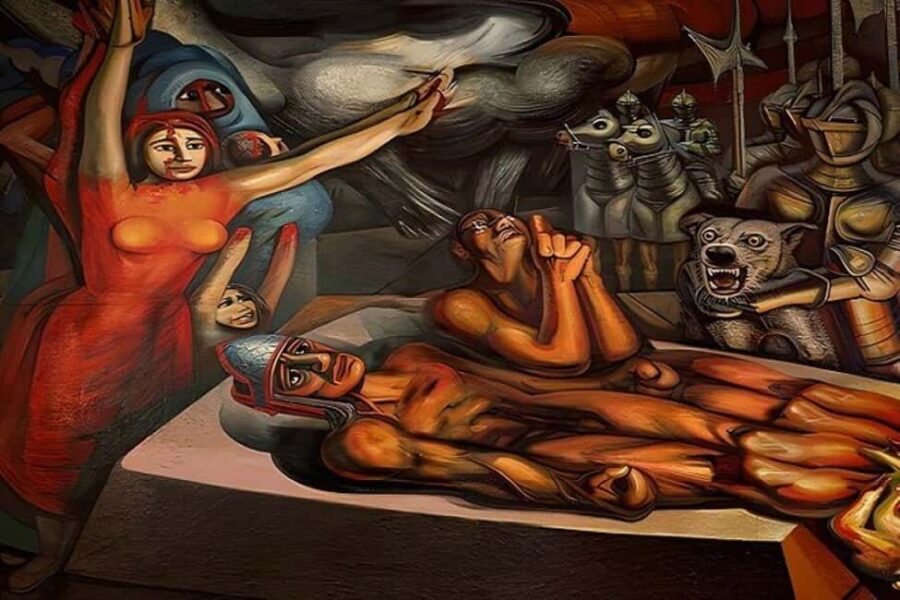
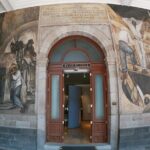
Your tour begins at the Former College of San Ildefonso. This matters because it sets the tone immediately: you start with a cultural institution tied to Mexico’s artistic life, then move outward into other landmark spaces.
Even before you get deep into the murals, you get oriented. The guide frames what you’re about to see and helps you understand why muralism became such a public force. That groundwork pays off later, especially when the symbolism starts clicking.
Also, keep an eye on pacing. The route is designed to fit multiple museum visits into a compact window, so wear shoes you can stay comfortable in. You’ll be on your feet enough that comfortable footwear isn’t a luxury.
Antiguo Colegio de San Ildefonso murals: what to look for
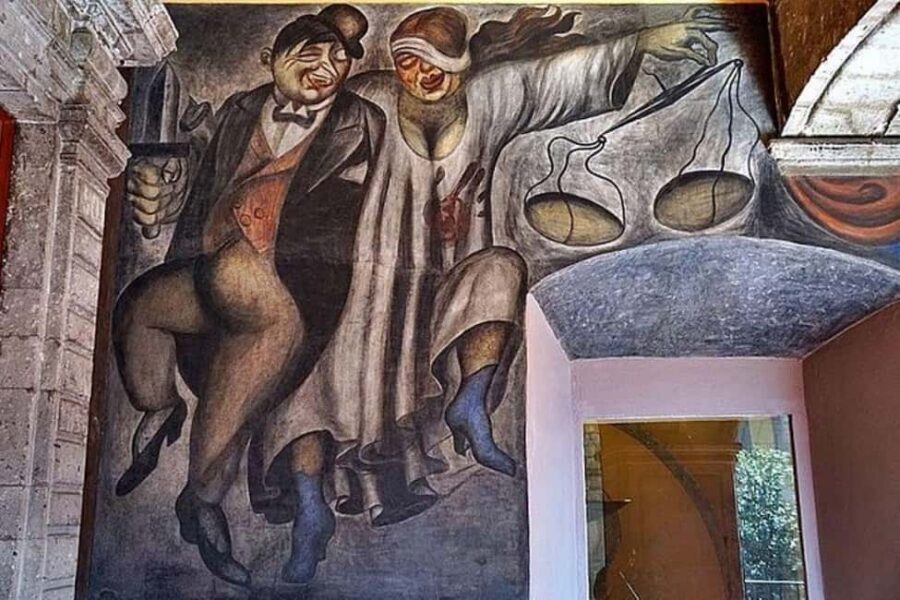
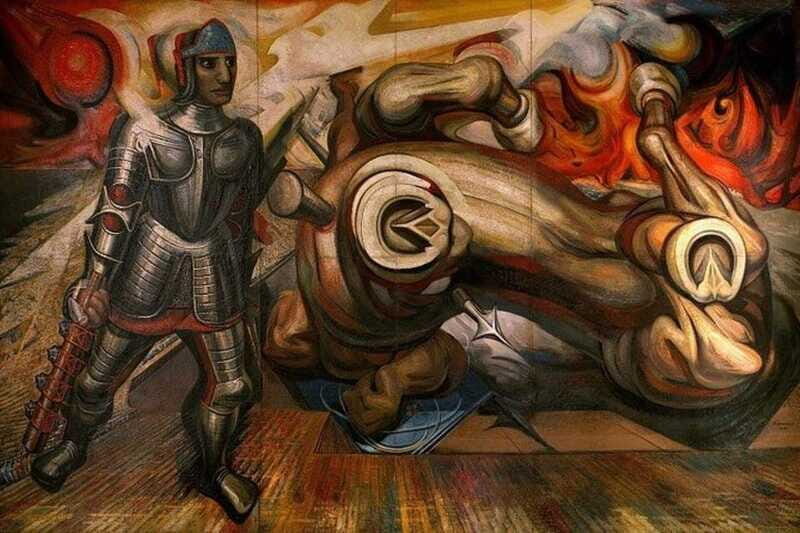
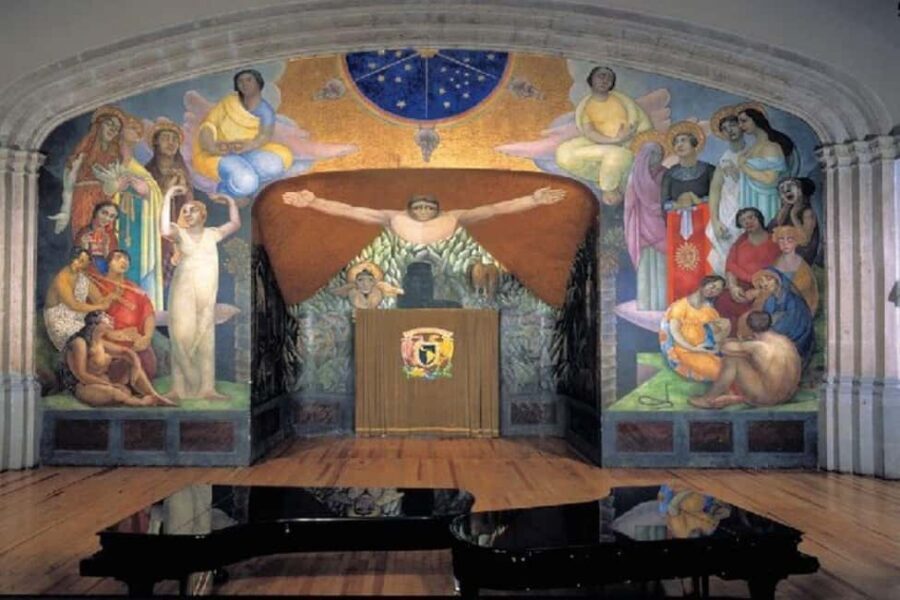
San Ildefonso is one of the emblematic stops for this mural movement walk, and you’ll come here early as part of the main mural lineup. The guide’s job is to help you read the murals like visual storytelling: what’s shown, why it’s there, and how it connects to Mexico’s broader cultural narrative.
What I like about this stop is that it acts like a visual primer. You’ll learn the language mural artists use—figure groupings, social references, and symbolic elements—so the later murals at other sites won’t feel like brand-new puzzles.
If you’re the type who enjoys art descriptions that explain the how and the why, this is a strong start. One review specifically pointed out that the tour covers expression and techniques, and that it’s a good match for art lovers and curious first-timers alike.
Museo de Sitio de la Secretaría de Educación Pública: public art with a purpose
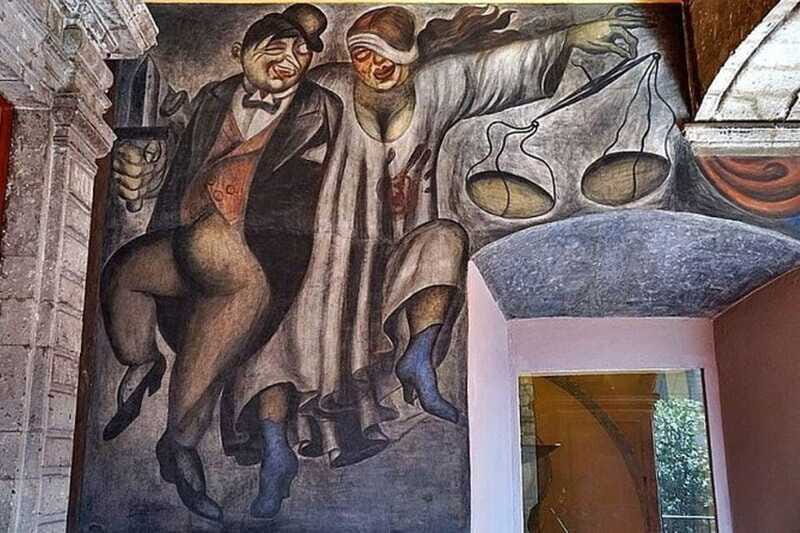
Next is the Museo de Sitio de la Secretaría de Educación Pública. You’ll have about 45 minutes here, which is long enough to see the mural work carefully without feeling rushed.
This stop is valuable because it links murals to public institutions and civic life. The guide explains how art intersects with education and national identity, and how artists built meaning into public walls. You’re not just absorbing visuals; you’re learning why this art lived in spaces meant for society, not isolated galleries.
One important scheduling note: the Ministry of Public Education is closed on Tuesdays. That means the tour’s building selection changes on that day, and the Diego Rivera Mural Museum takes its place in the route.
Tip for this stop
Use the time to slow down. You can’t “scan” murals the way you scan a poster. Give your eyes a minute or two on key sections before moving on. That’s where the symbolism explanation from the guide usually clicks.
You can also read our reviews of more city tours in Mexico City

Palacio de Bellas Artes: where mural art meets a headline building
After the education-focused museum space, you move to the Palacio de Bellas Artes for another 45-minute visit. This is one of those settings that naturally makes people pause, even if they’re not art specialists.
Here, the mural experience gets even more interesting because the building itself comes with cultural weight. The guide connects what you see on the walls to the social and political context that shaped the murals, so you understand how art and public architecture reinforce each other.
In practice, this stop is a balance of atmosphere and interpretation. You get a strong chance to take in the scale of the space and then focus on the mural details that the guide highlights. You also learn how the tour’s different mural stops relate to one another, so the full story of Mexican muralism feels coherent instead of fragmented.
Quick heads-up
Flash photography isn’t allowed. Bring a camera if you want photos, but keep it respectful and use available lighting without flash.
Diego Rivera Mural Museum: following Rivera and Kahlo through art
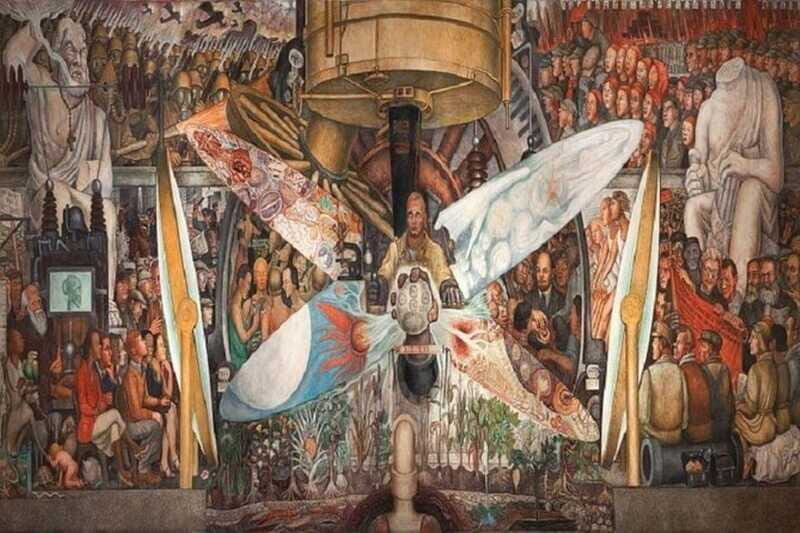
You’ll spend about 30 minutes at the Diego Rivera Mural Museum. This shorter time window is intentional: it’s designed to keep the tour moving while still giving you a focused look at a key part of the mural narrative.
This stop also ties into one of the tour highlights directly: you’ll learn the captivating love story of Diego Rivera and Frida Kahlo through art. Even if you already know the names, a guided explanation helps you see how their relationship and personal history influenced how murals communicated emotion, identity, and ideas.
If you’re a Rivera-and-Kahlo fan, this portion is the emotional center of the experience. If you’re newer to them, it’s still useful because the guide brings the connections into focus without requiring you to already be fluent in Mexican art history.
And on Tuesdays specifically, when the Ministry of Public Education is closed, this museum becomes an even more central part of the route.
Timing and walking logistics for a 3-hour plan
This experience runs about 3 hours. That’s a sweet spot: enough time to see multiple murals and get explanations, without turning it into an all-day endurance event.
A few practical points keep the experience smooth:
- You’ll be doing a walking route through the historic center, so comfortable shoes matter.
- Transportation isn’t included, so you’ll want to plan how you’ll get to the starting point and be ready to walk between stops.
- Bring water and a camera, and plan for indoor/outdoor transitions.
Also remember that the tour enters three buildings total, depending on the day. That means you should treat the exact mix of stops as flexible. The core idea stays the same: four murals, expert explanations, and context.
The guide makes the difference
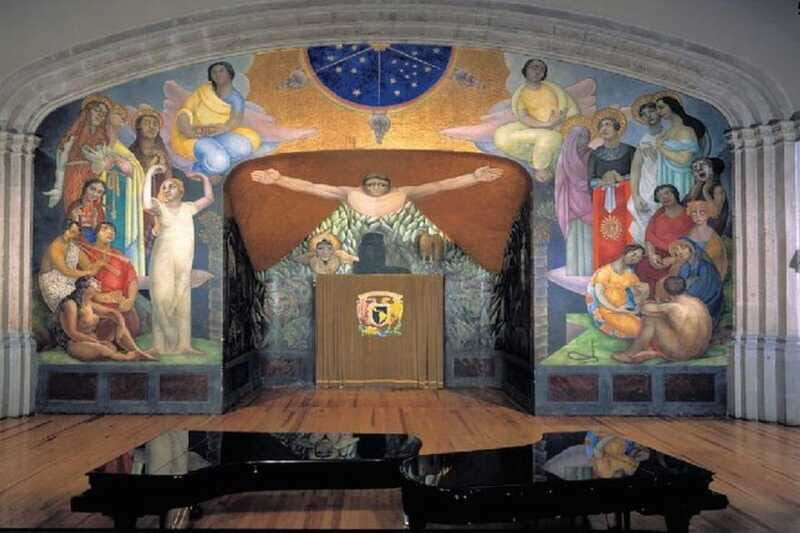
This tour lives or dies on the guide, and the feedback is clear. Balaam is repeatedly described as a historian with archaeology expertise. That blend matters because mural art isn’t treated as isolated painting; it’s explained as part of Mexico’s cultural record.
One standout theme in the reviews: the guide tailors the explanation so it’s accessible, and there’s room for conversation. That’s the difference between passive listening and actually understanding why certain images are there.
There’s also a human touch reported on at least one tour: Balaam treated the group to tamales during the walk. It’s not something you should assume will happen on every date, but it does signal that the guide thinks about the experience beyond the walls.
Finally, one review praised the guide’s sensitivity—like he’s careful with the subject matter and gives the right amount of context without drowning you in academic language.
What this tour is best for
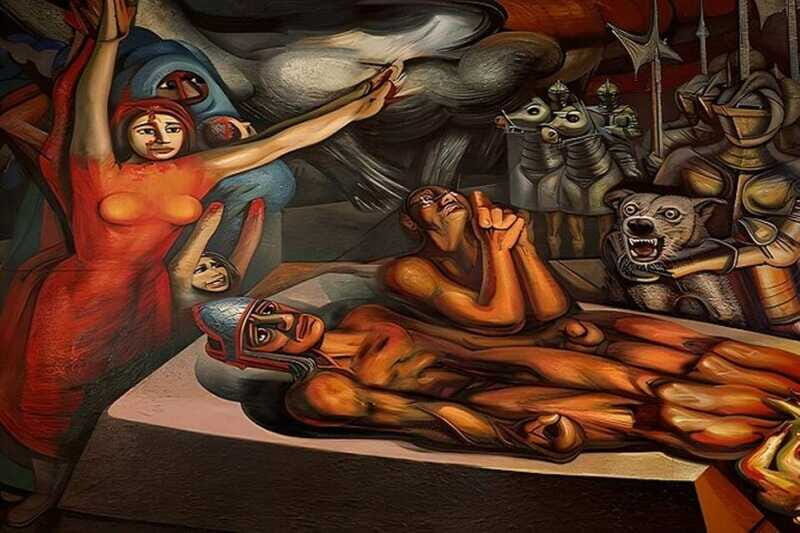
This is a good match if you like:
- Art explanations that focus on meaning and symbolism
- A guided route through the historic center’s major mural sites
- Learning how murals connect to society, culture, and politics
- The Rivera-Kahlo story as told through art
It’s also a strong option if you want a single 3-hour activity that feels like more than one museum visit. The route is built to connect the dots between murals instead of treating each site as a standalone stop.
One thing to consider: it’s not suitable for wheelchair users. If mobility is a concern, you’ll need a different approach.
Value: where your time and ticket money actually go
Because tickets and the guide are included, your value comes from two places: time with an expert and access to the mural sites themselves.
You’re paying for more than entry. The tour is structured so you get about 45 minutes at two major stops, plus time at San Ildefonso and the Diego Rivera Mural Museum, all within 3 hours. That means you spend your limited sightseeing energy on the murals and the explanations, instead of figuring things out on your own.
This is especially good in a city where self-guided museum hopping can turn into, well, hopping. Here, the guide helps you understand what to look at and why it matters, so your photos aren’t just pretty—they’re anchored in context.
Final call: should you book this Mexico City mural tour?
I’d book it if you want a guided mural experience that actually explains what you’re seeing. The guide quality is a big reason: Balaam’s background and the way he tailors explanations seem to make the tour land with both first-timers and art lovers.
I’d think twice if you need a fixed list of sites no matter what day you go, because the Ministry of Public Education is closed on Tuesdays and the building lineup shifts. Also skip if wheelchair access is required.
If you go with the right mindset—comfortable shoes, willingness to listen, and interest in symbolism—you’ll come away seeing Mexico City’s murals as living public storytelling, not just major landmarks.
FAQ
What’s the duration of the tour?
The tour runs for about 3 hours.
Where does the tour start?
It starts at the Former College of San Ildefonso.
Which sites are included during the tour?
You visit three of the tour’s key mural locations in the historic center, which include the former San Ildefonso site, the Museo de Sitio de la Secretaría de Educación Pública, and the Palacio de Bellas Artes. The Diego Rivera Mural Museum is also part of the experience and can be used when the Ministry of Public Education is closed.
What’s included and what isn’t?
Included are the guide service and museum entrance tickets. Not included are transportation and gratuity.
What languages is the guide available in?
The live tour guide is available in English and Spanish.
Is flash photography allowed?
No. Flash photography is not allowed.