REVIEW · MEXICO CITY
Mexico City: Bazaar Saturday, Convent of Carmen & San Angel
Book on GetYourGuide →Operated by MEXITOURS · Bookable on GetYourGuide
A short trip with big variety is hard to find. This one strings together San Ángel, the Museum of El Carmen, and a famous Bazaar Sabado shopping stop, plus a calm walk through Chimalistac. It works because the day moves from legends and colonial architecture to monastic art, then lands in a real craft marketplace where you can actually browse and choose.
I love the way the Museum of El Carmen connects dates, purpose, and objects: a school for the Discalced Carmelites (built 1613 to 1628) that now preserves 80+ religious artworks. I also like that the day stays paced and human-scale, with a small group capped at 10 and a bilingual guide who keeps things on track.
One consideration: this is a shared small-group tour, so English or Spanish focus can shift depending on the mix of participants. If shopping time is your top priority, you’ll want to arrive ready and efficient at Bazaar Sabado.
In This Review
- Key Highlights to Look For
- San Ángel, the Convent Museum, and Bazaar Sabado in One Tight 6 Hours
- San Ángel: Mansions, Legends, and a Southside Historic Mood
- Museum of El Carmen: 80+ Religious Art Pieces, Monastic School Roots, and 12 Mummies
- Bazaar Sabado Shopping: Craftsmanship Since 1960 and How to Make It Worth It
- Chimalistac: Temalistac Roots, Stone Bridges, and Small Colonial Chapels
- Price and Logistics: What You’re Paying For, and Why It Might Be Fair
- Tips to Make This Day Feel Smooth (Not Rushed)
- Should You Book This Mexico City Tour?
- FAQ
- How long is the tour?
- Is the group size small?
- What language will the guide speak?
- What is included in the price?
- Are food and drinks included?
- Do I get free cancellation?
Key Highlights to Look For
- Museum of El Carmen (1613–1628): Monastic-school origins and 80+ religious artworks on display
- 12 mummified corpses nearby: A startling, historically framed contrast to the calm garden setting
- Bazaar Sabado since 1960: Craftsmanship-heavy shopping across silver, iron, ceramics, textiles, and more
- San Ángel’s colonial legends: Mansions and stories in Mexico City’s south-side historic zone
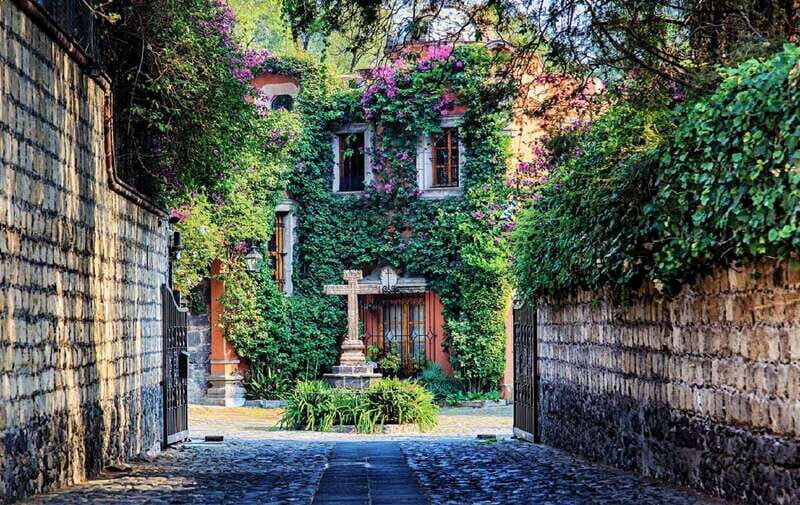
- Chimalistac’s Temalistac roots: Stone bridges and small historic chapels with an old-wealth feel
- Small group (up to 10): Better flow for questions, photos, and staying on schedule
San Ángel, the Convent Museum, and Bazaar Sabado in One Tight 6 Hours
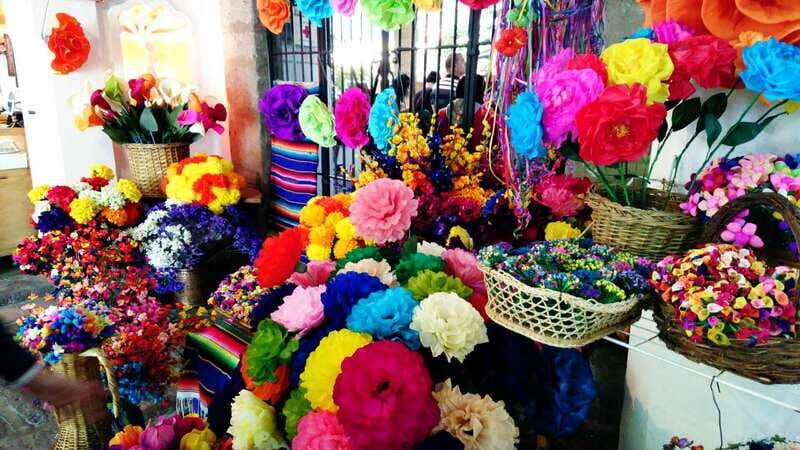
This tour is designed for people who want Mexico City character without spending a full day commuting around. You get a compact loop: San Ángel first, then the Museum of El Carmen, followed by Bazaar Sabado, and ending with Chimalistac. At 6 hours total, it’s long enough to see the main points clearly, but short enough that you don’t feel like you’re trapped in a van all day.
The value is also pretty logical. You’re paying for a bilingual guide and included admission to the Museum of El Carmen, while the “Bazaar Sabado” portion gives you free time to shop and browse at your own pace. Food and drinks aren’t included, so you’ll want to plan for a snack or pick up water for yourself during the day.
Who this fits best: couples, solo travelers, and small groups who like guided context but also want time to wander. If you’re the type who loves crafts, historic buildings, and learning why a place looks the way it does, this day makes a lot of sense.
You can also read our reviews of more city tours in Mexico City


San Ángel: Mansions, Legends, and a Southside Historic Mood
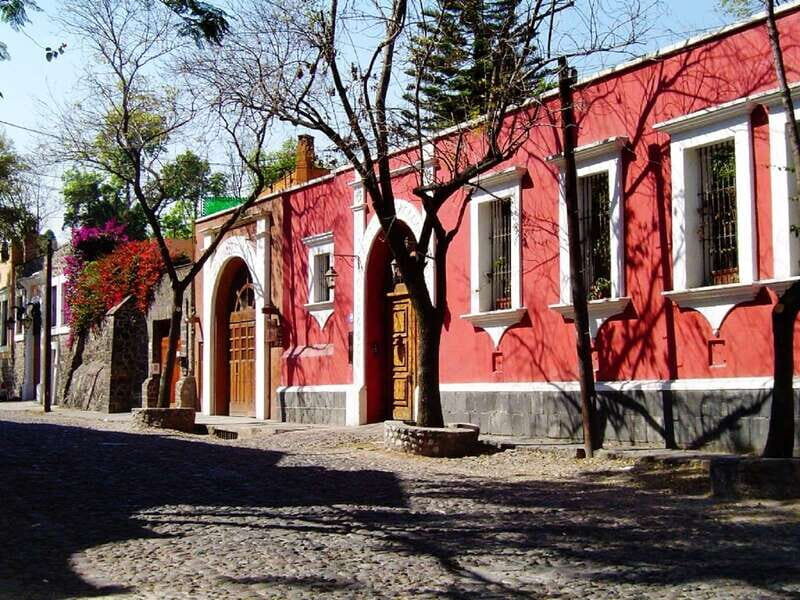
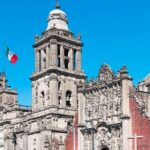
San Ángel sits to the south of Mexico City, and it carries that classic “old neighborhood” feeling—mansions, local stories, and a pace that feels less rushed than the center. On this tour, you get to see it as a neighborhood, not just a photo stop. That matters, because San Ángel’s charm is in the atmosphere: the way historic homes and streets create a living backdrop for Mexico City’s colonial-era identity.
This stop is also useful as a warm-up. You’re not thrown immediately into a museum; instead, you ease into the day with streets and views that set the tone. If you like hearing how neighborhoods formed—wealth, religious influence, and later craft culture—San Ángel does a good job of getting the story started.
What to watch for: this portion does involve walking. Nothing extreme is listed, but it’s a historic area, so expect uneven sidewalks and take it slow. Wear shoes you trust. If you’re prone to blisters, you’ll thank yourself later at Bazaar Sabado.
Museum of El Carmen: 80+ Religious Art Pieces, Monastic School Roots, and 12 Mummies
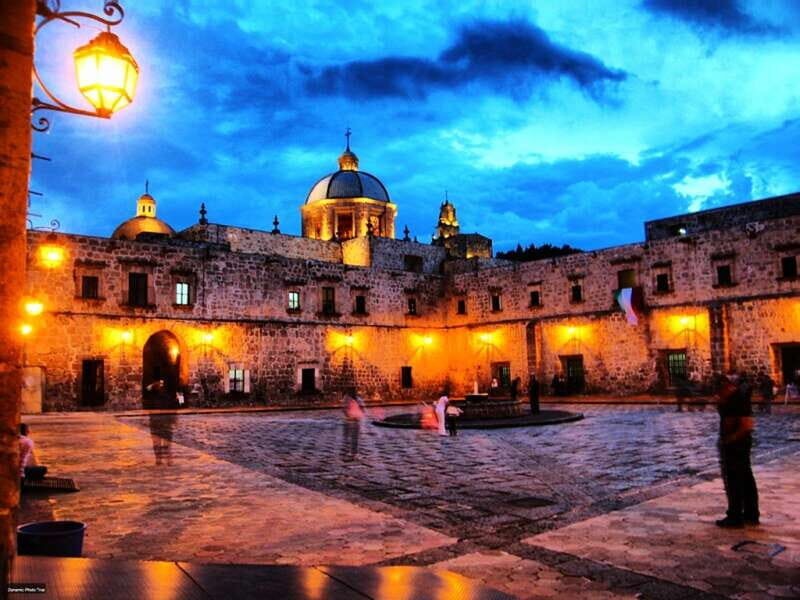
The Museum of El Carmen is the “why does this building matter?” stop. The site began as a monastic school built between 1613 and 1628 by the Discalced Carmelites. That time window gives the place an instant framework: this wasn’t a museum created for tourists; it’s a surviving religious complex repurposed to protect and show its collection.
Today, it preserves more than 80 religious art pieces, and the setting is part of the effect. You’re surrounded by the atmosphere of a religious house, and that makes the artworks feel less like decorations and more like evidence of faith, training, and patronage over centuries. If you like seeing how art functioned in daily life—especially inside religious education—this stop will land.
Here’s the detail that people remember: the museum area is described as being near 12 mummified corpses, plus a large garden that once served as an orchard for the friars. That combination is jarring in the best historical sense. You get to see how a place could hold both the spiritual and the physical realities of life (and death) in the past.
Possible drawback: because the museum is focused on religious art and monastic context, it may feel heavier than a pure sightseeing walk. If you prefer only bright, easygoing stops, you might want to balance the intensity with extra browsing time later at Bazaar Sabado.
Bazaar Sabado Shopping: Craftsmanship Since 1960 and How to Make It Worth It
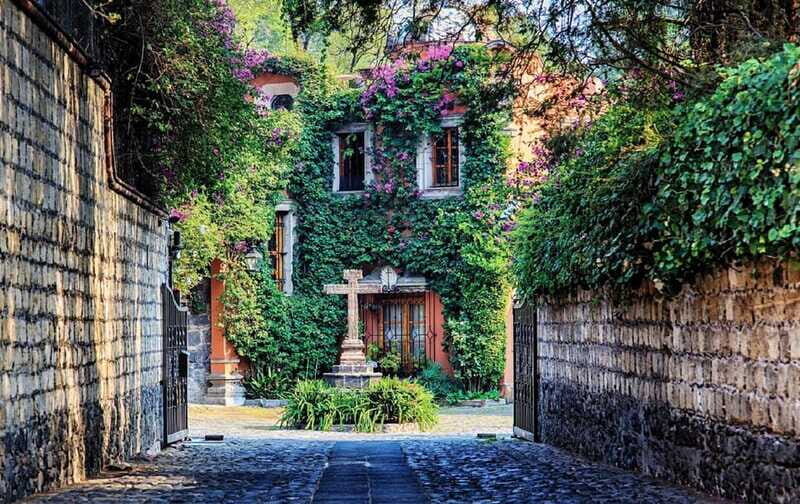
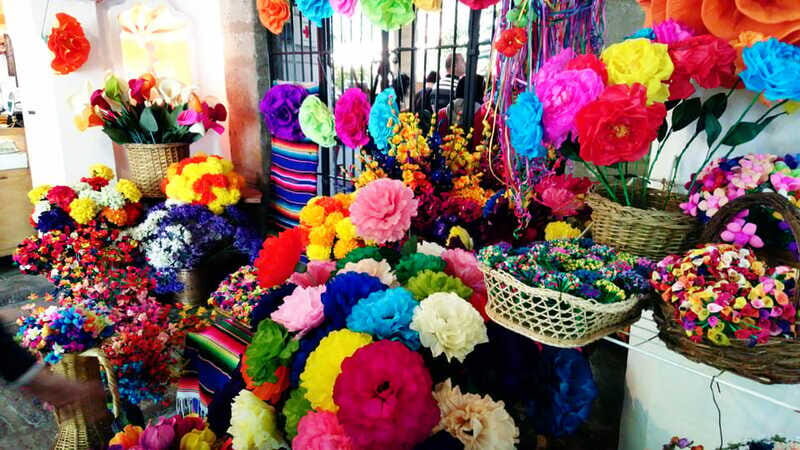
Bazaar Sabado is one of Mexico City’s best-known craft marketplaces, and it opened its doors in 1960. That matters because it’s not a temporary market or a weekend pop-up—it’s grown into a center for craftsmanship. The range of goods is wide: handicrafts plus fine work made with silver, iron, ceramics, wood, textiles, glass, tinplate, jute, and paints.
This is the part of the day that lets you turn history into something you can take home. If you want a gift that feels like Mexico City and not a generic souvenir, this is where you can compare materials, styles, and skill levels in one place.
How to shop smart with limited time:
- Start by scanning for the category you actually want (textiles, metalwork, ceramics, art supplies, or something smaller).
- Be ready to move on if a stall can’t answer your questions fast. A good guide helps here, and the small-group format keeps you from being stranded in one spot.
- If shopping is your main goal, plan your priority list before you arrive. One guide-focused tip from recent experiences: arriving a bit earlier within the browsing window can give you more time to think and compare.
A practical note: food and drinks aren’t included, so don’t assume you’ll be able to snack your way through the market without leaving the flow. If you need energy, bring a simple plan.
Chimalistac: Temalistac Roots, Stone Bridges, and Small Colonial Chapels
After Bazaar Sabado, the tour shifts from shopping energy to a calmer historic neighborhood walk in Chimalistac. The name traces back to an ancient pre-Hispanic population called Temalistac, meaning where the stone is sacrificed. That etymology sets up the theme of the day: stone, craft, and continuity across time.
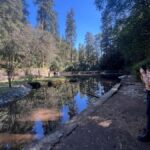
Chimalistac is described as an old and wealthy neighborhood with colonial air. You’ll see stone bridges and small historic chapels, and that combination gives the area a walking rhythm. It’s the kind of place where you might pause without even trying, just to take in the details—especially if you’re already warmed up by San Ángel.
What I like about placing Chimalistac later in the day: it gives your brain a break from shopping choices. You can slow down, take photos, and absorb the vibe before you head back to your drop-off point.
You can also read our reviews of more shopping tours in Mexico City





Price and Logistics: What You’re Paying For, and Why It Might Be Fair
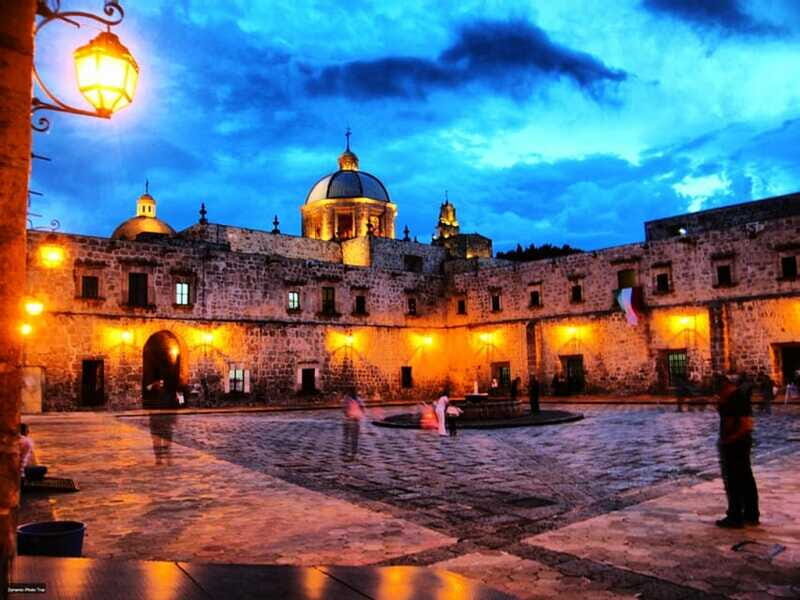
At $90 per person for a 6-hour tour, you’re paying for three real inputs: a professional bilingual guide, admission to the Museum of El Carmen, and guided visits across multiple neighborhoods. That’s the heart of the value. Without a guide, you’d still be able to move around town, but you’d likely lose the context that makes the museum and neighborhood stops feel connected instead of random.
The tour runs in a small group (limited to 10 participants), which tends to keep questions flowing and prevents that big-group feel where you spend half your time trying to regroup. Recent experiences also highlighted that guides can be flexible while still keeping the schedule tight, which is exactly what you want on a timeboxed day.
Pickup and drop-off are provided at multiple options (with four pickup locations listed, including places like InterContinental Presidente Mexico City, Zócalo Central Hotel, Av. de la República 154, and Calle Amberes 78). Drop-off mirrors this with four listed locations as well. Still, pickup from your own meeting point may not be included, so double-check how they define your start location.
One more practical consideration: this is a share service, so it isn’t guaranteed that your group stays exclusively in English or Spanish. If you’re relying on one language to get the most out of the storytelling, it’s worth keeping that in mind.
Tips to Make This Day Feel Smooth (Not Rushed)
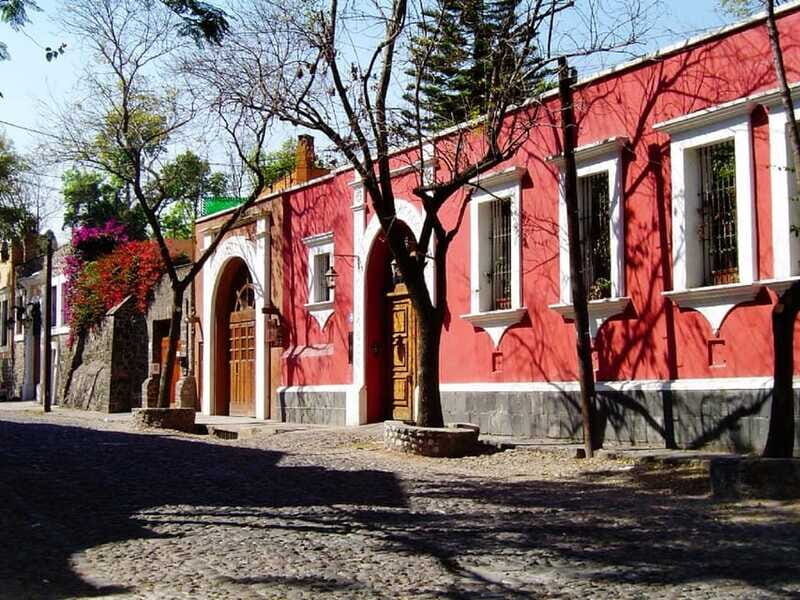
I’d treat this like a “two neighborhoods + one museum + one market” day: you’ll do best if you manage your energy.
- Wear comfortable shoes. San Ángel and Chimalistac are historic areas, and you’ll be walking on city surfaces.
- Plan for breaks without assuming meals. Food and drinks aren’t included, so decide in advance where you’ll grab something (even if it’s just water).
- Shop with a target. Bazaar Sabado offers everything from textiles to tinplate to paints. A quick list before you arrive helps you avoid decision fatigue.
- Use the guide’s timing help. Recent feedback specifically praised guides who keep the day on schedule. If you want more browsing time, focus on getting to Bazaar Sabado ready, not distracted.
Also, if you like a back-to-front flow, this tour’s order helps: first San Ángel’s mood, then the museum’s heavy context, then the market’s hands-on craft, and finally Chimalistac’s calmer streets.
Should You Book This Mexico City Tour?

Book it if you want a guided day that balances historic context with real-world browsing. The Museum of El Carmen is the anchor: a site rooted in early 1600s religious education and now preserving 80+ religious artworks near mummified remains and a historic orchard garden. Then Bazaar Sabado gives you a chance to spend your time on craft quality—silver, iron, ceramics, textiles, and more—without needing to plan separate visits.
Skip it (or consider a different option) if you’re mainly chasing fast, light sightseeing and hate heavier subject matter. The museum stop is central, and it’s intentionally focused.
FAQ
How long is the tour?
The tour duration is 6 hours.
Is the group size small?
Yes. It’s a small group limited to 10 participants.
What language will the guide speak?
The guide is bilingual in English and Spanish. Since it’s a shared service, the balance of languages can vary depending on the participant mix.
What is included in the price?
Admission to the Museum of El Carmen and a professional bilingual guide (English & Spanish) are included.
Are food and drinks included?
No. Food and drinks are not included.
Do I get free cancellation?
You can cancel up to 24 hours in advance for a full refund.