A day in a Zapotec village moves at human speed. This one starts with a real hotel pickup in Oaxaca City, then you’ll spend the day in San Dionisio Ocotepec with César and his family—breakfast, chocolate-making, village exploring, and an artisan mezcal stop to wrap it up. It’s hands-on culture, not a quick photo run.
Two things I’d pick fast: the traditional breakfast and lunch cooked in a home kitchen, and the chance to participate in the ancestral cacao-to-chocolate process with César’s mother. You’ll also get a relaxed pace, with César able to tailor how long you stay at each part of the day.
One consideration: it’s about a 9-hour day with some walking, including village-center strolling and stops around town, so bring comfortable shoes and plan for a moderate day physically.
In This Review
- Key moments to look forward to
- From Oaxaca City to San Dionisio Ocotepec, Start Smart
- Traditional Breakfast With César’s Family: Real First Contact
- Learning Traditional Chocolate the Ancestral Way
- Village Walking and Artisan Stops: How Daily Life Actually Looks
- Lunch in a Traditional Kitchen: Food That Feels Like Home
- The Tuk-Tuk Ride and Time to See the Town
- Mezcal Distillery Tastings With Saul (and the Agave Story)
- Price and Value: Why $167.26 Might Feel Fair
- Who Should Book This Zapotec Village Day
- Should You Book This Day in a Zapotec Village?
- FAQ
- FAQ
- What time does the pickup start?
- How long is the experience?
- Is it a private tour?
- Is the tour offered in English?
- What’s included during the day?
- Will there be mezcal tastings?
- Is good weather required?
- Do I need to be able to walk, and are service animals allowed?
Key moments to look forward to
- Hotel pickup at 8:30 am in Oaxaca City, then a scenic drive to San Dionisio Ocotepec
- Cacao-to-chocolate instruction using an older, hands-on technique
- Homemade meals prepared by César’s family in their own kitchen
- Village visiting with local makers, including a shoe-making and apron-making stop
- An artisan mezcal distillery and tastings to end the day
- César’s flexible timing, so you can slow down or skip a stop if you want
From Oaxaca City to San Dionisio Ocotepec, Start Smart
This day begins with an 8:30 am pickup from your hotel within Oaxaca City. You’ll then ride about 75 minutes out toward César’s hometown in San Dionisio Ocotepec. The drive matters because it sets expectations: you’re leaving the city rhythm and stepping into village life.
I like the way the schedule is built for connection. You’re not sent off to wander alone. You’re with César and his family, and the day has a clear flow from morning to evening.
If you’re the type who likes to plan, do it like this: wear layers. Even on a warm morning, rural shade and late-day air can change how you feel. And bring a tote bag for any food or chocolate you’ll end up taking home.
You can also read our reviews of more tours and experiences in Oaxaca City.
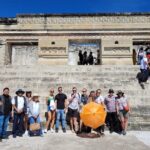
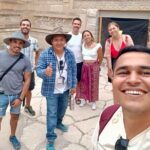
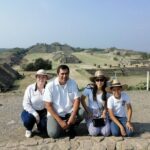
Traditional Breakfast With César’s Family: Real First Contact
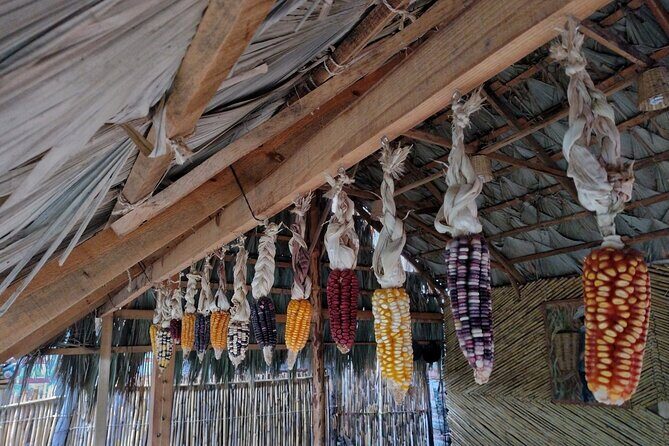
When you arrive, the first big moment is family hospitality. César’s mother receives you for a traditional breakfast, the kind that feels less like a staged meal and more like you’ve been invited into the home for the day.
Based on what this experience is known for, you’ll likely get classic Oaxacan flavors—things like pan dulce, tamales, and traditional Oaxacan chocolate have shown up in this day for past groups. Even if the exact menu shifts, the point stays the same: you start with food that belongs to the place, not food designed for tourists.
This is also where you’ll get your mental “reset.” After a morning transfer, breakfast helps you slow down and pay attention to conversation, habits, and everyday rhythms. That alone makes the rest of the day easier to enjoy.
Practical tip: if you’re sensitive to sweetness, take it slow with the chocolate. Tasting in stages is part of the craft later, so you don’t want to overload yourself in the first hour.
Learning Traditional Chocolate the Ancestral Way
Chocolate isn’t treated like a souvenir here. It’s treated like work—hands, tools, and patience.
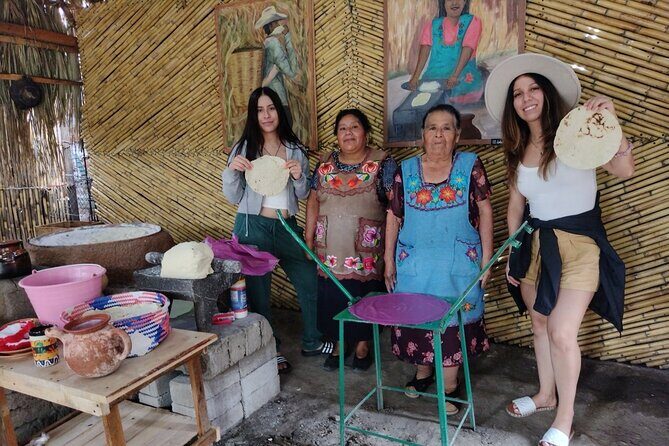
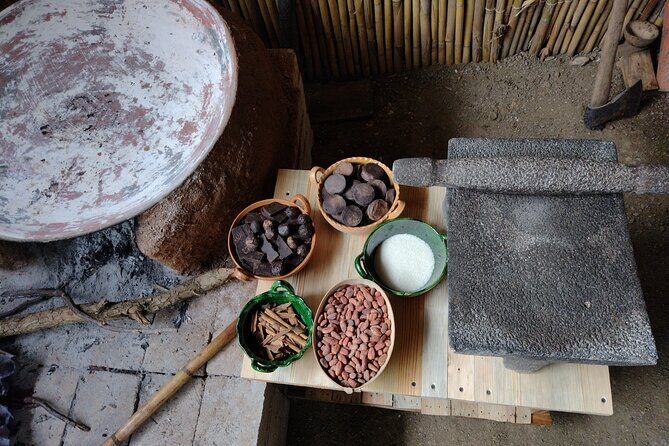
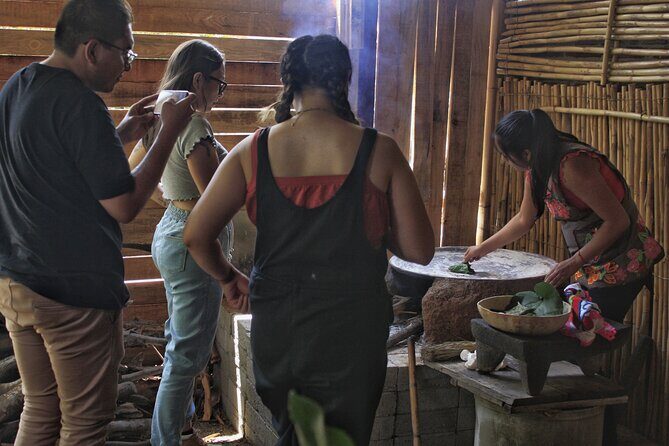
You’ll learn how traditional chocolate is made using a technique described as ancestral, starting from cacao and moving toward finished chocolate. You may see and help with steps such as roasting cacao beans, cracking the shells, grinding on a metate, and tasting along the way so you can notice how flavors develop.
What I like is that it’s not just watching. The experience is designed so you can take some turns. That small piece—actually doing a step—turns it from “informative” into memorable.
There’s also a cultural logic to it. Chocolate connects cacao, land, family knowledge, and daily life. In a place where things are inherited and shared, the process becomes a story you can hold in your hands.
One caution: cacao work can get messy. If you care about keeping everything spotless, wear something you don’t mind getting a little cocoa-dust on it.
Village Walking and Artisan Stops: How Daily Life Actually Looks
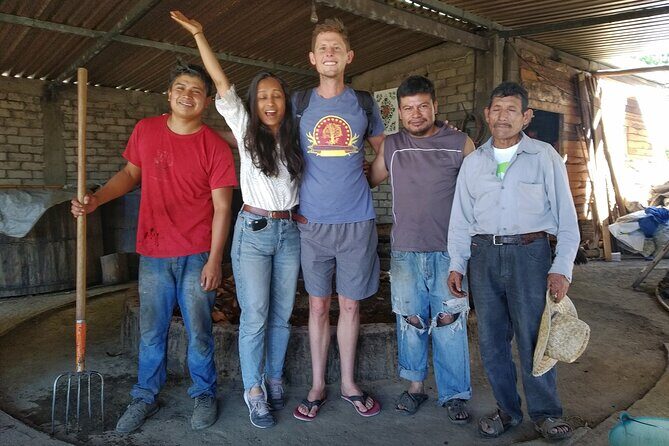
After breakfast and chocolate, the day shifts into village context. You’ll walk toward the town center to hear about the history and culture of the area, and you may visit a small clothing shop where you can see what people wear and how local crafts show up in everyday life.
This is also where your eyes start noticing the details city travel can hide. Village life is built from small businesses and repeated routines. Instead of one big “attraction,” you get lots of tiny windows.
One highlight people rave about in this experience is how it includes local makers. Depending on what’s happening that day, you could see stops such as a shoe-making factory, an apron-making business, and other small craft or retail moments around town. In some cases, you may also have brief meet-and-greet moments with other locals and learn how different trades fit into the community.
If the day coincides with community activity, you might also pass through places that feel like a living market setting—fruit, bread, and handmade items are the kind of things you may find and even purchase. The exact overlap changes by date, but the pattern stays: you’re in the village while real life is happening.
Lunch in a Traditional Kitchen: Food That Feels Like Home
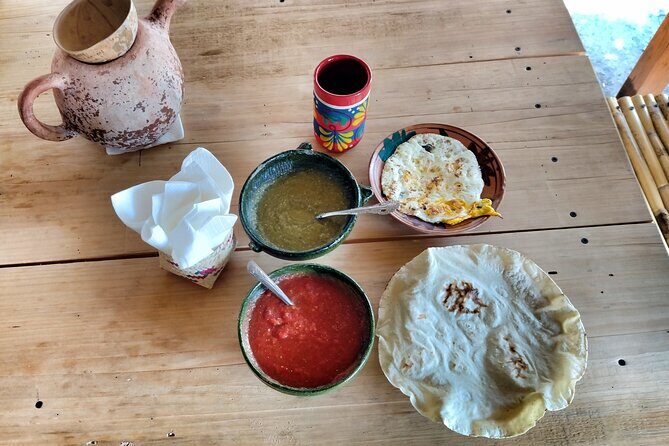
Lunch arrives in a way that’s hard to replicate on a typical sightseeing day. César’s mother cooks for you in her traditional kitchen, and this meal is a major part of the value of the experience.
I love this structure: you’re not rushing from one stop to the next. You’re resting and eating where the story is rooted—in the family space where daily meals are made.
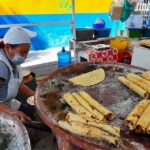
What’s served can include Oaxacan staples such as tortillas, eggs, herbs, and Oaxaca cheese, with fresh, simple preparation. You might also see memelas prepared during the chocolate portion or nearby kitchen moments, depending on timing.
This meal isn’t about a fancy plating style. It’s about taste, routine, and seeing how hospitality works in practice.
Practical tip: plan to eat before you get too deep into the mezcal tasting later. Mezcal is part education and part tasting, and food earlier makes the end of the day more comfortable.


The Tuk-Tuk Ride and Time to See the Town
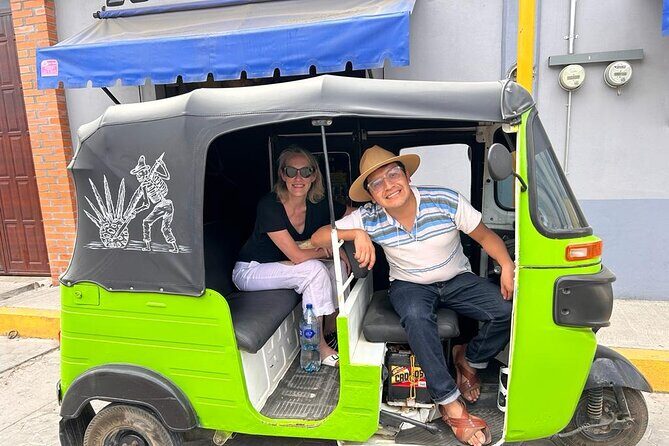
After lunch, you’ll take a short ride in a tuk-tuk around the town. It’s not an extra step for its own sake. It’s a quick way to see layout, daily movement, and key spots without turning the day into a marathon of foot travel.
The ride also gives you breathing room after food. Your feet get a rest. Your brain gets a reset. Then you’re ready for the final chapter: mezcal.
This portion is also a good example of what people love most about this experience—César’s relaxed, flexible pacing. If you want to spend a little longer somewhere earlier, you can usually ask to adjust. If you want to skip a stop, that’s often possible too, as long as you keep the day realistic.
Mezcal Distillery Tastings With Saul (and the Agave Story)
The day closes with mezcal, because mezcal has deep roots in Zapotec culture. You’ll visit an artisan mezcal distillery, where you’ll get an explanation of the process and enjoy tastings.
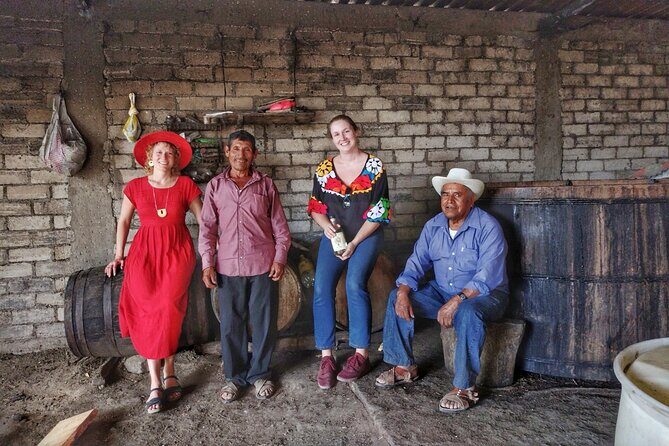
In some cases, you may visit a distillery connected to Dios Nunca Muere, and meet the owner Saul, who walks you through how mezcal is made and offers small-batch samples. Even when the specific distillery varies day to day, the format is consistent: you get the “how” before the “sip.”
A small detail that makes this feel real is that you may also get a look at land and agave. Some versions of this experience include walking in agave fields where plants are grown, harvested, and then turned into mezcal. If that happens on your date, it’s a great way to connect the drink to the landscape and labor behind it.
Tastings here aren’t just a marketing ritual. The point is learning. You’ll come away knowing why different steps and choices change the final flavor and why local producers treat their process as something worth protecting.
Tip for your senses: pace your mezcal tastings. Take small sips and let them sit a moment before you decide what you think. If you go fast, you miss the differences.
Price and Value: Why $167.26 Might Feel Fair
At $167.26 per person for an about 9-hour day, this tour costs more than a simple city walking experience. But it can feel fair when you break down what you’re actually buying.
You’re paying for:
- Door-to-door style effort, starting with pickup and a 75-minute drive each way
- Family-prepared meals (breakfast and lunch) that are part of the day, not add-ons
- Hands-on workshop time making traditional chocolate
- Access to multiple local stops, not just one paid attraction
- Mezcal education plus tastings at an artisan distillery
For me, the value equation comes down to authenticity and time. This isn’t a “see it from outside” experience. It’s a full-day look at daily life, with real food and real craft work.
Also, there’s a practical value in being on a private tour where only your group participates. That tends to make questions easier, pacing calmer, and conversation more natural—especially when you’re learning about traditions that aren’t meant to be reduced to a script.
Who Should Book This Zapotec Village Day
This is a great fit if you want Oaxaca beyond the city highlights. If you like cooking processes, hands-on craft, and conversations with people who actually live the culture you’re studying, you’ll enjoy this a lot.
It’s also a strong choice if you want something that feels personal without being uncomfortable. César’s style is described as easy to speak with, thoughtful in answers, and genuinely appreciative of sharing. That kind of guide tone matters because it affects how the day feels hour after hour.
You should think twice if you dislike rural driving days or you’re not up for moderate walking. The experience notes a moderate physical fitness level, and some walking happens around town and between stops. Comfortable shoes help a lot.
It’s ideal for couples, small friend groups, and anyone who wants a meaningful day that doesn’t feel like a checklist. If you’re traveling with friends, ask about group discounts, since the operator offers them.
Should You Book This Day in a Zapotec Village?
If you’re looking for the “heart of Oaxaca” in a way that doesn’t feel performative, this is a very solid choice. You get family connection, hands-on chocolate making, a full home-cooked lunch, and mezcal tastings with an artisan process explained.
I’d book it if you:
- love food-based cultural experiences
- want chocolate and mezcal with context, not just samples
- like a relaxed pace where you can adjust timing
- are okay with a longer day and some walking
Skip it only if you need a low-effort, fully seated experience. This day is human-scale and active enough to count as a real outing.
If you can, book ahead. The experience is often scheduled about a month in advance on average, so locking a date earlier gives you more options.
FAQ
FAQ
What time does the pickup start?
Pickup starts at 8:30 am in Oaxaca City, typically from your hotel.
How long is the experience?
The day runs for about 9 hours (approx.).
Is it a private tour?
Yes. It’s listed as a private tour/activity, meaning only your group participates.
Is the tour offered in English?
Yes, it’s offered in English.
What’s included during the day?
You’ll have a traditional breakfast with César’s family, learn how to make traditional chocolate using an ancestral technique, have lunch cooked at home, take part in local visits around the town, and end with an artisan mezcal distillery that includes tastings.
Will there be mezcal tastings?
Yes. The day includes a visit to an artisan mezcal distillery with an explanation of the process and tastings.
Is good weather required?
Yes. The experience requires good weather. If it’s canceled due to poor weather, you’ll be offered a different date or a full refund.
Do I need to be able to walk, and are service animals allowed?
The experience requires moderate physical fitness. Service animals are allowed, and the tour is also described as near public transportation.