REVIEW · MEXICO CITY
Mexico City: 1960s &1970s Mexican Architecture Walking Tour
Book on GetYourGuide →Operated by Walk Mexico · Bookable on GetYourGuide
Architecture with a political pulse. This tour is a smart way to read Mexico City through buildings—how design shifted from the bold 1960s to the more contemporary 1980s look. I love the way it connects Mesoamerican cosmogony to museum architecture, and I also like the focus on Chapultepec Park as an outdoor classroom. One possible drawback: if you expect a pure architectural-forms only walk (no social context), the mix of art, culture, and history may feel heavier than you want.
You’ll move at a gentle pace for about 3 hours, in a small group limited to 10, and you’ll have museum access built into the price. I also like that the guide is described as a graduate-level specialist (art historian, historian, or architect), so you get more than “what this looks like”—you get why it matters. The itinerary is short-walk friendly, but you should still plan for outdoor time in changing weather.
I’d file this under art-meets-architecture for people who enjoy interpretation, not just snapshots. A guide such as Natalia (mentioned in past experiences) is praised for being passionate and able to tailor commentary to what you want to hear, which makes the tour feel less like a script and more like a focused conversation.
In This Review
- Key Things to Know Before You Go
- Chapultepec Park as Your Architecture Classroom
- National Museum of Anthropology: 1960s Design with Indigenous Worldviews
- Tamayo Museum of Contemporary Art: Modernism in Conversation with Nature
- The Space Age-Style 1960s Structure Nearby: Futuristic Optimism You Can Read
- Ending at the 1968 Olympic VIP Hotel: Hotel Camino Real as an Art Space
- Why the 1960s–1970s Context Changes What You See
- Museum Tickets and What They Mean for Your Budget
- Pacing, Group Size, and How the Tour Feels
- Where You Meet: Chapultepec Porrua Bookstore (Don’t Guess)
- Safety and Photography in a Park Setting
- Who This Tour Is Best For
- Accessibility Reality Check: Wheelchair Access vs. Mobility Limits
- Should You Book This 1960s–1970s Architecture Walk?
- FAQ
- FAQ
- How long is the Mexico City 1960s & 1970s Mexican Architecture walking tour?
- Where do I meet the guide?
- What’s included in the price?
- What museums will we visit?
- What languages is the tour offered in?
- How big is the group?
- Is the tour wheelchair accessible?
- What should I bring, and what isn’t allowed?
Key Things to Know Before You Go
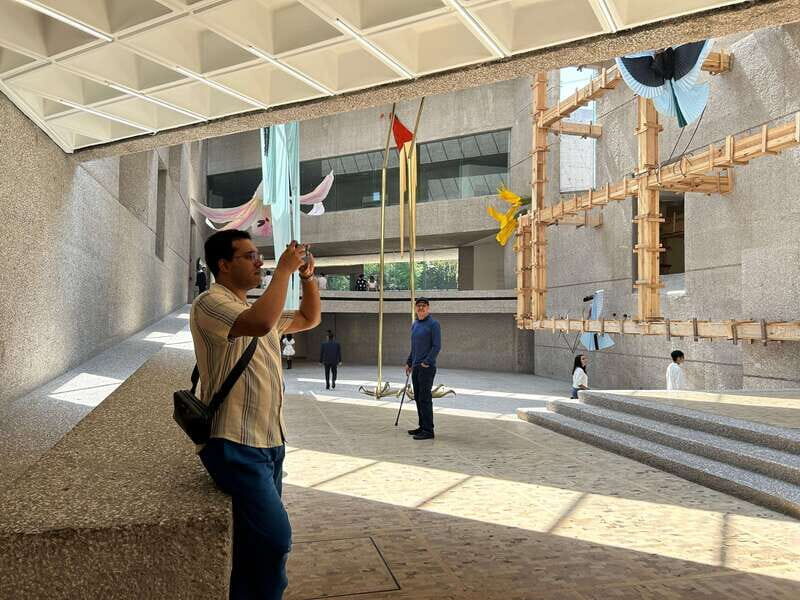
- A tight 3-hour arc that traces how Mexican architecture changed from the 1960s through the 1980s
- Chapultepec Park as the setting, with multiple architecture-and-art stops clustered together
- Museum tickets included, so you’re not hunting for entry times between sites
- Expert guidance from a graduate-level art historian/historian/architect, plus headsets for clearer sound when needed
- A guided finish at an art-focused hotel tied to the 1968 Olympics
Chapultepec Park as Your Architecture Classroom
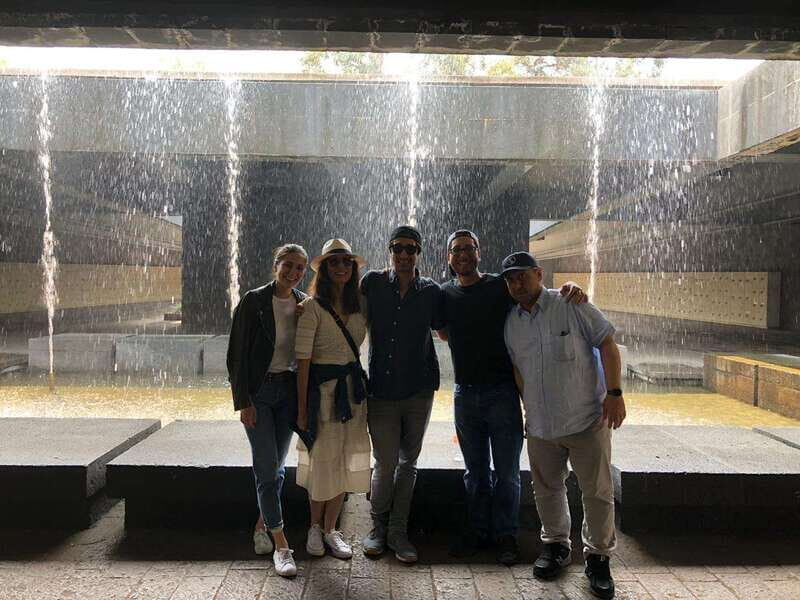
Chapultepec Park is one of the easiest places in Mexico City to “see” a timeline. Instead of hopping across town, you get a compact route where buildings and museums sit close enough to connect ideas. That matters, because architecture from one era often looks better when you can compare it with the next era only a few minutes away.
This tour is built around that idea: you’ll walk through museum spaces and a few standout structures that show how the country’s modern design language evolved. The stops also let you notice how style isn’t just aesthetics. It’s tied to politics, national identity, and the cultural debate over what modern Mexico should look like.
The pace is intentionally manageable. The tour notes that you won’t have to walk much, but you still want to bring the basics for being outside—comfort first, camera ready, and weather gear if clouds roll in.
You can also read our reviews of more walking tours in Mexico City


National Museum of Anthropology: 1960s Design with Indigenous Worldviews
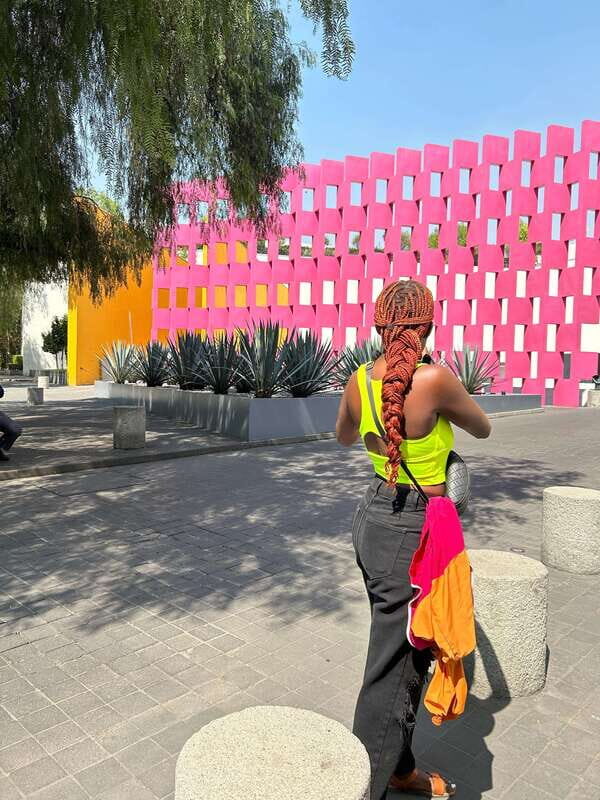
You start at the National Museum of Anthropology, a landmark of 1960s architecture. This is where the tour’s theme clicks: modern Mexican architecture isn’t treated like a copied “international style.” Instead, it’s framed as a container for pre-Hispanic meaning.
What to look for here:
- The building is described as embodying pre-Hispanic cosmogony, so expect the guide to connect the museum’s design to Indigenous ways of understanding the world.
- You’ll learn about how the project involved collaboration between the architect and renowned artists, bringing indigenous worldviews into sculpture and design.
Even if you’re not a die-hard museum person, this first stop sets your lens. By the time you leave, you’ll likely notice that the tour isn’t only about buildings as objects—it’s about buildings as statements. You’re meant to see how a national institution uses structure, form, and art to communicate identity.
Practical tip: give yourself a little time with the exterior and entrances. In many museums, the outside can be easier to scan for big design ideas, while the inside can reward patience.
Tamayo Museum of Contemporary Art: Modernism in Conversation with Nature
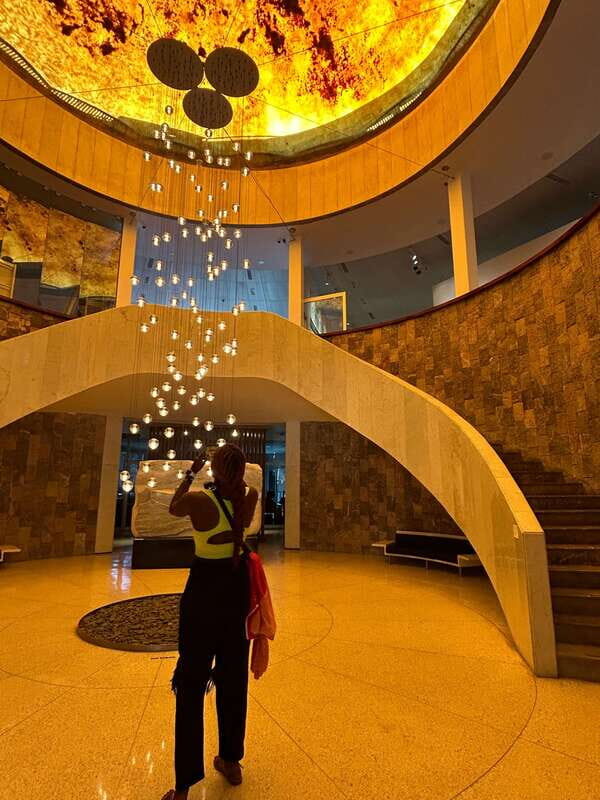
Next up is the Tamayo Museum of Contemporary Art, dedicated to Rufino Tamayo. The building itself is the lesson. It was conceived by two influential architects in the early 1980s, and it’s presented as modernist design that harmonizes with its surroundings while still honoring Mexico’s artistic legacy.
What this stop does well is shift the “why” behind the architecture. After the 1960s National Museum of Anthropology, you’re now seeing a later moment of modernism—one that feels more about atmosphere and integration with place.
What you’ll likely notice:
- The building’s approach is described as harmonizing with its natural surroundings, which means you should look for how the structure relates to light and open space.
- Because it’s dedicated to Tamayo, the museum also helps connect architecture with an artist’s vision of Mexico—modern, but rooted.
If you enjoy art museums when they feel like thought-through environments, this is a highlight.
The Space Age-Style 1960s Structure Nearby: Futuristic Optimism You Can Read
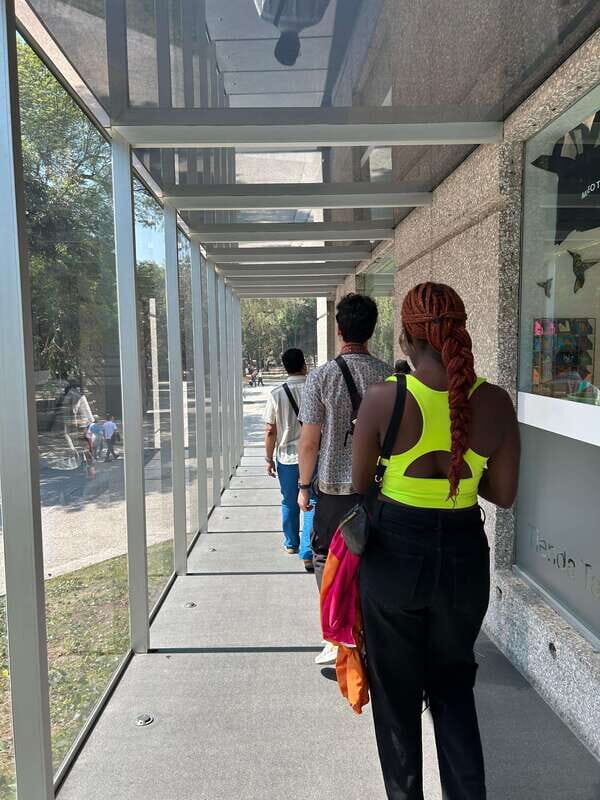
After Tamayo, the tour moves to another remarkable example of 1960s design inspired by Space Age aesthetics. This is the stop that can surprise people. It’s not just “Mexico City modernism.” It’s modernism with a specific optimism about the future—expressed through form and function.
Here, your best strategy is visual. Even without an architecture degree, you can spot how the design seems to trade strict tradition for motion, shape, and a forward-looking attitude. A guided walk through this kind of building helps you connect what you see (the forms) to what you’re hearing (the era’s mood).
This stop also helps you understand the broader storyline of the tour: Mexican architecture between the 1960s and 1980s didn’t change only because of new materials or new designers. It changed because Mexico’s cultural and political questions were changing, too.
Ending at the 1968 Olympic VIP Hotel: Hotel Camino Real as an Art Space
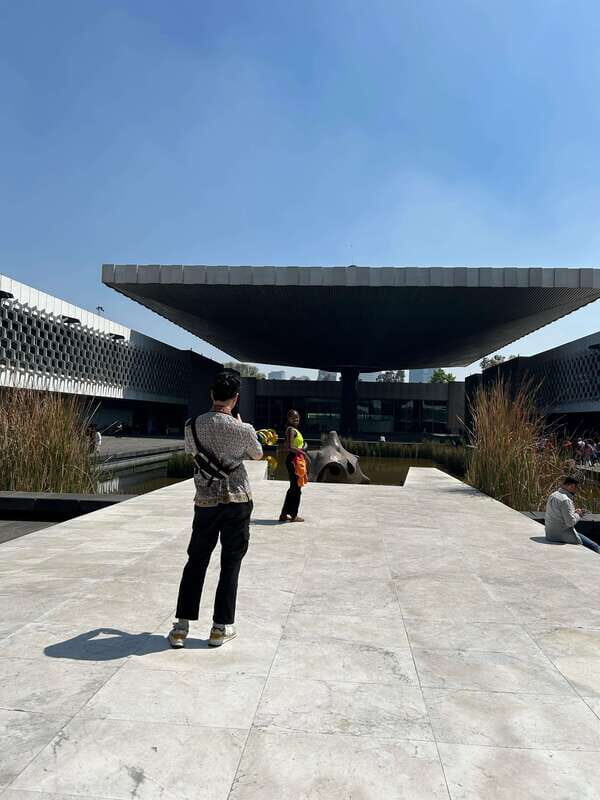
You finish at a historic hotel built to host VIP guests during the 1968 Olympic Games. That alone gives the location weight, because the 1968 Olympics are still a huge cultural marker for Mexico City.
But the tour’s real twist is what’s inside. Behind the hotel’s walls, there’s a modern Mexican art collection that turns the stay-like space into something closer to a gallery. In other words, you end with a place where hospitality and art intersect, which makes for a memorable final note.
What I like about ending here is the sense of continuity. The tour starts with national identity and ends with a public-facing space tied to a major global moment, where art continues to do cultural work. It’s a practical way to see how modern Mexican art didn’t live only in museums. It showed up in the spaces where people gathered.
If you’re the kind of person who likes the last stop to feel calm but meaningful, this ending works well.
You can also read our reviews of more city tours in Mexico City

Why the 1960s–1970s Context Changes What You See
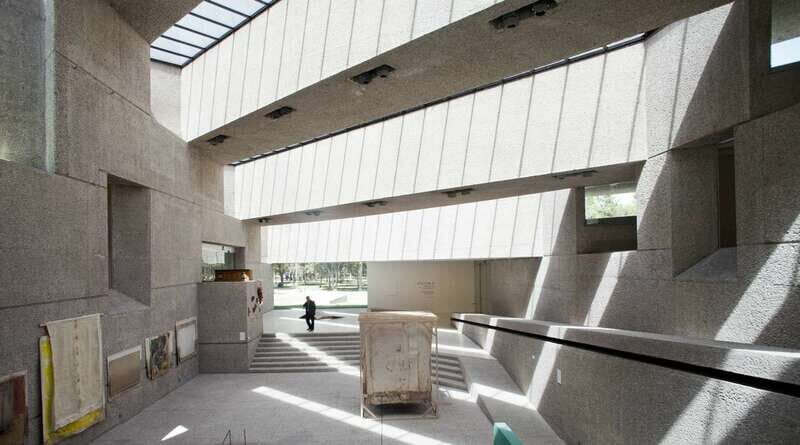
One reason this tour earns high marks is that it treats architecture like language. The tour explicitly highlights the social and political context of Mexico in the 1960s and 1970s, so your guide isn’t just naming styles. They’re connecting buildings to the bigger conversation happening outside the walls.
That matters because it changes your attention:
- You start noticing national messaging: how museums and institutions project identity.
- You start noticing modernization as a negotiation: how Mexico absorbed global design ideas while still insisting on a distinct voice.
- You start seeing the shift toward later modernism in the 1980s as part of a longer cultural evolution, not a sudden style switch.
You’ll also get a more balanced experience if you’re interested in the “why” behind the “what.” The tour doesn’t pretend architecture is detached from the world that built it.
Museum Tickets and What They Mean for Your Budget
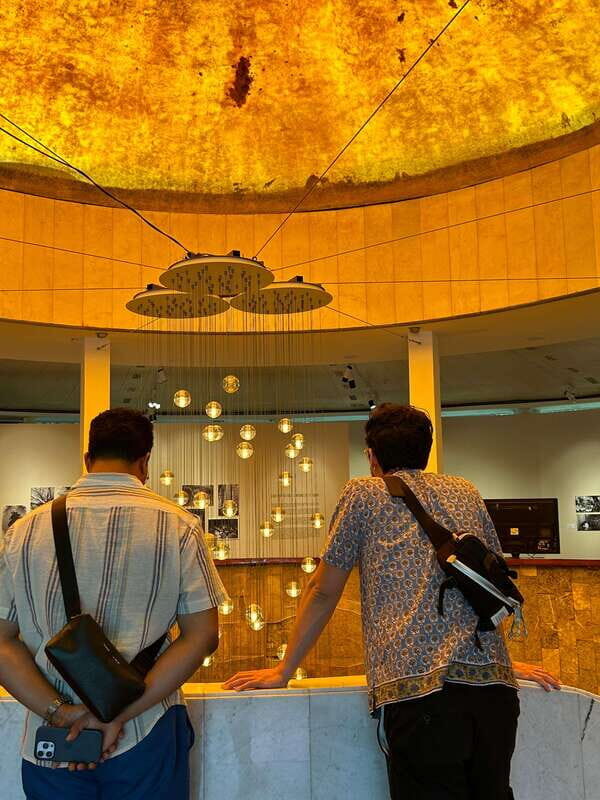
The tour price is listed as $192 per person for 3 hours, and it includes museum tickets for:
- National Museum of Anthropology
- Tamayo Museum
- Modern Art Museum
That’s a big part of the value. You’re paying for guided interpretation plus access to multiple major museum sites in one compact run. If you tried to do this yourself, you’d likely spend time coordinating entries and still miss the connective tissue—how each building fits into a larger architectural story.
Also, the guide role matters. The tour includes a walking guide described as having a graduate academic degree (art historian, historian, or architect). That’s exactly the kind of credential that tends to translate architecture into clear explanation instead of vague “this is important because it’s famous.”
Price can always be debated, of course. One consideration: if you expected a more architecture-only tour, you might feel it’s priced on the value of the combined art + history interpretation, not just construction details.
Pacing, Group Size, and How the Tour Feels
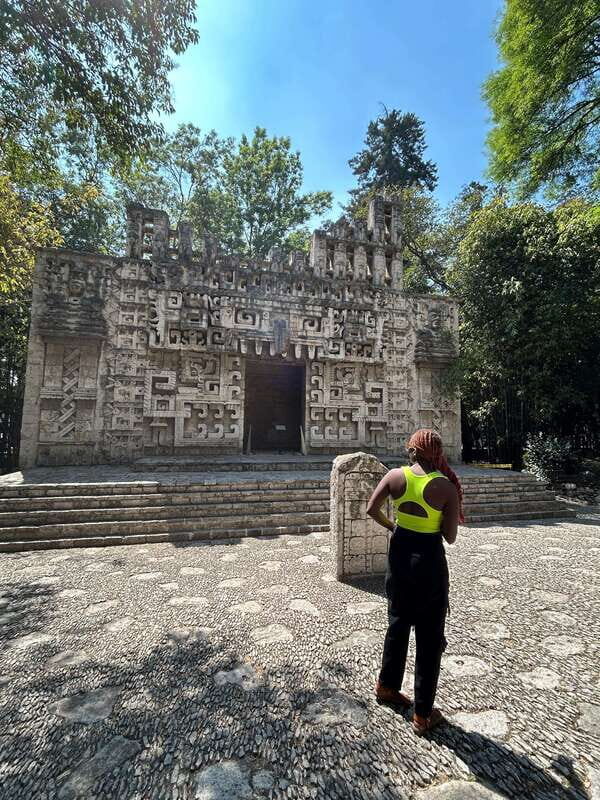
This is a small group tour limited to 10 participants. That’s a sweet spot for questions without feeling like you’re in a lecture hall.
The tour also notes headsets for larger groups to keep the guide audible. In a small group, you may not need them, but it’s a reassuring sign that sound clarity is planned.
Timing-wise, you should expect about 3 hours total. The route is described as involving not much walking, and you’ll be mainly in/around major sites rather than doing long cross-city transfers.
Bring:
- Comfortable shoes
- Sunscreen
- Rain gear
You should also plan to travel light. Luggage or large bags aren’t allowed.
Where You Meet: Chapultepec Porrua Bookstore (Don’t Guess)
Meeting is at Chapultepec Porrua Bookstore in Chapultepec Park, near the ticket booth. Since Porrua has many locations, you’ll want to be careful and go to the one in Chapultepec Park.
Your guide waits inside the bookstore with the WALK MEXICO project logo. This is one of those practical details that prevents a lot of stress—arrive a bit early so you can find the right entrance and spot the logo quickly.
Safety and Photography in a Park Setting
The tour notes that the places you’ll visit are safe and enjoyable for photography, and you’re encouraged to bring a camera.
This matters because people often hesitate with photography on timed tours: you don’t want to feel like you’re constantly asking permission or worried about awkward angles. Here, you can plan for pictures, especially if you like photographing facades, museum entrances, and the “in-between” views you get while walking.
Who This Tour Is Best For
This tour fits best if you:
- Like architecture but also enjoy the cultural story behind it
- Want a timeline feel for Mexican architecture across the 1960s to 1980s
- Prefer a guided approach where buildings are explained in plain language
It can also work for art lovers who enjoy how architecture frames museums and collections.
If you’re someone who only wants heavy technical architecture discussion—materials, engineering, or design theory without politics and culture—the tour may feel more like a blended art-and-history walking experience.
Accessibility Reality Check: Wheelchair Access vs. Mobility Limits
The tour lists wheelchair accessibility, but it also says it’s not suitable for people with mobility impairments. That’s a real contradiction in the information you’ve been given.
If accessibility matters for you, treat this as a “confirm with the provider” situation. Ask what the walking surfaces are like, how much uneven ground is involved in Chapultepec Park, and how close you get to each stop. That way you won’t be surprised on the day.
Should You Book This 1960s–1970s Architecture Walk?
I think it’s a strong booking if you want a focused, museum-plus-architecture route that explains how modern Mexican design evolved with national identity and politics. The included tickets to major institutions make the $192 price easier to justify, and the small group format helps keep the tour responsive.
Skip or reconsider if you’re looking for a purely technical architecture lecture with zero social context, or if your mobility needs are significant enough that you can’t comfortably handle outdoor surfaces in a park.
FAQ
FAQ
How long is the Mexico City 1960s & 1970s Mexican Architecture walking tour?
The tour lasts 3 hours.
Where do I meet the guide?
Meet at the Chapultepec Porrua Bookstore inside Chapultepec Park, near the ticket booth. The guide waits inside the bookstore with a WALK MEXICO logo.
What’s included in the price?
You get a 3-hour walking tour with an expert guide (graduate academic degree), plus museum tickets for the National Museum of Anthropology and the Tamayo Museum of Contemporary Art, along with the Modern Art Museum.
What museums will we visit?
You visit the National Museum of Anthropology, the Tamayo Museum of Contemporary Art, and a Modern Art Museum stop as part of the tour.
What languages is the tour offered in?
The tour is offered in Spanish and English.
How big is the group?
It’s a small group with a limit of 10 participants.
Is the tour wheelchair accessible?
The tour is listed as wheelchair accessible, but it also says it’s not suitable for people with mobility impairments. If you have mobility concerns, you should confirm the route details with the provider.
What should I bring, and what isn’t allowed?
Bring comfortable shoes, sunscreen, and rain gear. Luggage or large bags are not allowed.