REVIEW · MEXICO CITY
Day of the Dead Tour in San Andres Míxquic From Mexico City
Book on GetYourGuide →Operated by Vibe Adventures · Bookable on GetYourGuide
Somewhere between candles and memory, this day turns serious.
This Day of the Dead experience in San Andrés Mixquic is interesting because you get meaningful context for the altars, not just photos and souvenirs. I like the small-group setup (max about 15) because it feels more respectful in a place that runs on family attention. I also like the early start, which helps you see Mixquic before traffic and crowds squeeze the day. A possible drawback: the day’s quality can depend on your guide’s explanations and what’s actually happening in the cemetery at that moment.
You spend about 4.5 hours in Mixquic, with a guided walk through decorated streets and a cemetery visit where families clean graves, light candles, and honor their loved ones. If you’re the type who wants the meaning behind the symbols, this format is built for you. One more consideration: it’s a long day at 9 hours total, and you’ll want comfortable shoes because the walking is real.
If your goal is to understand the rituals behind Day of the Dead, this tour is a solid choice. You’ll also get practical comfort items like transportation in a private vehicle and included snacks, including pan de muerto and atole. Just be aware that Mixquic is not the same experience as big, staged shows elsewhere in Mexico City.
In This Review
- Key things to know before you go
- Why San Andrés Mixquic feels different from the Mexico City Day-of-Dead scene
- Getting to Mixquic: 9 hours, Lunario drop-off, and why timing is everything
- The town walk in Mixquic: what 4.5 hours is really for
- Ofrendas explained: skulls, marigolds, candles, and photo tributes
- The cemetery visit: where family remembrance takes center stage
- Included snacks: pan de muerto and atole keep the day moving
- Transportation comfort and group size: what to expect from the drive
- Guide quality is the make-or-break detail
- Price and value: is $94 fair for a 9-hour Day of the Dead outing?
- Who this tour suits best (and who should reconsider)
- A smart checklist before you go
- Should you book this Day of the Dead tour from Mexico City?
- FAQ
- Where do I meet the guide for the tour?
- How long is the tour, and how much time is spent in Mixquic?
- What is included in the price?
- Do I get pickup from my hotel?
- What language options are available for the guide?
- What should I bring with me?
- Are there any important rules I should know?
- When does Alumbrada happen in Mixquic?
Key things to know before you go
- Early access beats the worst of the traffic and gives you calmer time in town and the cemetery.
- Small-group pacing (max around 15) helps the visit feel more thoughtful than rushed.
- Ofrenda symbolism gets explained: skulls, marigolds, candles, and photo tributes.
- You’re in the cemetery during family time, not only onlookers’ sightseeing.
- Included treats: pan de muerto and atole keep you going between stops.
- Timing matters for Alumbrada: the candle-light event is on November 2.
Why San Andrés Mixquic feels different from the Mexico City Day-of-Dead scene
San Andrés Mixquic is part of the Tláhuac area, and it has that grounded, local feel you’re hunting for during Day of the Dead. Instead of treating the holiday like a theme park, you’re guided to notice what families build and why they build it. The tour’s early arrival is part of this: you see the town before the day gets loud and crowded, which makes your photos better and your understanding clearer.
A good sign here is that the experience is structured around the meaning of the ofrendas—what each element represents—then it leads you directly into cemetery grounds where families gather. That pairing matters. You learn the language of the altars on the street, and then you see how that same language shows up at graves: candles, personal items, and names you recognize because they’re tied to someone’s actual life.
You can also read our reviews of more city tours in Mexico City

Getting to Mixquic: 9 hours, Lunario drop-off, and why timing is everything
Plan for a full day. The total duration is 9 hours, with transportation in a private vehicle from Mexico City. The meeting point is outside the Lunario del Auditorio Nacional, and drop-off returns you to the Lunario area (there are two drop-off locations listed, both tied to Lunario).
Here’s the practical catch: driving in Mexico City traffic is no joke, so the tour’s earlier start is not a marketing extra—it’s a comfort and quality upgrade. Even if you don’t love long commutes, arriving earlier usually means:
- you walk in a calmer town
- you spend more of your time where it matters
- you’re less likely to feel rushed at the cemetery
Also, bring the phone number you used to book and make sure it has the international prefix. If the guide can’t reach you for pickup, the tour can be marked as a no-show. That sounds strict, but for a roadside pickup in a busy city, it’s the reality.
The town walk in Mixquic: what 4.5 hours is really for
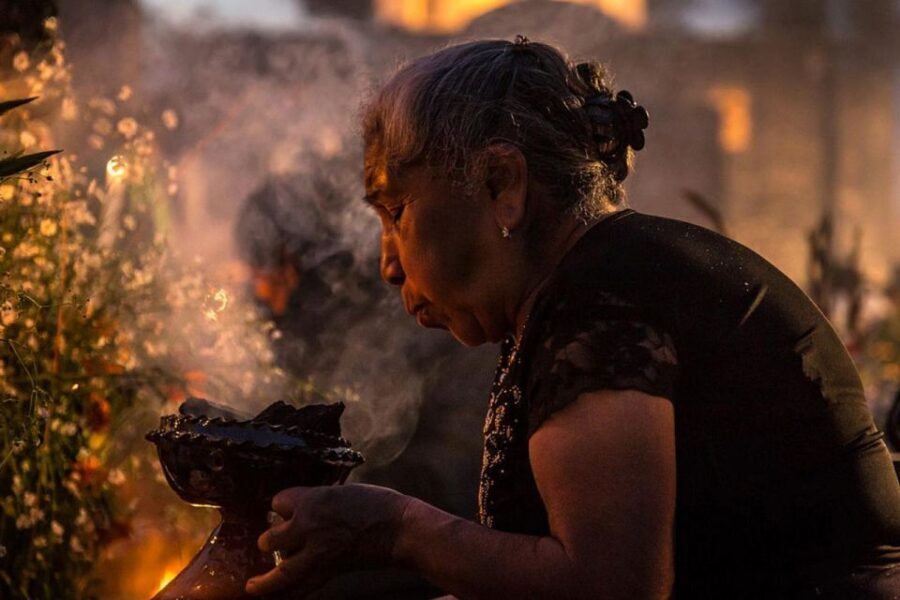
Once you arrive, you’ll get a guided visit of the town—about 4.5 hours—with walking and sightseeing. You’re not just moving through decorated streets. The guide’s job is to connect the visuals to the traditions behind them, including the pre-Hispanic roots that shape how people honor the dead.
What you’ll likely notice during this portion:
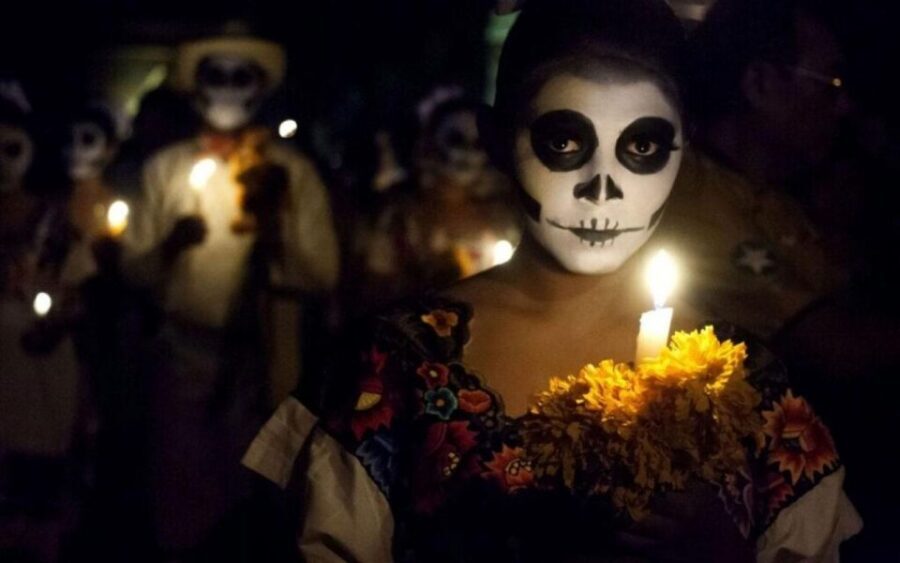
- colorful skull designs and altar details that look festive, but carry real weight
- marigolds used as more than decoration
- candles as a core element, not a side effect
- families and community members preparing and presenting their tributes
This is also the part where you’ll want your camera ready. If your priorities are photos and atmosphere only, you can still enjoy it. But if you want to understand what you’re seeing, this town section is where the tour tries to do the heavy lifting.
Ofrendas explained: skulls, marigolds, candles, and photo tributes
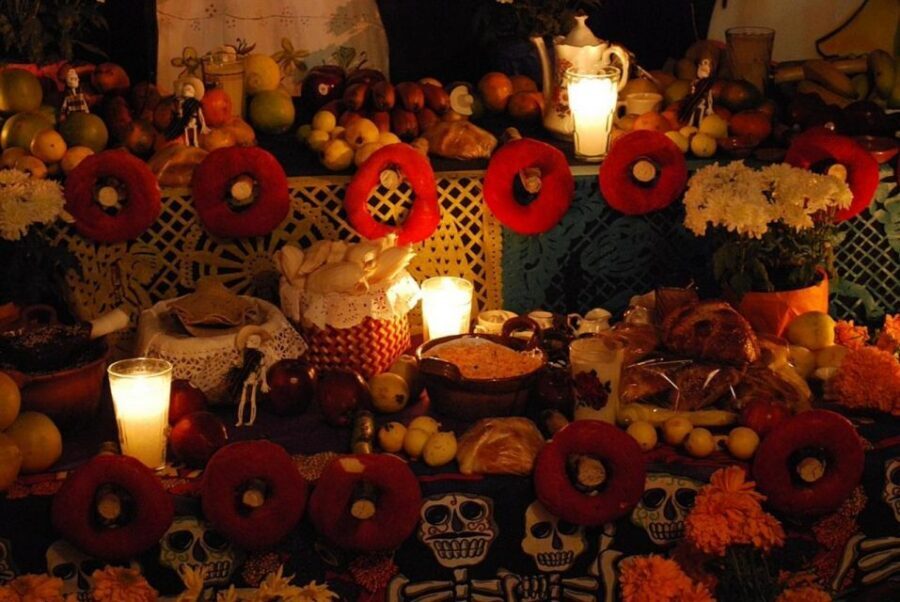
Day of the Dead altars can look like a candy-colored art project if you don’t know what you’re looking at. The tour helps you read the altar like a message, not just a display.
You’ll get guidance on elements that commonly appear in ofrendas, including:
- colorful skull symbolism
- marigolds
- candles
- and photos placed to remember deceased loved ones
Even if you’ve seen Day of the Dead photos online, the explanation makes a difference once you’re standing in front of the real thing. You start to notice how families choose what to place and how they organize it. That’s the value of this experience: the tour doesn’t only point at objects; it gives you a framework to understand why those objects show up year after year.
One word of caution: the tour depends on your guide’s communication. In recent feedback tied to specific guides, some people felt the explanation was strong, while others thought it fell short. If you’re booking for the meaning, look for reviews that mention the guide’s knowledge and clarity.
The cemetery visit: where family remembrance takes center stage
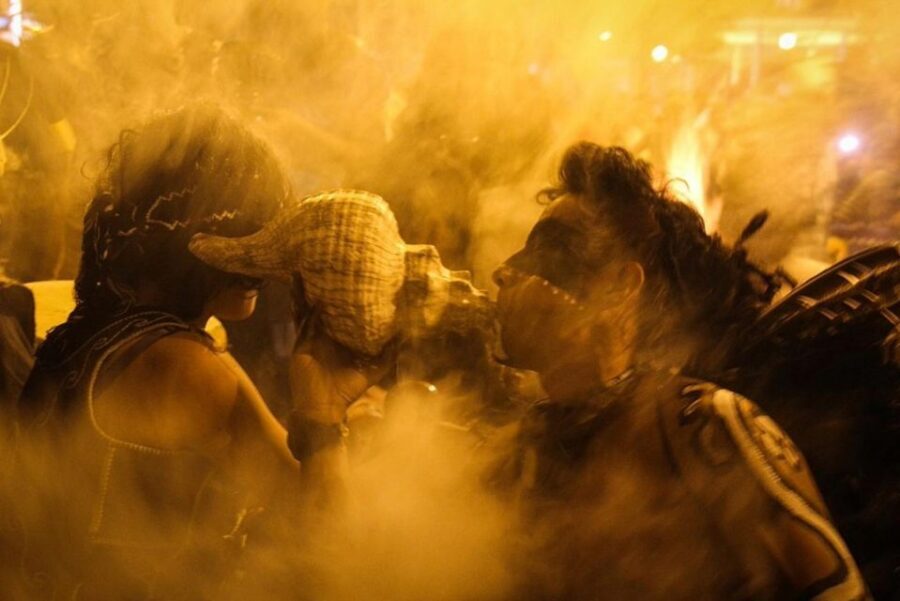
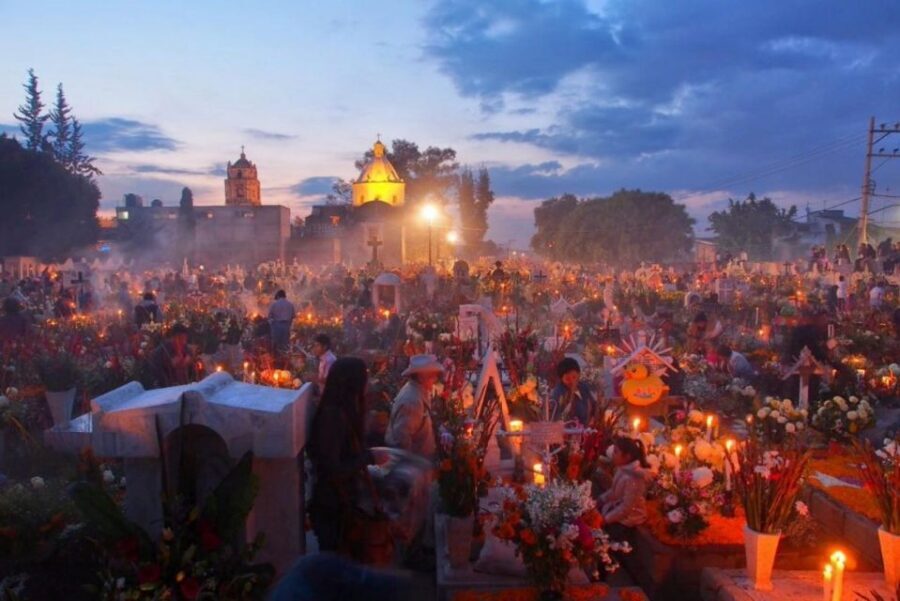
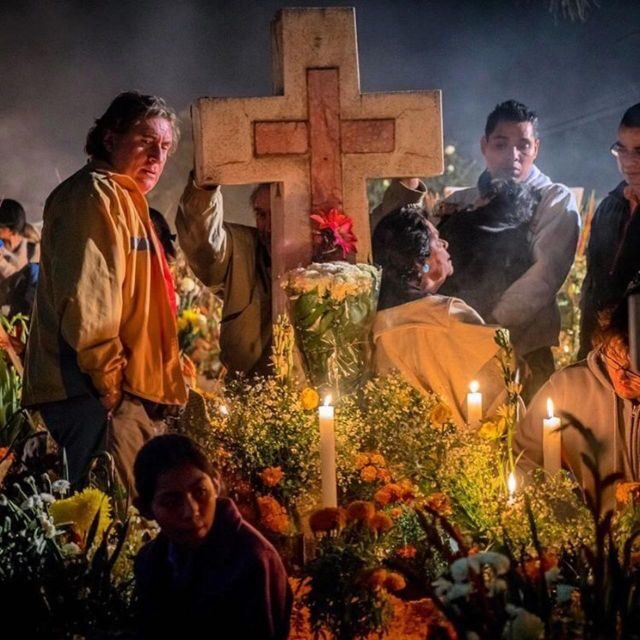
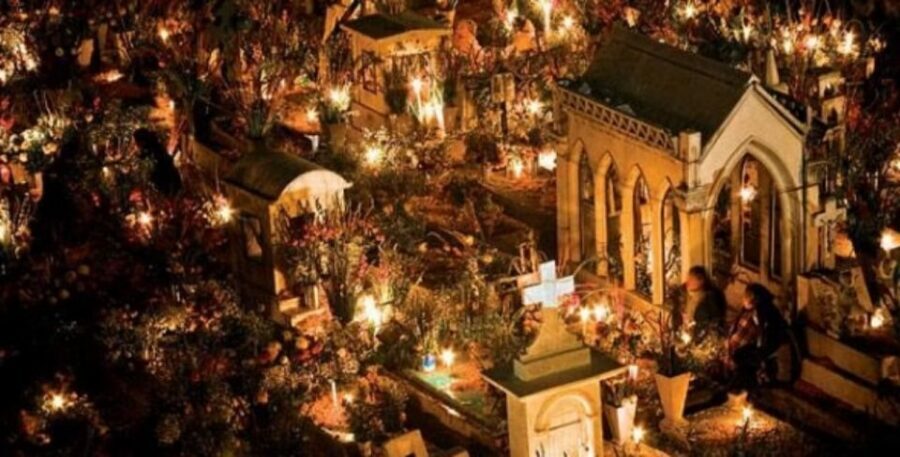
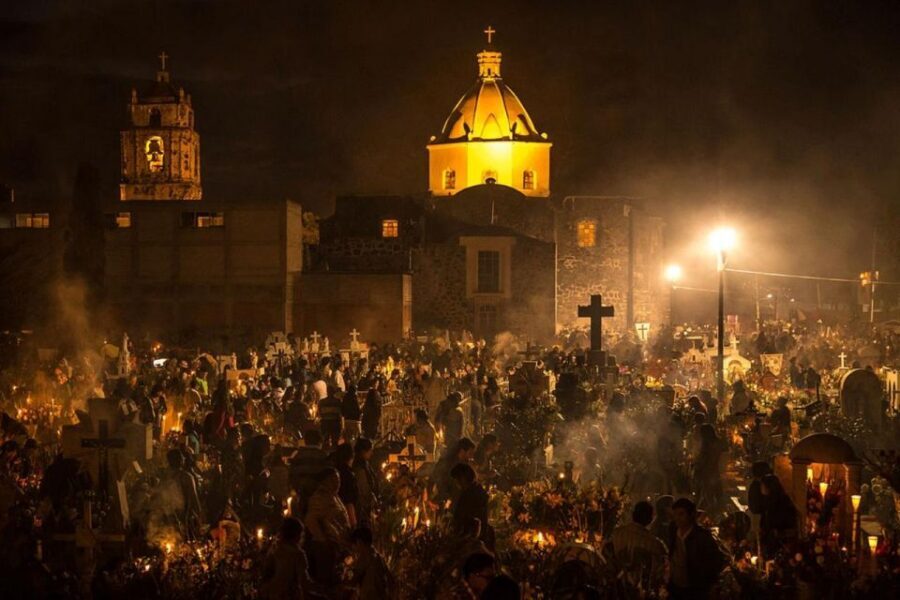
The heart of the day is the cemetery visit in the Panteon de Mixquic. This is where families gather to clean decorated graves, light candles, and spend time in remembrance. This isn’t staged. It’s daily grief and love made visible through ritual.
The tour’s small group size (max around 15) is helpful here. In a cemetery, too many people at once can turn remembrance into foot traffic. With fewer visitors, you usually get a more respectful rhythm: observe, look closer, and then move when it’s time.
Timing again matters. The cemetery welcomes visitors during all three days of the celebration, but the famous Alumbrada event happens specifically on November 2nd, with locals lighting thousands of candles to honor ancestors. If you’re traveling around November 2, ask yourself a simple question: do you want the biggest candle moment, or do you want a quieter family-time experience? This tour is designed to see Mixquic earlier, but November 2 is its own intensity.



Included snacks: pan de muerto and atole keep the day moving

You get included pan de muerto and atole. That might sound like a small detail, but for a 9-hour day with a lot of walking and waiting, these breaks help you stay human. They also fit the theme: pan de muerto isn’t just a snack here—it’s part of how people mark the season.
This is also one of the reasons the tour can feel more complete than a transport-only excursion. Food is woven into the day at the times you actually need it.
If you have dietary needs, the tour data doesn’t list alternatives beyond what’s included, so you’ll want to keep your personal food plan flexible.
Transportation comfort and group size: what to expect from the drive
The experience includes transportation in a private vehicle, which is a major plus compared with hopping between multiple buses. That said, recent feedback includes comments about the vehicle being unpleasant on some departures, so don’t assume comfort is guaranteed.
What you can control:
- dress for sitting in traffic (layers help)
- bring cash for personal expenses, since meals aren’t included
- keep your phone powered up for any last-minute pickup coordination
The small group limit (around 15 participants) is usually a win. It reduces noise, improves guide-to-person time, and makes it easier to hear explanations while walking through narrow areas.
Guide quality is the make-or-break detail
This is the part worth taking seriously. The tour includes local guides and offers live interpretation in Spanish, English, French, Italian, and German. That’s great on paper, and it’s exactly what you want for a ritual-based experience where details matter.
But the experience can shift depending on how much the guide explains and how smoothly they manage time in town and the cemetery. In recent feedback, one guide named Joe was praised highly, while another guide named Flor received complaints about not providing enough tradition context and about a lack of ceremonies during the cemetery stop.
So here’s my practical take: book this tour if you want guided meaning and you’re okay with the fact that cultural events follow the day’s reality. If you’re expecting a perfectly packaged script with guaranteed ceremonies every time, you might be disappointed—especially on days when events happen at specific times like Alumbrada.
Price and value: is $94 fair for a 9-hour Day of the Dead outing?
At $94 per person for a 9-hour tour, you’re paying for more than transport. You’re paying for:
- a private vehicle
- a guided visit of Mixquic’s streets
- a guided cemetery experience
- and included pan de muerto and atole
- plus the small-group format
That said, “value” depends on what you care about. If you want a quick look at decorated areas and you’re happy buying snacks on your own, the price can feel steep. If you want your time with a guide to translate the symbols and rituals, then it starts to make sense—especially when traffic is a factor and you want to arrive earlier.
My advice: treat this as a meaning-focused excursion, not a simple sightseeing trip. If you’re emotionally invested in understanding what you’re seeing, $94 becomes more reasonable.
Who this tour suits best (and who should reconsider)
This experience fits you if you:
- want context for ofrendas, not just pictures
- prefer a smaller group when visiting cemeteries
- like guided walking so you don’t miss symbolism
- are traveling from Mexico City and want a structured way to reach Mixquic
It might be less ideal if you:
- want guaranteed big show moments at the cemetery every time
- plan to eat a full meal during the tour (meals aren’t included)
- dislike long drives or sitting in traffic for part of the day
Also note what’s not allowed: pets and electric wheelchairs aren’t included in the activity rules. Wear comfortable shoes—cemetery time includes walking on uneven ground.
A smart checklist before you go
Bring:
- a camera
- cash
- comfortable clothes
- comfortable shoes
Also consider:
- layering for temperature changes
- keeping your phone ready (international prefix contact info matters for pickup)
- having a small buffer in your mindset for timing, since ceremonies and candle events follow specific moments
Should you book this Day of the Dead tour from Mexico City?
I’d book it if your priority is respectful, guided understanding of Day of the Dead in San Andrés Mixquic—and you’re happy with a 9-hour day that includes early arrival and family-focused cemetery time. The early access and small group size are the two advantages that make this feel different.
Don’t book it with the assumption that every departure will deliver the exact same cemetery program at the exact same moment. Alumbrada is on November 2, and other activities follow their own schedules. If you’re flexible and you’re interested in learning the meaning behind skulls, marigolds, candles, and photo tributes, this tour is likely a good fit. If you want a guaranteed fireworks-level spectacle, look for a different kind of Day of the Dead experience.
FAQ
Where do I meet the guide for the tour?
Meet your guide outside the Lunario del Auditorio Nacional in Mexico City. The tour also lists Lunario as the main drop-off area.
How long is the tour, and how much time is spent in Mixquic?
The total duration is 9 hours. You spend about 4.5 hours in Mixquic for the guided visit, sightseeing, and walking.
What is included in the price?
Included are transportation in a private vehicle, local guides, and pan de muerto plus atole.
Do I get pickup from my hotel?
Pickup is optional. You can request pickup from your accommodation or another place of your choice in Mexico City.
What language options are available for the guide?
The live tour guide is offered in Spanish, English, French, Italian, and German.
What should I bring with me?
Bring a camera, cash, comfortable clothes, and comfortable shoes.
Are there any important rules I should know?
Pets and electric wheelchairs are not allowed. You should also provide a valid contact phone number with the international prefix for pickup.
When does Alumbrada happen in Mixquic?
The Alumbrada event, when locals light thousands of candles, takes place specifically on November 2. The cemetery welcomes visitors during all three days of the celebration.